
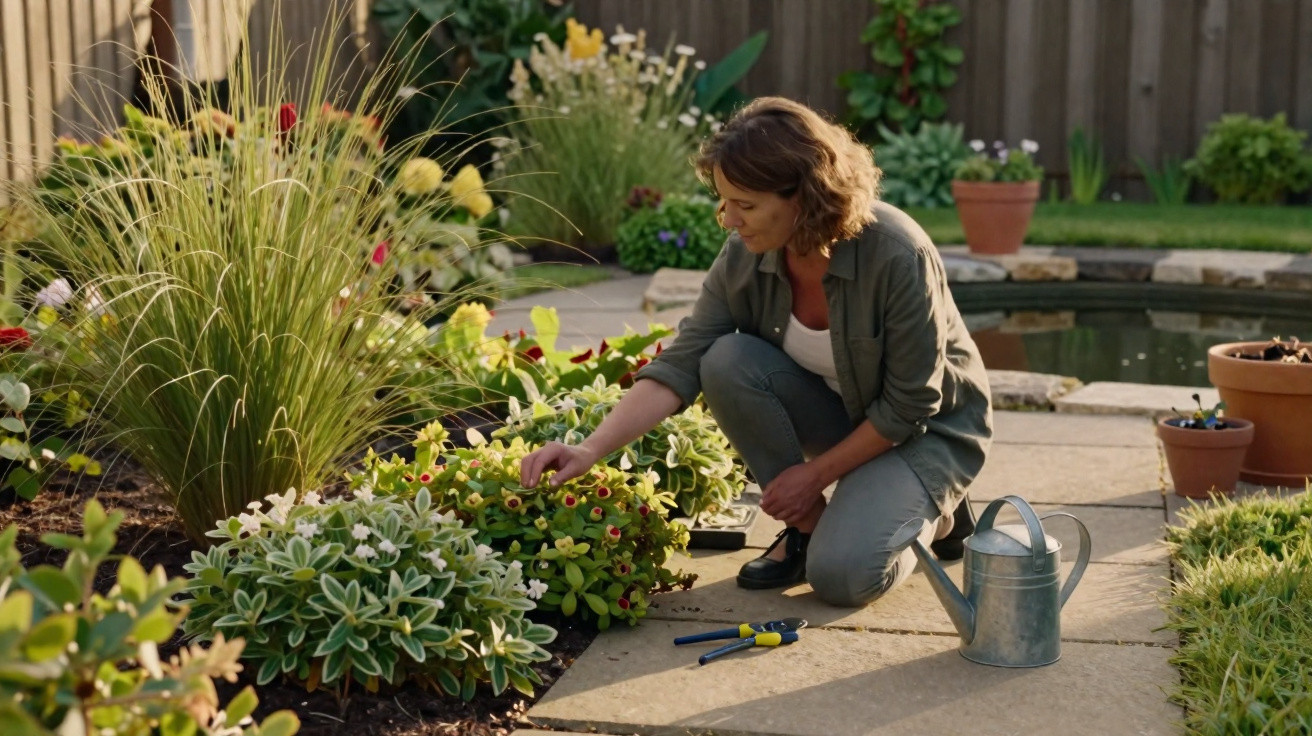
A few streets from your home, there may be a garden that seems lifted straight from a magazine. The lawn is smooth and restful, the shrubs appear to have found exactly the right shape, and the flowers seem to open at precisely the right moment. You never seem to catch the owner tending it. There is only a mug on the table and a chair left at an angle, as though someone was “just passing through”.
Then you look over your own bit of green. The climate is the same, you live in the same town, and the budget is probably similar… yet the beds still seem worn out, weeds reappear within days, and that hoped-for “little oasis” remains out of reach.
Some gardens appear to take care of themselves, while others feel like a constant battle. There is no magic behind the difference. It is something slightly less comfortable – but far more helpful.
Why some gardens feel like they run themselves
The first major secret cannot be seen: the soil. Gardens that look deceptively easy to maintain nearly always grow in ground that has been looked after as a living system, rather than treated as mere dirt to keep plants standing upright. Good soil is crumbly, dark and alive with tiny roots and organisms. Plants can establish themselves, take up what they need and simply get on with growing.
With the right foundation, a gardener can be slightly lazy and the garden will still look good. With the wrong one, you can spend every weekend working and still feel defeated. It is not about how much effort you make; it is about where that effort has the greatest effect.
Think about the neighbour whose roses look smug throughout the summer. A few years ago, their garden may well have been as uncooperative as yours. Then, perhaps, they began bringing home bags of compost, leaves, kitchen peelings and possibly even manure that made the whole street wrinkle its nose.
For a year or two, there may have been little visible change to an untrained eye. Below ground, however, the soil became softer, worms arrived and fungi created tiny highways around the roots. Now, those roses need very little fussing over. The gardener appears “lucky” or naturally talented, but they really invested in something nobody walking past can see.
In poor soil, plants remain thirsty and underfed. They become stressed, making them easy targets for pests and diseases. The result is a cycle of spraying, feeding, watering, cutting back and replanting.
Rich soil gives plants a kind of quiet confidence. They recover more readily from heat, form deeper roots and suppress weeds on their own. An identical hour of gardening can produce entirely different results in two different soils.
Gardens that get better quickly are usually those where the gardener stopped battling what was visible and began restoring what was not.
The “lazy” routines that change everything
This is the part that is rarely mentioned: gardens that look effortless are built through dull but repeatable actions. They do not come from huge weekend sessions spent trying to repair an entire season at once, but from small habits that gradually accumulate.
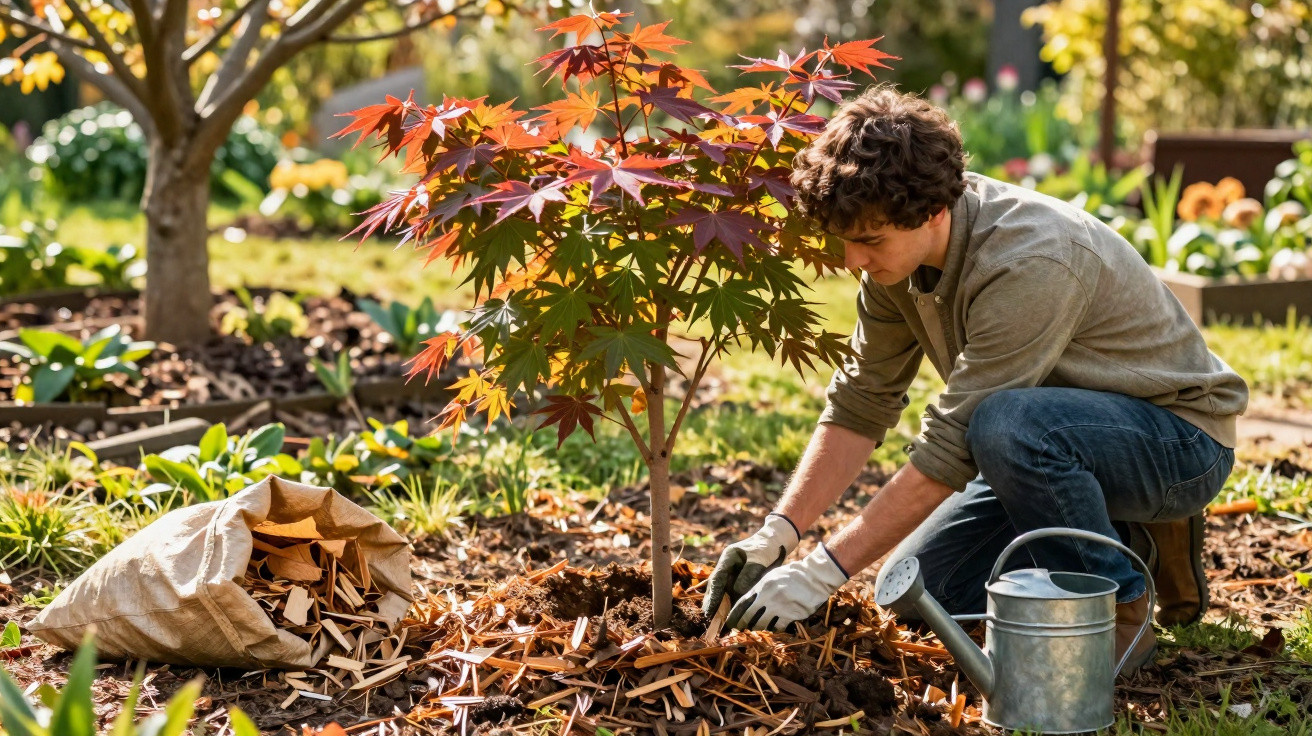
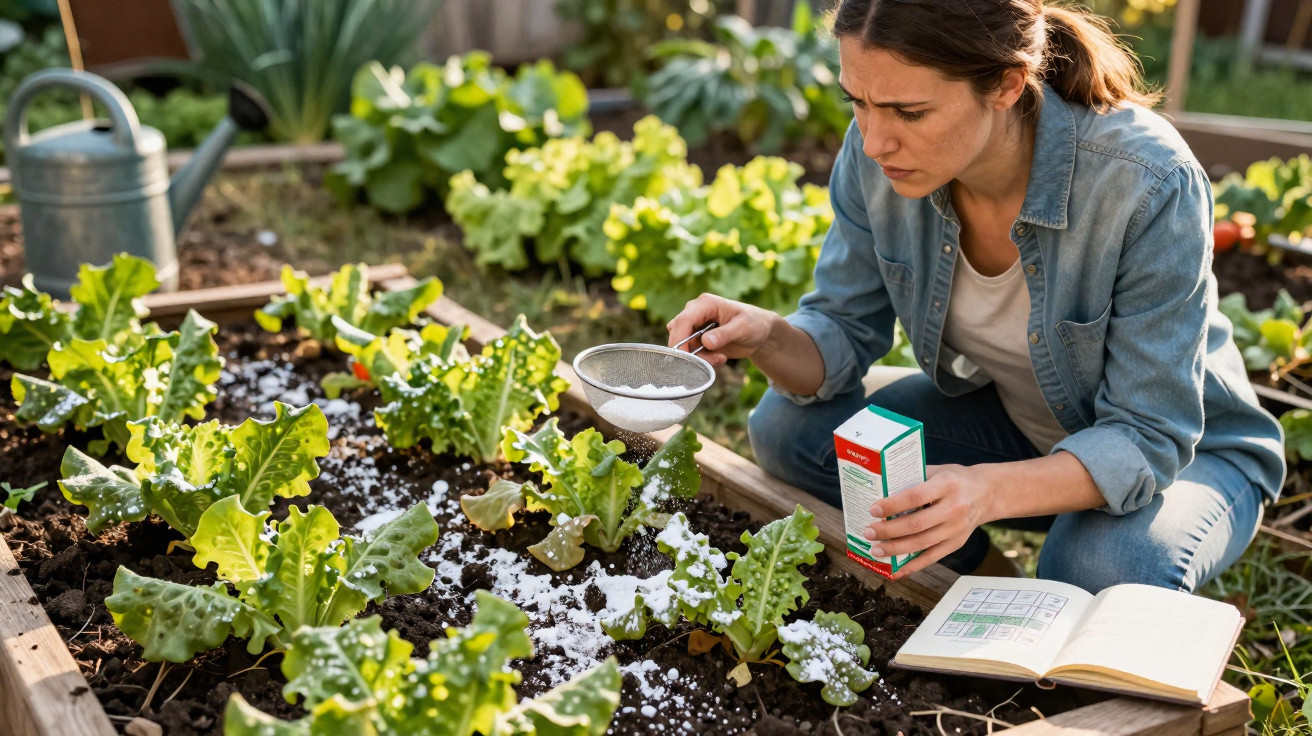
Add a 2–3 cm layer of compost to beds once or twice each year. Allow grass cuttings and fallen leaves to rot down rather than taking them away. Mulch bare ground so that the sun cannot bake it and weeds cannot quickly take hold.
None of these actions looks especially heroic. You can do them in old trainers, with a cup of coffee within reach. Yet after twelve, twenty-four or thirty-six months, the garden starts behaving like a completely different thing.
Many people become trapped by an “all or nothing” approach. They hold out for the ideal free weekend, perfect weather and YouTube-approved equipment. That weekend never properly comes, or it gets swallowed up by mowing and emergency weeding, while the more fundamental jobs are put off again.
We have all had that moment of looking at the disorder and thinking, “I’ll sort it properly next month.” At the same time, a friend down the road may spend 15 minutes every Sunday adding mulch to one bed or working in one bucket of homemade compost.
Their garden does not suddenly surge ahead in a single week. It advances little by little each month. From outside, it seems as if they “barely do anything” because there is no dramatic burst of labour to witness. There are simply calm, repeatable actions.
Let us be realistic: nobody manages this every day. Even highly enthusiastic gardeners miss weeks, are stopped by rain or decide to stay on the sofa. The real difference is usually less about discipline than design.
Gardens that seem effortless are generally planned around plants and layouts that tolerate neglect. Choose sturdy perennials rather than thirsty annuals, and group plants according to their water needs rather than colour alone. Make borders narrow enough to reach from either side instead of creating deep, awkward beds that require you to tread on the soil.
As one landscape designer told me:
“People think they need more time. Most of them just need fewer fussy plants and a layout that matches how they actually live, not how they wish they lived.”
- Select resilient plants suited to your climate rather than a catalogue fantasy.
- Create small, accessible zones instead of large beds that feel overwhelming.
- Apply deep mulch to dramatically reduce watering and weeding.
- Repeat the same plants and colours to prevent visual clutter.
- Reserve one corner for “high-care” planting, and keep the rest quietly robust.
The quiet mindset shift that changes your garden
There is another aspect to this: the way you measure progress. Many people decide their garden “isn’t working” because it does not resemble an image they saved last week, or because their lupins were unhappy this year. They then pull everything out, begin again and change direction every season.
Gardens that gradually become beautiful usually belong to people willing to observe them. They see which plants cope easily with dry periods, which corner repeatedly floods and which bed receives late-afternoon light that makes everything glow. Then they do something deceptively straightforward: they work with what already appears eager to thrive rather than forcing what does not.
That approach turns setbacks into useful information. Lavender dying in shade is not a catastrophe; it is a sign that the space wants ferns or hostas rather than sun-loving plants. A lawn that will not thicken beneath a large tree can become a shaded sitting area with bark chips and pots instead of an endless source of guilt.
This acceptance often produces gardens that look effortless because they are not attempting to become something else. They reflect the soil, light, wind and the gardener’s real timetable. They do not rely on a fantasy life of daily watering and weekly pruning that exists only in glossy magazines.
Once you view your garden as a slow conversation rather than a problem requiring correction, everything becomes gentler. You can leave a pile of branches in a corner for insects. You can keep a wilder strip where clover, daisies and “weeds” mix with the grass while bees hum all day.
Oddly, these areas often become the loveliest ones. They are not beautiful because they are flawless, but because they feel alive. Once a garden feels alive, the urge to control every detail fades and leaves space for real enjoyment. That is often the point when compliments begin arriving from people passing on the pavement.
| Key point | Detail | Value for the reader |
|---|---|---|
| Build soil first | Regular compost, mulch and organic matter transform hard ground into living soil | Less watering, fewer pests, and plants that flourish with less work |
| Focus on small, repeatable actions | 15–30 minute routines are more effective than occasional, exhausting “big clean-ups” | Progress without burnout and a garden that improves each month |
| Make the garden fit real life | Resilient plants, uncomplicated layouts and acceptance of your conditions | A space that looks good when you are busy, not only during perfect weeks |
FAQ:
- How can my neighbour’s garden look so good when they barely seem to garden? They have probably made an early investment in healthy soil, selected hardy plants appropriate to your local climate and established straightforward routines. It may look like “no work” from the outside, but the important work is hidden below ground and in sensible decisions.
- How soon will a neglected garden begin to improve? You may notice changes within one season by concentrating on mulching and a few tough plants, although a genuine transformation usually needs two to three years of small, regular actions.
- Is soil improvement worthwhile if I am not a “serious” gardener? Yes. Healthy soil makes every task simpler, even if you only grow a handful of shrubs and herbs. Watering, feeding and pest issues all reduce as the ground becomes healthier.
- Must I remove every weed for a garden to look attractive? Not at all. Set out a few “tidy zones” and allow other areas to remain slightly wild. Clear paths and defined edges often do more to guide the eye than having no weeds at all.
- What is the fastest visible improvement I can make this month? Put a generous layer of mulch around established plants, then place several pots containing bold, healthy plants near the door or seating area. This frames the view and gives you time while the deeper soil work begins.
Comments
No comments yet. Be the first to comment!
Leave a Comment