
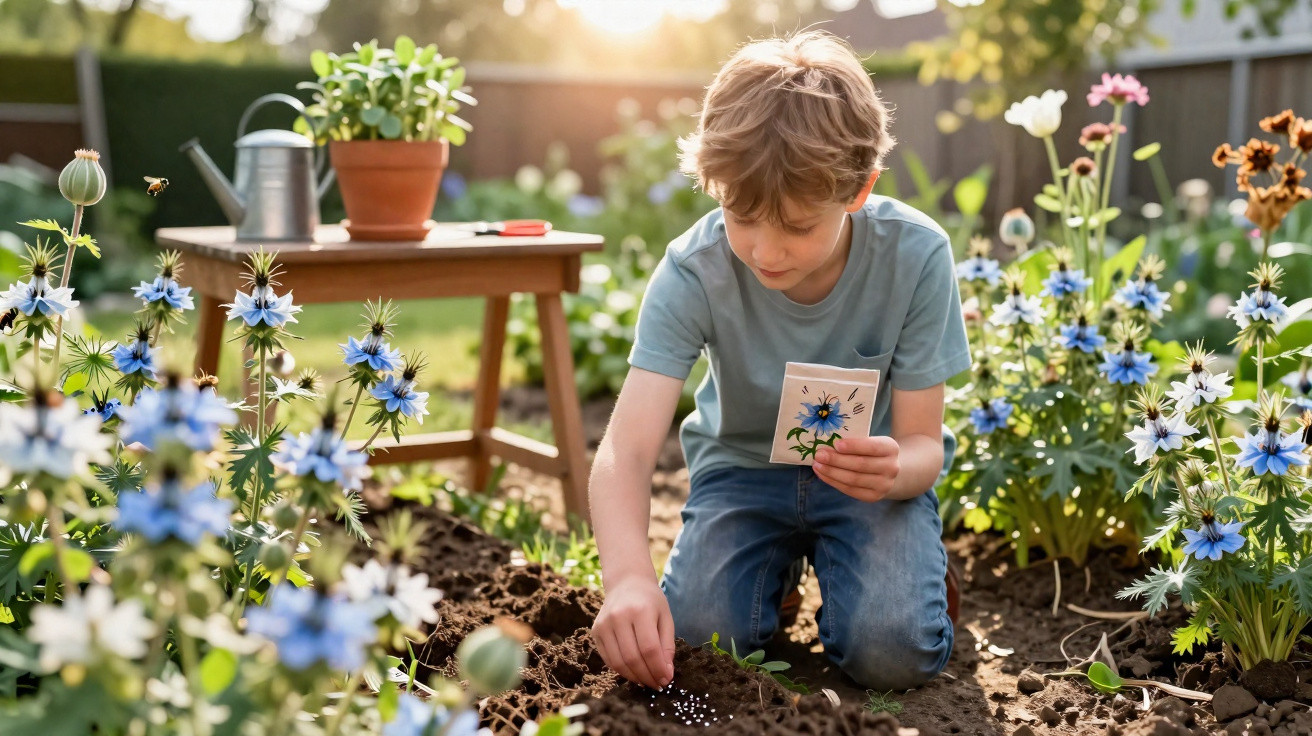
Many hobby gardeners find themselves staring at the seed racks in spring: countless flowers to choose from, not much time, and a limited budget. Garden professionals are currently pointing to one single, feather-light summer flower that can turn borders, balcony boxes and pots into a colourful sea of blooms with very little effort.
Why this “feathery” flower is being recommended everywhere right now
The plant in question is Nigella, best known in the UK as love-in-a-mist. Its fine, almost misty foliage wraps around delicate flowers in blue, white or violet, creating a classic cottage-garden effect that has come back into fashion.
Nigella is considered an easy annual that keeps producing fresh blooms from June right through to September – ideal for working people and families.
Garden experts tend to praise three things above all: a long flowering window, minimal maintenance and lots of ways to use it. If you sow one or two packets now in spring, you can:
- fill bare edges along borders,
- give patio pots a lighter, airier look,
- and grow your own fresh cut flowers right by the front door.
In built-up neighbourhoods where every square metre matters, Nigella really comes into its own. It grows upright and slim, takes up little space, yet looks lush once several plants knit together into a loose, cloud-like drift.
Love-in-a-mist: features that make gardening easier for beginners
Nigella damascena originally comes from the Mediterranean and is one of the tougher annuals you can grow. A brief cold snap in spring rarely bothers it. Pests and fungal problems are also uncommon, provided the site suits the plant.
Flowering season and suitability for the vase
When sown in spring, flowering usually begins in June and continues into late summer. Individual plants keep forming new buds over time. If you cut stems regularly, the plant stays productive and continues to flower.
- Flowering period in the border: usually June to September, depending on the weather
- Vase life: about a week; in a cool spot, often a little longer
- Colours: mainly blue and violet, plus white and pink varieties
That makes Nigella especially useful for anyone who likes to put a bunch of flowers on the dining table more often, without repeatedly paying for expensive shop-bought cut flowers.
Good for bees and other pollinators
The open, easy-to-reach flowers attract bees, bumblebees and hoverflies. If you grow vegetables, there is an added benefit: pollinators visiting your Nigella will often stop off at tomatoes, strawberries or courgettes along the way.
A narrow row of Nigella between vegetable beds works like a magnet for pollinators – and looks far more decorative than empty paths.
How to sow Nigella correctly now
The best part is that you do not need a greenhouse or any special kit. A handful of straightforward rules is enough.
Direct sowing into the ground
If you have a border or a raised bed, you can sow the seed straight into the soil. The ideal window is March to May, depending on where you live.
- Loosen the soil and remove larger stones and roots.
- Make a shallow drill, or scatter the seed thinly over the surface.
- Cover the seed lightly with soil, around 0.5 cm.
- Water in, then keep the soil evenly moist afterwards, but do not soak it.
After a few weeks the first fine seedlings appear. Once they are a little bigger, thin out crowded patches until you have around 20–30 cm between plants.
Sowing in a pot or tray
If you only have a balcony or terrace, it works well to start in shallow trays or sow directly into a larger pot.
- Fill the container with loose, well-drained compost.
- Sow fairly generously, then thin or separate excess plants later.
- Cover only lightly with compost or a thin layer of sieved compost.
- Place the tray or pot somewhere sheltered from wind and as sunny as possible.
Later, you can move individual young plants into bigger pots or tuck them into gaps in the border. The key point is drainage: Nigella strongly dislikes waterlogged conditions.
Everyday care: little effort, long enjoyment
Once the plant has settled in, it is not demanding. If you are busy at work, or have children who would rather play in the garden than weed it, this flower is easy to live with.
Watering, feeding and cutting back
A few basics are enough:
- Watering: water regularly during prolonged dry spells; otherwise be restrained. Let the soil dry slightly between waterings.
- Feeding: in ordinary garden soil, Nigella usually needs no extra feed. In pots, a light starter feed in spring is sufficient.
- Cutting back: pinch out or cut off spent flower heads so fresh buds keep coming.
If you keep cutting stems for the vase, you are “deadheading” at the same time – and the plants repay you with new flowers.
A trick for months of flowers
Rather than sowing everything on the same day, stagger it. Put some seed in the ground in early spring and sow the rest a few weeks later. This way, the flowering periods overlap and the garden stays colourful for longer.
In milder parts of the UK, an autumn sowing can also be worthwhile. Young plants often make it through winter and then grow quickly in spring, flowering particularly early.
Self-seeding, saving seed and decorative ideas
Towards the end of summer, Nigella shows off another strength: its ornamental seed pods. Once you have noticed them, you will be reluctant to send them all to the compost heap.
Collecting seed for next year
If you leave some flowers uncut, they form plump, slightly inflated pods. Over time these turn brownish and dry out. At that stage you can cut them and let them finish drying somewhere airy.
- Carefully split the dried pods open.
- Store the black seeds in a paper envelope.
- Sow again the following spring – no need to buy more.
Many gardeners also let the plants self-seed. The next year, new clumps of Nigella appear in similar spots. If you like a more spontaneous look, this is a bonus; if you prefer a stricter plan, simply pull out or move the surplus seedlings.
Dried arrangements and home décor
Once dried, the pods look almost graphic in arrangements. Mixed with grasses or other dried flowers, they make long-lasting living-room décor with very little work. Even a plain glass vase looks surprisingly elegant with them.
A bunch of dried Nigella pods can last for years – and in the garden it costs practically nothing.
Practical tips for different garden situations
Nigella suits a wide range of garden styles. A few real-world examples:
- Small terraced-house garden: planted among roses or lavender, the fine foliage softens borders that can otherwise look too rigid.
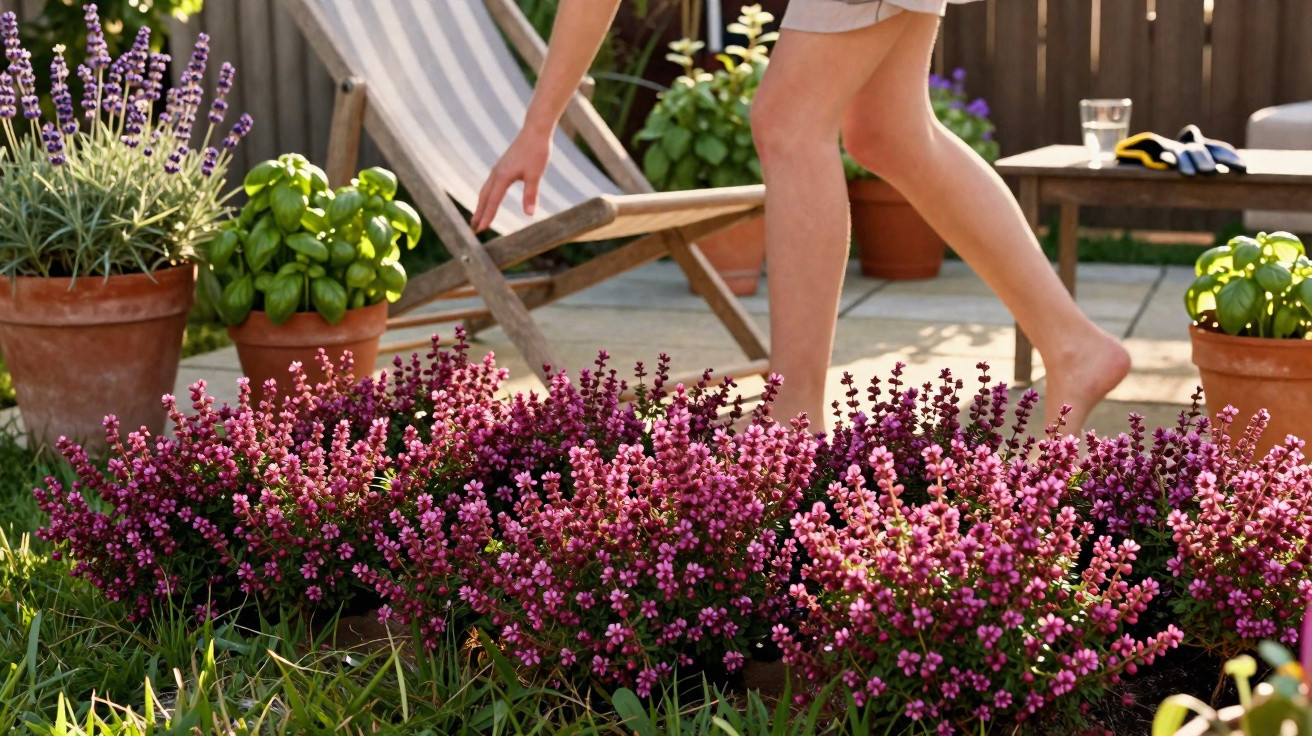
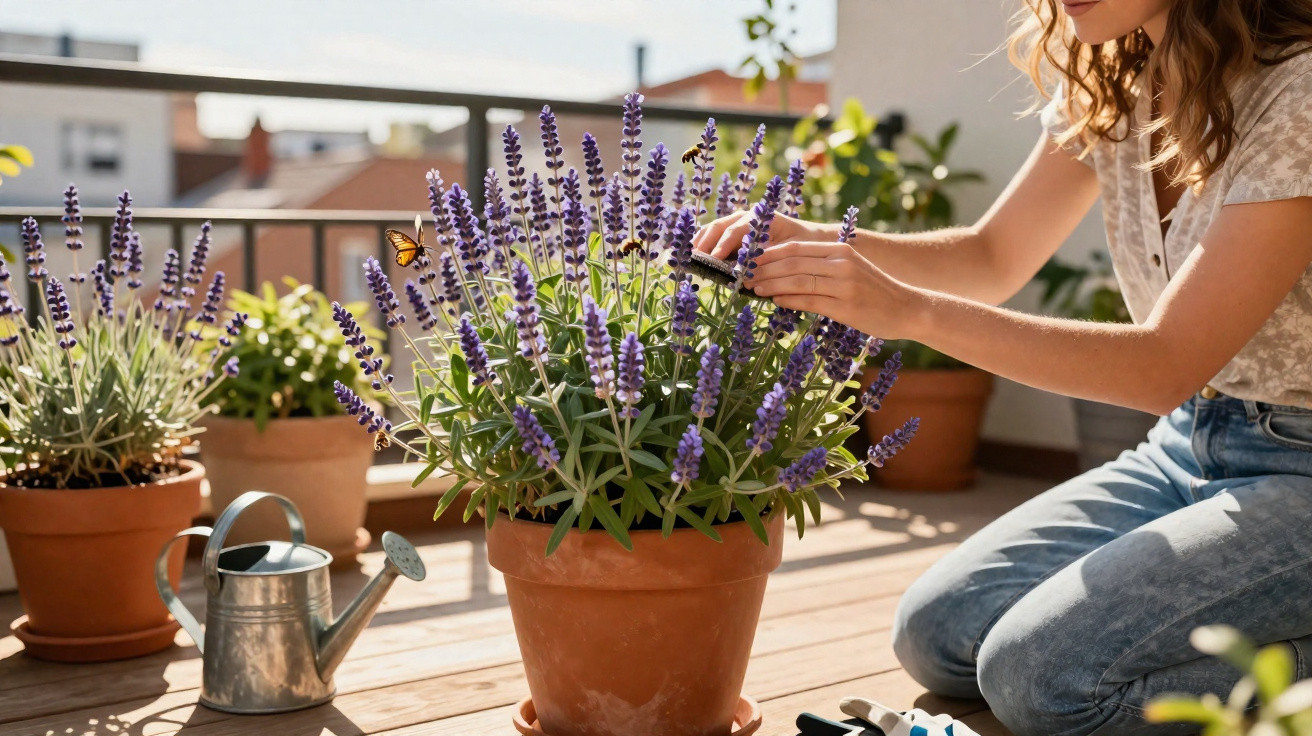
- South-facing balcony: several pots of Nigella paired with low lavender create a Mediterranean-style look.
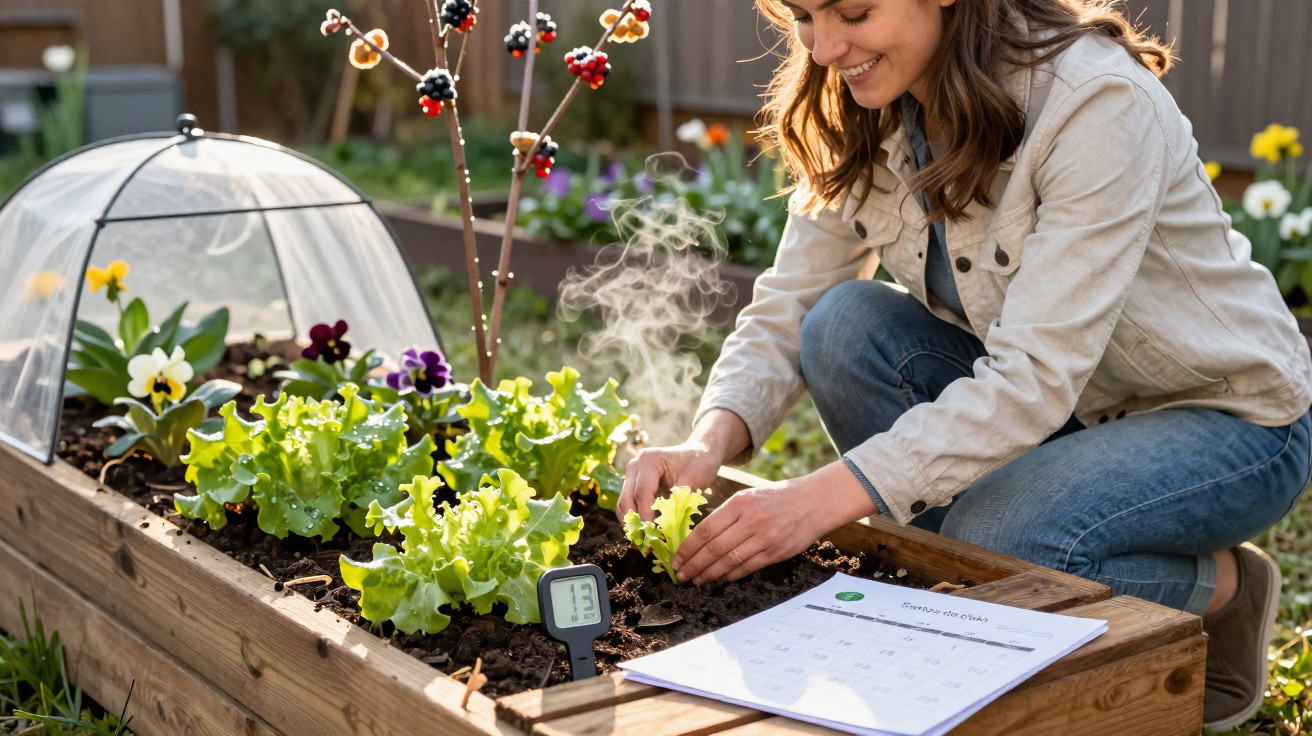
- Vegetable patch: a slim line of Nigella between rows of lettuce or peas adds colour and brings in more insects.
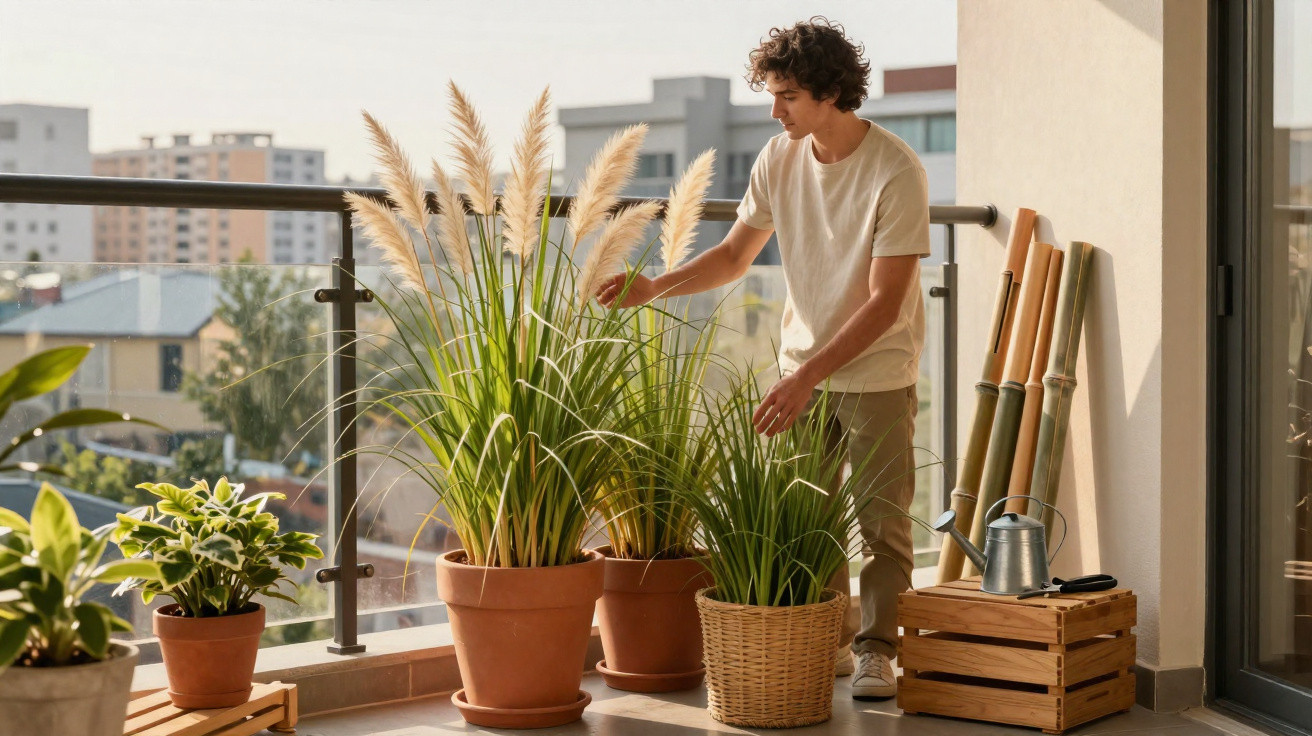
- Rented home with just two pots: one pot for herbs and one for Nigella is enough to stop a balcony looking bare.
If you have children, the airy foliage and later the rounded seed pods are a great way to talk about plants, seeds and growth cycles in a hands-on way. It looks delicate, yet it is surprisingly tough-making it a rewarding “test subject” for small gardening hands.
What to watch out for despite its toughness
Even this flower has limits. In heavy, wet soils it grows far less well; adding sand or fine grit helps improve drainage. In deep, permanent shade it stays shorter and produces fewer flowers.
One more consideration: if you live somewhere very windy-an exposed site or a top-floor balcony, for example-give Nigella a little shelter. The stems are sturdier than they appear, but long spells of strong wind can sometimes knock them over. A spot near a wall or behind taller plants is usually enough as a windbreak.
For people with pollen allergies, Nigella is generally not a major issue because it tends to be relatively low-impact. Those who are very sensitive may still prefer to test new plants at a slight distance before placing them right on an outdoor table.
All in all, Nigella is a generous choice for anyone who wants a lot from a single packet of seed: little work, strong visual impact, and useful in borders, pots and the vase. If you sow in spring, you have a good chance of spending summer sitting behind a soft veil of flowers-whether in a small terraced-house garden or on a compact city balcony.
Comments
No comments yet. Be the first to comment!
Leave a Comment