
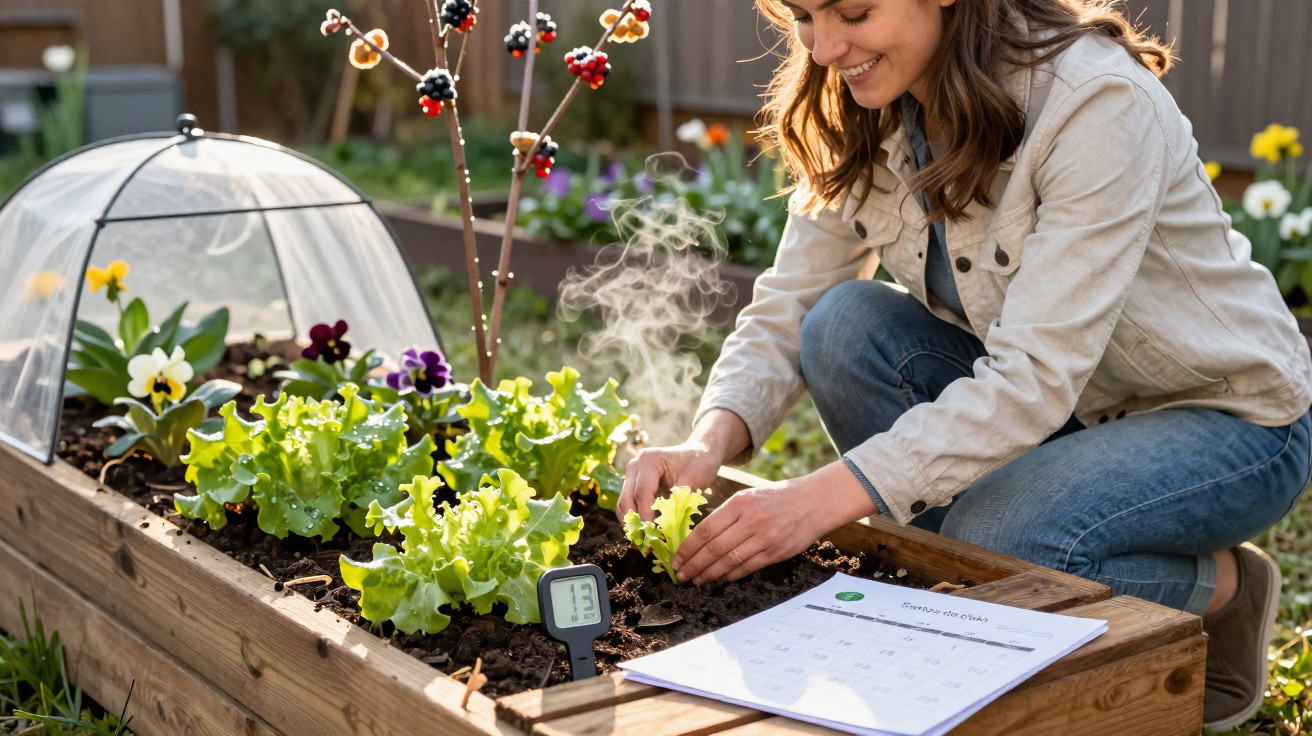
The thermometer says “spring”, garden centres are overflowing with plants - yet plenty of borders are still bare. The reason is the fear of night-time frost around the so-called Ice Saints. If you cling rigidly to those dates, you often only get going when others are already harvesting. With the right plant choices and a bit of protection, you can comfortably bring planting forward by several weeks.
What the Ice Saints are really about
The Ice Saints trace back to three feast days in May: 11, 12 and 13 May. Traditionally, these dates were seen as the last spell of the year when the risk of night frost is higher. In the north, at higher altitudes and in frost pockets where cold air settles, it can still turn sharply cold.
Modern weather records show that late frosts can still happen, but they do not affect every area equally. If you plan by a fixed calendar rather than what the weather is actually doing, you give away valuable weeks.
"The real key isn’t the date, but the combination of plant choice, soil and careful observation of your own microclimate."
Staying relaxed about late frost - if the plants are right
Late frosts occur when clear nights draw heat out of the soil even though the days are already mild. Freshly sprouting young plants and overly wet soils are especially vulnerable. Many tougher species, however, cope well with light sub-zero temperatures - particularly when the soil is well drained and not waterlogged.
- Choose frost-tolerant species
- Keep the soil open and free-draining
- Watch the forecast and keep an eye on soil temperature
- Have emergency protection ready (fleece, buckets, crates)
Using this approach, you can begin as early as March instead of waiting until mid-May.
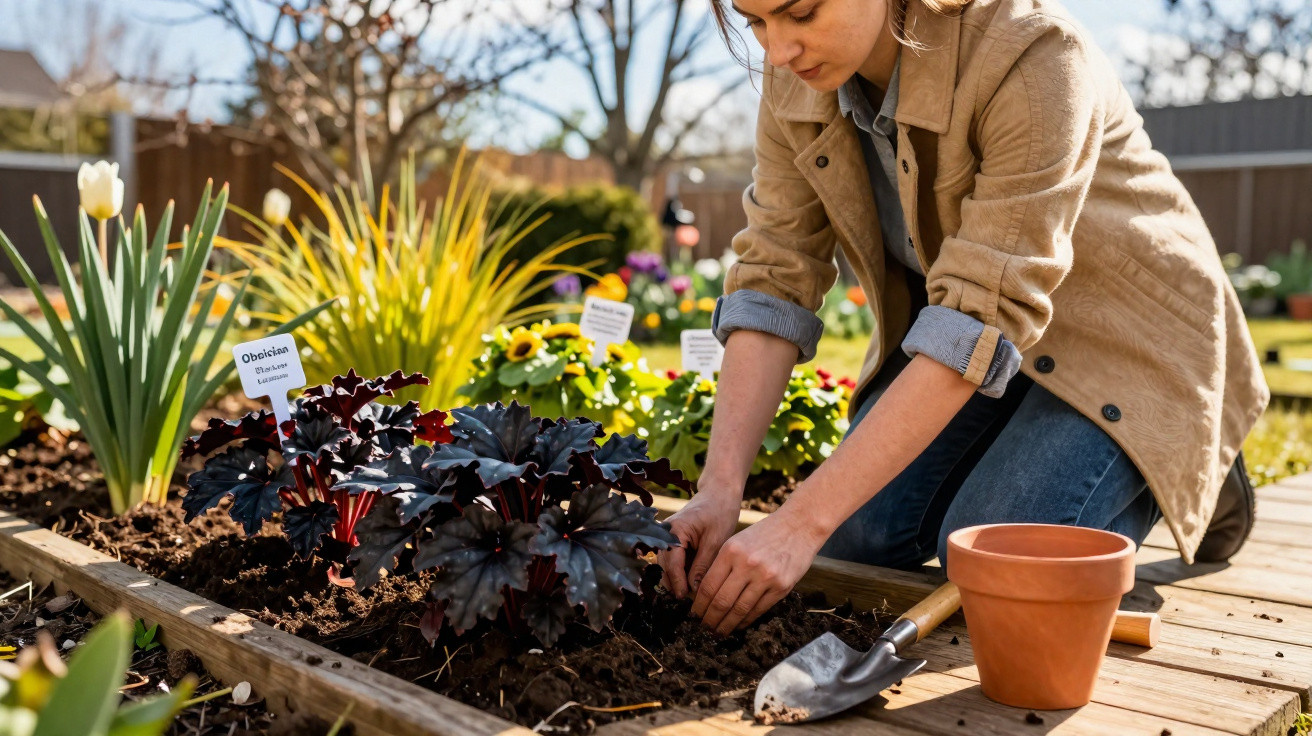
Flowers you can plant out before the Ice Saints
A lot of ornamental plants relish cool spring air and are far more resilient than their delicate look suggests.
Early bloomers and perennials with cold tolerance
Among the most reliable classics are:
- Pansies and horned violets: cope with hard frost well below 0°C, and keep flowering even when there’s morning hoar frost on the petals.
- Primroses: thrive in cool conditions and don’t collapse with a light frost.
- Ranunculus and scented pinks: add structure to border edges and containers early in the year.
- Japanese anemones and asters: benefit from being planted earlier so they can build strong clumps by late summer.
- Hellebores (Christmas and Lenten roses) and heather: visually extend winter and bridge the gap until summer bedding takes over.
- Hardy geraniums: considered extremely frost-hardy and ideal for early planting.
- Many roses: can go in as early as March, provided the ground isn’t frozen and there’s no risk of waterlogging.
"If you plant hardy perennials and flowers in March, you’re entering the real season with a garden that’s already half-established - instead of starting from scratch in May."
Fruit trees and berry bushes: plant early, harvest better
In the fruit garden, getting started sooner pays off. Trees and shrubs need time to put down roots. The earlier they’re in the still-moist soil, the more securely they cope through summer.
These fruiting shrubs and trees suit an early start
- Apple, pear, cherry: plant from March onwards as long as the soil can be worked. Natural spring moisture supports establishment.
- Berry bushes such as raspberries, currants, gooseberries and blackberries: very frost-hardy, making them ideal for planting before the Ice Saints.
Warmth-loving species need a little more care:
- Peach and apricot: it’s not usually the trees themselves, but their early blossoms that are frost-sensitive. Choose a sheltered spot and, if frost is forecast, cover them overnight with fleece or plastic.
A common mistake is planting trees in May into bone-dry ground. They often break into growth late and weakly. Planting in March makes use of the winter’s remaining moisture.
Vegetable beds: these crops actually want the cold
In the veg patch, waiting until after the Ice Saints is a reliable way to lose harvest time. Some staples even germinate better with cool conditions.
Vegetables that don’t flinch at low temperatures
| Vegetable | Start outdoors | Special note |
|---|---|---|
| Peas, broad beans | from February/March | germinate better in cool soil than in heat |
| Carrots, radishes | from March | prefer fresh and cool over hot and dry |
| Spinach, lamb’s lettuce | spring and autumn | bolt quickly into flower in high heat |
| Early summer cabbage lettuce | from March | likes mild temperatures and tolerates light frost |
| Onions, shallots, garlic | from February/March | don’t need warm soil and benefit from moisture |
| Early potatoes | from mid-March | tubers are protected in the soil; earth up shoots if frost threatens |
"If you sow peas, spinach and plant the first potatoes early, you’re often eating while your neighbours are only just sowing."
Aromatic herbs: almost all can go out early
Herb beds can be productive sooner than many people assume. Most Mediterranean herbs may come from warmer regions, but they’re surprisingly tough in UK gardens.
- Parsley, chives, mint: can go outdoors from March without fuss.
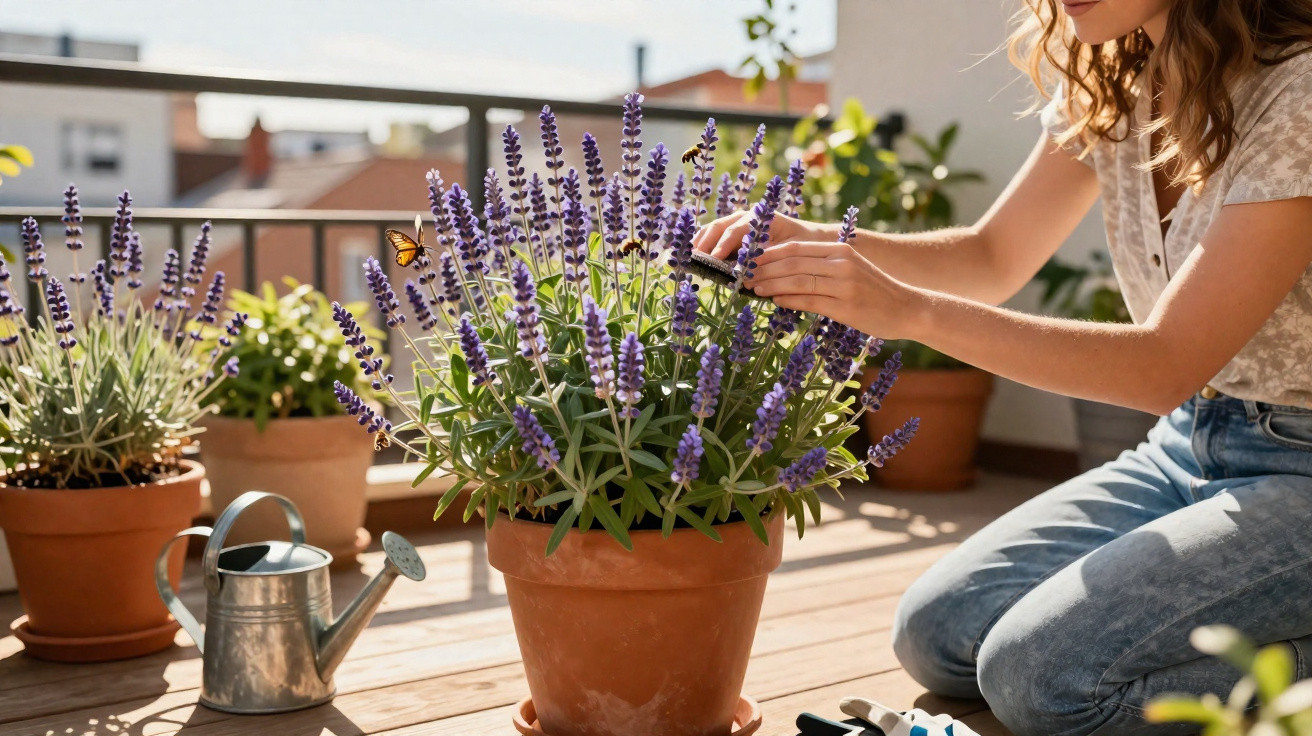
- Rosemary, sage, oregano, thyme: winter-hardy in most areas and fine to plant early, as long as the soil isn’t waterlogged.
- Coriander: prefers the cooler months and quickly bolts in summer heat.
One clear exception is basil. This warmth-lover should stay indoors or in a greenhouse until nights are consistently mild. Individual plants can be raised in pots indoors at any time and moved outside later.
What really should wait until after the Ice Saints
There’s a reason the Ice Saints still have such a strong reputation: some heavy-feeding veg take frost personally. Even temperatures just above 0°C can cause growth to stall or lead to damage.
Frost-sensitive favourites for later
- Tomatoes
- Peppers and chillies
- Aubergines
- Courgettes and pumpkins
- Melons and watermelons
These are best kept in a warm house, polytunnel or greenhouse until the danger of night frost has largely passed. If you’re impatient, you can try thick fleece, plastic tunnels and mini greenhouses. That can make late-April planting possible - as long as the protection is reliably closed at night.
Practical protection tricks for cold nights
If you want to start early without worrying about every cold snap, straightforward household fixes help:
- Lay horticultural fleece or old bed sheets over sensitive beds
- Place buckets, crates or terracotta pots over individual plants overnight
- Add a mulch layer of straw or leaves to keep the soil slightly warmer
- Make beds slightly raised so cold air can drain away
A weather app with frost alerts on your phone is more useful than any old rule of thumb. If you react quickly to forecast cold spells, you can prevent most damage.
Why your local microclimate matters more than any date
Gardens vary hugely: a sheltered terraced-house plot in the city behaves very differently from an exposed rural site. Walls store heat, fences and masonry reduce wind, and trees create shade - all of which changes the real frost risk.
A practical method is to plant a small test area earlier and watch how it performs. Over time, you’ll build a feel for how “bold” you can be in your specific spot. Especially in urban areas, experience often shows that strictly waiting until after the Ice Saints is unnecessary.
When you understand these factors, the weeks before mid-May become a genuine advantage. The garden gets going earlier, harvests start sooner, and the risk stays manageable with a few targeted protective steps. Instead of fearing the calendar, you work with the real conditions outside your own front door - and get far more out of the season.
Comments
No comments yet. Be the first to comment!
Leave a Comment