
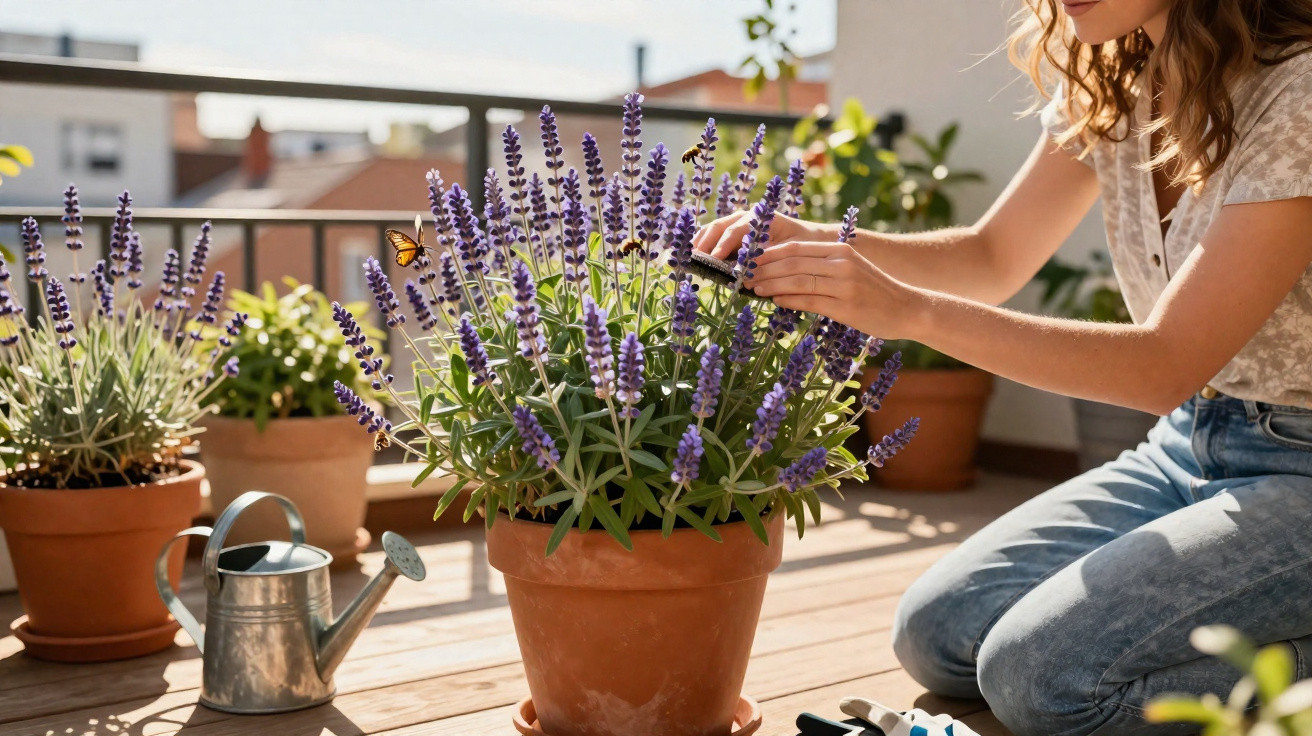
When you replant your balcony or garden in spring, it’s easy to reach for lavender on autopilot. A touch of the Mediterranean, a lovely fragrance, job done - or so the thinking goes. Yet, quietly waiting in the wings is a perennial that is genuinely tougher, flowers for longer and sends wild bees into a frenzy: Nepeta, often called catmint. It looks refined, smells strongly aromatic and forgives almost any mistake.
The quiet heir to the throne: why Nepeta does more than lavender
A scent you notice just by brushing past
Nepeta × faassenii - the botanical name of the best-known, most widely planted type - can seem modest at first glance. Grey-green foliage, fine stems: nothing dramatic, you might assume. But run your hand lightly through the leaves and it becomes obvious straight away: this perennial is in the top league when it comes to fragrance.
"From the slightly hairy foliage rise aromatic notes that recall mint, herbs and a delicate, gently spicy freshness."
Unlike lavender, Nepeta doesn’t need scorching heat before it starts to perfume the air. Even on mild spring evenings, a pleasant aroma hangs over beds and balconies. That makes it a brilliant choice beside seating areas, along terrace edges or next to paths: simply graze it as you walk past and it instantly smells like summer.
A magnet for bees, bumblebees and butterflies
This plant’s biggest ace is simple: it provides pollinators with a near-continuous buffet. While many flowers fade quickly and then take a long break, Nepeta keeps producing fresh blooms again and again.
Bees, bumblebees and butterflies head straight for the blue-to-violet flower spikes. If you’re aiming for a natural, insect-friendly garden, it’s hard to ignore this one.
- Bees use the dense flower clusters as a dependable nectar source.
- Bumblebees visit even when the weather is cooler.
- Butterflies find abundant food for months on end.
If you garden without chemicals and want your outdoor space to feel alive, Nepeta belongs right at the front - quite literally, because it looks particularly good along the edge of a border.
Heatwaves, frost, drought: this perennial copes with almost anything
Hardy through double-digit sub-zero temperatures
A tough winter can finish off many lavender plants, especially in heavy, wet soils. Nepeta is noticeably sturdier. It’s regarded as very hardy and can handle cold down to around -20 °C without any trouble.
Even if the top growth dies back completely and the plant looks unremarkable in winter, the roots sit safely in the ground. As soon as temperatures lift in spring, it pushes out strong new growth - no fleece covers and no complicated fuss required.
A drought specialist for hot summers
Its drought tolerance is just as impressive. Once Nepeta is properly established, it manages on surprisingly little water. The fine, slightly downy leaves reduce moisture loss, helping the plant stay remarkably fresh even in high heat.
"Nepeta is the ideal perennial for anyone who tends to forget watering - or who simply isn’t allowed to water that much due to shortages."
It performs at its best in sunny, fairly lean conditions. Waterlogged soil is the one thing it really dislikes, but dry spells are rarely an issue. That makes it a smart pick for south-facing balconies, urban front gardens and beds with stony or gravelly ground.
A flower display from April to October
Up to seven months of flowering
A common frustration in the garden is the plant you love most flowering for two or three weeks - then leaving the bed looking flat for the rest of the year. Nepeta plays in a different league. From roughly April well into late October, it keeps sending up new flower stems.
There’s also a simple way to extend the show even further: cut the plants back firmly once in mid-summer, and a fresh second flush follows not long after. A basic hedge trimmer or pair of secateurs is more than enough.
- First flush: from spring, depending on your area from April/May
- Cut back: around July after the main flowering
- Second flush: through autumn, often up to the first frost
Colour for borders, paths and balcony pots
Visually, Nepeta’s airy clouds of blue-to-violet flowers bring a hint of Mediterranean landscapes. Different varieties vary slightly in shade and habit, with colours ranging from soft blue to a richer violet-blue.
It’s particularly effective:
- as a soft edging along garden paths,
- in front of roses, herbaceous peonies or ornamental grasses,
- in large pots on sunny balconies,
- as a “carpet” around taller perennials or small shrubs.
Its gently arching, bushy shape makes border edges look relaxed rather than rigid. In modern gravel gardens, it adds lightness without sacrificing the low-maintenance feel.
Planting time and position: how to get Nepeta off to the best start
Why the end of March is the ideal moment
The best time to plant is early spring, as soon as the ground is no longer frozen and begins to warm. Late March to April is especially suitable: the risk of severe frost drops, while there’s still plenty of time for roots to establish before the first hot days.
Young plants bought from a nursery, garden centre or DIY shop can then go straight into their final spot - in beds, borders or large containers.
Step by step: planting made easy
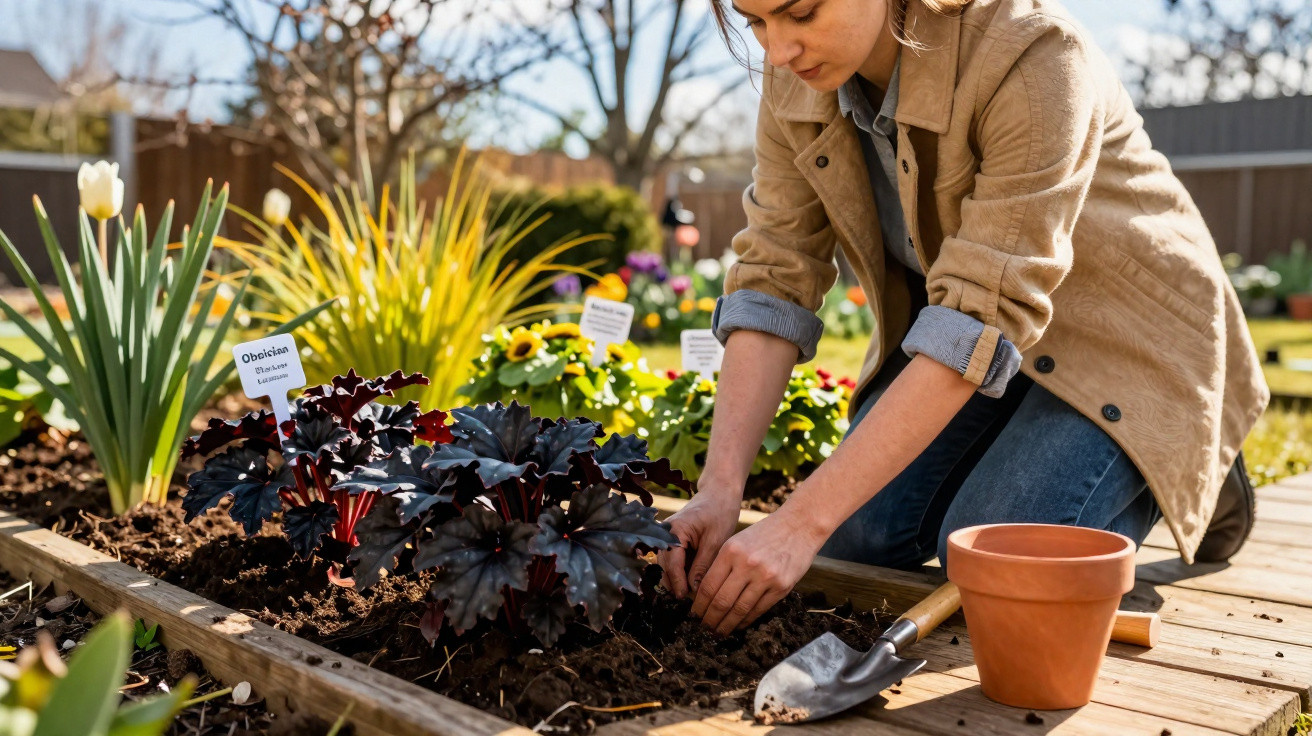
Planting is straightforward; you don’t need to be a professional gardener. If you stick to these basics, the plant will reward you for years:
- Choose the site: as sunny as possible; light partial shade can work too.
- Prepare the soil: free-draining and fairly lean; if the ground is heavy, work in sand or fine gravel.
- Dig the hole: roughly twice the size of the root ball.
- Set the plant: loosen the root ball slightly, place it, backfill with garden soil plus a little compost, then firm in.
- Water in: give it a thorough soak so the soil settles closely around the roots.
Afterwards, established plants usually only need occasional watering during prolonged dry periods. Feeding is rarely necessary - overly rich soils tend to produce soft, floppy growth.
Little work, big impact: using Nepeta effectively in the garden
Suppress weeds, reduce maintenance, save your back
Nepeta grows thickly and spreads to form a dense cover. As a result, it naturally smothers many unwanted weeds. Planting several together in groups helps to fill bare patches and edge borders neatly.
"The denser Nepeta grows, the fewer weeds germinate - saving time, frayed nerves and backache from weeding."
That makes chemical weedkillers unnecessary. It’s a clear advantage for households with children or pets, and for anyone who wants to keep their garden as toxin-free as possible.
Pairings that really stand out in a border
Nepeta is especially striking when combined with other sun lovers. A few practical options:
- Roses and Nepeta: a classic pairing that looks elegant and draws in bees.
- Ornamental grasses: airy stems rising above a carpet of blue flowers - perfect for contemporary gardens.
- Perennial salvia, coneflower, coreopsis: a colourful, pollinator-friendly mix.
- In pots with thyme or oregano: a Mediterranean feel, low effort, and plenty of scent.
If you’re looking to replace unreliable lavender plantings, Nepeta can go straight into the same beds. On heavy, clay soils it’s far more dependable - as long as drainage is right.
Added value for the climate, city balconies and nature
Why this plant suits the times
Hotter summers, water shortages and declining insect numbers are affecting home gardeners too. Plants that demand lots of water, fertiliser and winter protection fit less and less with everyday reality. Nepeta offers the opposite: long flowering, minimal care and real support for pollinators.
On city balconies in particular, it can help create a small oasis. A sunny south-facing balcony with a few Nepeta pots, plus an insect hotel and a shallow bowl of water, can bring noticeably more life to the whole courtyard.
For beginners, this perennial is a gift: it forgives mistakes, grows quickly and gives clear visual feedback when something’s wrong (soil too wet, position too shady). That makes it easier to learn what your own site needs, step by step, without everything failing at once.
If you want a robust, fragrant and insect-friendly alternative to more delicate classics, it’s worth giving this “new old” perennial a place. In many gardens it may well become the quiet star of the next season - and the bees have already chosen their favourite.
Comments
No comments yet. Be the first to comment!
Leave a Comment