
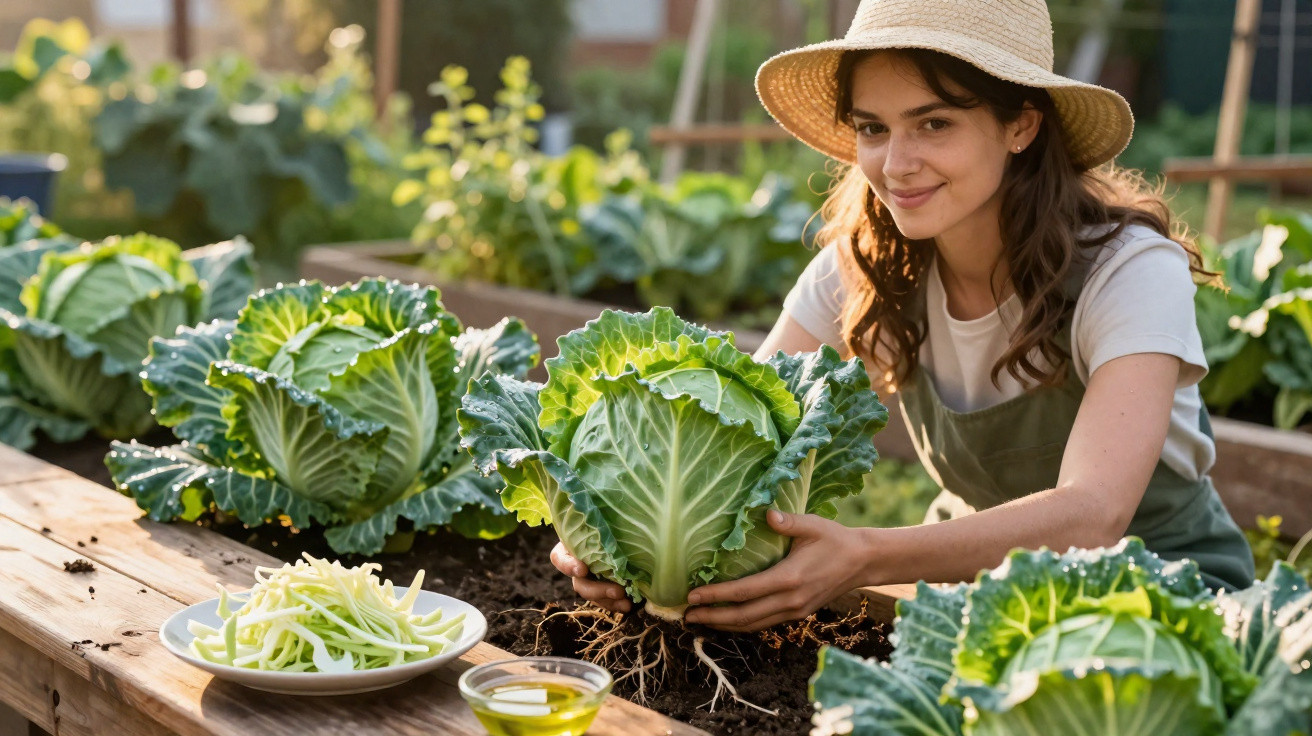
A lightning-quick Asian favourite can change everything.
Anyone who’s prepping beds, sorting seeds and daydreaming about the first fresh green leaves is usually asking the same thing: what will get food on the plate as fast as possible? Alongside lettuce, radishes and spinach, there’s one contender that outpaces almost everything-a leafy vegetable from East Asia that surprises even impatient gardeners and still fits on the smallest city balcony.
The sprinter in the bed: what makes this cabbage so special
Pak Choi – the Asian cabbage with turbo growth
We’re talking about Pak Choi, often sold in the UK as Chinese leaf cabbage. It sits in the brassica (cruciferous) family alongside white cabbage and broccoli, but looks noticeably more refined, with white, juicy stems and dark green leaves. Most importantly, it grows at a speed that hardly seems possible for a cabbage.
As soon as the soil has warmed a little in spring, Pak Choi gets moving. Rather than crawling along for months, it can fill a bed within a few weeks. That makes it ideal for anyone who wants quick, visible results-whether in a traditional veg patch, a raised bed, or a planter on the patio.
“Pak Choi is the ideal cabbage for the impatient: from sowing to frying pan often takes only around four to seven weeks.”
Why Pak Choi is especially worth growing right now
Pak Choi brings several advantages at once:
- Compact habit: it needs far less space than classic heading cabbages.
- Short growing time: the ground becomes free again quickly for other crops.
- No specialist knowledge required: with a few basics, beginners can grow it successfully.
- High yield per square metre: sown closely, it produces lots of crisp leaves.
- Versatile in the kitchen: raw, in a wok or quickly fried-anything goes.
If you’re trying to cut your food shopping bill, this Asian vegetable is a genuine ally: you can produce a surprising amount of fresh green leaves from a small area-almost like an edible rapid-delivery service right outside your door.
How to prepare the bed for this fast starter
The right spot: outdoors or better protected?
In early spring, location matters. If nights are still cool, a sheltered sowing is a smart move:
- Under polythene, in a cold frame or beneath horticultural fleece: it stays a few degrees warmer and plants get going sooner.
- Later in spring: direct sowing into the bed is ideal once hard frosts are no longer a risk.
Pak Choi likes bright conditions, but not relentless scorching heat. A lightly shaded site-or a spot that gets full sun for only part of the day-reduces stress and helps prevent it bolting too quickly.
What the perfect soil mix for Pak Choi looks like
For truly rapid progress, this crop needs rich, loose soil. If you want to avoid chemical fertilisers, simple organic additions work well. A proven basic recipe per 1 square metre of bed area:
- Work in about two spadefuls of well-rotted compost thoroughly
- Add a small handful of horn shavings or horn meal as a nitrogen-rich, slow-release source
- Finish with a thin top layer of loose compost or multi-purpose compost
This mix provides what young Pak Choi needs to form strong, juicy leaves. From day one, roots meet good conditions and branch quickly.
From seed to harvestable plant in record time
Sowing: how close, how deep, how fast
The seeds only need shallow coverage. A drill about 1 centimetre deep is plenty. If you sow with 25 to 30 centimetres between rows, you can later leave some plants to grow on while cutting early baby leaves from the gaps.
A practical approach:
- Make rows and water lightly
- Sprinkle seeds thinly-neither packed solid nor placed one by one
- Cover with a fine layer of soil, firm gently and moisten again
With suitable temperatures, germination usually happens within a few days. After that: keep moisture steady, avoid waterlogging, and never let the soil dry out completely.
Watering properly: juicy stems without stress
Pak Choi is thirsty. Dry spells don’t just make stems tough and bitter; they also encourage plants to bolt. Then the energy shifts into flower stalks rather than leaves.
“The soil should always feel fresh and cool-not soaking wet, not dust-dry.”
Using mulch can save lots of trips with the watering can. Particularly suitable options include:
- Dried grass clippings applied in thin layers
- Straw or chopped straw
- Shredded leaves that have been allowed to wilt slightly
Mulch reduces evaporation, keeps the soil open, and gradually feeds soil life over time.
Natural protection from pests and hungry visitors
How to keep flea beetles and the rest at bay
Pak Choi’s tender leaves are an easy meal for small leaf beetles (often called flea beetles) and for slugs. If you’d rather avoid sprays, rely on physical barriers:
- Fine mesh vegetable netting: place over the bed or planter straight after sowing and secure well around the edges.
- Against slugs: apply bands of wood ash or crushed eggshells around the plants-they create an unpleasant surface.
- Regular checks: especially in the morning, slugs are easy to pick off.
If you have the space, leaving a few wild plants or flowering species nearby can also help. They attract beneficial insects that keep pest pressure down over the long term.
Harvest after just 30 to 50 days: how to get it right
The best time for crisp leaves
Depending on the weather and the variety, Pak Choi can be ready as baby leaf after about 30 days. At that stage the leaves are especially tender and delicate. If you wait until roughly day 50, you’ll get sturdier heads with thick, crunchy stems.
| Age of the plants | Use |
|---|---|
| Approx. 30 days | Young leaves for salads, smoothies, garnish |
| 40–50 days | Whole plants for wok, frying pan or soup |
A handy trick: sow in stages and you’ll have baby leaves first and full heads later-without having to harvest everything on a single day.
The right cutting technique for a fresh second flush
Rather than pulling plants out, a clean cut is often worth it. Use a sharp knife to cut the base just above soil level. If the heart remains intact, some plants will shoot again and provide a smaller second harvest.
The best time to pick is early morning. Then the stems are full of water, the leaves are firm, and the cabbage stays fresh in the fridge for noticeably longer.
From soil straight into the frying pan: kitchen ideas
How Pak Choi tastes best
Freshly picked, Pak Choi shows its full character-mild, slightly nutty, with a hint of mustard. The flavour sits somewhere between spinach and young kohlrabi, without the heaviness some traditional cabbages can have.
Popular ways to use it:
- In a wok with garlic, ginger and a splash of soy sauce
- Quickly tossed in a frying pan as a side for rice or noodles
- Sliced into strips and eaten raw in salads, mixed with carrots and spring onions
- In soups or ramen, added right at the end so it stays crisp
Because the stems take longer to cook than the leaves, one small trick helps: start by frying the chopped stems first, then add the leaves after 1 to 2 minutes.
Plan smart: benefit from this Asian vegetable all year
Succession sowing instead of one big attempt
If you sow the whole seed packet in one go, you’ll get a harvest surge soon after that can be hard to keep up with. Much more practical is succession sowing: sow a small amount every two weeks, from spring through to late summer.
In midsummer, choose a more shaded position so plants don’t rush into flower. From late summer onwards, Pak Choi comes into its own again as tomatoes, courgettes and beans start to fade. It fills gaps as beds empty and keeps the plot productive.
What to know about nutrition and how well it suits you
Like many brassicas, Pak Choi contains mustard oils that create its distinctive taste. In moderate amounts, these compounds are often considered beneficial because they stimulate metabolism. If you’re sensitive to cabbages, it’s best to begin with small portions and see how well you tolerate it.
At the same time, this leafy cabbage provides plenty of vitamins, minerals and other plant compounds. Vitamin C, folate, potassium and calcium are particularly valuable. Sliced thinly and eaten raw in salads, many of these nutrients are largely retained; lightly steamed, it’s often gentler on the stomach.
If you want to use your bed space efficiently, take a little pressure off the weekly shop and try something new in the kitchen, this fast Asian grower is a strong choice. A few seeds and a little care-and just a few weeks later you’ll be eating surprisingly versatile, crunchy greens.

Comments
No comments yet. Be the first to comment!
Leave a Comment