
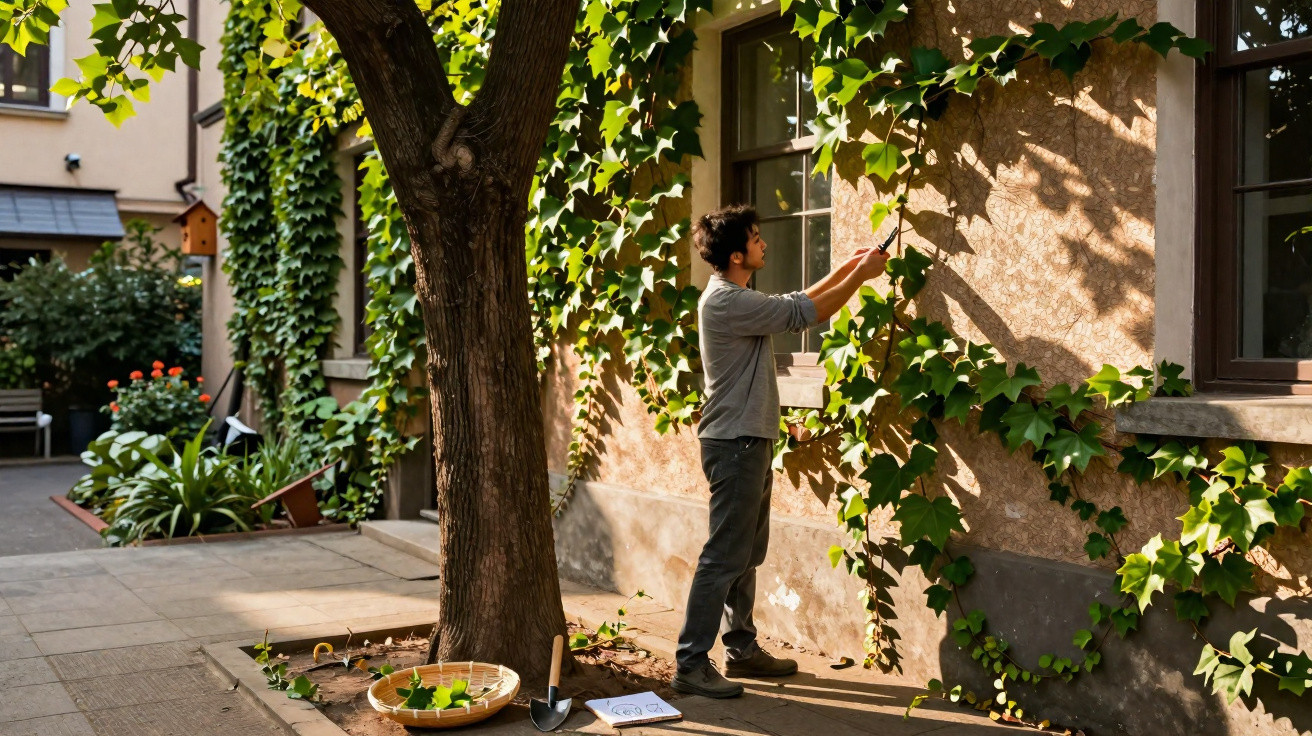
Behind its glossy leaves lies more than a desire to climb – along with a few surprises.
Anyone who likes a tidy garden may be quick to reach for the shears. Experts now advise taking a closer look at the tree, wall and growth before doing so.
What lies behind the climber
Ivy (Hedera helix) does not draw sap from a tree; it is rooted in the ground. Its soil roots reliably supply the plant with water and nutrients, while its adhesive roots serve only as anchors on trunks and walls. It uses these surfaces without actively harming its host.
“Ivy is not a parasite; it climbs. Its adhesive roots do not bore into wood, but attach to the surface.”
A robust tree will not normally lose vitality because of ivy. Competition for water is limited because the two plants use different soil layers. Ivy foliage remains on the stems throughout the year, altering the microclimate around the trunk.
When ivy benefits trees
Its covering of leaves cushions the effects of heat, frost and hail. This layer reduces moisture loss from the trunk and shields the bark during periods of intense heat. Birds nest among the shoots, where they can shelter from predators. Spiders, beetles and caterpillars also use the structure as a habitat.
- Evergreen growth provides small mammals with places to shelter over winter.
- A dense ground covering slows erosion on slopes.
- Mulch made from ivy leaves retains moisture around the roots for longer.
Ivy flowers late in the year. Pollinators such as flies, wasps and bees collect nectar in autumn, when many other plants have already finished flowering. Its berries ripen in winter, providing food for blackbirds and thrushes.
The downside for trees
Weak, already damaged or very young trees are more likely to encounter problems with ivy. Dense foliage deprives the lower parts of the crown of light. Damaged areas of bark can remain hidden for longer, while wet stems and leaves add weight within the crown.
During storms, the additional leaf mass increases wind resistance. Fruit trees are more sensitive because their crowns and trunks are often relatively slender. In the first year after planting, ivy competes for light at the base of newly planted trees.
“Anyone leaving ivy on a tree should stop it below the upper third of the crown and inspect annually for dead wood, cracks and leaning.”
Facades beneath a green cloak
On sound masonry with intact pointing, ivy is remarkably gentle. Its adhesive roots anchor themselves at the surface and do not pull away healthy mineral render. The layer of foliage slows driving rain before it reaches the wall. It keeps the surface cooler in summer and slightly reduces heat loss in winter.
The leaves capture dust and fine particulate matter, improving the air immediately around the building. The green covering also moderates temperature extremes on the outside wall. Ivy shades windows only where shoots are allowed to grow unchecked.
When walls suffer
Damaged pointing, flaking render and fine cracks give ivy a way in. Adhesive roots can penetrate soft material, enlarging defects under the effects of moisture and wind. Around eaves and gutters, stems can easily trap building components. Blocked gutters then direct rainwater on to the facade.
| Facade condition | Risk from ivy | Recommended action |
|---|---|---|
| Intact, with no cracks | Low | Allow growth, inspect twice a year |
| Soft pointing, hairline cracks | Medium | Cut back ivy, repair pointing, then retrain it |
| Severely damaged | High | Remove ivy, repair the masonry, and allow growth only with a stand-off support system |
How to manage ivy properly
Management starts with an assessment of what is already there. Check whether the tree is stable and inspect its bark, crown and root flare. On walls, examine the pointing, render, and the junctions around windows, gutters and downpipes.
“Prune outside the main nesting season from March to August, and work in sections to protect nests.”
For a tree, make a separating cut through all main stems around the trunk at a height of about 30 to 50 centimetres. Remove a 20-centimetre-wide section completely so that no bridge remains. Let the upper stems die back, then carefully ease them away from the trunk a few months later.
On a facade, regularly shorten shoots around windows, roof edges and gutters. Keep them at least 30 centimetres away from openings and reveals. If you want to define their routes, train the plant along tensioned wires or trellises.
- Maintenance interval: Prune every two to three years on healthy trees, and annually on young or weak trees.
- Tools: Use sharp hand secateurs for shoots, a folding saw for woody stems, and a blunt scraper to release growth from walls.
- Safety: Wear gloves, ensure secure footing, never reach into nests, and dispose of cuttings separately.
How to decide whether to leave ivy or hold it back
A vigorous, upright tree with strong branches can tolerate ivy on its trunk. A leaning trunk, cracks in the bark or conspicuous dead wood call for reduction. Fruit trees benefit from light in their crowns and remain more stable without ivy.
For facades, a dry and crack-free surface is a good case for planting. Crumbling pointing, damp patches or loose pieces of render require repair first. On historic facades with soft mortars, a stand-off climbing support is the better option.
“Rule of thumb: Intact structures can turn green; weakened structures need repair before they are covered.”
Practical guide: removing ivy gently
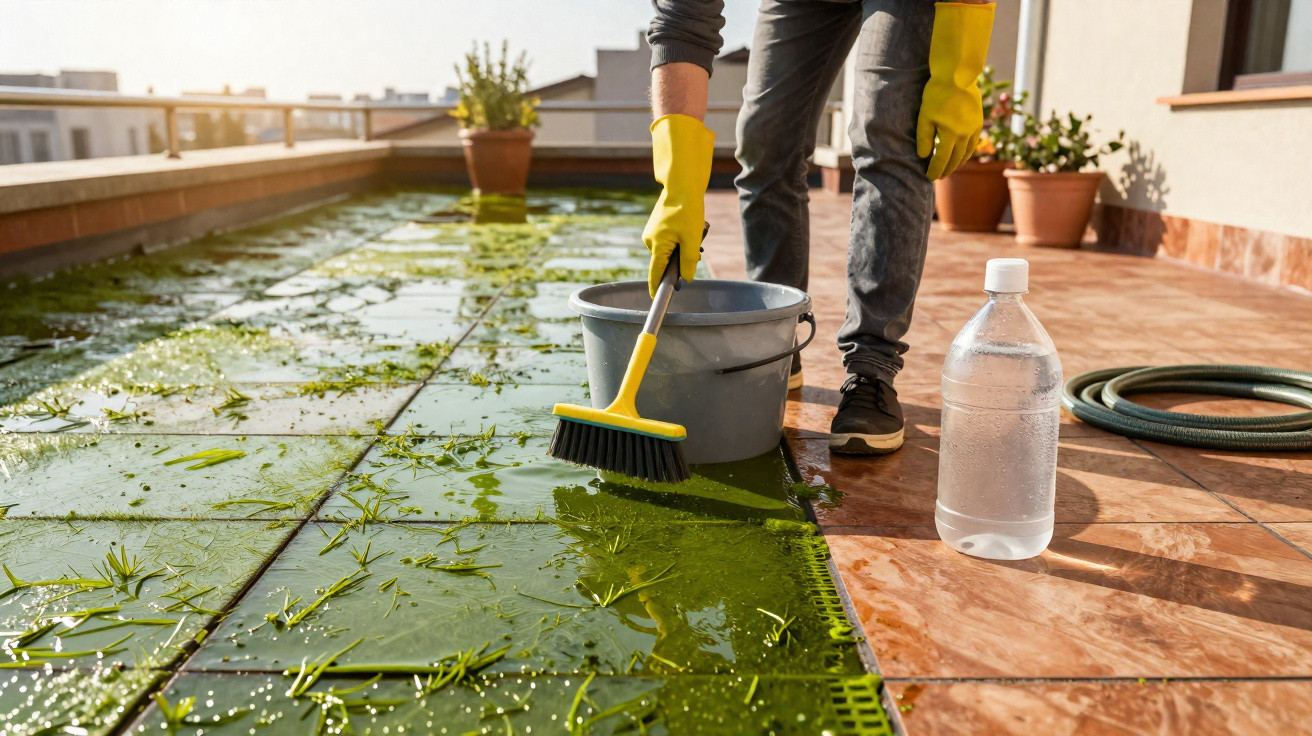
Do not pull adhesive roots straight off walls while they are fresh, as the remnants will otherwise stick more firmly. Dampen the surface, wait, then brush it with a medium-stiff brush. Avoid pressure washing old render, as water entering capillaries can cause damage.
On a tree, a clean ring cut cuts off the supply to every stem. Carefully loosen dead sections to avoid stripping the bark. Large trunks can tolerate remaining growth, provided the stems do not climb high into the crown.
Added value for gardens and cities
Ivy measurably filters particles and noticeably cools facades on hot days. Greened surfaces support the microclimate in densely built-up streets. Residents clearly notice the visual cooling in summer when the sun does not heat the wall directly.
Where children or pets are present, do not allow the berries to grow within reach. The fruits are poisonous to people and many domestic animals. Plant sap can cause skin reactions in sensitive people, so gloves remain advisable.
A brief look at the yearly cycle helps with planning maintenance. Ivy generally flowers from September to October, offering food to insects late in the season. The best time to prune is late winter or early autumn, when neither heat nor the nesting season causes disruption.
For greater variety, combine ivy at ground level with native perennials such as ferns, periwinkle or sweet woodruff. This mix covers the soil, retains moisture and creates layers for insects and birds. The result is a garden that remains lively, stable and easy to maintain.
Comments
No comments yet. Be the first to comment!
Leave a Comment