
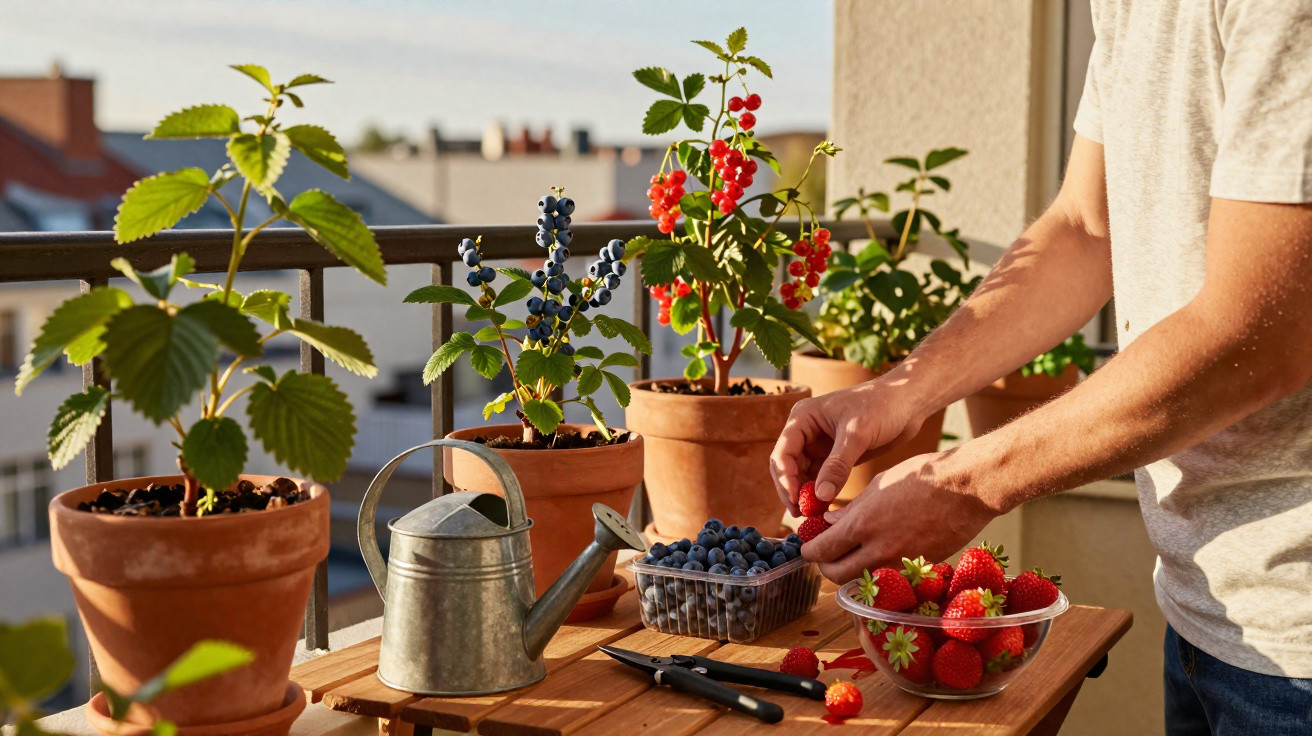
If you don’t have a garden, you still don’t need to miss out on growing your own fruit. Berries, in particular, are ideal for a balcony, terrace or even a windowsill. Some varieties stay naturally compact, crop early and cope surprisingly well in containers - as long as you follow a few straightforward rules.
Why berries grow so well in pots
Many berry plants form shallow root systems and naturally grow as tidy, bushy shrubs. That makes them a great match for pots, planters and raised beds. In a container, you can create conditions that are often harder to achieve in open ground.
"In pots, hobby gardeners can control light, soil, water and nutrients far more precisely - and that pays off in noticeably better harvests."
One major benefit is flexibility: you can move pots to chase the sun. If the midday heat becomes intense, simply shift the container into partial shade. Bilberries such as the blueberry (bilberry) appreciate a sheltered position away from sudden heat spikes, while redcurrants and blackcurrants are often happiest in cooler corners.
At the same time, leaves dry more quickly after rainfall than they do in a densely planted bed. Fungal diseases have a tougher time taking hold because infections can’t spread as easily from one shrub to the next.
The tricky part: watering and drainage
Even with all these advantages, many balcony berry plants fail for one basic reason: watering. They need plenty of moisture, but they cannot tolerate sitting in water. Waterlogging in a pot quickly leads to root rot.
- Choose a pot with large drainage holes
- Create a bottom layer of expanded clay, gravel or broken terracotta
- Add a loose, structure-stable compost mix above
- Water regularly in summer, but don’t let the saucer stay full
If you water in the evening, do it early enough so the compost isn’t soaking wet overnight. In cooler nights especially, roots can suffer quickly if they sit in wet compost for hours.
Strawberries: the easiest start for balcony beginners
For many people, strawberries are as much a part of summer as ice cream and the outdoor pool. In pots, they make the most of that appeal. Allow one plant a container depth of 20–25 cm; around 10 litres of volume is ideal.
A suitable growing mix is:
- 50% high-quality all-purpose compost
- 50% well-rotted compost
Place 3–5 cm of expanded clay underneath as drainage. This keeps air around the roots, lets excess water escape and helps the plants sit firmly.
The right varieties for plenty of fruit
If you’re harvesting on a balcony, you’ll usually want more than a brief two-week season. Ever-bearing varieties crop repeatedly over a longer period. Trailing strawberries in window boxes also produce attractive runners that spill over the edge.
One key point: offshoots (runners) take energy. If you regularly cut back most runners, the plant can put its strength into fruit. At the latest every three years, it’s worth replacing plants with young ones, otherwise yields drop noticeably.
"Strawberries reward consistent care with sweet, sun-warmed fruit you can eat straight from hand to mouth."
In midsummer, a well-established strawberry plant typically needs watering two to four times a week, depending on heat. However, don’t allow a permanent ‘lake’ in the saucer, or the crown and root base may rot.
Dwarf raspberries: big berry harvests in small spaces
Standard raspberry canes can quickly reach 2 metres and spread widely - not ideal for tight balconies. Special dwarf varieties solve that problem. They stay compact, crop generously and grow very well in containers.
A pot depth of 30–40 cm with at least 15 litres capacity works well. The compost can be slightly acidic: a loose blend of garden soil, compost and a little bark humus or ericaceous compost is a strong option.
What matters for pruning and position
Dwarf raspberries enjoy full sun, provided the pot itself doesn’t overheat for long periods. An airy, bright spot reduces fungal pressure and helps the fruit develop a sweeter flavour.
For pruning, the rule is simple: summer-fruiting raspberries crop once on those canes, so the spent canes should be removed completely at the end of winter. Autumn-fruiting or ever-bearing types are usually cut back more firmly so that fresh, vigorous new canes grow for the following season.
"A well-established dwarf raspberry bush in a pot can produce surprising amounts after a few years - up to around one and a half kilos is possible."
Bilberry blueberries: blue vitamin power for containers
Bilberry blueberries (often sold simply as blueberries) are considered a little more demanding, but they’re perfectly manageable in pots. The crucial factor is compost choice: they require distinctly acidic conditions.
Use a specialist ericaceous (bog-garden) compost. A container 30–40 cm deep holding 20–30 litres gives enough root room. Important: always include a reliable drainage layer.
Two plants give a better crop
Blueberries set fruit more successfully when at least two different varieties are growing nearby. Pollination is more dependable and the berries tend to be larger.
Naturally compact varieties are particularly suitable for balconies. They can handle sunshine, but on very hot days they should be protected from harsh afternoon sun. Tap water with a high limescale content can cause problems over time, so rainwater or soft tap water is the better choice.
"Those who are patient are rewarded: from the second or third year, the containers can be laden with blue berries in summer."
Redcurrants and blackcurrants: shade-tolerant classics
For balconies with less sun, redcurrants (red or white) and blackcurrants are excellent choices. They cope well in partial shade and still crop reliably.
A sturdy container 30–50 cm in diameter with a 20–30 litre capacity is recommended. A mix of loose all-purpose compost and compost provides both nutrients and structure. A mulch layer of bark chips or grass clippings helps retain moisture and shields roots from heat.
More airflow, fewer diseases
Pruning is mainly about improving light and air through the shrub. Once a year - ideally towards the end of winter - remove old, unproductive shoots close to the base and thin the centre. That helps clusters dry faster after rain and leaves fungal diseases with little opportunity.
With steady watering through summer, the shrubs form dense strings of fruit suitable for jam, cordial, cake topping or simply eating straight from the plant.
How to create a mini fruit garden on a balcony or terrace
With the four berry groups - strawberries, dwarf raspberries, blueberries and currants - a handful of containers can become a genuine mini fruit garden. If you plan your layout well, you can pick from May right into autumn.
A simple plan helps:
- Reserve the sunniest spots for strawberries and dwarf raspberries
- Use cooler, partly shaded corners for currants
- Plant blueberries separately in acidic compost and place them in a lightly sheltered position
- Keep up regular care: water, feed occasionally, and prune once a year
Organic liquid feeds or home-made plant feeds provide nutrients without resorting to harsh chemicals. For many hobby gardeners, that direct cycle of compost, container and harvest is a key reason to start growing fruit on a balcony at all.
Practical extra tips for beginners
When you’re just starting out, it’s easy to underestimate the weight. Large pots filled with damp compost and shrubs can quickly add up to many kilos. Wheeled pot stands make it far easier to move containers when the best position changes through the season.
Mixed planting can also work well: beneath currants, low-growing herbs such as thyme or oregano can thrive. They shade the compost surface, help keep it open and provide fragrant additions for the kitchen. The exception is blueberries: avoid companion plants that prefer alkaline conditions - they won’t cope well with the acidic compost.
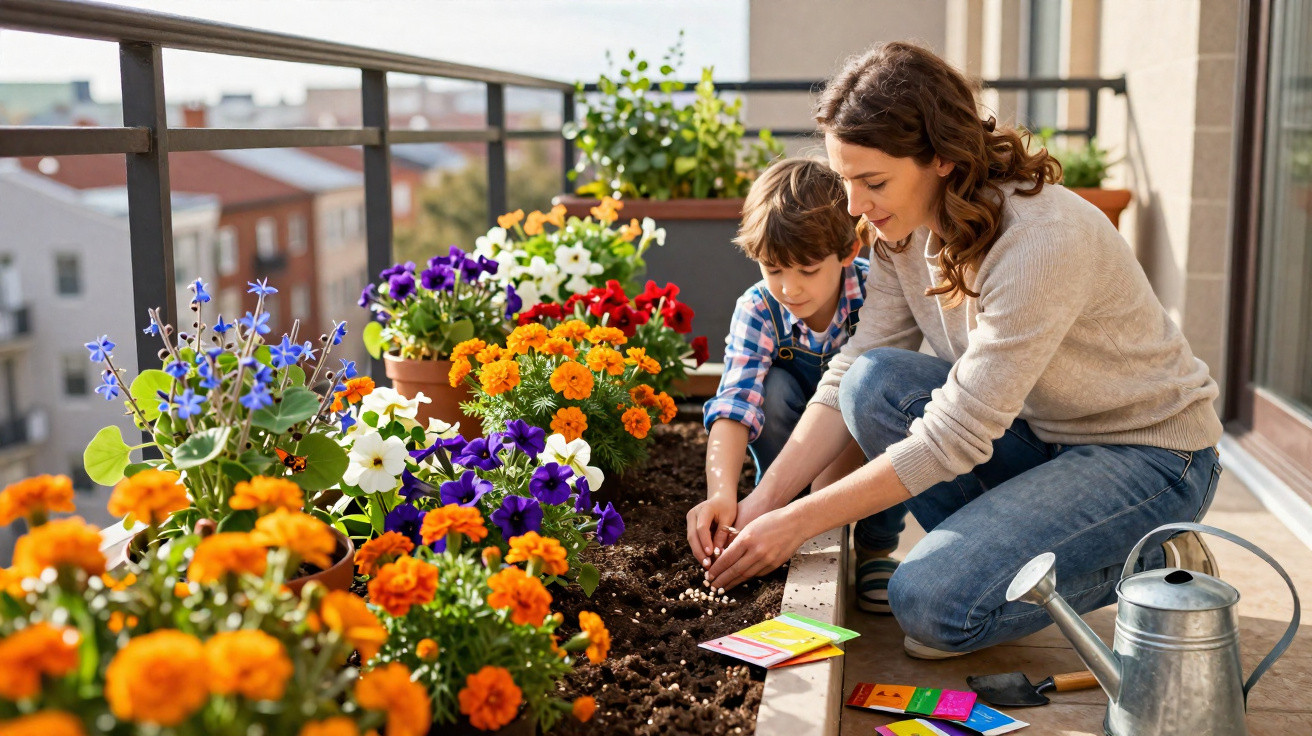
If you have children, you may find the balcony naturally becomes a favourite spot once berry bushes arrive. The harvest rarely makes it indoors; it tends to disappear straight into little hands. For many families, that is the best part of a mini fruit garden: it brings a slice of nature into everyday life - and you can feel it from the very first season.
Comments
No comments yet. Be the first to comment!
Leave a Comment