
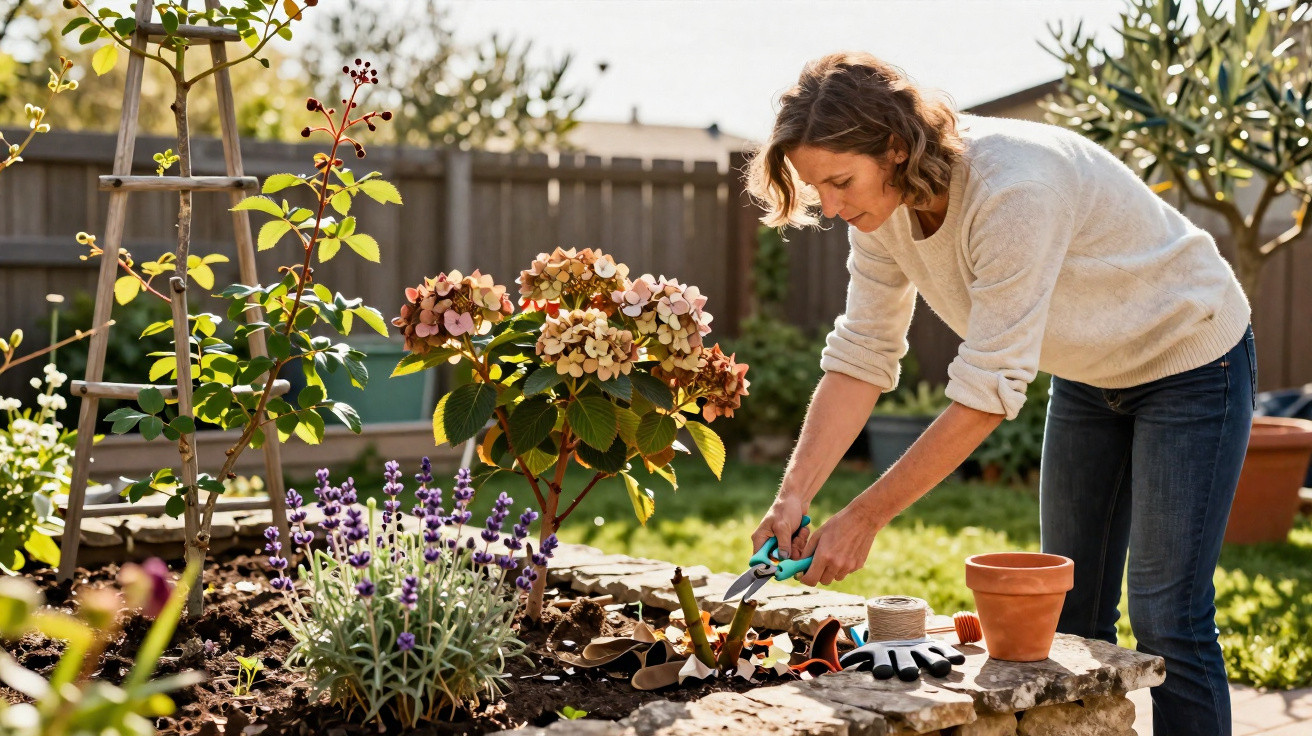
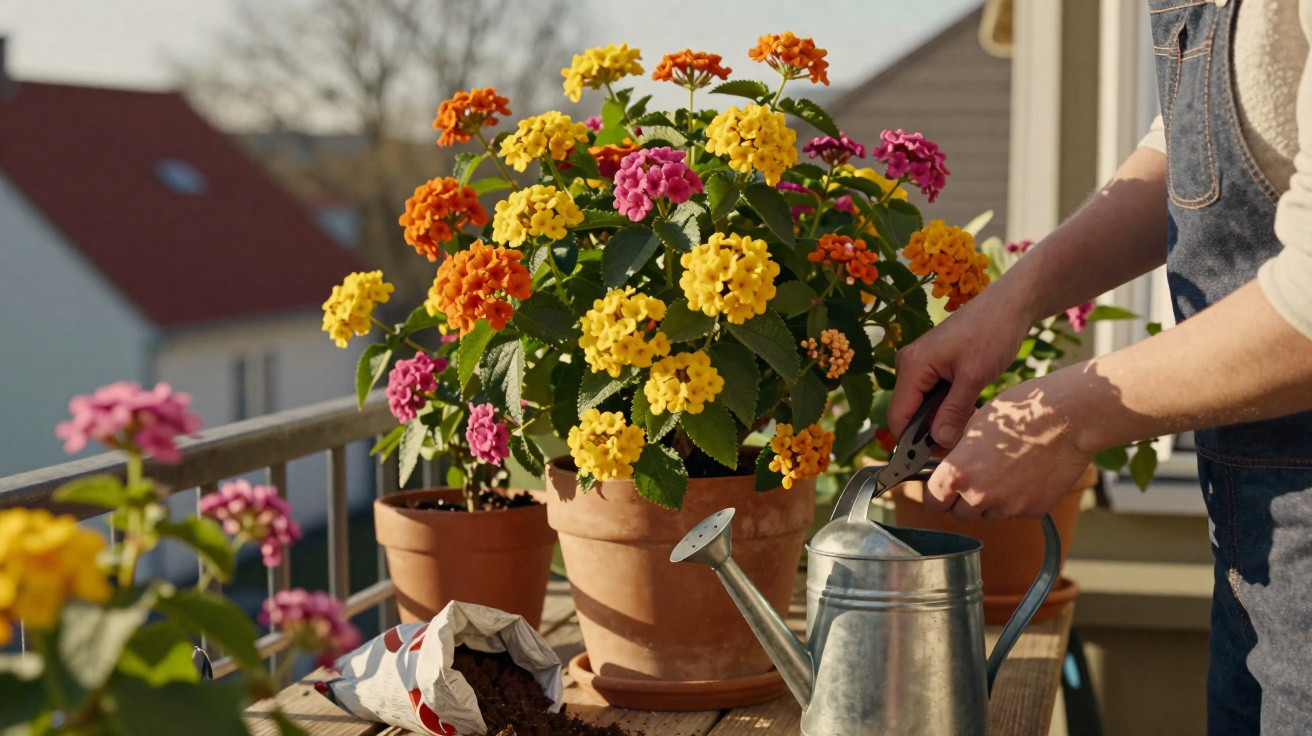
Picking up the secateurs with confidence now sets the stage for a blaze of flowers in summer.
Many amateur gardeners leave the pruners in the shed because they’re worried about getting it wrong. That hesitation often shows later: bare shrubs, sparse flowering and lots of unruly green growth. Professional gardeners advise that the third month of the year is the perfect moment for many plants to be cut back firmly - in some cases, very hard indeed. What matters when you prune, and which species really should be tackled now.
Why March matters so much for pruning
In March, the garden gradually comes out of its winter pause. The harshest frosts are usually behind us, yet many plants are still largely dormant. That combination makes pruning far easier for the plant to tolerate.
"If you prune with purpose in March, you influence flowering, shape and plant health for the entire year."
There’s another practical benefit: with no dense leaf cover, you can read the framework of shrubs and trees clearly. Dead wood, ageing branches and crossing shoots are much more obvious, so you can remove them neatly and decisively.
Trained trees and espalier plants: shaping for summer
Trained trees along a patio or boundary have become a staple of the modern garden. March is when they get their shaping and maintenance cut.
Tying in young trained trees correctly
With newly planted specimens, the aim is not to chop everything back. Keep the young, load-bearing shoots and secure them to the espalier frame with soft tree ties. Over time, this creates a continuous, dense screen.
- Remove young side shoots that are in the wrong place
- Tie the main framework branches horizontally or on a slight diagonal
- Cut out damaged shoots or growth that rubs against itself
If the tree has already been on the frame for several years, attention shifts to refinement: shorten overly long new shoots and clip the surface into a clean outline - much like trimming a hedge.
Blocks instead of a frame: the trend for plane trees and bay
Block-shaped crowns are especially popular, particularly with plane trees and evergreen bay. Here you prune as you would a hedge: take everything projecting beyond an imaginary outer line back to that boundary. The result is a compact, crisp block that adds structure even in winter.
Roses in March: hard pruning, kind results
With roses, hesitation is often the biggest mistake. If you treat them too cautiously, you end up with long, tired growth and only a few flowers.
Bedding roses and shrub roses
Cut older, brown, heavily woody stems right down to the base or back to a young side shoot. Shorten strong main stems to around the second outward-facing bud. It can feel severe, but it encourages vigorous new growth that flowers generously.
Climbing roses need a supporting framework
For climbing roses, select three to four robust main canes. Train these in a fan shape over a trellis or along a wall. Shorter flowering laterals branch off from these leaders; cut those side shoots back to just a few buds. Remove dead wood and any thin, weak shoots without compromise.
Lavender and heather: a low cut for compact cushions
Cut lavender back firmly every year
Lavender becomes woody quickly if you only “nip the tips”. In March, reduce all shoots to about 15 centimetres above ground level. Important: don’t cut into completely old, bare wood, as the plant struggles to reshoot from there. An even, rounded trim keeps it dense and compact.
Distinguishing heather correctly
Heather stays attractive year-round, but it needs regular cutting or it will thin from the inside. The key is knowing which type you have:
| Heather type | Pruning time | Cutting height |
|---|---|---|
| Summer heather (Calluna) | March | 8–12 cm above ground |
| Winter heather (Erica) | Summer | also just above the old wood |
Always cut just above the bare section, so there are still enough young shoots left for the plant to push into fresh growth.
Hydrangeas: don’t treat every variety the same
With hydrangeas, the correct approach depends on the type. Prune the wrong one at the wrong time and you can lose a full season of flowers.
Mophead and lacecap hydrangeas
These set their buds the previous year. Remove only the old flowerheads, cutting just above the first strong pair of buds, and take out around one fifth of the oldest, thickest stems at ground level. This renews the plant gradually without sacrificing the coming bloom.
"If you cut older mophead hydrangea stems back deep into old wood, you risk a season with hardly any flowers at all."
Panicle, smooth and oakleaf hydrangeas
Panicle hydrangeas flower on new wood. In March, they can be reduced to roughly 40 centimetres. The well-known white smooth hydrangea ‘Annabelle’ will even tolerate being cut back to about 10 centimetres. Oakleaf hydrangeas and similar types should be pruned more cautiously: only light shortening and selective removal of older stems, depending on the height you want.
Climbing hydrangea: patience required
Climbing hydrangeas already form their flower buds in spring, so the main prune is done after flowering. In March, keep it to checks and preparation: tie in loose growth, identify dead wood and remove it later.
Butterfly bush: the shorter the cut, the more flowers
Butterfly bush flowers only on young wood. If you let it grow unchecked, it soon becomes a metre-high giant with most blooms confined to the tips.
In March, cut all main stems back to about 30 to 50 centimetres above the ground. Ideally, make the cut just above a small new shoot. Compact dwarf varieties can be shortened even more, to around 15 centimetres. The shrub then breaks strongly and produces long, flower-filled panicles.
Keeping climbers and ground cover under control
Limit ivy before it takes over
Ivy expands more quietly than you expect - until the shed is suddenly wrapped in a green shell. In March, shorten any shoots that stray beyond the area you want, and cut off loose, hanging runners. Remove trailing stems at ground level too, as they root quickly.
Keep St John’s wort compact
St John’s wort, often used as a yellow-flowering ground cover, tends to become woody over time. Cutting it back to about 20 centimetres encourages fresh, dense regrowth. That helps the planting stay closed and leaves weeds very little chance.
Mediterranean favourites: olive tree and oleander
Shape an olive tree
Olive trees do best with light and air in the centre of the crown. Start by removing any dead, inward-growing or crossing branches. Then shape the canopy to suit your taste - whether a ball, a looser cloud, or a lightly tiered form. Olives can cope with fairly strong cuts, but they reshoot slowly, so it’s better to plan calmly than to keep snipping day after day.
Oleander: toxic, but tolerant of pruning
Oleander often shows frost damage in spring: brown, mushy or dried-out tips. Cut all affected parts back into healthy wood. You can reduce shoots by up to half their length without weakening the plant.
"Always wear gloves when pruning oleander - the sap and leaves are considered highly poisonous, especially to children and pets."
After pruning, give the shrub a sunny spot and water it regularly. If it’s in a pot, place it temporarily somewhere raised and out of reach, so nobody comes into contact with the fresh cut surfaces.
What amateur gardeners shouldn’t forget
Clean tools reduce the risk of spreading disease. Before you start, briefly disinfect blades with alcohol or hot water, and sharpen blunt secateurs. Clean, smooth cuts heal far faster than crushed, torn wood.
Short-lived night frosts usually don’t harm freshly pruned woody plants. If a severe cold snap is forecast, it can be worth delaying by a few days or bringing sensitive container plants indoors temporarily.
If you’re unsure about a particular plant, use one guiding principle: if it flowers in spring on last year’s wood, keep the main prune gentle and usually do it after flowering. If it blooms in summer on new growth, it can typically be cut back hard in March. With this simple rule, far fewer plants get thrown off course - and the garden responds with noticeably more colour and life.
Comments
No comments yet. Be the first to comment!
Leave a Comment