
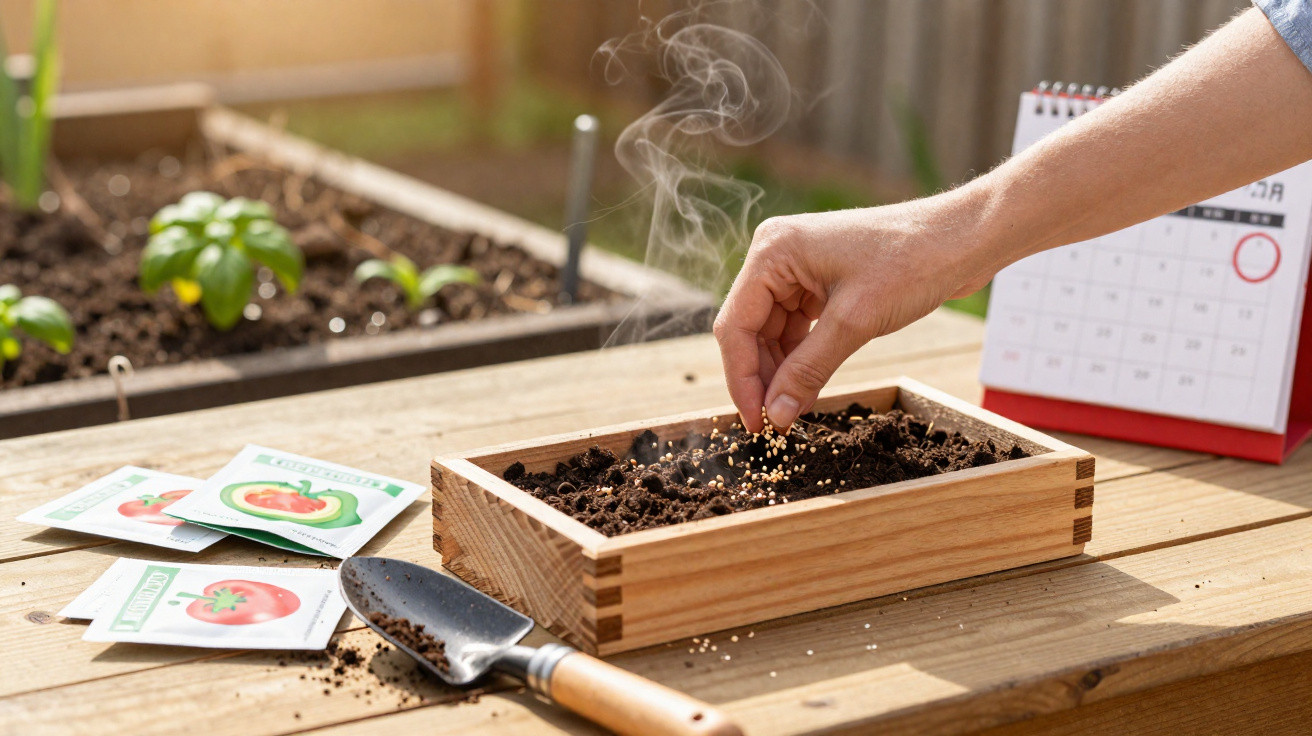
March is the deadline in the vegetable garden.
As the birds get louder in the mornings and the ground slowly begins to thaw, a countdown is quietly running in the veg patch. Whether you’re cutting crisp lettuce in July and filling baskets with tomatoes, courgettes and colourful ratatouille ingredients in August isn’t decided in high summer at all - it’s decided right now, with the right sowings at the end of March.
Why everything hinges on the end of March in the vegetable garden
If you let the final days of March slip by, you’ll be playing catch-up for months. Plants follow their own calendar, not ours. Many crops need weeks from seedling to harvest; start too late and you’ll harvest less - or nothing at all.
The end of March brings two key advantages at once: the light becomes noticeably stronger, the days lengthen, and the soil starts to hold a bit of warmth during the day. Smart gardeners use this exact window to set themselves up for summer, with a clear split between raising plants indoors and sowing directly outside.
"The quality of your summer harvest is decided in the final days of March - not in June."
Starting off indoors: how the “sun lovers” get going
Tomatoes, peppers and aubergines are among the most temperamental - and most popular - choices in the home vegetable garden. These “sun lovers” come from warm regions and cannot stand the cold. Sowing them straight into outdoor beds in March is a guaranteed failure.
The ideal windowsill set-up
For these crops the rule is simple: start them indoors at the end of March, warm but with as much light as possible. A bright south- or west-facing windowsill is best; a small indoor propagator is a good alternative. Keep the room temperature steady at around 20 °C.
- Tomatoes: sow from the end of March in seed compost, cover lightly, keep moist
- Peppers/chillies: start a few days earlier or at the same time, as they germinate more slowly
- Aubergines: as sensitive as peppers, and they also need plenty of warmth and light
What matters most when raising seedlings is balancing heat and brightness. Too much warmth with too little light produces thin, stretched stems that topple easily - gardeners call this seedlings going “leggy”. It’s better to keep them a touch cooler while maximising light; if needed, move them to a different room where the window is more suitable.
Basil: the diva of the herb world
Basil may be a windowsill staple, but it’s more delicate than many people realise. It wants warmth, strong light and shelter from draughts. At the end of March it still belongs indoors, not out on the balcony.
A sunny spot by the window without cold air movement is ideal. Cover the seed only very lightly, keep moisture even, and don’t let it dry out. With careful handling, you can pick fragrant leaves early for pasta, tomato salad or pesto - well before summer heat arrives.
Out in the beds: radishes and carrots as a double act
While the sensitive crops get going inside, plenty can already be done outdoors. By the end of March the top layer of soil is noticeably warmer during the day, and that’s when the tougher vegetables come into their own.
The brilliant radish–carrot shared row
A classic tip borrowed from the professionals is to sow radishes and carrots in the same row. You put both seeds in the ground at the same time, but they behave very differently.
Radishes germinate quickly and, within days, push through any crusted surface layer. Carrots are slower and more delicate - and they benefit when the radishes “open up” the soil above them.
- Sow radish seed thinly and cover lightly
- Sow carrot seed more finely, in the same drill or directly alongside
- Keep row spacing tight - ideal for small gardens and raised beds
"Radishes loosen the soil, carrots follow slowly - a natural soil helper without chemicals."
This pairing saves space, makes soil management easier and uses the bed efficiently. As you pull the first radishes, the carrots can continue growing steadily in the background.
Peas and spinach: cool-headed crops for an early start
Peas and spinach actually prefer cooler conditions and cope well with the still-chilly nights at the end of March. They make use of remaining soil moisture and put down roots early and deep, which helps them stay more resilient later in dry spells.
If you want extra insurance, cover the rows with light horticultural fleece. This thin fabric takes the edge off cold snaps, reduces wind exposure and gives young plants a small temperature advantage. In areas prone to late frosts, this simple step is particularly worthwhile.
Basic kit for successful March sowings
Successful gardeners don’t rely on luck; they rely on solid preparation. A few simple tools can mean the difference between weak seedlings and sturdy young plants.
| Item | Why it’s essential in March |
|---|---|
| Clean plant pots/containers | Reduces fungus and rot; can be reused year after year |
| Fine seed compost | Light structure with low nutrient salts; supports even germination |
| Labels | Stops mix-ups, especially with tomato and pepper varieties |
| Watering can with a fine rose or a spray bottle | Doesn’t wash seed away; keeps the surface evenly moist |
| Horticultural fleece | Protects against late frost, wind and bird damage outdoors |
From germination to harvest: patience as the secret ingredient
Once seedlings appear, your role changes. From this point it’s less about sowing and more about care, checking in regularly and responding with a bit of finesse.
Watering properly: moist, not waterlogged
The surface of the compost or soil shouldn’t be allowed to dry out completely, but standing water is just as harmful. Roots need oxygen; overwatering invites fungal problems and can cause seedlings to collapse.
A good approach is to let the surface dry slightly, then re-wet gently. Use a fine rose or a mister. Outdoors, it’s better to water thoroughly but less often, rather than giving a small splash every day that only wets the top.
Keeping it loose: why hoeing really works
A tried-and-tested line from old garden wisdom still holds true: “If you hoe, you water.” By loosening the top layer regularly, you break up fine cracks and surface crusts. That reduces evaporation and helps the soil “breathe”.
This creates a better microclimate around the roots. Especially after rain followed by sunshine, a hard cap often forms - and it’s best to break it up promptly.
What beginners often underestimate - and what pros do differently
Many newcomers begin with huge enthusiasm in April or May, once it’s already warm outdoors. By then, though, the best start window for many crops has passed. Experienced gardeners treat March like a small project: write a seed list, prepare the propagation area, and keep an eye on the forecast.
Another common mistake is taking on too many varieties at once. If you’re just starting out, focus on a handful of reliable crops - for example radishes, carrots, spinach and one tomato variety. That cuts stress and greatly improves your chances of success.
Practical tips for small gardens and balconies
Not everyone has a large plot. In tight spaces, a well-planned March matters even more.
- Raised beds: they warm up faster, making them ideal for early sowings of radishes, spinach and lettuce.
- Balcony troughs: perfect for radishes, cut-and-come-again lettuce and herbs - ready to start from the end of March.
- Succession use: sow early crops such as spinach first, then later plant tomatoes or peppers in the same container.
If you watch temperatures closely and take end-of-March sowings seriously, you lay the groundwork for a long, productive season. The difference between an “alright” year and a truly abundant vegetable year is rarely made in the summer rush - it’s built in the quiet, focused work of the final days of March.
Comments
No comments yet. Be the first to comment!
Leave a Comment