
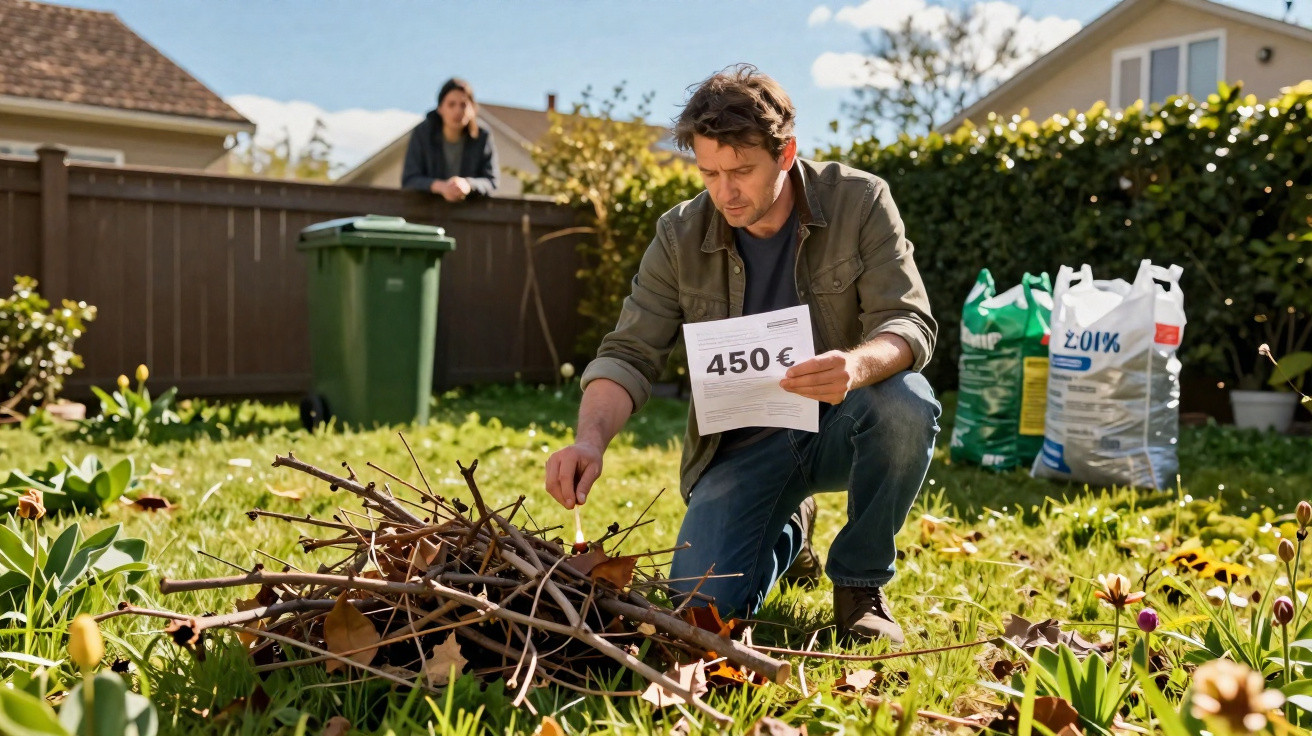
Many amateur gardeners still reach for a match to get rid of green waste “quickly”. What used to be seen as normal can now lead to a substantial fine - and the consequences can go well beyond a little smoke drifting into the neighbour’s garden.
Springtime in the garden: when green waste turns into a costly mistake
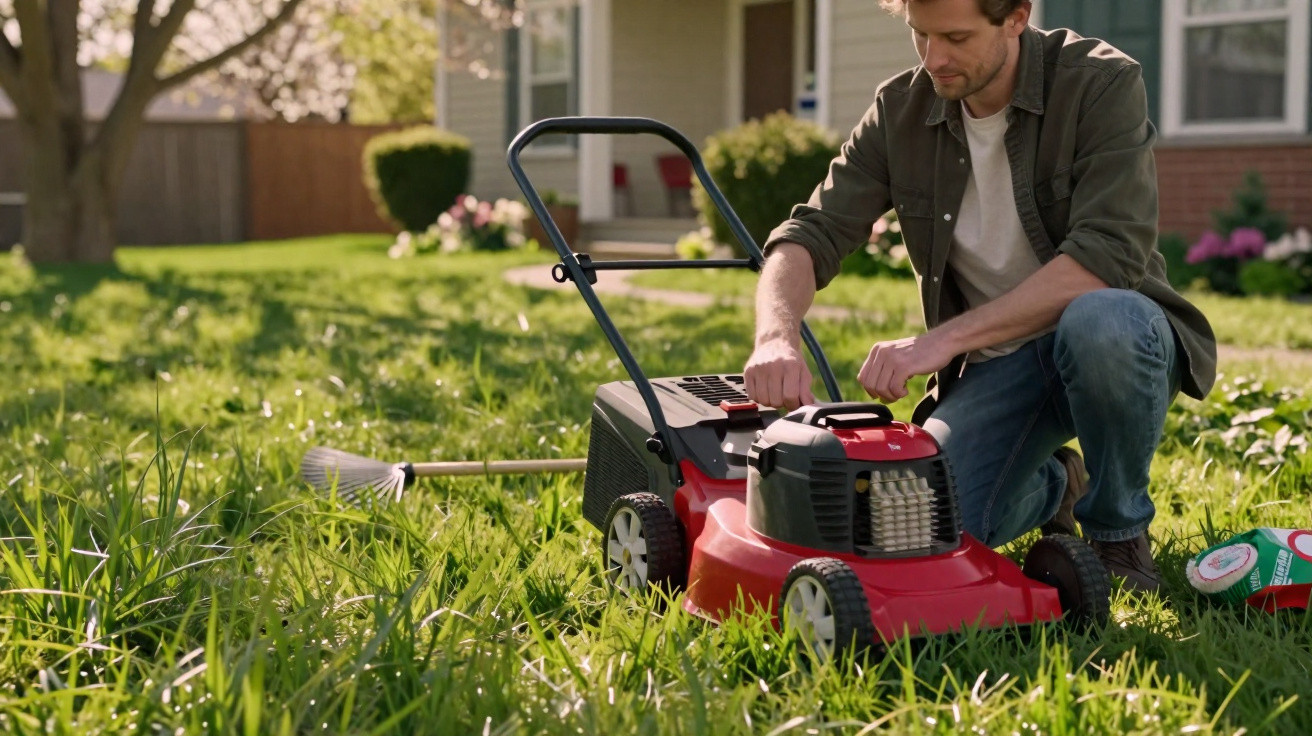
As soon as the first mild days arrive, countless homeowners kick off the spring clear‑up outdoors: mowing the lawn, trimming hedges, thinning trees and tidying beds. In just a few hours, a huge pile builds up - grass clippings, twigs, branches and leaves.
Right then, many people fall back on an old habit: pile it all up, strike a flame, job done. In some rural areas, it still feels almost traditional. The problem is that in many European countries - including, as in the example described, France - that approach is now explicitly banned and can be punished with steep fines.
Anyone who burns their garden waste outdoors risks fines of up to 450 euros in many regions - for each offence.
The reason is straightforward in legal terms: green waste is classed as waste - more precisely, bio-waste - and it is now subject to strict rules that are about much more than tidiness.
Why burning garden waste is now a no‑go
Whether it is grass cuttings, leaves, hedge trimmings, thin branches, or leftover fruit and vegetables, all of it falls under “bio-waste” or “green waste”. In the past, this material often ended up on a fire in the garden, sometimes even with quiet acceptance from the local council.
In many countries, lawmakers have since put a clear stop to this practice. Open burning of green waste at home - including the use of small “garden incinerators” or perforated metal barrels - is generally no longer permitted. In some places there are only very narrow exceptions, such as for agricultural businesses or specific safety situations (for instance, when there is pest pressure or a disease outbreak).
The main drivers are health and environmental protection. Burning seemingly harmless branches and leaves produces large quantities of fine particulate matter and other pollutants. Authorities point, in particular, to these impacts:
- heavy fine‑particle pollution in the immediate vicinity
- risks for people with asthma, as well as children and older people
- persistent odours and smoke affecting multiple properties
- increased fire risk in dry weather or windy conditions
One frequently cited comparison is particularly striking: a fire involving around 50 kilograms of green waste can release a similar amount of fine particulate pollution to a modern diesel car driven for several tens of thousands of kilometres. For nearby residents, it is not “just a bit of smoke” - it can feel like a direct assault on the airways.
How high the penalties can be
Anyone who lights up regardless can quickly find themselves dealing with an administrative offence. In France, for example - the legal situation the example is based on - illegal burning of garden waste is commonly treated as an offence carrying fines of up to 450 euros; some official documents even mention penalties up to 750 euros, depending on which legal provisions are applied.
Comparable ranges are also possible in German‑speaking countries, where waste law, air‑quality (emissions) rules or local by‑laws may apply. Local enforcement offices and environmental authorities often have considerable discretion.
One important point: it is not only the person who sets the fire who may be penalised. Anyone who provides or promotes a small “incinerator” oven or similar devices could also attract attention from the authorities if those items are used to dispose of green waste unlawfully.
Even a single reported incident can result in a fine - and in practice a repeat offence often becomes significantly more expensive.
On top of this, neighbours may pursue civil action, for example over unreasonable smoke and odour nuisance. If sparks cause a fire, criminal consequences and the costs of a fire brigade call‑out can follow quickly.
What should happen to branches, grass and leaves instead
Alongside these bans, many countries have expanded mandatory systems for separate bio-waste collection. Since the start of 2024, the EU has placed a stronger emphasis on separating bio-waste, with member states implementing this step by step.
The aim is clear: kitchen and garden waste should no longer go into residual waste - and certainly should not be burned - but instead be put to productive use, such as compost, soil improvers or biogas.
The most important legal options for garden waste
- Home composting: a traditional compost heap, compost bin or fast composter for grass cuttings, leaves, soft plant material and kitchen waste.
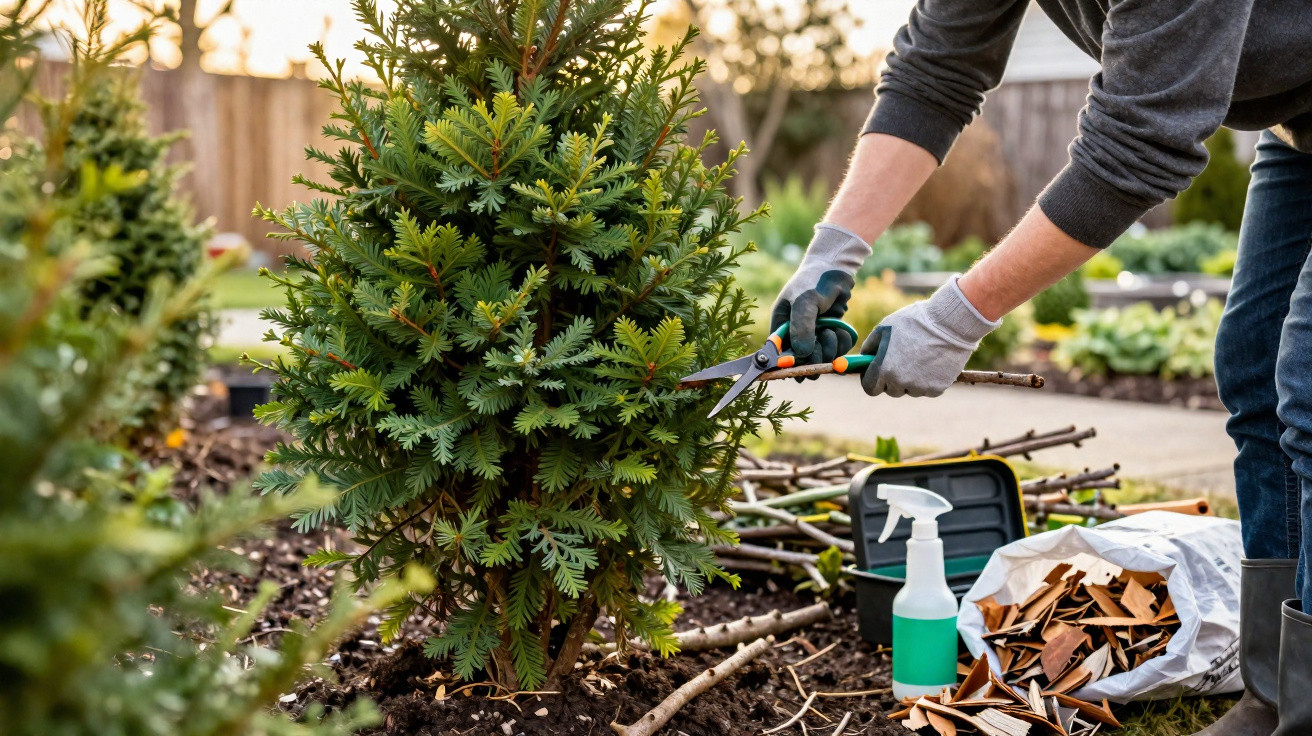
- Mulching / covering: shredded twigs and leaves used as a protective layer on beds or beneath shrubs.
- Council collection site: green‑waste drop‑off points or household recycling centres, often with free allowances per household.
- Food and garden waste bin / brown bin: local collection of kitchen waste and small garden waste directly from the home.
- Mobile collection rounds: seasonal green‑waste collection dates organised by the town or local authority.
Mulching, in particular, pays off twice over: shredded material helps prevent soil from drying out, reduces weed pressure and can noticeably cut water use. Specialists assume that, in summer, watering requirements can be reduced by up to around 40 percent.
How amateur gardeners can organise a legally safe spring clear‑up
To avoid trouble, it helps to approach garden jobs with a bit more structure. A simple workflow many people follow looks like this:
- Sort thicker branches and twigs - larger pieces can often be shredded or used as a deadwood pile for wildlife.
- Keep grass and leaves separate - ideal for composting or as a mulch layer.
- Shred material - many councils lend shredders, and DIY stores offer machines for hire.
- Take surplus to a collection site - check opening times and any quantity limits in advance.
- Do not light a fire - not even “just quickly” when there is a light breeze.
Many towns and councils subsidise composters or sell them at reduced prices. A quick call to the local environmental office, or a look at the council’s waste guidance leaflet, usually provides clear answers.
What is behind the authorities’ strict approach
These rules are not simply bureaucracy for its own sake. Air‑quality plans in many regions focus heavily on reducing fine particulates, because they are proven to worsen respiratory illness, cardiovascular problems and allergies. Open fires involving green waste are viewed as a source that is difficult to control.
Nature protection is another factor. Numerous animals overwinter in hedges, brush piles and under layers of leaves - from hedgehogs and toads to insects. Clearing everything away in March and burning it often destroys these refuges without people noticing. While, in such cases, very severe penalties - even imprisonment - can apply mainly in professional settings, authorities tend to appeal to common sense among private garden owners.
Common myths about garden fires
Many issues come down to half‑knowledge. Three widespread assumptions are especially risky:
| Myth | Reality |
|---|---|
| “I’m always allowed to burn dry wood.” | Even dry material can still be classed as waste, and burning bans may still apply. |
| “The council never used to say anything, so it must be allowed.” | The legal position and enforcement have tightened; past informal tolerance does not protect you from fines today. |
| “If the neighbour has a fire, I can as well.” | Each breach is assessed individually, and “everyone does it” is not an argument that will convince the authorities. |
Practical tips to avoid disputes with neighbours and fines
Anyone who makes intensive use of their garden benefits from clear communication and a little planning. A few straightforward steps prevent many conflicts before they start:
- check local rules for green waste before major cutting or pruning work
- let neighbours know if you will be using a noisy shredder
- place the compost area so it does not create odour nuisance
- do not tip leaves or cuttings along the boundary line
Many councils now offer advice on wildlife‑friendly gardens. Those interested can learn how to use some cuttings on site - for instance as a deadwood corner for birds and hedgehogs, or as a structure‑building feature in wilder areas. That way, garden owners reduce transport and disposal costs while also supporting biodiversity.
If you tackle your spring garden clear‑up with these points in mind, you stay in control: of your budget, the air quality around your home, and the habitat in your own green space. Reaching for a match may feel tempting, but it can turn out to be far more explosive than it seems.

Comments
No comments yet. Be the first to comment!
Leave a Comment