
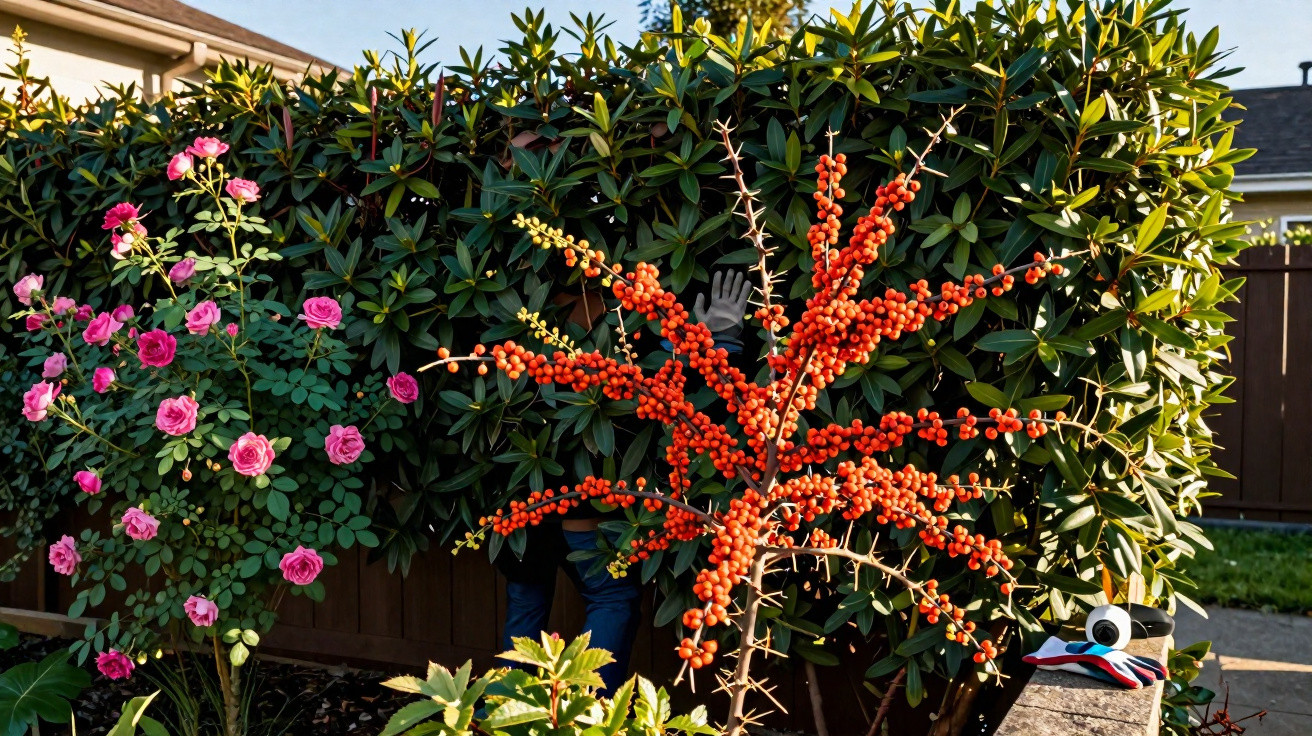
Alarm system, smart home camera, reinforced front door - these are the usual first thoughts. Yet many homeowners overlook a surprisingly effective ally growing right by the front path: deliberately planted, uncomfortably thorny shrubs. Put in the right places, they turn access routes into a painful obstacle and can deter burglars, without stripping the garden of its character.
Why thorny plants really do slow burglars down
A burglar typically looks for the lowest risk: quick entry, minimal noise, and no chance of getting hurt. The more awkward, slow and unpleasant it is to reach the house, the less appealing the property becomes. That is exactly where dense, defensive planting comes into its own.
"A thorny hedge forces intruders to take a detour, makes noise more noticeable and leaves visible traces - a clear disadvantage for offenders."
Crime-prevention specialists have been saying for years that when access to a home is combined with thorns, heavy growth and crunching gravel, the risk of a break-in drops noticeably. The reasoning is straightforward:
- the route becomes slower and more hazardous
- noise from gravel or chippings is almost impossible to avoid
- clothing can snag and tear
- there is a real risk of injury from thorns - a genuine stress factor for offenders
One point remains crucial: plants do not replace an alarm system or a solid, secure door. They work alongside technical security and mainly add deterrence. However, letting the front garden become overgrown can backfire. An excessively dense, neglected thicket creates perfect hiding places - for burglars and for their tools.
The best results come when the entrance area stays visible from the street, hedges are cut back once a year, and motion sensors light up specific zones when someone moves through them. This blend of nature and technology delivers a tangible security boost.
Four plants that become a natural brake on break-ins
Plenty of shrubs have thorns, but four species are particularly well suited as defensive planting around the home.
Pyracantha: extremely thorny firethorn along the boundary
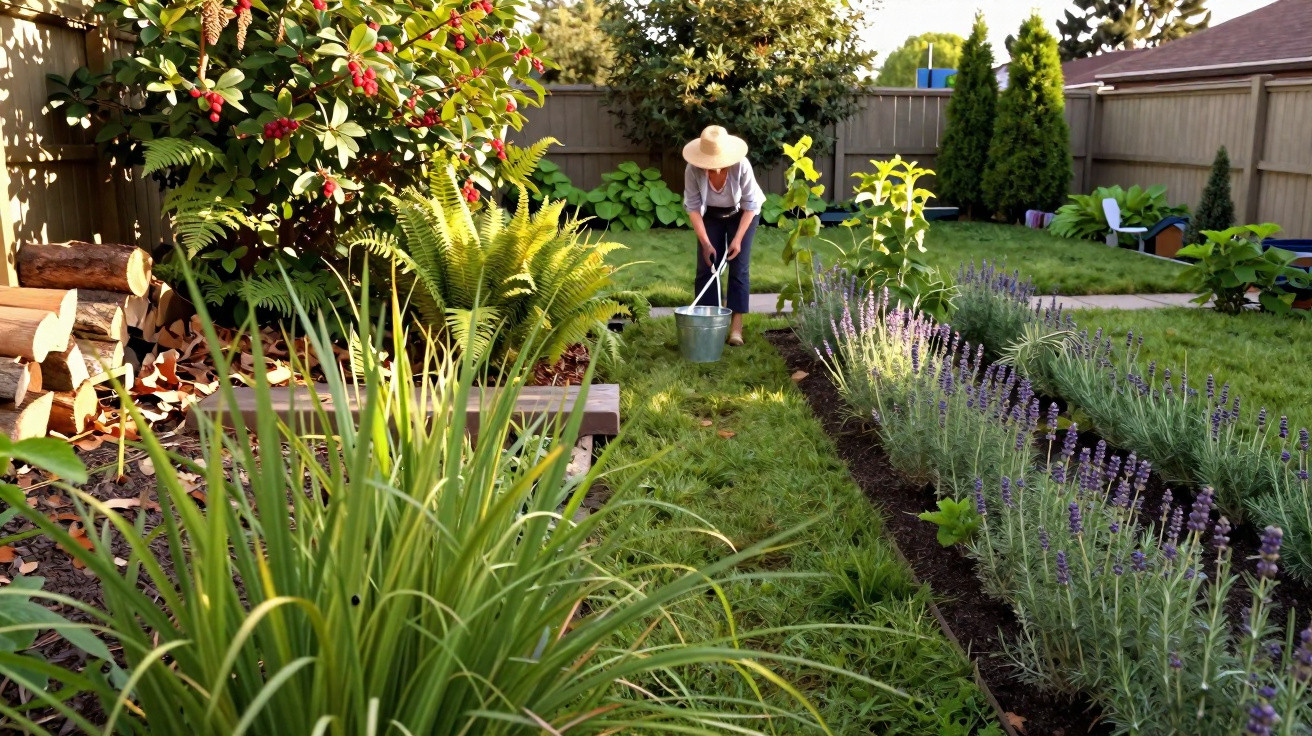
Pyracantha, commonly known as firethorn, is widely considered one of the most unpleasant hedge plants for intruders. Its shoots are densely branched and carry large numbers of hard thorns. For a burglar, that means any attempt to push through is likely to end in painful scratches.
Firethorn works especially well:
- along fences or walls
- beneath low windows
- on side boundaries that are easy to overlook
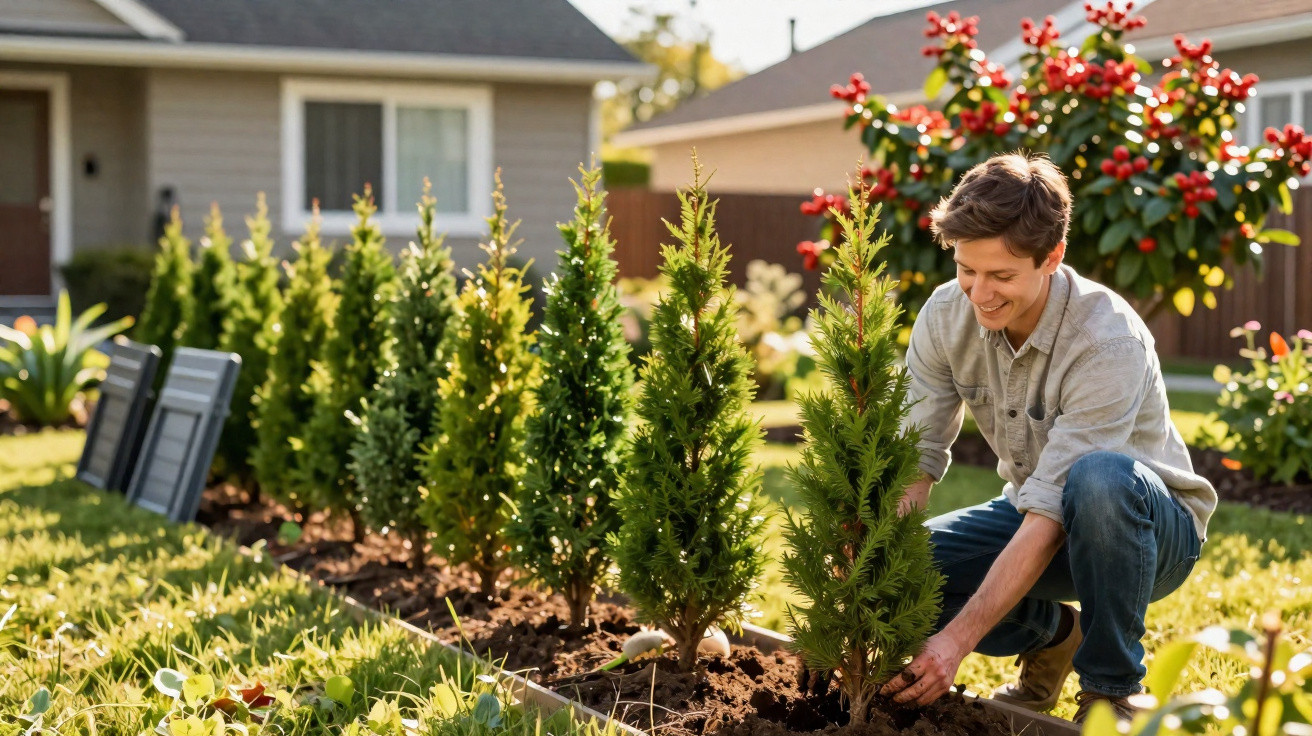
With a planting distance of roughly 50 to 70 centimetres, you can form a closed barrier about 1.5 to 2 metres high within a few years. The berries are also visually appealing - a bonus for anyone who wants security to look decorative.
Barberry: a compact thorn barrier for narrow access routes
Berberis, usually called barberry, forms compact shrubs packed with spines. They are ideal for blocking narrow side paths or tucked-away access points. Anyone who has ever had to reach through a barberry hedge knows how unpleasant it is.
Typical locations include:
- side entrances that are not used regularly
- the gap between a garage and the house wall
- corners where you do not want a walkway at all
Here too, a spacing of about half a metre has proven effective. With a bit of pruning, it quickly becomes a dense, hard-to-penetrate hedge that still looks tidy.
Rosa rugosa: a tough wild-rose belt beneath windows
Rosa rugosa, often known as rugosa rose, is one of the more resilient wild roses. It grows densely, produces plenty of thorns and forms thick, bushy growth - ideal beneath floor-to-ceiling windows or any windows that are easy to reach.
"A wide strip of wild roses beneath a window makes climbing in so unpleasant that many offenders simply move on."
Beyond the thorns, Rosa rugosa offers flowers and hips that attract insects and birds, making it possible to combine security with nature and biodiversity.
Cherry laurel: screening as a psychological barrier
Cherry laurel does not have thorns, but it serves another important purpose: it blocks prying eyes. Burglars often watch houses beforehand. If they cannot see what is in the living room or where expensive devices are positioned, the property becomes less tempting.
Cherry laurel is a good fit:
- in front of large glass areas such as patio doors
- as a tall screen beside pavements
- along open garden sections with lots of visibility into the property
Important: it must not hide the front door completely. Access should remain easy for neighbours or passers-by to see, so suspicious behaviour stands out.
How to arrange the plants sensibly in your garden
To avoid the garden looking like a fortress, you need a considered layout. A simple approach that works well in many gardens is:
- Facing the street: cherry laurel as a screen, paired with gravel or chippings on the ground.
- Along the sides of the plot: firethorn or barberry as a thorny boundary that is difficult to cross.
- Beneath vulnerable windows: a wide strip of Rosa rugosa.
- Main approach to the house: a well-lit path with gravel, so every footstep can be heard.
This creates a security ring around the home without making the garden feel gloomy or hostile. Light is a key factor: motion sensors on façades, driveways and patios deter and immediately signal when someone enters the property.
What you should definitely consider when planning and maintaining them
Even though thorny plants can help, they must not become a hazard for your own family. If you have children, avoid planting thorny shrubs right next to play areas or around the edge of a pool. Softer, harmless shrubs are better suited there.
You also need to account for local council rules. Many councils specify how tall boundary hedges may be and how far they must be set back. A rule of thumb is that tall hedges from 2 metres upwards should usually stand at least 2 metres from the boundary. A quick check of local requirements can prevent disputes with neighbours or enforcement action.
Regular pruning is not just about appearance - it is relevant to security too. Overgrown shrubs create dark pockets where people or objects can be hidden. Cutting back firmly once a year keeps the hedge dense, while still open enough that nobody can disappear unnoticed.
Combination with technology: nature meets smart home
The strongest effect comes when planting and technology support each other. For example:
- a thorny hedge on the fence line - makes climbing over harder
- a gravel strip inside - makes every step audible
- motion sensors with floodlights - suddenly put intruders under bright light
- a camera or smart doorbell - records who is approaching
Especially when you are away on holiday, this creates an “invisible protective layer” that feels uncomfortable for offenders. Many criminals simply take the path of least resistance and choose a property that looks easier to access.
How to choose the right plant for your location
Before you plant anything, the site matters: soil, light and available space all influence whether the hedge will grow thick and healthy. Firethorn and barberry cope well in sunny to partially shaded positions; Rosa rugosa prefers sunnier spots and sandy to loamy soils. Cherry laurel does not like conditions that are too dry and needs enough space for its crown to spread.
If you are unsure, ask at a garden centre specifically about “defensive planting”. Many retailers can recommend varieties that grow particularly thorny or dense and respond well to pruning. Checking the mature height carefully helps you avoid turning the front garden into an impenetrable mass later on.
Over time, this approach can create a garden that looks attractive, offers habitat for birds and insects, and also sends a clear message: this house is not an easy target. For burglars, that is a strong signal to choose a different property.
Comments
No comments yet. Be the first to comment!
Leave a Comment