
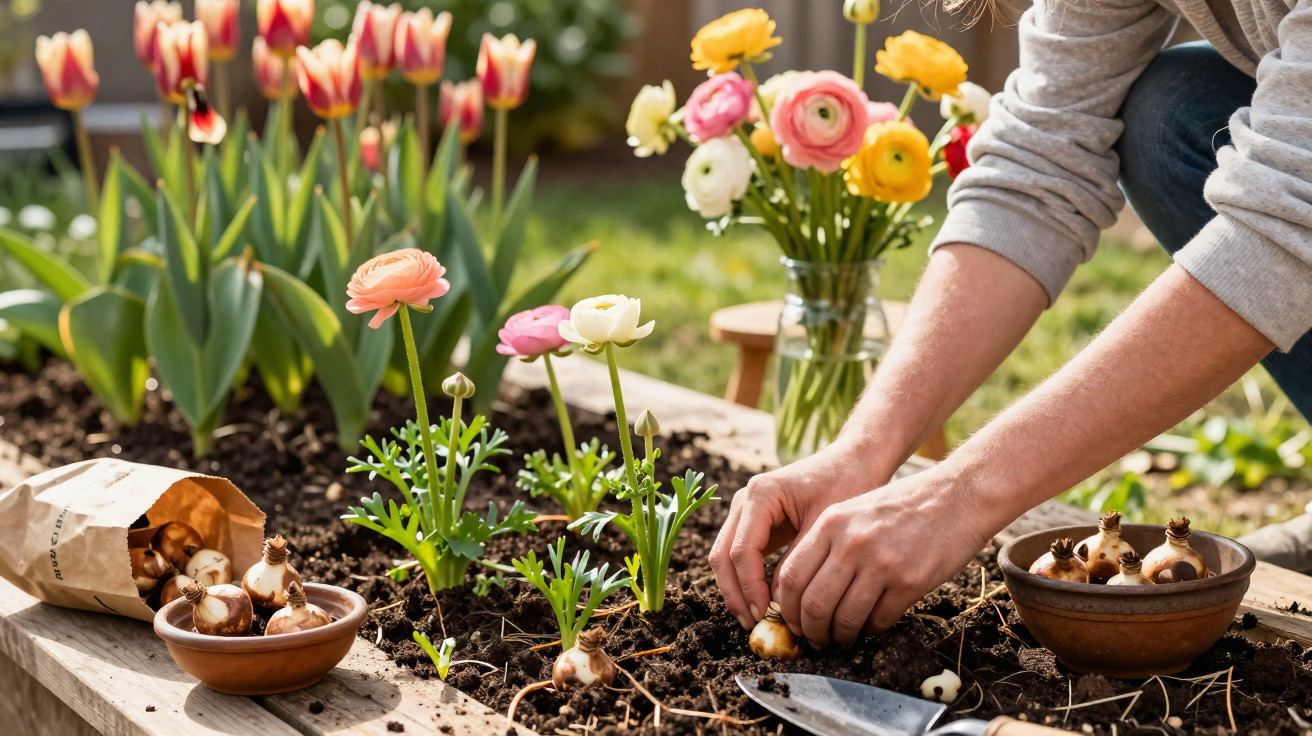
Many amateur gardeners are turning away from traditional tulips: an old-fashioned flower with lavish pompon blooms is causing a stir this spring.
When people picture spring flower beds, tulips are usually the first blooms that come to mind. Yet their brief flowering period and increasingly high prices are prompting many gardeners to reconsider. In their place, a nearly forgotten tuberous plant is making a comeback, flowering for longer, creating a fuller display and suddenly appearing in fashionable gardens from Paris to Berlin.
Why tulips are losing fans – and another flower is taking centre stage
Tulips make a dramatic start to spring, but they are often over after only one or two weeks. A heavy downpour or an early hot day can leave their petals scattered across the bed. Many varieties soon lose vigour, while the bulbs need replacing regularly; this is costly and frustrating.
Their rival is the ranunculus, more precisely the Asian ranunculus (Ranunculus asiaticus), which is often sold as a garden ranunculus. Its densely double blooms resemble miniature peonies, look like colourful pompons and last considerably longer in borders.
“Anyone tired of vivid but short-lived tulips will find Asian ranunculus a surprisingly long-lasting spring alternative.”
Its colour range is extensive, spanning white, cream, apricot and rose through to rich red and violet. Planting them in groups produces the “luxury hotel lobby” effect familiar from Instagram gardens – but in your own border or even a balcony planter.
What makes Asian ranunculus so appealing
Gardeners who make the switch repeatedly give the same reasons. Here are the key advantages:
- Longer flowering period: Usually from late May into June, and often far longer than many tulips.
- Dense, double flowers: Visually close to peonies, but more compact and ideal for smaller gardens or pots.
- Strong colour impact: Massed plantings create an elegant, almost romantic appearance.
- Suitable for natural gardens: Grown with compost, the plant requires no synthetic fertiliser.
- Flexible planting options: In herbaceous borders, raised beds, containers or even small balcony planters.
Many retailers report that the characteristic “claws” – the name given to these knobbly tubers – now sell out more quickly in spring than tulip bulbs. Gardeners who have seen the difference they make in a border generally stay with ranunculus.
How to plant Asian ranunculus from March to mid-April
Success depends heavily on planting at the right time. In areas with a temperate climate, most gardeners begin between March and mid-April. The soil should no longer be freezing cold, while still retaining enough moisture.
Step-by-step guide for beginners
At first glance, the tubers resemble tiny dried octopuses. A few straightforward steps will reliably bring them back to life:
- Soak the tubers, or “claws”, in lukewarm water for around 12 hours.
- Prepare loose soil, removing stones and old root debris.
- Dig holes about 5 centimetres deep.
- Position the tubers with their “fingers” pointing downwards.
- Cover with soil and firm it gently.
- Space the plants roughly 15 centimetres apart.
The plant prefers free-draining, relatively light soil. Heavy clay soil should be improved with sand or fine grit, along with plenty of well-rotted compost. Waterlogging is its greatest enemy – particularly in pots, where it can rot the tubers in a short time.
Position: sunny, but not fiercely so
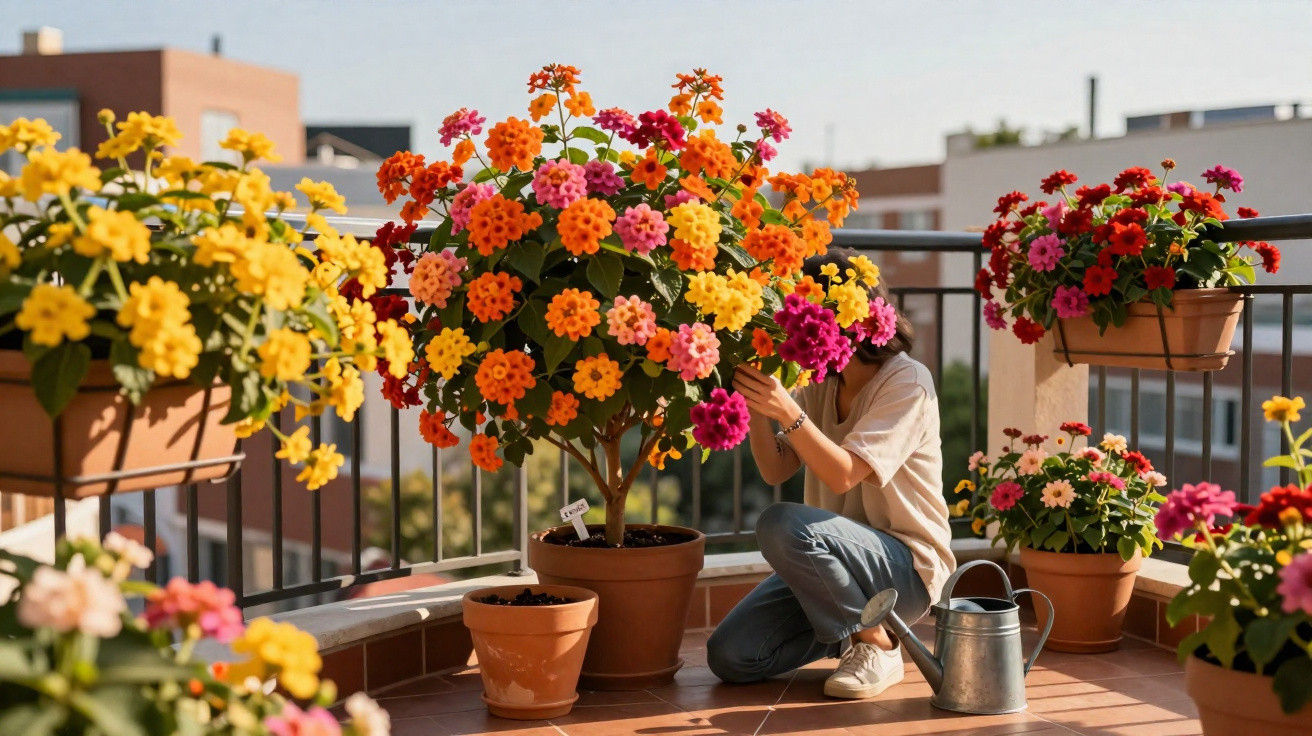
Ranunculus is happiest in a bright spot with sun to partial shade. Intense midday sun on a heat-soaked south-facing balcony can be risky, especially where black pots become very hot.
For balconies and patios, add a drainage layer of expanded clay or gravel to the bottom of the pot. This allows excess water to drain away and helps keep the roots healthy.
Care for a lush spring border
Its water needs sit somewhere between those of tulips and geraniums. The soil must not stay bone-dry for weeks, but continual saturation is equally harmful.
A simple everyday rule is useful: if the top layer of soil feels dry, it is time to use the watering can. If it remains slightly moist, wait a little longer.
A thin mulch of lawn clippings that have been allowed to wilt, rather than used fresh, or fine bark chippings reduces evaporation and protects soil organisms. This is especially beneficial in towns and cities, where balcony planters are exposed to strong sun and wind.
“Regular but moderate watering and a thin layer of mulch are usually enough to keep the plants growing strongly throughout the season.”
Ranunculus as cut flowers – a beautiful effect indoors
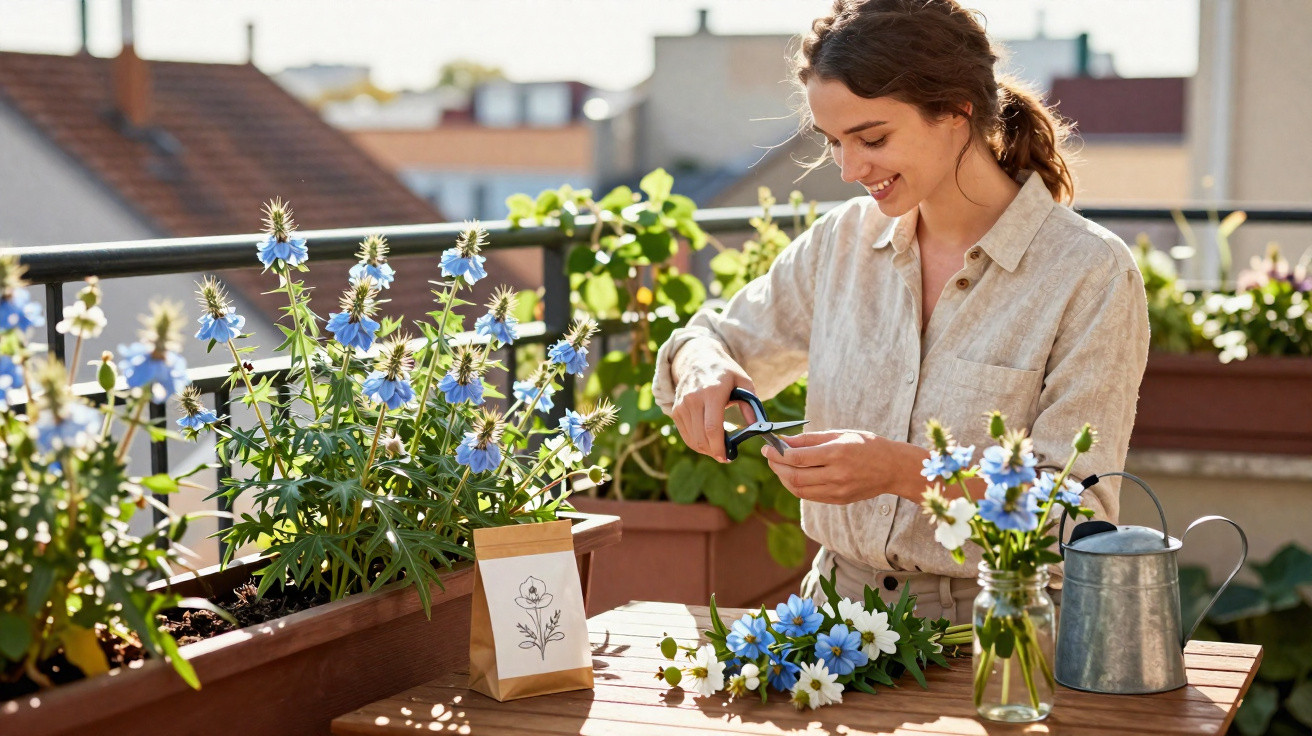
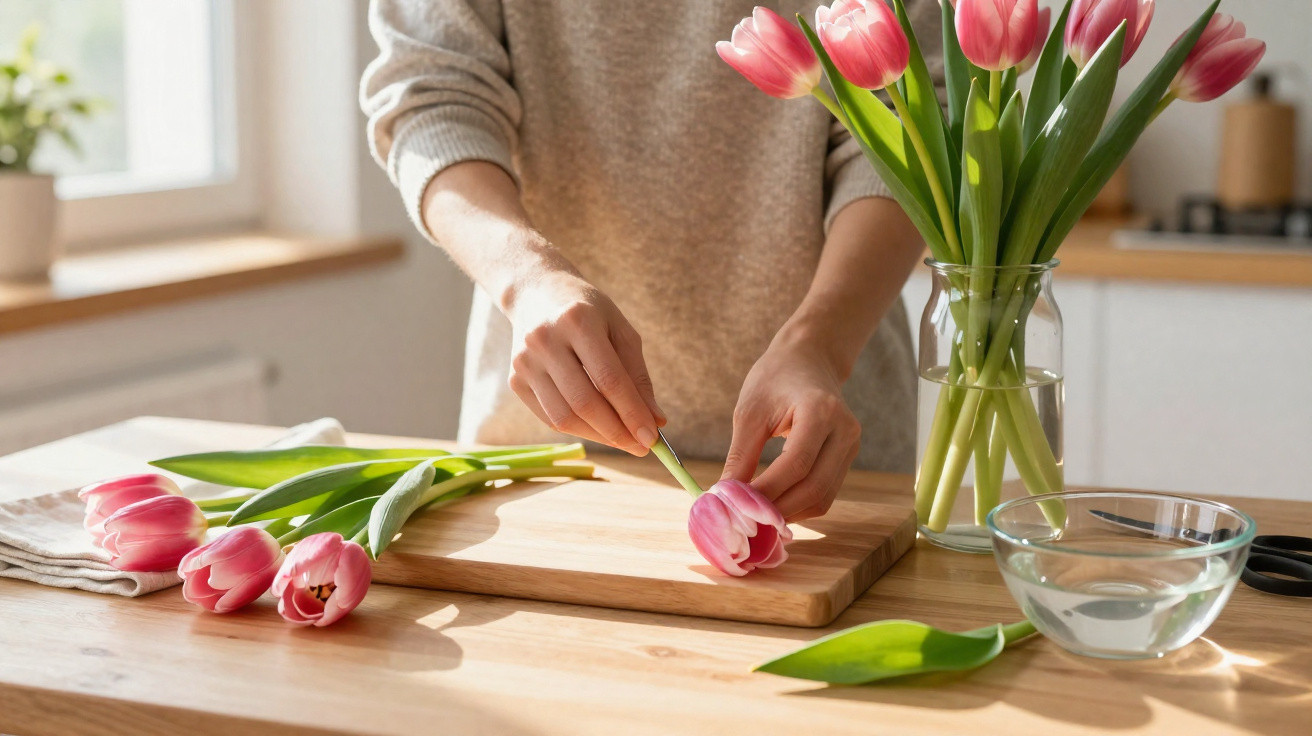
There is an added benefit that tulips do not offer so generously: Asian ranunculus is exceptionally well suited to cutting. Cut the stems as the flowers begin to open slightly, and you will have dense bouquets that last remarkably well in a vase.
Cutting also encourages the plants to produce fresh buds. Many gardeners report a genuine “continuous supply effect” well into early summer.
Overwintering or replanting – how gardeners approach it
Whether tubers can remain in the ground depends greatly on the region. In mild areas with relatively dry winters, many gardeners leave ranunculus in the border. The foliage dies back, the tubers rest, and they grow again the following year – provided the soil remains free-draining.
In colder regions, especially where long spells of frost coincide with wet ground, many people take a more cautious approach:
- Carefully lift the tubers once the foliage has yellowed.
- Brush away soil residue and dry them in an airy, shaded location.
- Store them cool in a box filled with dry sand or sawdust.
- Replant them the following spring.
The task is manageable and similar to caring for dahlia tubers. Those with limited storage space often choose to buy new ones instead – ranunculus tubers are usually cheaper than high-quality tulip bulbs.
Tips for harmonious combinations in the border
Asian ranunculus has its greatest visual impact when it is combined with other spring flowers rather than planted alone. Particularly popular partners include:
- forget-me-nots as a blue “carpet” beneath the colourful pompons
- hostas or ornamental grasses for soft green foliage outlines
- horned violets in matching pastel shades for balcony planters
- small box balls or low-clipped hedges as crisp structural companions
Those who prefer romantic gardens can pair ranunculus with delicate white-flowering plants such as gypsophila or small daisies. In modern, pared-back gardens, it works well alongside dark-leaved varieties, including purple sage or black heuchera varieties.
What beginners should know – risks and opportunities
One consideration still puts some people off: the tubers are considered somewhat more delicate than hardy daffodils. However, gardeners have a good chance of success if they do not leave them in wet soil and avoid excessive heat.
People with young children or pets should be aware that ranunculus, like many buttercup-family plants, is mildly toxic. It is rarely eaten, but pots should ideally be placed where pets cannot keep nibbling at them.
For anyone who enjoys experimenting with colour and no longer wants the short-lived tulip spectacle, it is worth trying. One or two planters, or a small strip in a border, is enough to see the difference. Anyone still enjoying full, dense pompon blooms in the garden in June, long after the tulips have faded, will not regret making the switch.

Comments
No comments yet. Be the first to comment!
Leave a Comment