
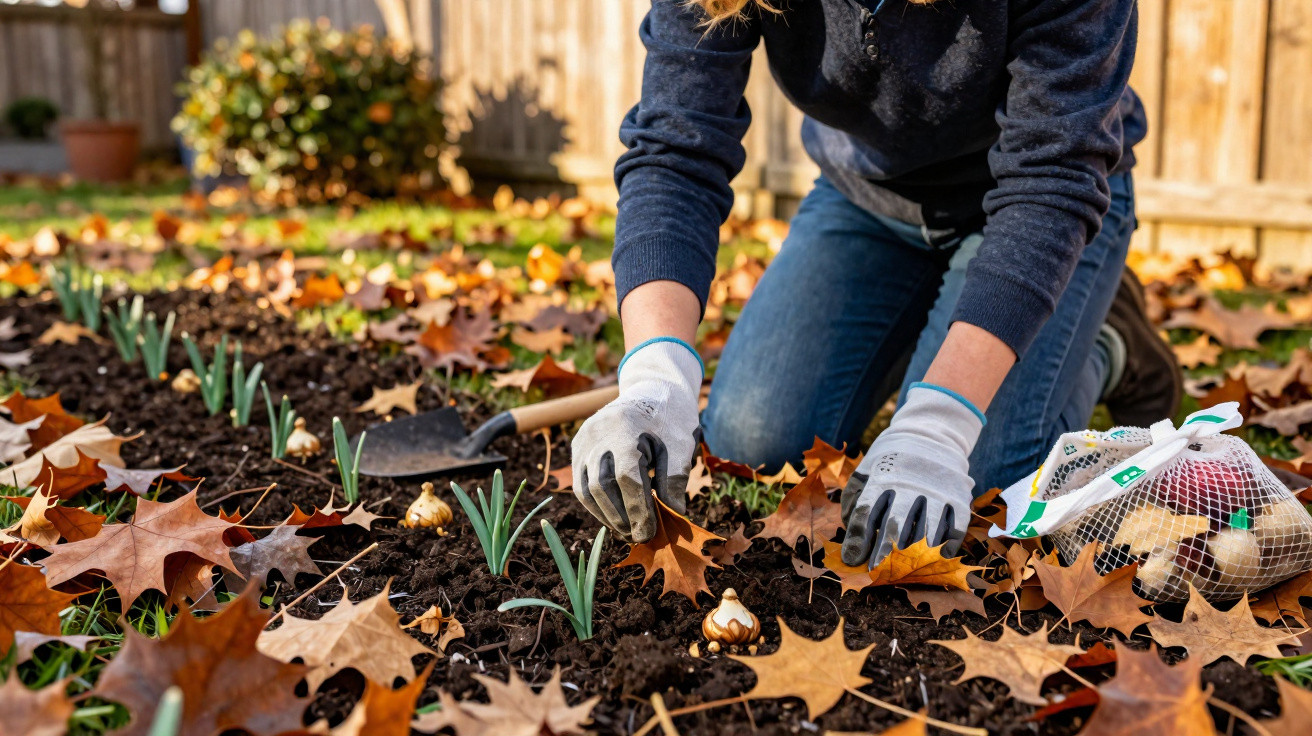
With a few well-chosen steps now, you can lay the groundwork for a dream sea of snowdrops next year.
Many garden lovers enjoy the first snowdrops in late winter, but then cut everything back far too soon - and are left wondering why flowering is weaker the following year. If you treat these early bloomers properly as soon as the last flowers start to droop, you can get a surprising amount from the small bulbs. The period after flowering matters more for snowdrops than many people realise.
After flowering: why timing matters for snowdrops
Once the blooms are over, it can be tempting to tidy up straight away. However, what happens immediately after the flowers fade is the key phase that determines how well the bulbs will perform next season.
Leave the leaves: why a bit of wild growth is essential now
After flowering, many people can’t stand the sight of limp leaves and reach for the shears. That is exactly what harms the bulbs. Right now, the green leaves are the plant’s power stations.
"Snowdrops need six to eight weeks after the last flower to recharge enough energy back into the bulb through their leaves."
During this period, photosynthesis is working at full capacity. The plant channels nutrients and stored reserves into the bulb. Only when the leaves naturally turn yellow and die back is this process complete.
Cutting too early: the consequence for next year’s flowering
If you cut earlier, you effectively "pull the plug" on the bulb. The result:
- significantly fewer flowers next year




Comments
No comments yet. Be the first to comment!
Leave a Comment