
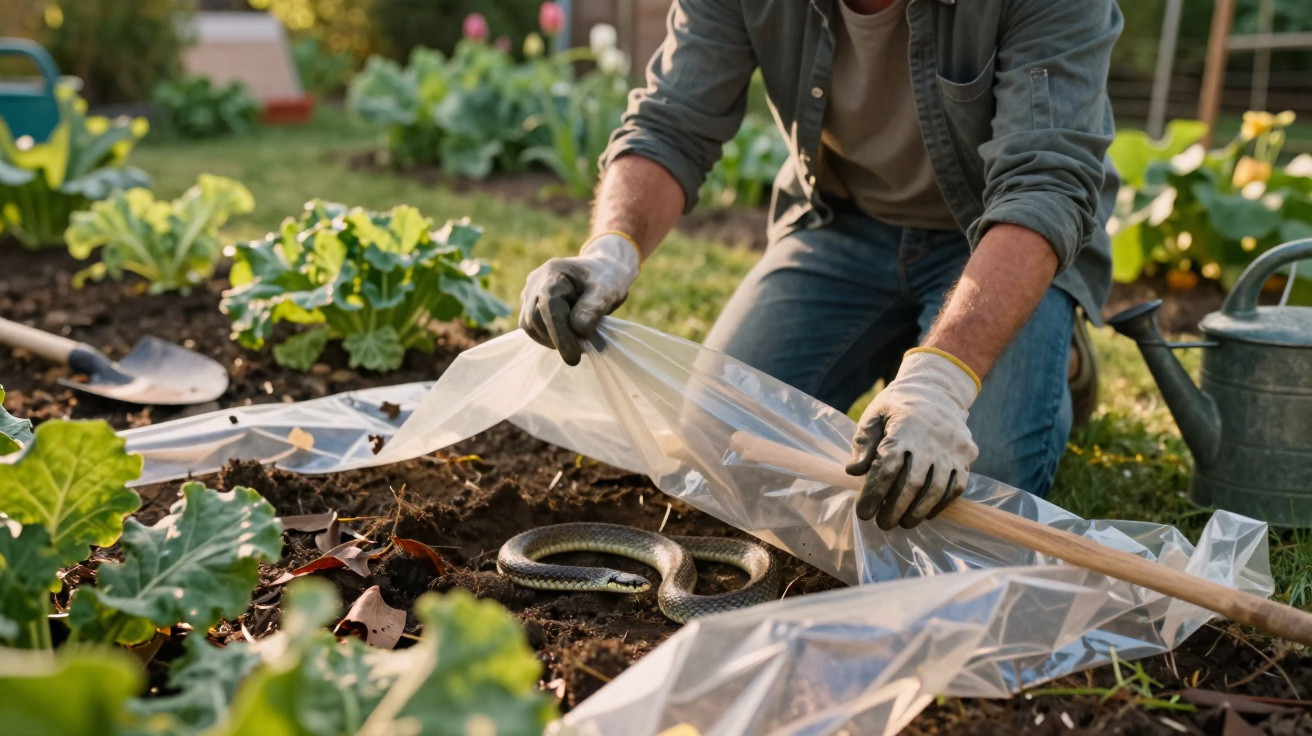
Many homeowners only realise it when they hear the tell-tale hiss.
Between flowerbeds, the patio and the tool shed, a hazard can sit in plain sight: a plain dark plastic tarpaulin or weed membrane. What feels practical for gardeners can look to snakes like a heated spa area - complete with a handy hunting perch. With a bit of smart planning outdoors, you can greatly reduce awkward encounters without slipping into panic.
Why snakes are suddenly appearing more often in gardens
Across many parts of Europe, residents have reported seeing snakes close to houses more frequently in recent years. That does not necessarily mean there are suddenly more reptiles; instead, domestic gardens have become far more appealing places for them.
Snakes such as the European adder and the asp viper are cold-blooded. They rely on external heat to become active, hunt prey and digest their food. Temperatures of around 25 to 30 °C are ideal - and that exact range is created in many gardens in spots most people never think about.
"Dark, quiet areas that warm up easily just a few centimetres above the ground act like a magnet for snakes."
From roughly mid-March, when the animals emerge from winter dormancy, through to late October, they take every opportunity to warm themselves. And, unintentionally, our tidying habits often provide the perfect setup.
The dark plastic tarpaulin as a snake magnet
The understated heart of the issue is this: black or dark green plastic tarpaulins and synthetic weed-control membranes laid directly on the ground. You will find them around beds, beneath gravel, next to the compost heap or along the edge of a patio.
The reason is straightforward:
- Dark colour absorbs sunlight particularly well.
- Plastic holds heat for much longer than bare soil.
- A dry, warm pocket of air forms underneath, which cools down only slowly.
- Low disturbance: beneath the sheet it is calm and sheltered.
To a snake, that single patch provides three things at once: a heater, a hideout and an observation point for mice, lizards and other prey.
"A thin, black sheet on the ground quickly turns into a perfect thermal refuge for reptiles in spring."
Common scenarios many people recognise from their own plot include:
- A winter cover from the vegetable patch that gets left down in spring “just for a moment”.
- Black film used for weed suppression that stays on a bed for weeks.
- A rolled-up tarpaulin dumped in a damp corner beside the shed.
Especially in spring, hobby gardeners often whip these covers away with a sharp tug. If a snake is underneath quietly regulating its body temperature, that is exactly when the unpleasant shock happens.
Other typical snake hiding places around the home
The tarpaulin is often only the first clue. If you look at your garden through “snake eyes”, you will quickly spot other tempting corners.
Warm, undisturbed spots right at ground level
Snakes are particularly drawn to places that are warm, dry and rarely disturbed, such as:
- Log piles placed directly on the ground, especially against sunny walls.
- Pallets, where a sheltered void forms underneath.
- Garden storage boxes and crates positioned tight to the house wall.
- Bags of compost, fertiliser or leaves that sit untouched for long periods.
- A jumble of old sheets, boards and stones under decking or a terrace.
These small “micro-habitats” also support insects and small mammals - which naturally increases the appeal for snakes that come to hunt.
The garden hose as a warm corridor
Another often-missed detail: a long garden hose left stretched out in the sun heats up like a slim radiator shaped like a snake. Small reptiles often move along this warm strip. That, in turn, can make the surrounding area more attractive to venomous snakes because potential prey passes by more frequently.
Higher-risk times of day
Most encounters do not happen early in the morning, but rather:
- late morning, once the ground has properly warmed,
- afternoon, especially in sheltered, windless spots,
- early evening, when the day’s heat starts to ease.
On extremely hot days, snakes are more likely to retreat into shaded, cooler structures - under wood, into gaps in walls or beneath dense vegetation. After a heavy rain shower, they tend to look for dry niches again where warmth builds up quickly.
Anti-snake checklist for garden owners
If you design and maintain your plot with intention, you can significantly reduce the chances of an unwanted encounter - without harming local wildlife.
Handling tarpaulins and membranes correctly
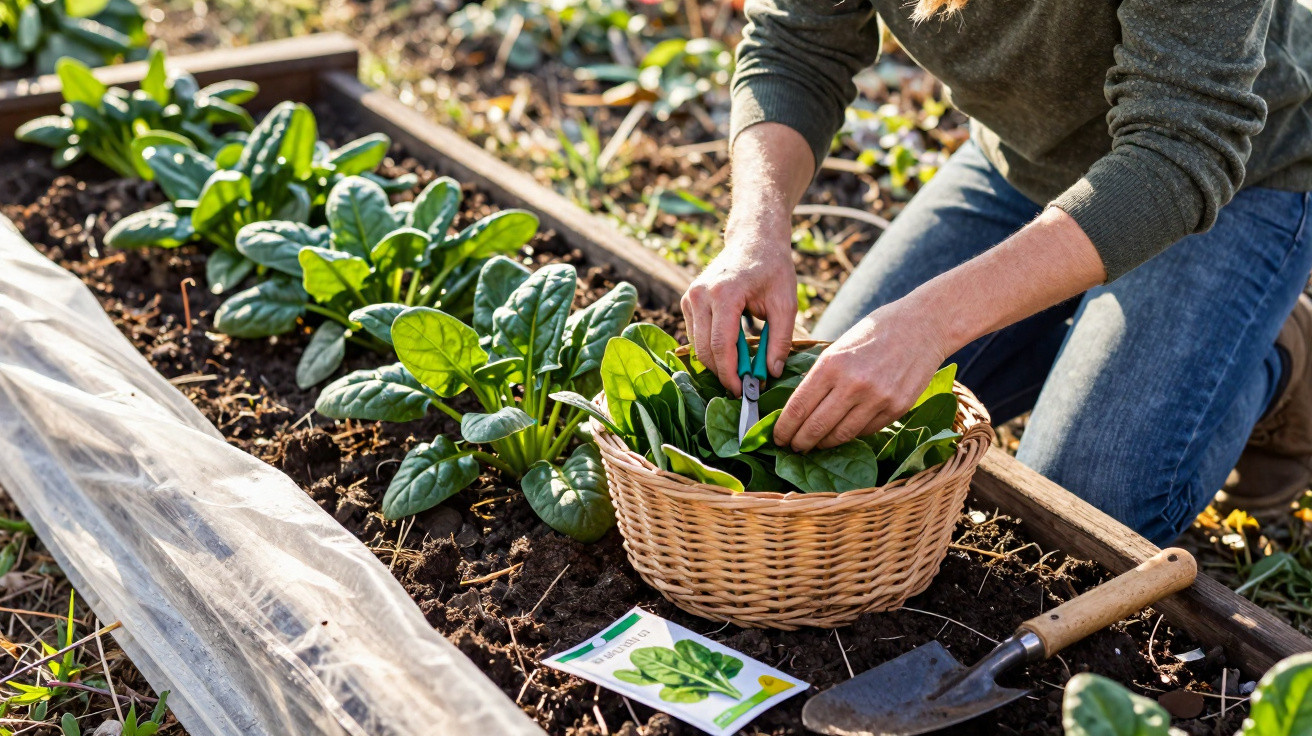
- Regular check: After winter, gather up and remove any tarpaulins, sheets and old plastic pieces that are no longer needed.
- Lift safely: Never yank up an in-use sheet with bare hands. Use a long stick or a rake to raise one corner slightly first and check whether anything moves underneath.
- Bury the edges: If you use film as ground cover, bury the edges about 10 centimetres deep and pull it tight. That prevents a hollow space where animals can slip underneath.
- Use alternative materials: Instead of synthetic weed membrane, use organic mulch such as bark chippings, straw or shredded garden clippings.
Tidy up without making the garden sterile
The aim is not to over-tidy the garden into lifelessness. A few small changes are often enough:
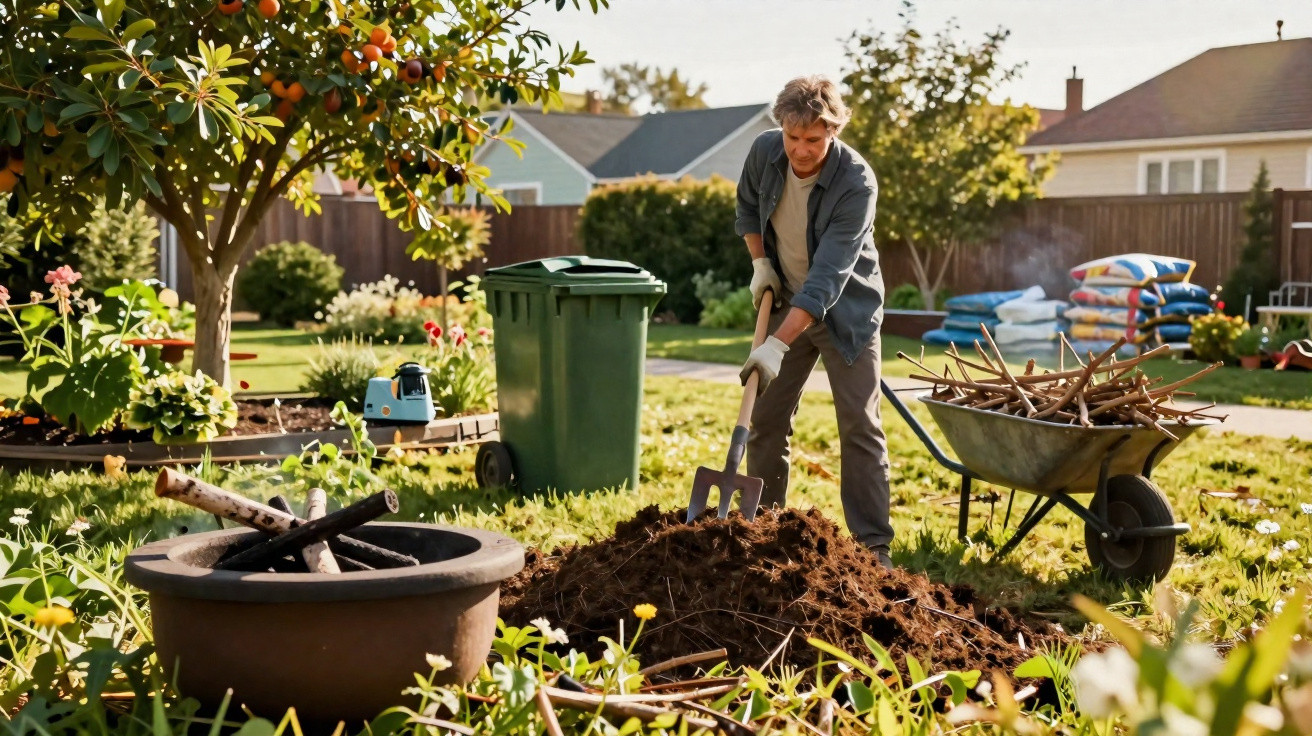
- Store log piles at least 20 centimetres off the ground, for example on stones or concrete blocks.
- Create a narrow, short-cut strip of lawn 1 to 2 metres wide around the house, keeping it free of dense scrub.
- Avoid piles of boards, sheets and clutter, particularly near the patio and the main entrance.
- Keep children’s areas (such as sandpits and trampolines) relatively snake-unfriendly - meaning no adjacent tarpaulins and no tall tufts of grass right beside them.
"Small changes to garden layout reduce risk without forcing wildlife out."
How to react properly when you see a snake
Many encounters end harmlessly, even if the fright lingers. Staying calm is the most effective protection.
Step by step when you spot one
- Stay calm; do not make sudden movements.
- Step back slowly by one or two paces.
- Leave the snake an escape route; do not block its way.
- Do not try to catch it, hit it or shoo it away with your foot.
Venomous snakes generally bite only when they feel heavily threatened or are accidentally stepped on. Many will retreat as soon as they see a clear way out.
If a snake remains in a sensitive area - for example near children’s play equipment, on the patio or in a chicken run - your local council, the fire and rescue service, or local wildlife and nature conservation groups may be able to help, depending on where you live. In many cases, trained people can assess whether it is even a venomous species and advise what to do.
What to do if you are bitten
Bites are rare, but they should never be treated lightly. In Europe, doctors record on average a few hundred to around a thousand snake bites per year; fatal outcomes are extremely uncommon thanks to modern treatment.
- Call the emergency number (112) immediately.
- Remove jewellery such as rings or bracelets near the bite site before swelling increases.
- Keep the bitten limb as still as possible and do not raise it.
- Do not cut the wound, do not suck it out, and do not apply an improvised tight bandage or tourniquet.
The faster medical care begins, the better symptoms can be limited. Even if the bite initially looks mild, the effects of venom can develop with a delay.
Why snakes will remain despite every precaution - and why that is a good thing
Even with excellent garden maintenance, there is no such thing as a guaranteed snake-free plot. Reptiles are part of local wildlife and are strictly protected in many countries. They eat mice, rats and other small animals, helping with “natural pest control” as a side benefit.
Once you understand why certain garden features are so attractive to snakes, you can make more informed choices: place key refuge areas closer to the edge of the property, keep utility and play zones tidier, and avoid risky items such as loose, dark film.
For families with children, it is worth having an open conversation about simple garden rules: do not jump into leaf piles, do not crawl under sheets, and wear sturdy shoes when playing in long grass. With a few straightforward routines, the risk drops markedly - without poison, traps or drastic clearance.
Comments
No comments yet. Be the first to comment!
Leave a Comment