
While roses, perennials and summer bedding plants dutifully stick to their seasonal timetable, one plant seems to flatly refuse to take a break: Lantana camara. In Central Europe it is still something of an insider tip, yet it flowers relentlessly and copes with surprisingly little fuss. If you are tired of bare borders and blooms that disappear after a few weeks, this is a shrub worth knowing.
A flowering machine that practically never stops
Most ornamental plants put on their big spring or summer display and then retreat into a resting phase. Lantana does not play by those rules. Its rounded flower heads appear more or less continuously, and minor swings in temperature barely slow it down.
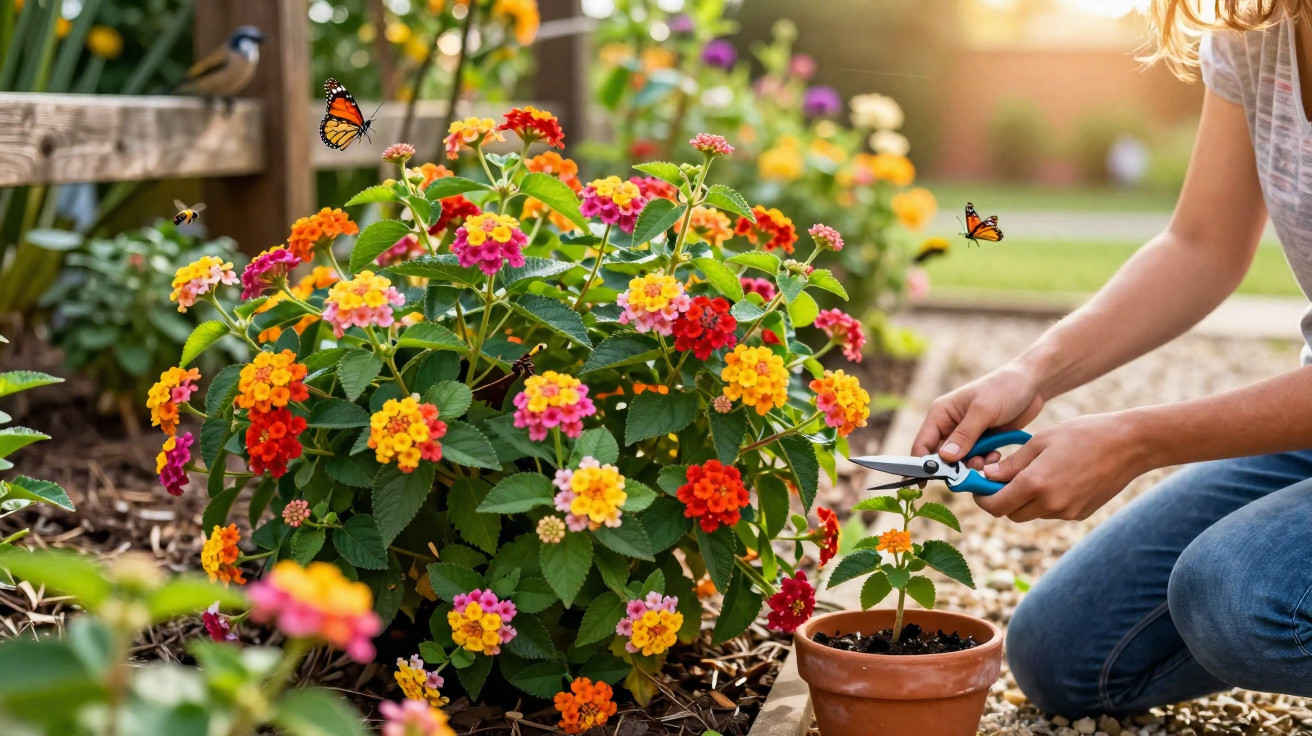
Each of these pom‑pom clusters is made up of many tiny individual flowers that open in sequence. As the outer ring begins to fade, fresh buds are already pushing through in the centre. The result is that the shrub never looks “finished” or stripped bare; it always appears to be at peak bloom.
Visually, Lantana brings plenty to the table: strong yellows, orange like a sunset, pink, red and even violet-often combined on the same plant. Some cultivars even change colour as the flowers age. If you like bold colour, it can feel like a mini firework display in the border.
"A plant that flowers without a pause is the exception in the hobby garden-Lantana is one of those rare exceptions."
It becomes especially appealing once other plants have long since wound down. While many perennials die back and shrubs drop their leaves, Lantana continues to provide colour in milder regions. Even in the more drab months, it keeps the garden feeling alive-a real lift when everything around you is grey.
A dream for the laid-back: minimal care, maximum impact
Lantana camara originally comes from tropical and subtropical areas of the Americas and Africa, which goes a long way towards explaining its toughness. Heat? Fine. Short dry spells? Not a problem. Nutrient-poor soil? It tolerates it with remarkable ease.
In day-to-day terms, this means anyone who does not want to be constantly watering, feeding and checking plants is well served by Lantana. The basics are straightforward.
- Watering: Give it a thorough soak only during extended dry periods; otherwise keep watering light.
- Soil: Loose and free-draining; no specialist compost required.
- Feeding: A standard flowering plant feed every few weeks is enough, but it is not essential.
- Pruning: One or two light trims per year keep the shape and encourage fresh flowers.
- Pests and diseases: Usually few issues; often noticeably more resilient than roses or petunias.
The most important factor is light. Lantana loves full sun. The more direct sunshine it receives, the denser and more intensely it will flower. Partial shade can work, but it typically results in far fewer blooms. If you want to get the most out of its “non‑stop flowering” habit, place the pot-or plant the shrub-somewhere warm and sunny, such as against a south‑facing wall or along the edge of a patio.
How to make it work in colder regions
In our winters, Lantana is not fully frost-hardy. Even so, home gardeners do not have to go without it. The key is growing it in a pot. In summer, keep the container outside in the sun; in winter, move the plant to a bright, cool place-such as a stairwell window, a conservatory, or an unheated but frost-free room.
During this period, Lantana can slow down a little, and then it springs into action all the faster in spring. If you overwinter it consistently, you can keep the shrub for years rather than buying a new one every season.
Common mistakes that are easy to avoid
To keep the continuous flowering going, it helps to be aware of the main pitfalls:
- Too little light: Leads to long, thin growth and very few flowers.
- Waterlogging: Lantana hates sitting in wet compost-use a drainage layer in the pot.
- A pot that is too small: It grows quickly and needs enough room for its roots.
- Hard pruning at the wrong time: Cutting it right back mid-season briefly slows flower production. It is better to prune in late winter or straight after a stronger flowering phase.
A magnet for butterflies, bees and birds
Lantana is not just attractive; it is also a small powerhouse for biodiversity in the garden. Because it flowers for so long, it provides nectar for much of the year-an advantage for insects when other sources are scarce.
Butterflies in particular are drawn to the colourful flower clusters. If you plant several Lantanas in a sunny spot, you may see genuine “clouds of butterflies” in summer. Wild bees and honey bees also make good use of it, especially when many other flowering plants are taking a break.
"Lantana combines ornamental value with real benefit: nectar for insects, later fruit for birds-and that for almost the whole year."
After flowering, the plant produces small, dark berries that attract various bird species. What starts as a simple flowering shrub can become a mini ecosystem at eye level. For wildlife-friendly gardens as well as urban balconies, that is a strong argument.
Versatile in use: from ground cover to a standard
From a design perspective, Lantana is genuinely versatile. Depending on the cultivar and how you prune it, it can be shaped to suit different purposes.
| Use | Suitable form | Benefits |
|---|---|---|
| Ground cover | Low, trailing cultivars | Quickly fills bare areas, colourful carpets of flowers |
| Low hedge | Compact, bushy varieties | Bold border edging, good structure in the garden |
| Container plant | Medium-height cultivars | Ideal for patios and balconies, easy to overwinter |
| Feature plant | Grown as a small specimen or as a little standard | Eye-catcher in borders or near seating areas |
Because Lantana grows fast, it can quickly fill gaps in beds and borders. At the same time, that vigour should not be underestimated: if you never prune, it may crowd out neighbouring plants. A decisive trim once or twice a year keeps it in check and can even encourage denser branching with more flowers.
What else you should know: toxicity and safety
As appealing as Lantana is, one point needs to be stated plainly: many varieties are considered toxic, especially the berries and leaves. In countries where it grows freely, poisoning incidents among grazing animals occur when large amounts are eaten.
In the home garden, this means families with small children or free-roaming pets should think carefully about where to place it. A taller container, an area children do not constantly use, or clear garden rules can significantly reduce the risk. If you want to be extra cautious, position Lantana where nobody is likely to pick berries on impulse.
Practical tips for getting started with Lantana
If you want to try Lantana for the first time, you can buy young plants from a garden centre or online. You will often find mixes of colours on offer, such as yellow–orange or pink–purple.
For beginners, a larger pot with a saucer is a good starting point. Here is a simple approach:
- Put a layer of expanded clay pellets or gravel in the base of the pot for drainage.
- Mix multipurpose compost with a little sand or fine grit so water can drain freely.
- Plant it so the root ball sits just below the rim.
- Water thoroughly, then place the pot in a full-sun position.
- Remove spent flower clusters now and again to keep it looking fresh.
After a few weeks, you will see how forgiving Lantana can be when it comes to minor care mistakes. Even without knowing every gardening trick, it is rare to fail completely. That is exactly what makes this shrub so appealing for beginners-especially compared with delicate orchids or fussy houseplants that demand a lot of know-how.
Why Lantana is a perfect fit for today
Gardens today often have to do more: use less water, support insects, look good for longer, and still not turn into a full-time job. Lantana meets a surprising number of these needs at once.
It suits people who enjoy sitting outdoors but do not want to spend every weekend carrying a watering can. It works on balconies where space is tight but colour is still essential. And it appeals to anyone who tells themselves every January: “This time, I do not want to wait months for the first flowers again.”
If you are looking for a dependable, tough and visually striking plant for the garden, patio or balcony, Lantana camara is a candidate that has been underestimated for far too long-and one that proves long-flowering plants do not have to be complicated.
Comments
No comments yet. Be the first to comment!
Leave a Comment