
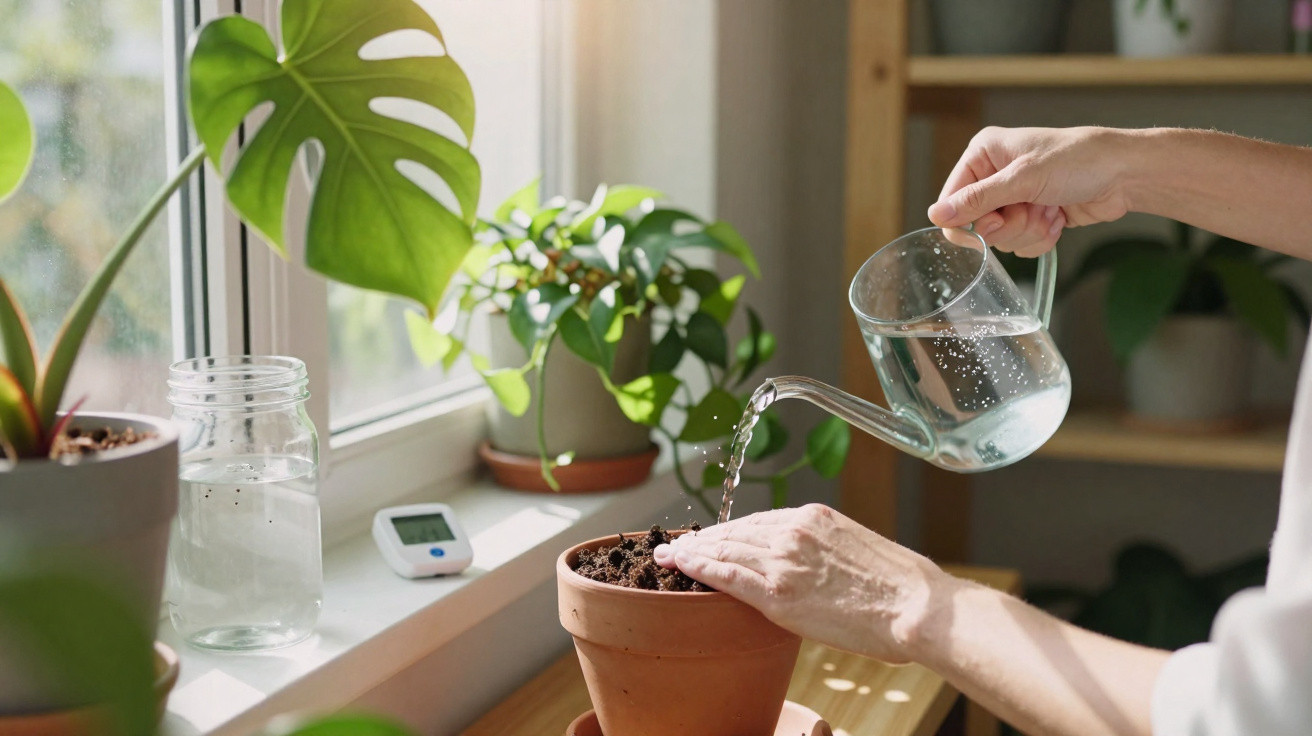
Houseplants that turn yellow, droop sadly and end up in the bin despite the best intentions: countless people recognise that pattern. The good news is that it’s rarely a lack of “talent” and far more often a matter of understanding when to water and how to do it properly. With a few habit changes, leafy indoor plants can easily stay with you for 10 years or more.
The myth of the “black thumb”
Many people say, resigned, “Every plant dies on me.” That kind of statement can become a self-fulfilling prophecy: if you’re convinced you’re hopeless with plants, you tend to watch them less closely-and you end up repeating the same mistakes.
“It isn’t talent that decides whether a plant lives, but timing, observation and simple routines.”
Plants aren’t ornaments; they’re living organisms with clear biological rhythms. They respond to light, temperature, humidity and the time of day. If you water rigidly “once a week”, you ignore those cycles-and even tough varieties end up under unnecessary strain.
The most important shift is this: stop thinking in calendar terms and start thinking about the clock. The time of day when water reaches the roots can determine whether it acts as a lifeline or gradually undermines the plant.
Why watering in the afternoon so often backfires
Lots of people reach for the watering can exactly when the sun is blazing through the window and the top of the compost looks dry. It feels sensible-yet it’s usually the worst time.
Evaporation instead of hydration
From midday through to late afternoon, the air warms up considerably. Water added at this point evaporates extremely quickly from the surface. A large share never makes it down to the deeper root zone.
- The surface looks damp while underneath it stays dry.
- The plant “assumes” there’s moisture available, but it’s still thirsty.
- You water more often-yet the stress continues.
That’s how the odd combination develops: waterlogging in the upper compost with dryness where the roots actually are. Many cases of yellowing leaves and stunted growth trace back to this poorly chosen window.
The dangerous magnifying-glass effect on leaves
It becomes even more problematic if leaves get wet while watering, or if you mist with a spray bottle. In strong sunshine, water droplets behave like tiny lenses:
“Every drop concentrates sunlight-and can scorch brown burn marks into the leaf.”
Those marks can look like disease, but they’re simply sunburn. Plants by a south-facing window are particularly prone. If you care about your collection, it’s better to leave the watering can and mister alone during the hottest part of the day.
Watering in the evening: convenient for daily life, risky for roots
After work is when many people finally get to their plants. The sun has gone, everything feels calmer-so it sounds like the perfect moment. In practice, it often isn’t.
Stagnant wetness overnight
At night, a plant slows its metabolism. It absorbs noticeably less water and transpires hardly at all. As a result, freshly watered compost can remain very wet for many hours-exactly the damp environment that fungi and rot-causing bacteria thrive in.
Possible results include:
- rotting roots caused by constant wetness
- a musty smell coming from the pot
- black, mushy root tips
- mould forming on the compost surface
At the same time, the room usually cools slightly overnight. Wet compost plus cooler air creates conditions in which roots breathe less effectively and take up fewer nutrients. The plant can then appear “overwatered and still thirsty”: limp leaves, slower growth and yellowing.
The overlooked game-changer: watering in the morning
If you want your plants to stay healthy for many years, a simple rule helps: water when the plant is starting its day.
“The best time to water is in the morning-ideally in the hours after sunrise.”
Perfect synchronisation with photosynthesis
As soon as light reaches the leaves, the plant opens tiny pores called stomata. It begins drawing water through the roots, moving nutrients and producing energy.
When moisture reaches the root ball at that moment, the resources are available precisely as the system ramps up. The plant can:
- keep leaves firm and full,
- handle temperature swings during the day more easily,
- use nutrients more efficiently.
By night-time, the pot has had time to release excess moisture. The compost can dry slightly without becoming bone-dry, which significantly reduces the chances for fungus and rot.
Tap water: a quiet stress factor in the pot
Watering straight from the tap with ice-cold water adds avoidable stress even for healthy plants-especially in the colder months.
Temperature shock to the roots
Most houseplants live at around 19 to 22 °C. In winter, tap water can be much colder than that. Cold water hitting warm roots is like a cold shower after a sauna-minus the refreshing benefit.
Potential consequences:
- Roots “tense up” and function less effectively.
- Growth stalls and new leaves fail to appear.
- Sensitive types such as ficus may suddenly drop leaves.
Chlorine-an issue for fine root hairs
Tap water is often treated with chlorine to keep it hygienic. That’s not a concern for people, but over time it can be harsh on root hairs and on the microorganisms in compost.
“If you let water stand for a few hours, tap water becomes a far more plant-friendly option.”
Ideal approach: fill the watering can in the evening and leave it in the room overnight. The water reaches room temperature, and some chlorine escapes as a gas. In the morning, you’ll have a gentle, pleasantly tempered supply ready to use.
Move away from a weekly schedule and use the finger test
The popular rule “water once a week” fails for most species. Too many variables change how much water a plant actually needs:
| Factor | Effect on water needs |
|---|---|
| Season | much higher in summer, lower in winter |
| Pot size | small pots dry out very quickly |
| Position | a south-facing window uses more water than a north-facing window |
| Humidity | dry central-heating air increases demand |
| Growth phase | new shoots = more thirst, dormant period = less thirst |
Instead of a fixed rhythm, you need real checking: the finger test. Push your index or middle finger about 2–3 cm into the compost.
- If it feels dry: water the next morning.
- If it still feels cool and slightly damp: wait.
This simple check is more reliable than any watering app and quickly shows which plants want lots of water and which prefer less.
Learning to read leaves: spotting signals before it’s an emergency
Plants “speak” quietly but clearly-especially through their leaves. If you pay attention, you can spot thirst long before anything fully wilts.
Typical signs of underwatering
- Leaves droop slightly-not dramatically, but noticeably lower.
- The shine fades and the surface looks duller.
- Young shoots stay smaller or curl in a little.
If you only water when everything is hanging limply, you may rescue the plant again, but you weaken it over time. Every severe dry spell leaves microscopic tissue damage, and the plant’s lifespan drops step by step.
“Consistent, gentle watering is healthier for houseplants than switching between drought stress and flooding.”
Why these simple rules really can keep plants going for 10 years or more
If you water in the morning with tempered, rested water, rely on the finger test and treat leaves as an early-warning system, you create stable conditions. Within that stability, even more demanding plants such as monstera, ficus or calathea can live long-term without drama.
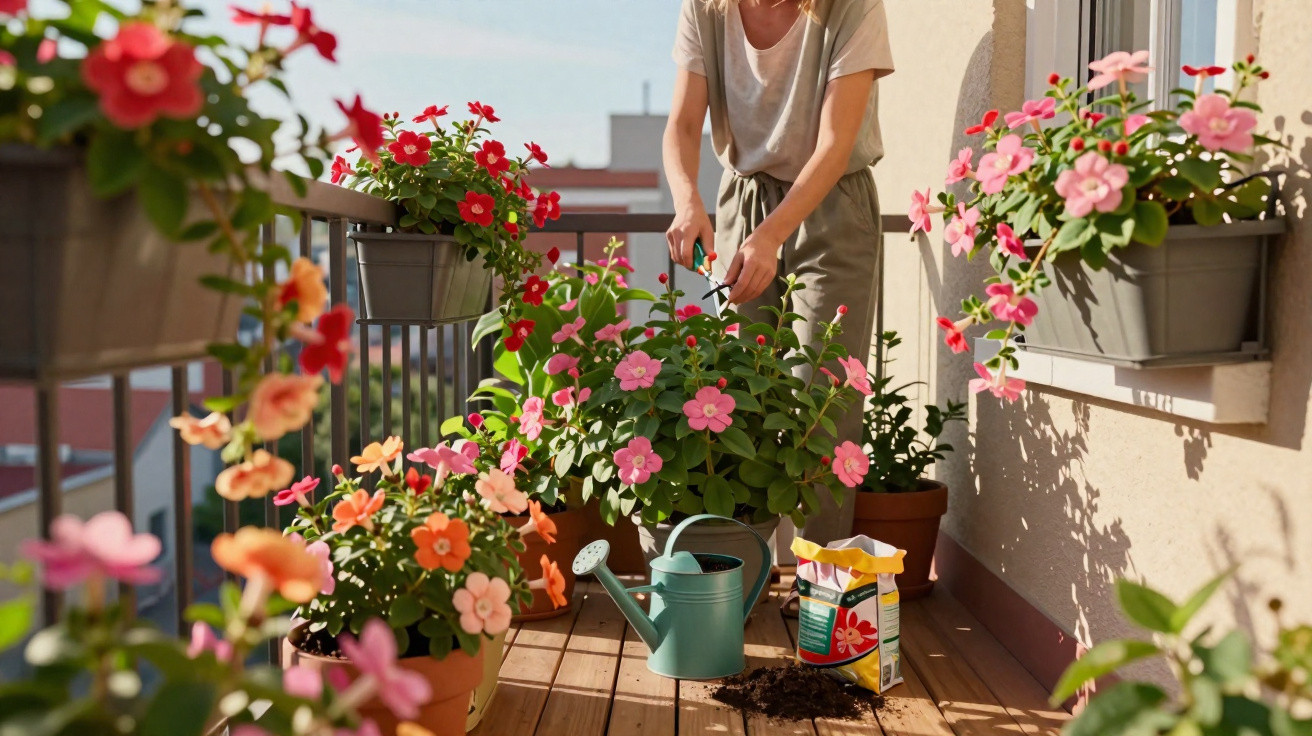
What’s especially interesting is that the same principles apply on a balcony or in the garden. Outdoors, too, plants benefit when water arrives early in the day and leaves stay dry in the midday sun. If you also choose pots with drainage holes and use an airy compost mix, you reduce waterlogging and root rot even further.
For anyone who currently sees themselves as a “plant killer”, a small experiment is worth trying: for two months, water only in the morning, always after doing the finger test, and let the water come up to temperature beforehand. In many homes, sad pots turn into a lasting, low-fuss green corner-not perfect, but hardy enough to get through the next 10 years with ease.
Comments
No comments yet. Be the first to comment!
Leave a Comment