
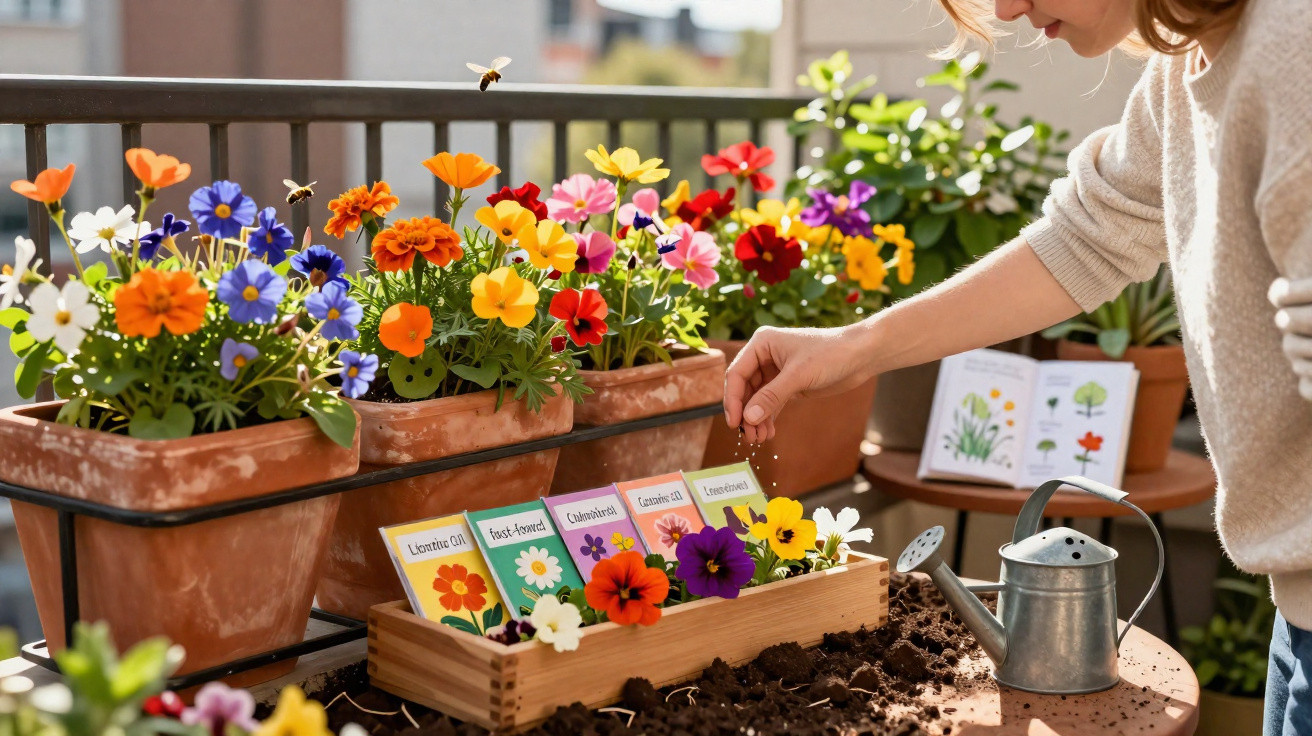
In many gardens, March still feels grey and weary even though the days are clearly stretching out. Yet this is exactly when you get a surprisingly powerful head start: by choosing a handful of targeted, fast-growing flowers, home gardeners can be looking at a sea of colour by mid to late spring-instead of waiting months for the usual summer bedding plants.
Why March is the perfect starting signal
During March the soil begins to warm, the sun climbs higher in the sky and nights gradually turn less harsh. For plenty of annual flowers, that’s the cue to get going at speed. It helps to think in two broad groups:
- Hardy annual flowers - cope with cooler nights and can usually be sown straight into the border.
- Heat-loving annual flowers - need a warm start on a windowsill or in an unheated greenhouse.
Typical bedding plants often take around three months from sowing to the first flowers. If you want proper colour by late spring and don’t fancy waiting, it’s smarter to pick varieties that bloom in roughly six to ten weeks.
"With the right varieties, you can easily cut the wait for flowers by several weeks."
The quickest flowering stars for balcony and border
The most useful choices are those that reliably flower noticeably faster than average. A few stand-out options work well for beginners and for anyone short on time.
Marigolds: close to a guaranteed display
Marigolds (Tagetes, commonly sold as low bedding plants) are famously forgiving. From seed, they often open their first blooms after just 45 to 60 days. If you sow indoors in late March or early April, you can-depending on the season-have a thick ribbon of flowers in the border by late May.
They shrug off small mistakes, germinate well, and suit small beds, window boxes and edging. Their scent can also help keep soil pests such as nematodes in check.
Zinnias: colour bombs for the second half of spring
Zinnias need more warmth to get started, but once they have it they move fast. If you begin sowing indoors in March, many varieties flower after about 65 days. Their large, often multi-toned blooms can look almost painted, bringing a slightly tropical feel to the garden.
They’re excellent as cut flowers, and regular cutting encourages the plant to keep producing fresh buds. For children, it’s particularly satisfying to watch a tiny seed turn quickly into a bold, branching plant.
Nasturtiums: an edible burst of colour
Nasturtiums are among the real quick performers: around two months after sowing, they usually start flowering reliably. The bright yellows, oranges and reds stand out from a distance. Better still, both flowers and leaves are edible, adding a peppery note to salads and sandwiches.
Depending on the variety, nasturtiums will either scramble over fences and railings or stay more compact in balcony boxes. If you start them indoors in March and move them outside after the last frosts (often linked with the “Ice Saints” period), you’re typically rewarded with the first flowers not long after planting out.
Californian poppies and cornflowers: a softer spring look
Californian poppies and cornflowers are strong choices for cooler conditions. They handle colder soil and can be sown directly into the border. Put them in during March and they often tint beds and meadow-style patches with gentle blues, whites and oranges by late spring.
Their loose, natural meadow character suits wildlife-friendly gardens and is highly attractive to bees and other pollinators.
Cosmos and petunias: long-flowering favourites with a run-up
Cosmos and petunias need warmth early on, but repay it with an especially long flowering season. Start them on a bright windowsill in March, then plant outside once the final frosts have passed. After that they hit their stride and can keep flowering well into autumn.
"Deadheading faded blooms massively extends the show with petunias-the more you remove, the more buds the plant produces."
Making the March start work: a simple routine for quick results
Picking fast varieties is only part of the equation. A straightforward but consistent March routine matters just as much. Keep a few basics in mind and you’ll greatly improve your odds of early flowers-quickly.
Prepare the soil and secure a sunny spot
Before you sow, run through a quick checklist:
- Loosen the top layer with compost so roots can push in easily.
- Choose a position with at least six hours of sun per day-light drives growth.
- Avoid waterlogging, especially in pots and balcony boxes.
If your soil is heavy, mix in a little sand or fine grit. That helps the ground warm faster and drain more quickly after rain-useful for almost all fast-growing flowers.
Direct sowing outdoors vs. starting indoors
A simple rule of thumb makes March planning easier:
| Group | Examples | How to start in March |
|---|---|---|
| Hardy annuals | Cornflowers, Californian poppy, pot marigolds, love-in-a-mist | Sow straight into the border; keep the soil lightly moist |
| Heat-loving annuals | Zinnias, marigolds, cosmos, petunias, nasturtiums | Start in trays or small pots on a windowsill |
Following this split means fewer losses to cold and a valuable time gain. Starting indoors gets plants far enough along that they can begin forming buds soon after you plant them out.
Spacing, water, nutrients: the three speed-boosters
Once the first seedlings appear, detail work begins. Three factors directly affect how quickly flowers arrive later:
- Spacing: If seedlings are too crowded, they compete for light and nutrients. Thin them out in good time.
- Water: Keep evenly moist, but never saturated. Drought checks growth; waterlogging invites rot.
- Nutrients: A loose, humus-rich soil is usually enough. Only add a light feed if growth clearly stalls.
If you sow in two rounds-early March and mid-March-you automatically stagger flowering. While the first batch is already in bloom, the second is catching up, keeping borders colourful for longer.
Turning a small garden plan into a big impact
A clear, simple planting plan is often what separates “a bit of colour” from a real spring firework display. One workable layout for a front garden or narrow border looks like this:
- Back row: tall cosmos and zinnias for height and fullness.
- Middle row: cornflowers and Californian poppies for airy clouds of colour.
- Front row: marigolds and nasturtiums, with nasturtiums allowed to spill over the edge.
On a balcony, the same idea works in containers: place a taller variety in the centre of the pot, ring it with lower bloomers, and let trailing nasturtiums hang over the rim. Even in a small space, it creates a dense, almost overflowing effect.
What beginners often ask-and what really matters
Many newcomers wonder whether it’s worth sowing seed when garden centres will sell ready-grown plants later in the year. In terms of speed, the answer is straightforward: start in March with quick varieties and you’ll have flowers well before the big buying rushes-at a fraction of the cost.
There’s also a psychological benefit. Watching seedlings emerge, thinning them for the first time, then carefully hardening off and planting out builds a different relationship with the garden. It lowers the barrier to trying more varieties next year-such as borage for insects or pot marigolds as ground cover.
Late frosts are an often underestimated risk. If you plant out too early, you can lose young plants. Indoor-raised seedlings really should go outside only once your area is reliably frost-free. If needed, simple old-school tricks-like covering overnight with horticultural fleece-can protect tender plants.
Keep those few pitfalls in mind and stick to proven quick starters, and by late spring you can often enjoy what many neighbours only see in high summer: a garden in continuous bloom from fence to balcony railing-grown from a few packets of seed started in March.

Comments
No comments yet. Be the first to comment!
Leave a Comment