
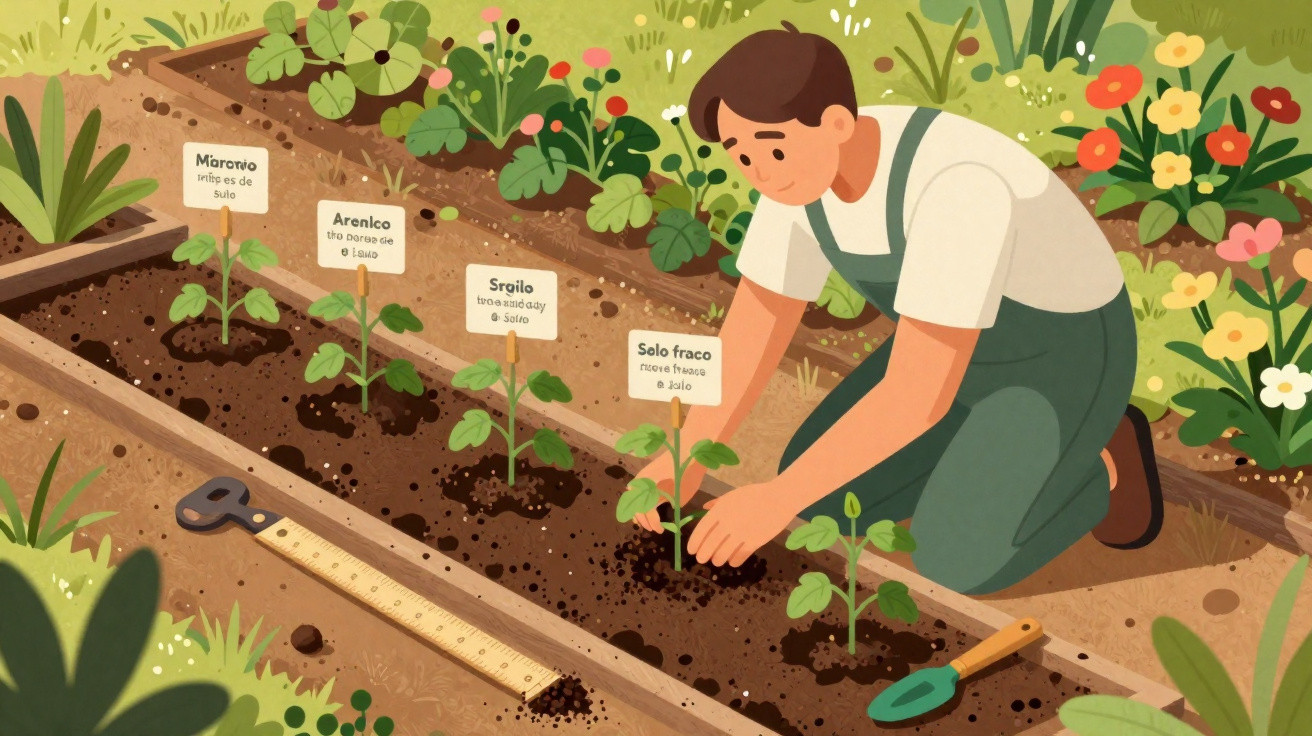
The woman in the blue jumper was planting the same tomato for the third time.
Her first attempt had been too shallow; the second, too deep; this time it was “somewhere in the middle, I guess.”
All around her, the community garden was full of small frustrations. Beans flourished in one bed but sulked in the next. Carrots split and curled in the dense soil at one end, while tender lettuces seemed to melt away in a gritty patch of sand, as though they had never intended to grow there.
No one said it openly, yet it showed in the way everyone watched their seedlings. Something hidden beneath the soil seemed to be determining which plants survived and which simply vanished.
Why the same plant lives in one bed and dies in another
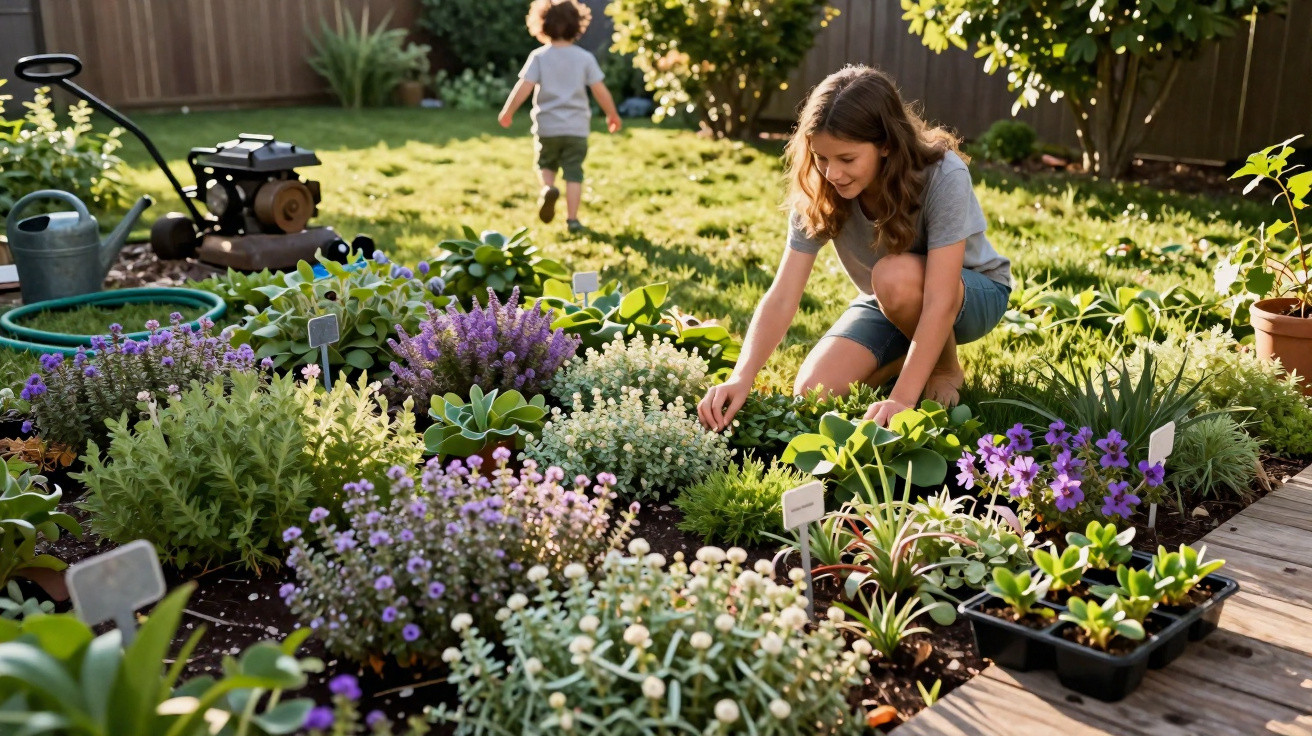
From the edge of a varied garden, it is often possible to spot a map of survival without digging at all. On a raised mound of soft, dark soil, lettuces stand upright and contented. Just two metres away, in a pale, compacted strip beside the path, the very same variety may be yellowing and collapsing, as if its life support had been switched off.
Gardeners often blame the seed packet, the weather or plain bad luck. But the real twist is frequently found ten centimetres below the surface. A planting depth that performs brilliantly in loose, sandy ground may be fatal in dense soil rich in clay.
During a small garden trial in Kent, a local association divided its beds into three broad groups: sandy, loamy and clay. The group planted identical varieties of beans, tomatoes and marigolds at several depths in each soil type, then monitored early growth and survival over six weeks.
The results were not dramatic, but they were consistent. In the sandy beds, seedlings set slightly deeper than the seed packet advised developed noticeably stronger roots and coped better with late frosts. In the clay strip, however, planting at those same depths led to frail, struggling stems and nearly 30% more losses. Across the site, only gardeners who altered planting depth to suit the soil texture came close to full survival.
The reasoning is straightforward and rooted in the soil itself. Sandy ground drains rapidly, loses moisture quickly and allows roots to travel easily, so planting a little deeper gives young plants a cooler, steadier layer where water remains for longer. Clay behaves more like wet bread: it retains water, compacts readily and can deprive delicate roots of air when they are buried too deeply.
Loam falls between the two: it is forgiving, though not miraculous. Planting depth becomes an adjustable control for balancing warmth, air and water in each soil type. Seen this way, a single depth for every garden starts to look rather careless.
How to adjust planting depth to the soil you actually have
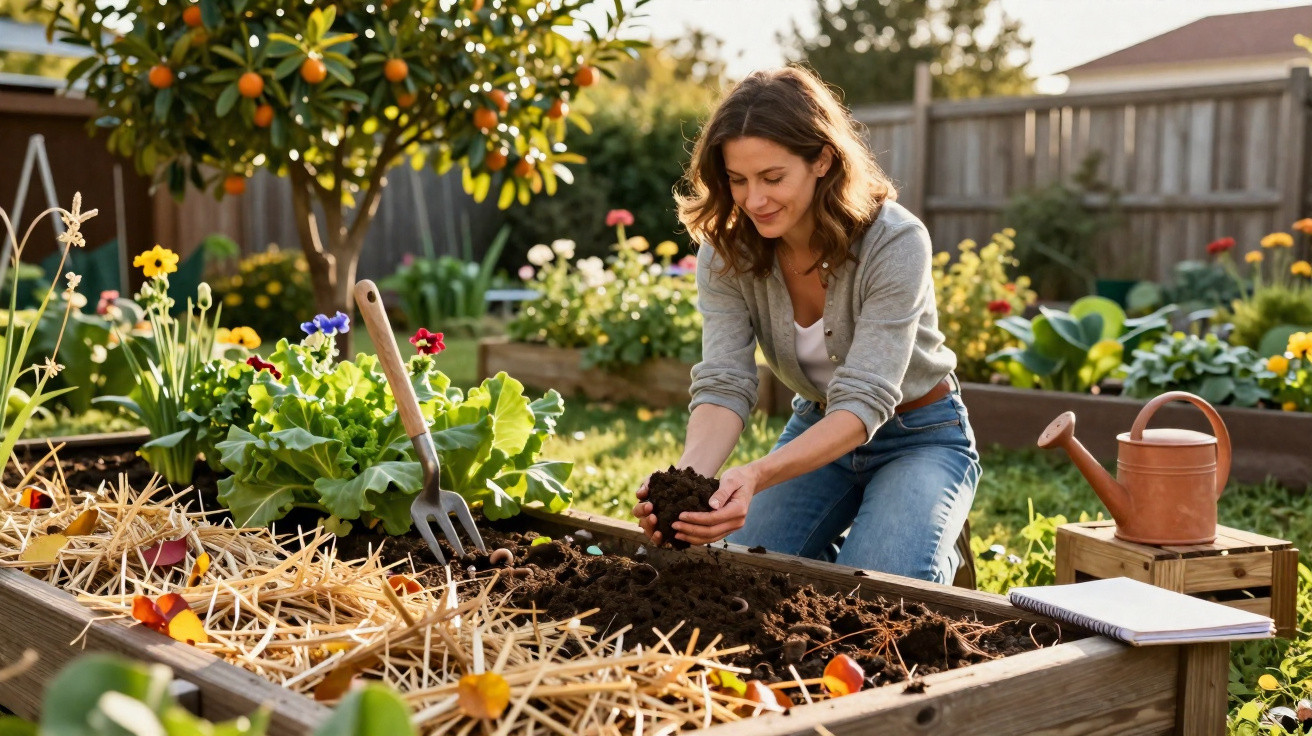
Begin with a squeeze test. Take a handful of damp soil and compress it in your hand. If it stays firmly formed and can be rolled into a sausage, you are dealing with clay. If it breaks apart and slips through your fingers, it is sandy soil. If it forms a clump but crumbles when pressed, it is loam: the useful middle ground.
In light, sandy soil, place seeds and young transplants a little deeper than the packet recommends, generally by 0.5–1 cm. With medium-textured loam, remain close to the standard guidance. In heavy clay, plant slightly more shallowly and make the hole broader, allowing roots to spread sideways rather than forcing them straight down.
This is where many gardeners make mistakes: the instructions on a seed packet are treated as though they were written for one specific garden. In reality, those directions assume “average” soil, and very few gardens truly have that. A carrot seed that thrives at 1 cm in a loose raised bed, for instance, may rot or fail to germinate at exactly the same depth in cold, sticky clay.
Most of us know the feeling of looking at an empty row and wondering whether anything beneath it is still alive. The usual urge is to sow repeatedly, rather than question the original planting depth. Realistically, nobody digs a trial trench and examines soil layers every day.
“Once I stopped planting everything at the same depth and started planting for the soil, my losses dropped by half,” says Jo, a self-taught gardener on the outskirts of Leeds.
“I used to bury transplants in my clay beds like I saw on YouTube.
They just sat there, sulking.
Now I plant shallower, and suddenly they actually move.”
- Sandy soil: Set seeds and seedlings a little deeper to reach moisture and gain stability.
- Clay soil: Plant more shallowly, prioritising a broad, loosened hole so roots do not suffocate.
- Loam soil: Use standard depths, with minor adjustments for drainage and temperature.
- Raised beds: These often behave more like sandy or loamy ground than native soil, so lean towards deeper planting.
- Containers: Keep an eye on waterlogging; shallow but wide planting can help roots to breathe.
The small adjustment that changes how you see your whole garden
Once you begin varying planting depth according to soil type, your approach changes. Instead of copying instructions, you start observing. The garden becomes less about guesswork and more like a conversation with the ground beneath your feet.
You may find that the sun-baked corner beside a wall, where the soil is light and crumbly, suits beans planted slightly deeper so they root quickly and stand up better to wind. In a shaded area of damp, clinging clay, seedlings may fare better with roots closer to the surface, where air can still reach them. You begin to realise that survival isn’t just about the sky above, but the unseen centimetres below.
| Key point | Detail | Value for the reader |
|---|---|---|
| Match depth to soil texture | Deeper in sandy soil, shallower in clay, standard in loam | Boosts seedling survival without buying anything new |
| Use simple testing | Squeeze test, observation of drainage and cracking | Gives quick, practical clues for everyday decisions |
| Adjust hole shape | Wider holes in clay, firmer planting in sand | Stronger roots, fewer losses from rot or drought |
FAQ:
- How deep should I plant seeds in sandy soil? Plant them a little deeper than the seed packet suggests, typically 0.5–1 cm deeper, so they sit in cooler, moister soil and their roots can anchor more effectively.
- What happens if I plant too deep in clay? Seeds can rot before germinating, while transplants may stop growing because roots struggle for air in dense, wet ground that stays colder for longer in spring.
- Can I use the same depth for all my beds? You can, but the results are likely to be uneven. Even small adjustments for texture usually produce more consistent germination and fewer unexplained failures.
- How do I recognize my soil type quickly? Try the squeeze test: sand falls apart, clay holds its shape and rolls, while loam clumps but crumbles when pressed. Also observe how quickly water drains after rain.
- Does this matter in pots and raised beds? Yes. Potting compost and raised beds often drain more like sandy or loamy soil, allowing seeds to go slightly deeper, although transplants still require well-aerated roots and no waterlogging.
Comments
No comments yet. Be the first to comment!
Leave a Comment