
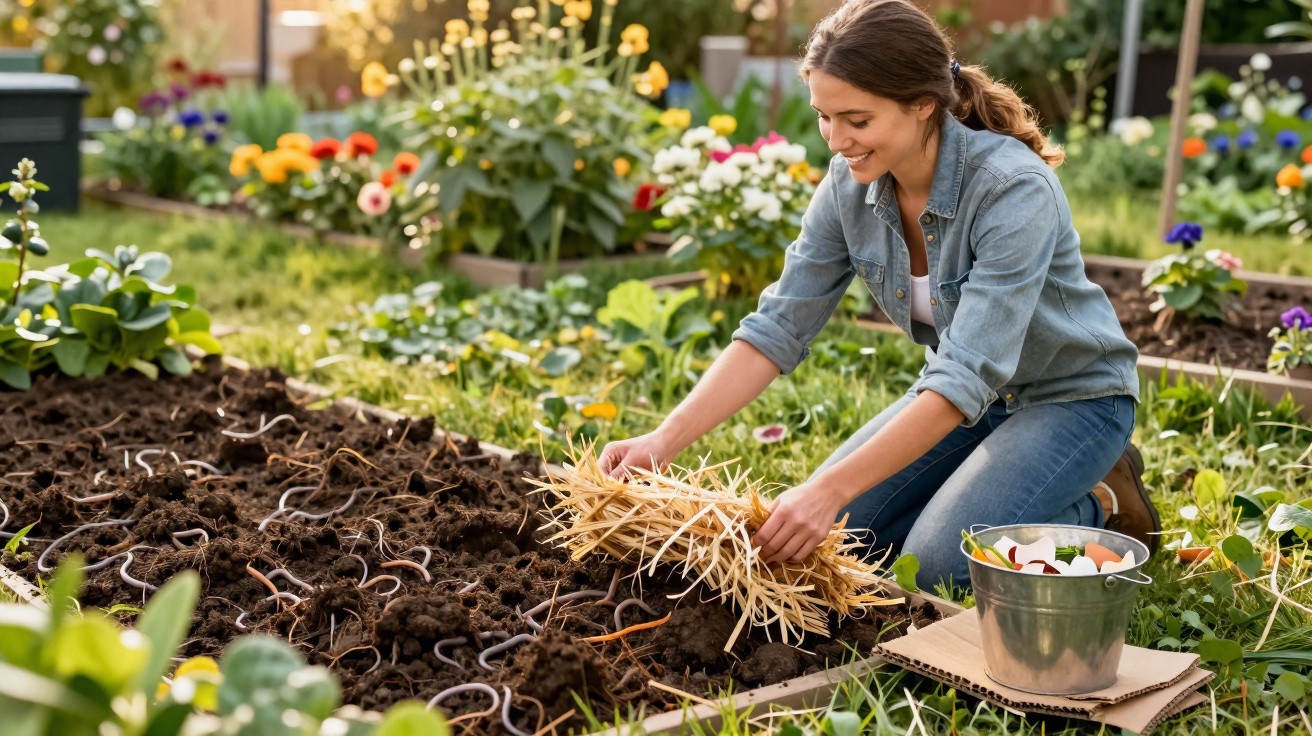
What may appear untidy on the surface is actually a carefully balanced engine of life below ground, driven by worms, fungi and a willingness to leave things alone. Increasing numbers of gardeners are moving away from plastic composters and intentionally allowing nature to take over the job.
From plastic bin to living soil factory
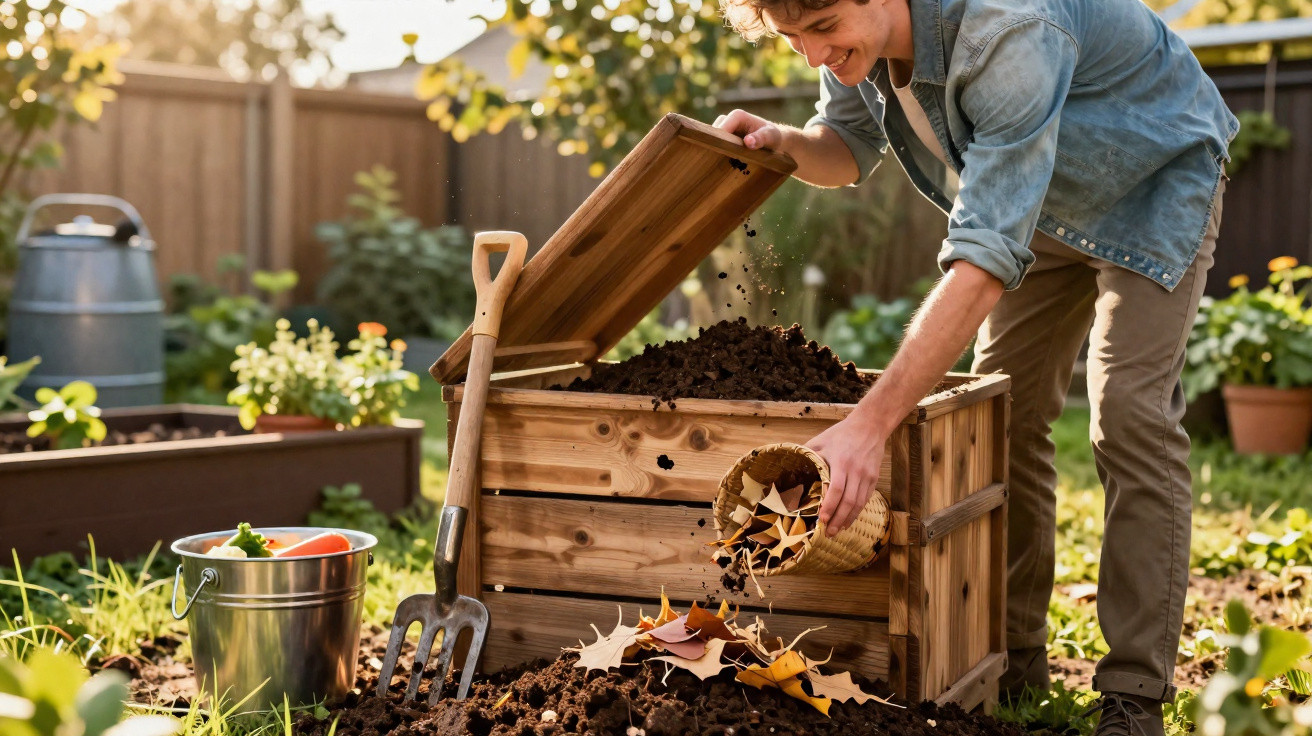
Conventional compost bins were meant to provide order: contained heaps, fitted lids and a feeling of command over decomposing material. Yet they can also mean unpleasant odours, frequent turning, uncertainty about “greens” and “browns”, and the persistent sense that another chore has been added to an already lengthy list.
This new approach treats the entire garden floor as a compost system, not a separate container that needs constant attention.
Rather than cramming cuttings and kitchen waste into a bin, supporters of this low-maintenance technique place layers of organic matter straight onto the soil in an unobtrusive spot. The soil itself serves as the compost bin. Worms, beetles, springtails and innumerable microbes process the material precisely where plants can use its nutrients.
For the gardener, this means less labour, while the soil gradually develops a better structure that is full of humus and living organisms.
Building a refuge where nature does the work
At the heart of the method is a modest decomposition “refuge”, generally positioned in a rear corner or beneath a hedge. Choose somewhere concealed, shaded for part of the day and shielded from prolonged heavy rain.
Choosing the right spot
A suitable location should be:
- On uncovered earth rather than paving or concrete
- Partly shaded by trees, shrubs or a fence
- Protected from harsh winds and intense direct sunshine
- Sufficiently distant from doors and patios to avoid drawing pests towards the house
After selecting the site, add the materials many people would regard as waste: fallen leaves, thin twigs, pruned stems, dead annual plants and a small amount of grass cuttings. There is no tumbling, no lid and no complicated balance of materials to calculate.
A small, messy-looking corner quickly turns into a hub for decomposers, feeding the rest of the garden over time.
The layered approach: simple, quiet and effective
This technique relies on arranging materials in layers, helping the heap remain moist and well aerated without developing a smell. In effect, it recreates a miniature woodland floor.
How to build the layers
Gardeners using this method commonly build the pile as follows:
| Layer | What to use | Why it helps |
|---|---|---|
| Base | Twigs, small branches, coarse stems | Creates air pockets and drainage |
| Middle | Dry leaves, shredded cardboard, straw | Holds moisture, feeds fungi and bacteria |
| Top | Fine debris, spent flowers, a bit of grass | Protects from sun, keeps smell down |
When the layers have been added, press them lightly with a hand or foot so that they do not blow about, while avoiding compressing them into a dense mat. Then comes the surprisingly straightforward instruction: leave it alone.
The deliberate decision not to turn, stir or micro-manage the pile allows delicate underground habitats to form and stabilise.
Life underground: the hidden workforce
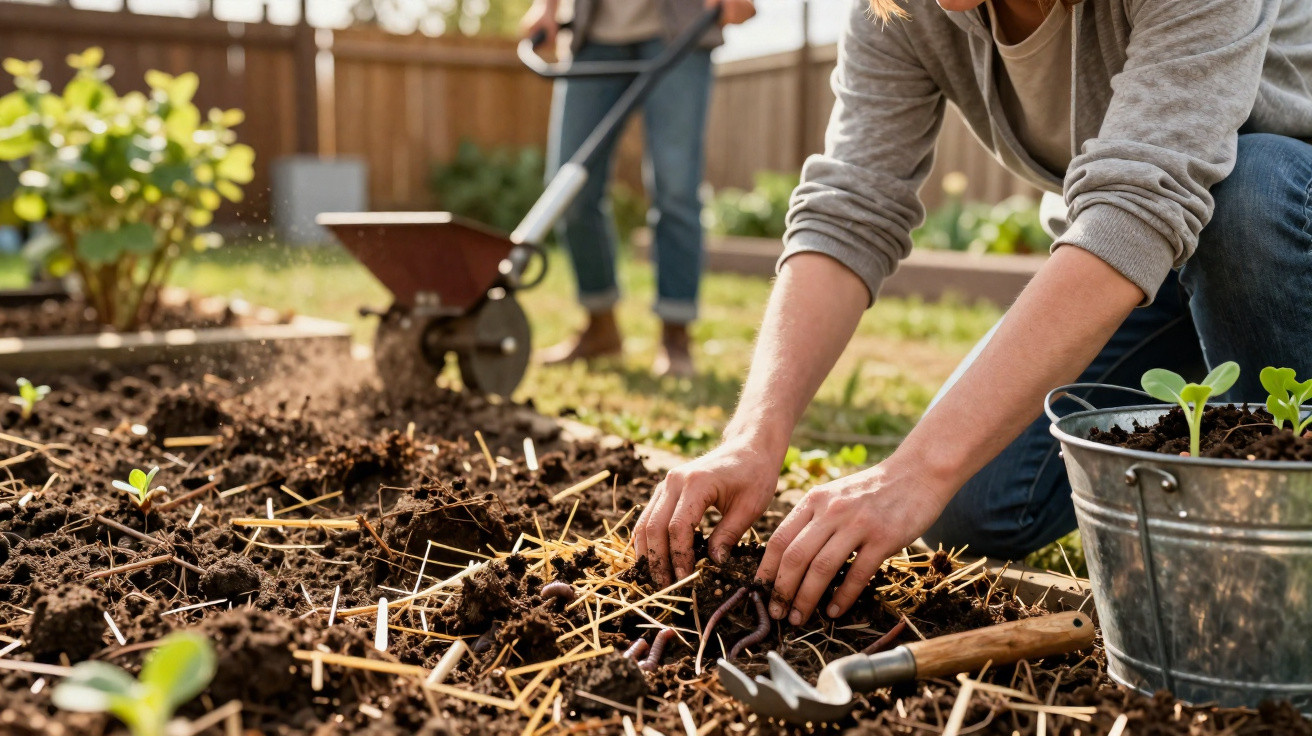
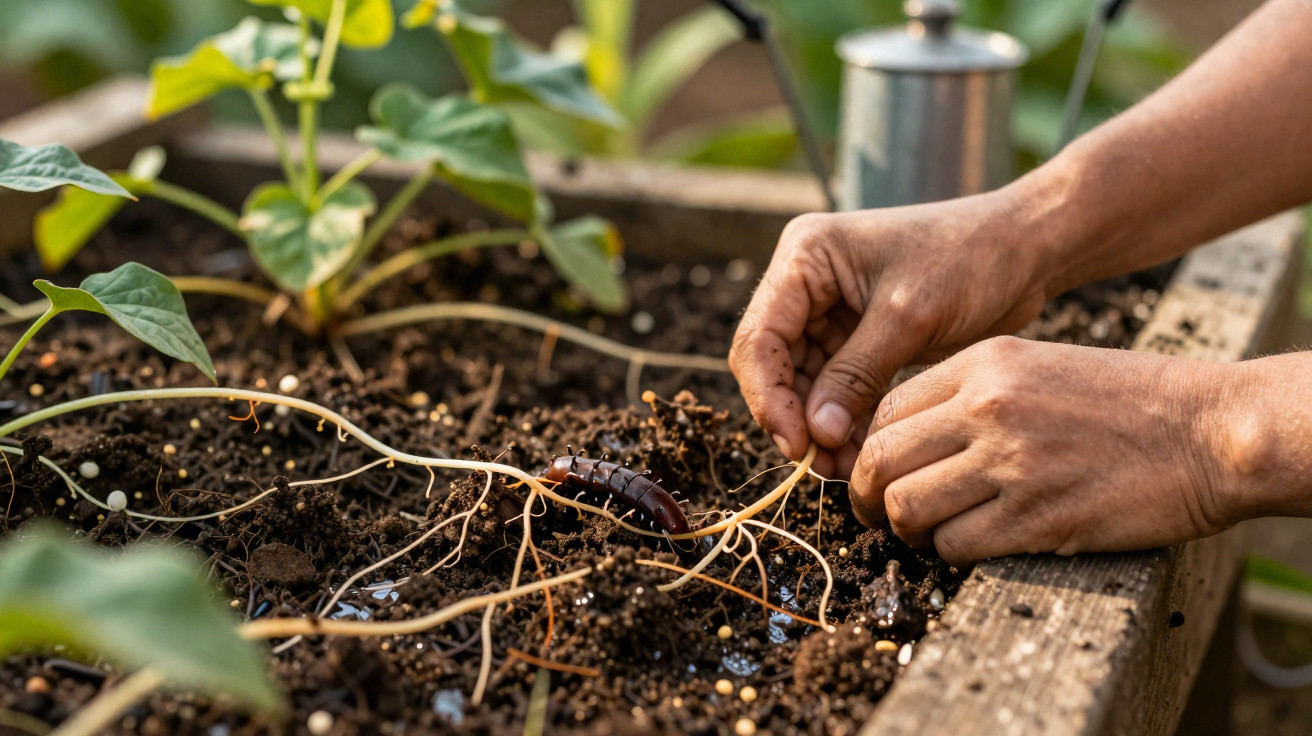
Under just a few centimetres of leaf litter, a complete food web begins its work. Earthworms pull leaf pieces into their tunnels, digest them and leave casts that function as a slow-release fertiliser. Millipedes and woodlice tackle more resilient fragments. Fungi spread through the heap, moving nutrients between decaying wood particles and the roots of living plants.
Within a number of months, an initially haphazard heap becomes a dark, friable layer with the scent of an ancient woodland after rainfall. This smell indicates active, healthy microbes and increasing organic matter in the ground.
Gardeners report looser soil, fewer cracks in summer and plants that cope better with both drought and heavy rain.
The gradual process also stores carbon in the soil, potentially making a modest reduction to household-level climate impact.
The “hands-off” philosophy that challenges old habits
For many gardeners, resisting intervention is difficult. The usual urge is to tidy, mix and improve. This method instead requires self-restraint.
What to avoid adding or doing
- Do not turn or fork over the pile, because doing so disrupts fungal networks and exposes invertebrates.
- Do not add cooked food, meat, dairy products or oily leftovers, as these may attract rats and foxes.
- Do not use large amounts of a single material, such as deep layers of grass cuttings that may become slimy.
- Do not spray the heap directly with a hose; if the conditions are exceptionally dry, gentle watering is sufficient.
A successful system will show materials slowly settling, an earthy odour and worms visible whenever the surface is carefully lifted. Should the heap appear overly dry, a light addition of new leaves or gentle watering will generally restore the balance.
Why many gardeners are switching from bins to “floor composting”
The technique attracts gardeners seeking healthy soil without making their outdoor space resemble a miniature waste-processing facility. It can be particularly useful for those short on time, with limited physical strength, or who dislike continual adjustment and maintenance.
Once established, the system quietly reduces green waste, feeds the soil and shrinks the need for bought fertiliser and peat-based compost.
Among the frequently reported advantages are:
- Less physical work than turning a traditional compost heap
- Fewer plastic structures around the garden
- Better moisture retention in nearby flowerbeds
- Greater biodiversity, including birds that search the decomposing area for insects
- A more easy-going view of leaves and “mess”, now seen as useful resources
Practical scenarios for different types of gardens
Small urban garden
Even a compact refuge hidden behind a shed in a city courtyard can support considerable activity. One square metre of layered material, replenished with fallen leaves and prunings during the year, may sustain enough earthworms to feed nearby container beds. In these gardens, some people place a basic mesh cover over the heap to discourage pets and stop material from blowing away on windy days.
Family garden with children and pets
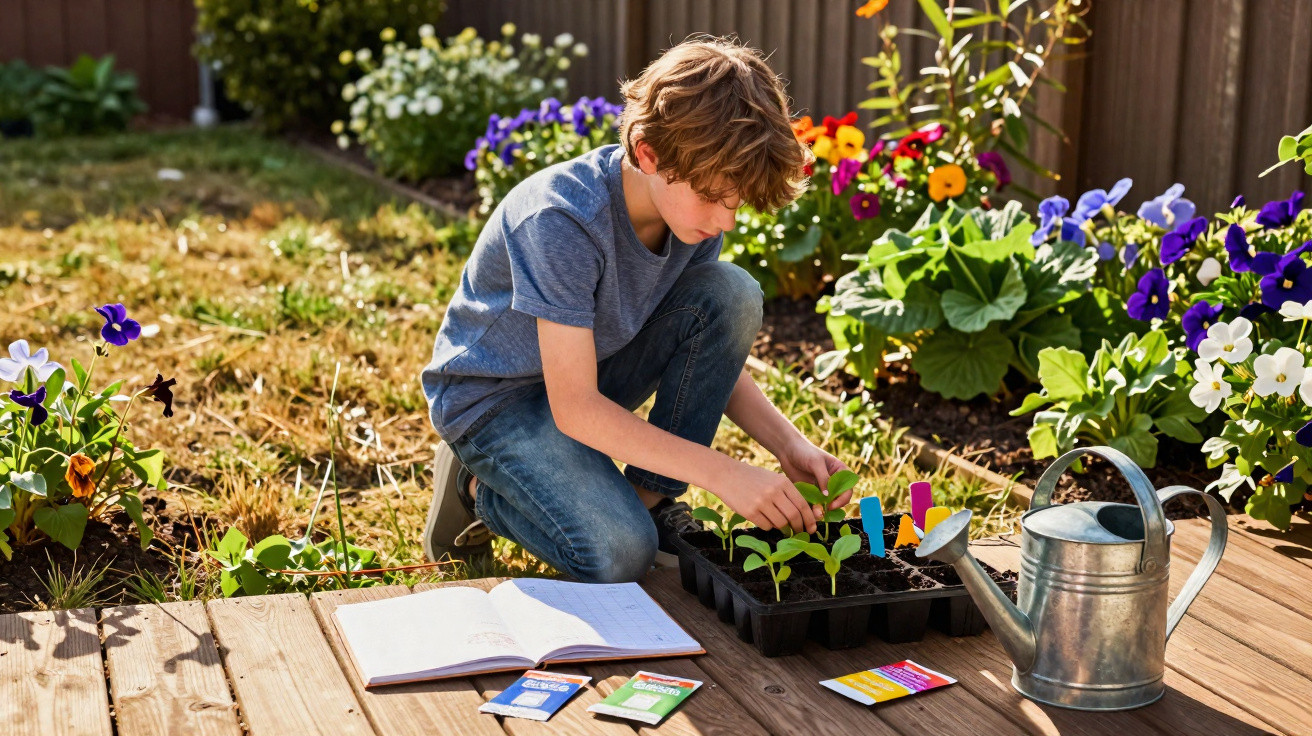
In gardens where children and dogs run freely, low logs or stones can define the decomposition area. Children are often intrigued by the beetles, centipedes and worms inhabiting it, making the corner a practical living science lesson. Setting clear rules about what belongs on the pile helps prevent food waste being added and attracting animals.
Risks, limits and how to manage them
The method does carry some risks. In a permanently shaded, badly drained location, a heap that remains excessively wet may turn anaerobic and produce a sour odour. Shifting some of the material to a drier spot or incorporating additional coarse twigs will usually improve airflow.
Where rat issues are severe, neighbours or local councils might object to an unmanaged organic heap. In these circumstances, placing strong wire mesh underneath, excluding all food waste and keeping the layers fairly shallow can lower the risk. If difficulties continue, it may be sensible to alternate this approach with a secure enclosed bin.
Going further: combining techniques for resilient soil
Many seasoned gardeners combine this “let it lie” approach with mulching and occasional trench composting. After a season in the refuge, for instance, partially decomposed leaf mould can be gently forked onto vegetable beds as a surface mulch. Plant roots then extend into this soft material to access nutrients and moisture.
A further option is to rotate the refuge. Every few years, spread the existing decomposed layer across planting areas and designate a different corner as the active site. With time, this rotation improves the soil across the whole garden, area by area.
The central idea remains constant: stop fighting decay, and start using it as a quiet ally for a richer, more resilient garden.

Comments
No comments yet. Be the first to comment!
Leave a Comment