
At 7 p.m., the sun is still blazing across the lawn. A hose winds through the grass like a slow blue river, while puddles gather around your shoes. You have moved pots into the shade, drenched the compost and perhaps even muttered a hopeful prayer for the tomatoes.
Yet by mid-July, it happens all over again: leaves hang limp, their edges are burnt, and the garden looks worn out long before the season should be over.
For the fifth summer running, you search gardening forums and type “why does my garden die every summer” into Google. The same discouragement returns. You are not ignoring your plants, and you are not inexperienced.
So why does your garden appear to dislike summer quite so much?
Your garden may be operating in the wrong season
There is an understated reality that few new gardeners are told: your garden follows its own calendar, not yours. Summer may look like the height of the growing year on paper, with long days, warm evenings and cold drinks on the patio.
For many plants, though-particularly those prized for abundant foliage and fragile-looking blooms-the height of summer is not a time for growing. It is a time to survive. Heatwaves, hot winds and parched ground push them into defensive mode while we are still assuming it is prime flowering season.
That means you water, feed and tend them at precisely the point when they are simply trying to endure until conditions improve. The care is genuine; the timing is not quite right.
Consider familiar garden favourites: hydrangeas drooping each afternoon like soggy washing, lettuce becoming bitter almost overnight, and petunias that were magnificent in May but seem to give up by August.
One reader described her back garden as “all-or-nothing”. In spring it exploded with colour, bees filled the space and neighbours praised her tulips. Then July arrived. Despite a larger water bill and hours spent watering in the evening, those same borders resembled an abandoned plot.
When she eventually brought photographs to a local garden centre, the answer was a little painful: neglect was not the issue. Her plants had been arranged for April but expected to get through August. It was a seasonal mismatch, not a personal failing.
The explanation is straightforward plant biology. Every plant has growth windows, when soil temperature, daylight and moisture hit the right balance. Beyond those windows, plants slow their growth or stop it altogether, even if water is plentiful.
Across many areas, particularly where summers are becoming hotter, the true growing period is moving towards spring and early autumn. Mid-summer is increasingly a tunnel of stress. Gardens designed only for June splendour are now colliding with July conditions.
That is why some gardeners insist their gardens “used to do better” 10 or 15 years ago. Plants have not become less willing; the seasons have shifted while our gardening routines have remained the same.
Reset your gardening timetable: plant for spring and autumn, not only summer
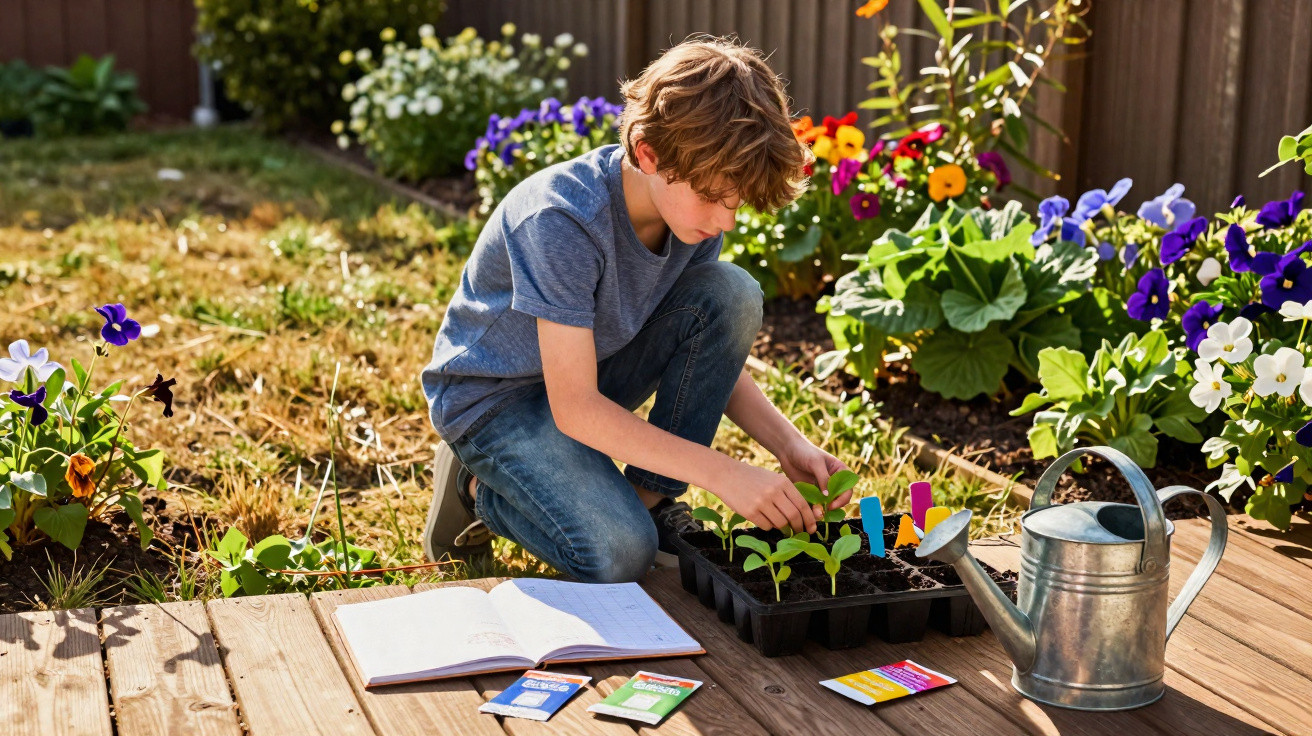
One of the most useful changes is to see summer as a pause rather than the main objective. Begin by bringing planting forward. Cool-season favourites such as peas, spinach, lettuce, pansies and snapdragons prefer to go into the ground while you still need a light jacket.
If you normally plant everything during one ambitious weekend in late May, divide that tradition into two stages. Plant cool-season crops early, in March or April. Then add heat-loving plants such as tomatoes and peppers later, once the nights have settled.
Treat autumn as a second garden rather than a disappointing afterthought. Sow carrots, beetroot, kale and hardy annuals in late summer, allowing them to reach their best in September and October, when the air becomes gentler and the sun is less fierce.
Many gardeners unintentionally create “June gardens” that fall apart from July until early September. We pack borders with thirsty annuals, then make life difficult for ourselves by trying to keep them alive through the hottest part of the year.
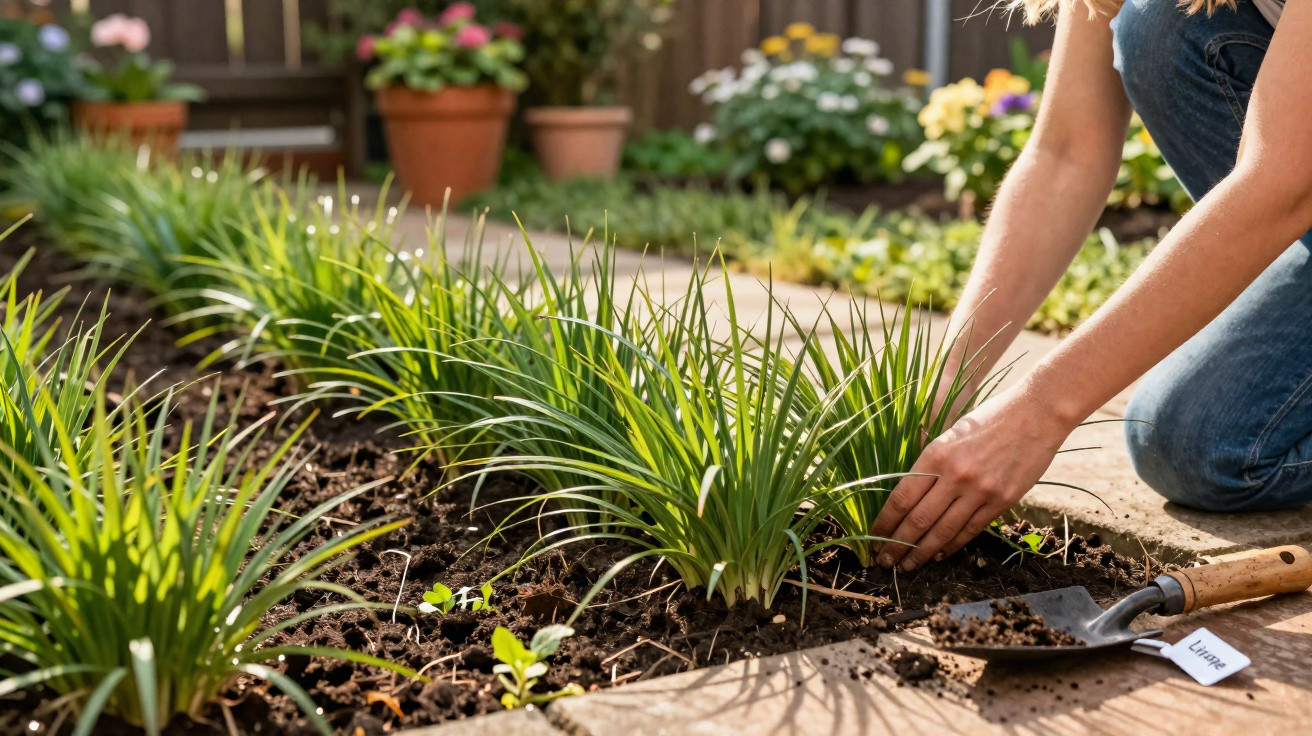
Instead, change the supporting cast. Include deep-rooted perennials and native plants made to cope with your climate’s most extreme swings. They can remain composed when everything else appears depleted. Favour fewer prima donnas and more plants that endure: coneflower, yarrow, ornamental grasses and sedums.
Realistically, nobody puts up shade cloth over every border on every hot day. When a garden succeeds only with flawless daily attention, its design may work in theory but not in everyday life.
“Once I stopped fighting July and started planning around it, everything changed. I think of my garden like a long conversation with the year, not a single summer performance.”
To reduce that seasonal mismatch, keep a short, practical checklist close to your gardening gloves:
- Select at least three plants that still look attractive in late summer, rather than only in May.
- Keep the thirstiest plants together, so that you do not need to water the entire garden every day.
- Apply mulch each spring to shield roots from heat and reduce evaporation.
- Grow something specifically for autumn colour or harvesting, such as asters, chrysanthemums, kale or late carrots.
- Leave one border as an “experimental” area to find out what copes best with your local summer.
Let your garden’s natural rhythm guide you
Think of the gardening year as a story, rather than one still photograph. Spring can be the cheerful opening, summer the difficult middle and autumn the unexpected turn, when certain plants quietly come into their own. Not every part of that story needs to resemble a catalogue cover.
Most of us know the feeling: you walk outside in August, notice the drooping flowers and feel as though you have failed at something that should have been easy. Often, however, you are not seeing failure at all. You are watching a plant do exactly what it is programmed to do-retreat, preserve resources and withstand the conditions.
The important change happens when you garden around that reality, rather than repeatedly battling the weather and the calendar.
| Key point | Detail | Value for the reader |
|---|---|---|
| Plan for cooler seasons | Give priority to spring and autumn crops and flowers, and regard summer as a period of stress | More dependable growth and less disappointment during peak heat |
| Match plants to the real climate | Choose native plants, heat-tolerant perennials and plants that perform in late summer | Less maintenance and stronger survival during hot spells |
| Adapt care to plant rhythms | Avoid forcing growth in mid-summer, concentrating instead on protection and recovery | Healthier plants, with less wasted effort and water |
FAQ: garden care in summer
- Why does my garden look great in June and awful by August? Many popular plants reach their best in late spring before running into heat stress. Your garden may be designed for early beauty rather than for surviving a long summer.
- Am I watering wrong if plants still wilt in summer? Not always. Under intense sun, some plants droop to limit water loss even where the soil is moist. Before watering again, check the soil a few centimetres below the surface.
- What should I plant for late-summer resilience? Consider coneflower, black-eyed Susan, sedum, Russian sage, ornamental grasses and locally native plants that flower or remain robust in August.
- Can I really have a good autumn garden? Yes. Sow kale, chard, carrots, radishes and lettuce in late summer. Add asters, chrysanthemums and pansies for colour as temperatures ease.
- Do I need to change my whole garden design? No. Begin by adjusting one border or corner: introduce a few heat-tolerant perennials, alter some planting dates and observe how that space performs over the year.
Comments
No comments yet. Be the first to comment!
Leave a Comment