
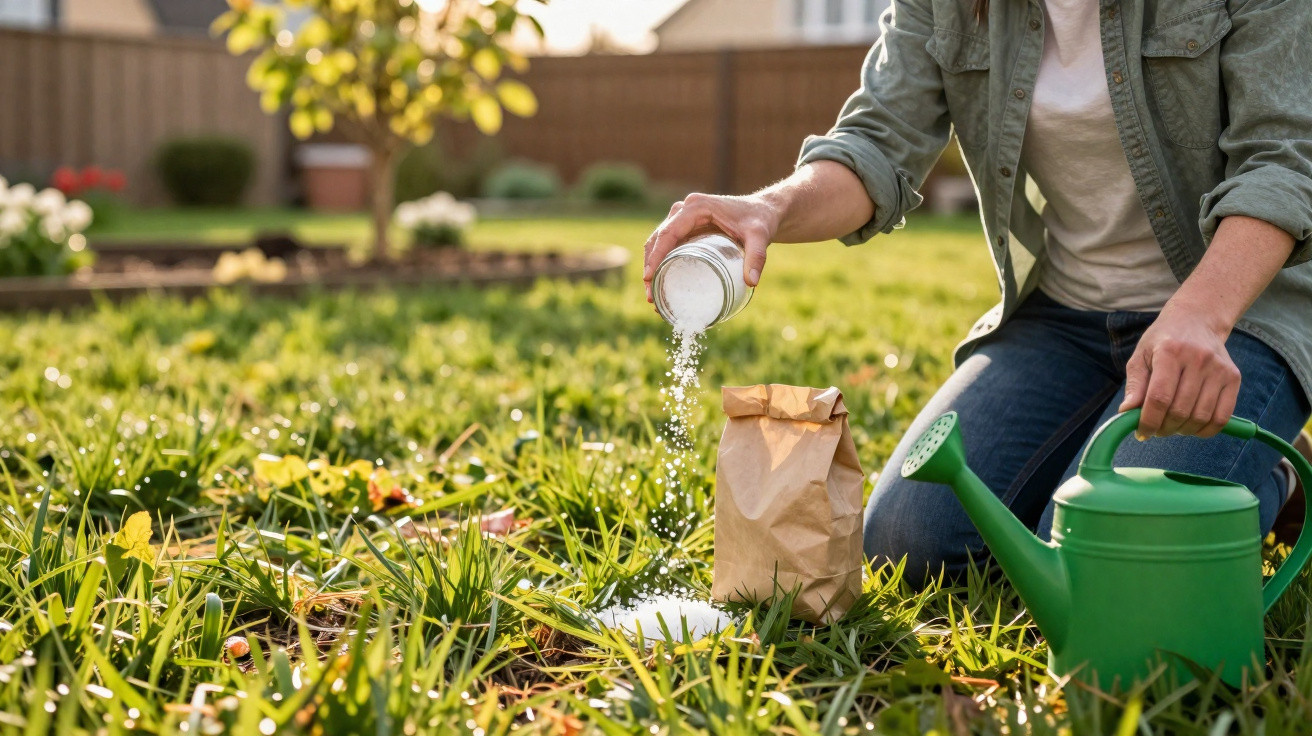
A £1 bathroom buy is popping up across gardening forums and TikTok, touted as a quick way to perk up lacklustre grass in time for the first barbecue of the year. Rather than a specialist lawn treatment, the chatter centres on a bag of bath salts normally marketed for easing aching muscles and turning an evening soak into a treat.
Why a bath product is suddenly trending with lawn lovers
The surprise hero of the trend is Epsom salt - the same crystals many people tip into a hot bath after a day spent on their feet. In gardening terms it’s simply magnesium sulphate, a straightforward mineral compound that’s been used on gardens for years, long before social media put it back in the spotlight.
Because magnesium forms the core of chlorophyll, it plays a direct role in how plants capture sunlight and make energy. When soil is short of magnesium, lawns can start to look dull and uneven - often pale, streaky, or yellowing between the veins - even if you’re watering and feeding. As that shortage continues, growth tends to slow and the turf can look progressively thinner.
By supplying magnesium, Epsom salt can help grass produce more chlorophyll, leading to a richer green colour and a lawn that thickens up more quickly.
Fans of the method also argue that magnesium helps roots make better use of nitrogen and phosphorus, which are two of the main nutrients found in standard lawn feeds. Where conditions are right, that can translate into less wasted feed, more resilient roots, and grass that recovers sooner from winter wear.
When Epsom salt can genuinely help your lawn
Despite the hype, Epsom salt won’t rescue every struggling patch of grass. It tends to be useful mainly when the soil is genuinely lacking magnesium. That’s more likely on very sandy ground, on older lawns that have been watered heavily for years, or where you see yellowing between the leaf veins while the rest of the plant still looks fairly healthy.
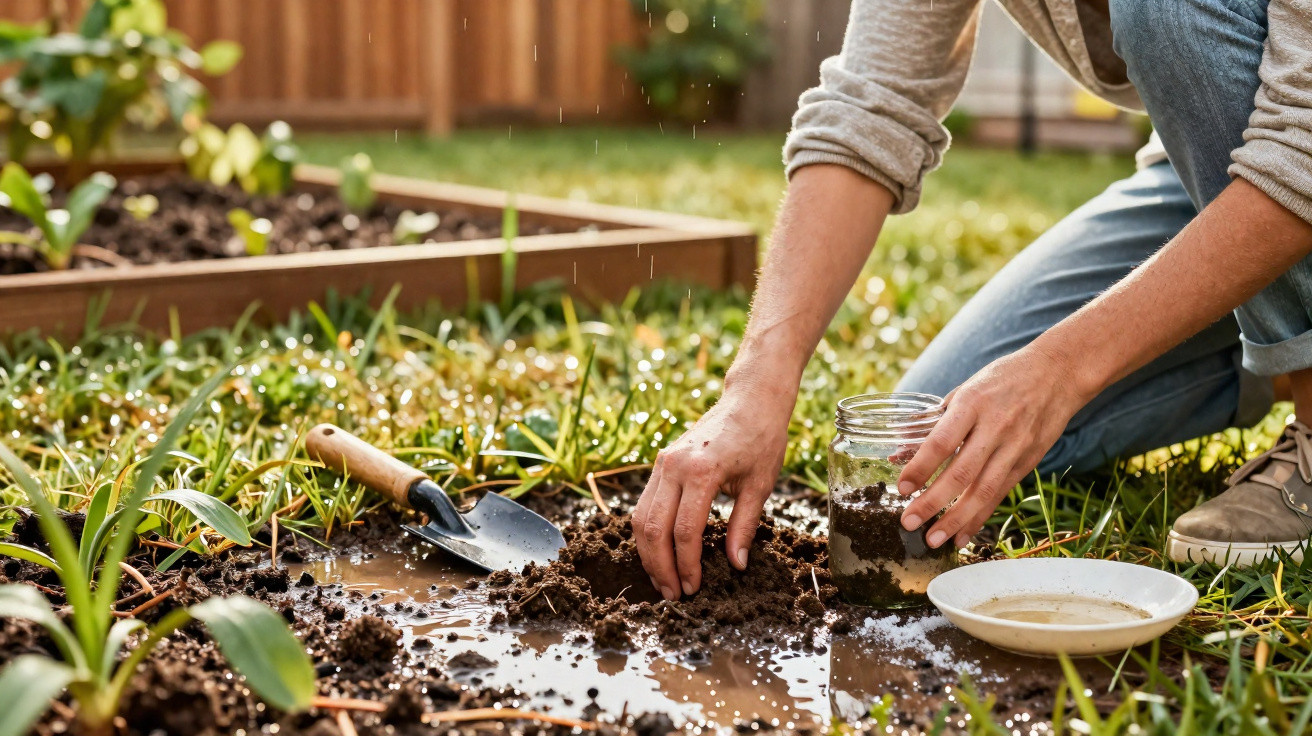
For that reason, lawn-care specialists commonly suggest getting a soil test before adding extra minerals. Many suburban gardens already receive enough magnesium through existing fertilisers and natural inputs, so adding more can amount to paying for little return.
Used on soil that isn’t actually deficient, magnesium sulphate can wash through the ground, potentially carrying other nutrients with it into groundwater instead of into the grass.
For most householders, the fundamentals still deliver the biggest improvements: keep the mowing height higher rather than scalping, don’t repeatedly cut too short, choose a slow-release fertiliser, and water thoroughly but not daily. Where it’s appropriate, Epsom salt should sit alongside those habits - not replace them.
How to apply Epsom salt safely on your lawn
If a magnesium deficiency has been identified, a measured application of Epsom salt in early spring can give grass a helpful lift ahead of summer. Getting the timing right - and applying it properly - makes a difference.
Recommended application methods
- Check the label first: follow the manufacturer’s dosage, which can be around 600 g for 10 m² once a year.
- Choose the right product: only use pure magnesium sulphate, with no added fragrance, colour or bath oils.
- Spread on damp turf: apply on a slightly moist lawn, or just before expected rain, to help it dissolve and move into the soil.
- Water straight after: if no rain is due, hose down the lawn immediately so the salt doesn’t sit on the blades.
- Liquid option: dissolve roughly one mugful of Epsom salt in a large watering can and water the lawn evenly, avoiding puddles.
Whichever approach you go for, the key is uniform coverage. Clumps or stripes of salt can put the grass under stress rather than support it. On bigger lawns, a simple spreader helps you avoid hotspots; for smaller city gardens or isolated problem areas, a watering can can be easier to control.
Signs your lawn could benefit from magnesium
A washed-out lawn doesn’t automatically mean Epsom salt is needed. Several nutrient issues can look alike if you don’t know what you’re looking for. Even so, there are some common clues that point more specifically towards magnesium:
| Symptom | Possible link to magnesium |
|---|---|
| Yellowing between leaf veins | Classic sign of magnesium shortage, especially on older leaves |
| Pale grass despite nitrogen fertiliser | Grass struggles to use nitrogen efficiently when magnesium is low |
| Problems worse on sandy, very drained soil | Light soils lose magnesium more quickly through leaching |
| Older lawns regularly watered or heavily rained on | Years of leaching can gradually strip out magnesium |
If a few of these apply to your lawn, a soil analysis can confirm whether magnesium is truly low or whether something else - such as compacted soil or insufficient nitrogen - is driving the poor colour.
What Epsom salt can’t fix on a struggling lawn
A lot of the spring lawn complaints shared online aren’t caused by mineral shortages at all. After a wet, muddy winter, bare patches are often down to compaction, pet damage, or fungal disease rather than missing nutrients.
In those situations, magnesium won’t rebuild the turf. What may be needed instead is scarifying to clear dead thatch, aeration to restore airflow and drainage in compacted ground, or overseeding to close up gaps. In a wider lawn renovation plan, Epsom salt is, at best, a supporting player.
Think of magnesium as a useful supplement for specific lawns, not as a cure-all that replaces good maintenance, reseeding and sensible watering.
How Epsom salt fits into a realistic spring lawn plan
If you’re tempted by the £1 fix, it helps to use a straightforward spring checklist to keep expectations realistic. A sensible routine could be:
- Walk the lawn and note where thinning, moss or yellowing appear.
- Check mowing height and adjust the blades higher to reduce stress.
- Aerate compacted ground with a fork or aerator if water pools on the surface.
- Apply a balanced, slow-release lawn feed suited to your climate.
- Only then, consider Epsom salt if symptoms suggest magnesium deficiency or a soil test confirms it.
Approached in that order, the viral “hack” becomes a targeted option - one step in a logical process, rather than the main event.
Key terms and risks worth understanding
You’ll often see the word “leaching” mentioned in conversations about Epsom salt and fertilisers. It refers to rain or irrigation carrying soluble nutrients down through the soil, below the depth grass roots can reach. Fast-draining sandy soils are especially susceptible, which is why repeated heavy applications of salt-based products can speed up nutrient loss rather than improve the lawn.
There’s also a down-to-earth risk on small plots: over-enthusiasm. Because it’s inexpensive, easy to pick up in the beauty aisle, and feels ‘gentle’ thanks to its use in baths, it can be tempting to double the dose or apply it several times in a season. At high levels, however, salts around the roots can stress plants by interfering with how water moves into their cells.
Real-life scenarios from everyday gardens
Picture a compact city garden where the lawn is pale and patchy after winter. The soil is heavy clay, it stays waterlogged, and it has never been aerated. In that case, buying Epsom salt is unlikely to pay off; the most noticeable improvements would come from spiking to relieve compaction and using a normal spring lawn feed.
Now compare that with a coastal garden on sandy soil that’s been hit by frequent rain and strong winds. The grass shows yellowing between the leaf veins even after a nitrogen feed. Here, a carefully measured dose of Epsom salt, watered in properly, may genuinely improve colour and help support stronger root growth before summer heat.
For plenty of gardeners, the most helpful result of the trend may be less about the salt itself and more about the discussion it’s sparked: lawns don’t just need more products - they need the right products, at the right dose, for the right soil.


Comments
No comments yet. Be the first to comment!
Leave a Comment