
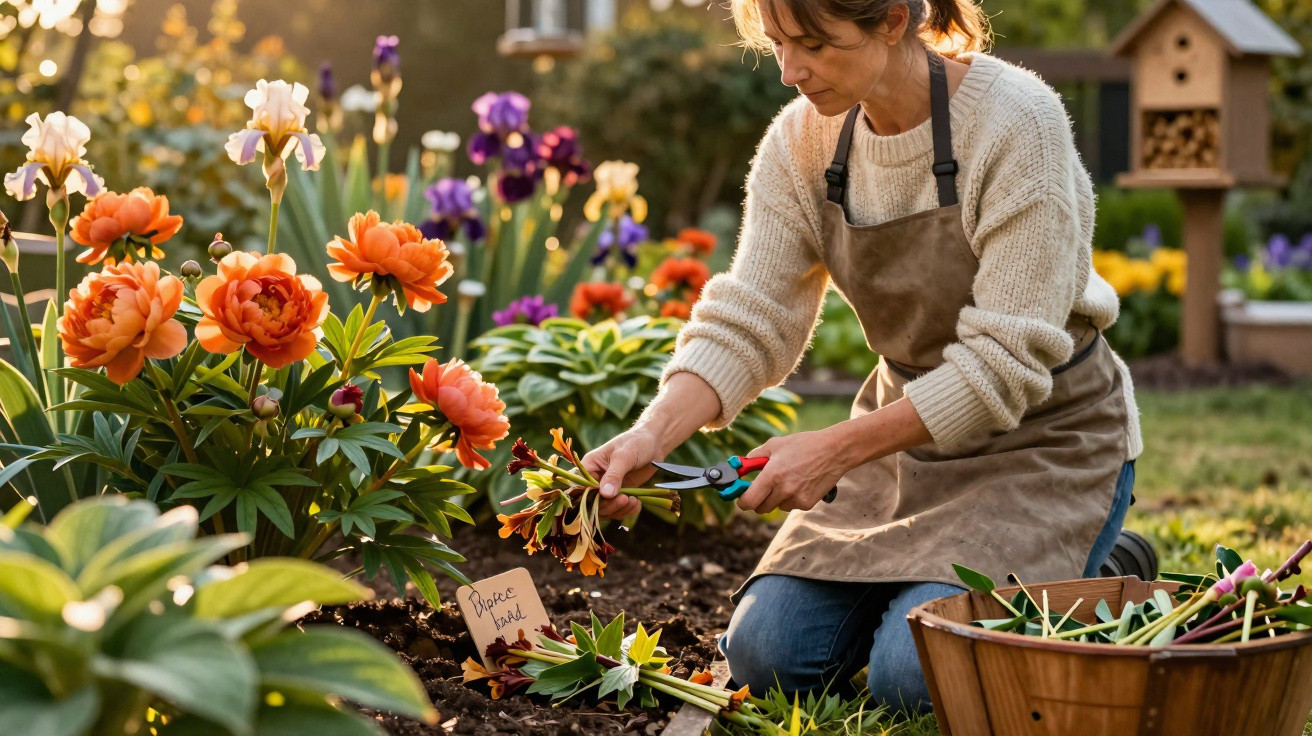
Experts describe it as vital for plant health and next spring’s display; eco‑minded gardeners reply that it’s careless towards wildlife and the organisms that keep soil alive. The humble secateurs have turned into a flashpoint.
The air carried the scent of rain and fennel as a neighbour worked her secateurs through a waterlogged clump of peonies. A robin bounced along the fence line, sizing up the rudbeckia seed heads she’d deliberately left-little chandeliers quivering in the breeze. On the other side of the path, another gardener simply watched and held back, allowing the stems to keep their frost‑laden secrets for the birds. I could hear the snip echo over the drizzle. Talk drifted from mulch to moths to mildew, then circled back to “five plants you must cut now.” This wasn’t only about pruning; it was about where people draw the line. The disagreement felt larger than the border itself. A small cut can make a surprisingly loud statement.
Five fall cutbacks that lit the fuse
October tends to focus attention on five familiar plants found in countless gardens: peony, bearded iris, monarda (bee balm), phlox, and hosta. Professionals argue these are the notable exceptions to a “leave it standing” autumn approach. Cut them back, clear up the debris, and you interrupt disease cycles that thrive over winter. Leave them as they are, and you may be nursing problems into next spring. The push and pull comes from genuine care in both directions: one side wants clean, vigorous regrowth; the other wants to protect the life tucked away in the “mess”.
Picture a small back garden after a soggy September. Peony leaves show brown blotches, while monarda looks as though it’s been dusted with flour. In the same bed, coneflowers hold their seed plates and goldfinches strip them by lunchtime. Two gardeners can stand in front of the same planting and reach for two different playbooks. One cuts peony and monarda right down, ties up the bag, and decides to leave the phlox for now. The other leaves everything in place until frost changes the scene. Both are tending to something that hasn’t appeared yet.
This is the reasoning the “cut back” camp relies on. Peony foliage can carry botrytis, so taking it away once it yellows helps limit outbreaks in spring. Bearded iris leaves, if left long and wet, can provide cover for borers and invite rot; trimming them into short fans and tidying around the rhizomes reduces that risk. Bee balm and garden phlox can harbour powdery mildew spores; cutting them down to a few centimetres and removing infected debris eases pressure next year. Hosta leaves become ideal slug shelter as they collapse; removing them before they turn slimy can help. None of this is an argument for removing seed heads from echinacea, or for stripping away the architectural stems of grasses. It’s simply a narrow case where a cleaner cut can repay you later.
How to cut smart and still leave room for wild
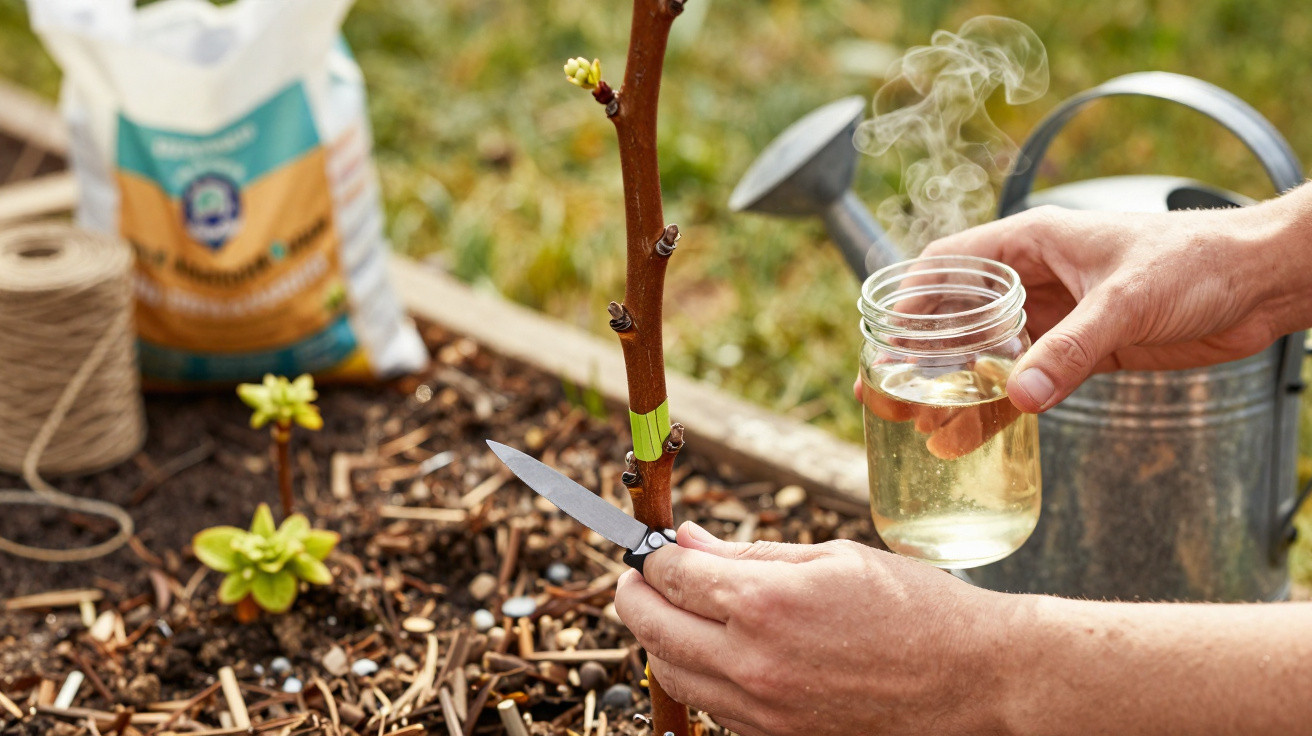
Choose a dry, calm day so spores and plant matter aren’t smeared around the bed. Begin with peonies: once the foliage has yellowed, cut all leaves right down to ground level and bag them. For bee balm and phlox, trim stems back to about 7.5–10 cm and remove any spotted or mildewed pieces. With hostas, cut the leaves neatly back to the crown before they collapse into mush. For bearded iris, reduce the fans to roughly 15 cm, snip them into a shallow V so water sheds away, and remove old leaf litter from around the rhizome. Keep secateurs clean. Bag anything diseased. Leave sound seed heads from echinacea, rudbeckia and grasses standing-winter lanterns for the garden.
The most common mistakes follow a familiar theme: cutting everything everywhere, as though the whole garden were a single plant; removing every seed head purely for tidiness; or raking so hard the soil is left bare and cold. Don’t turn your border into a hospital corridor. Keep habitat where it does good, take out the pockets where disease overwinters, and stop before you’ve gone too far. Everyone knows that moment when “just one more snip” turns into an hour. Let’s be honest: no one manages that every day.
I kept hearing the same line from practical gardeners: “leave some, lift some.” It’s straightforward-which is why it’s memorable.
“I cut the sick, keep the seed, and save the rest for spring. It’s not a manifesto. It’s a morning ritual.”
- Peony, monarda, phlox: cut back low and bag the debris.
- Bearded iris: trim fans to about 15 cm and clear around the rhizomes.
- Hosta: shear back before leaves liquefy; compost only if the material is clean.
- Keep seed heads on echinacea, rudbeckia and grasses for birds.
- Leave a layer of fallen leaves in quiet corners to shelter insects.
A bigger question blooming in the borders
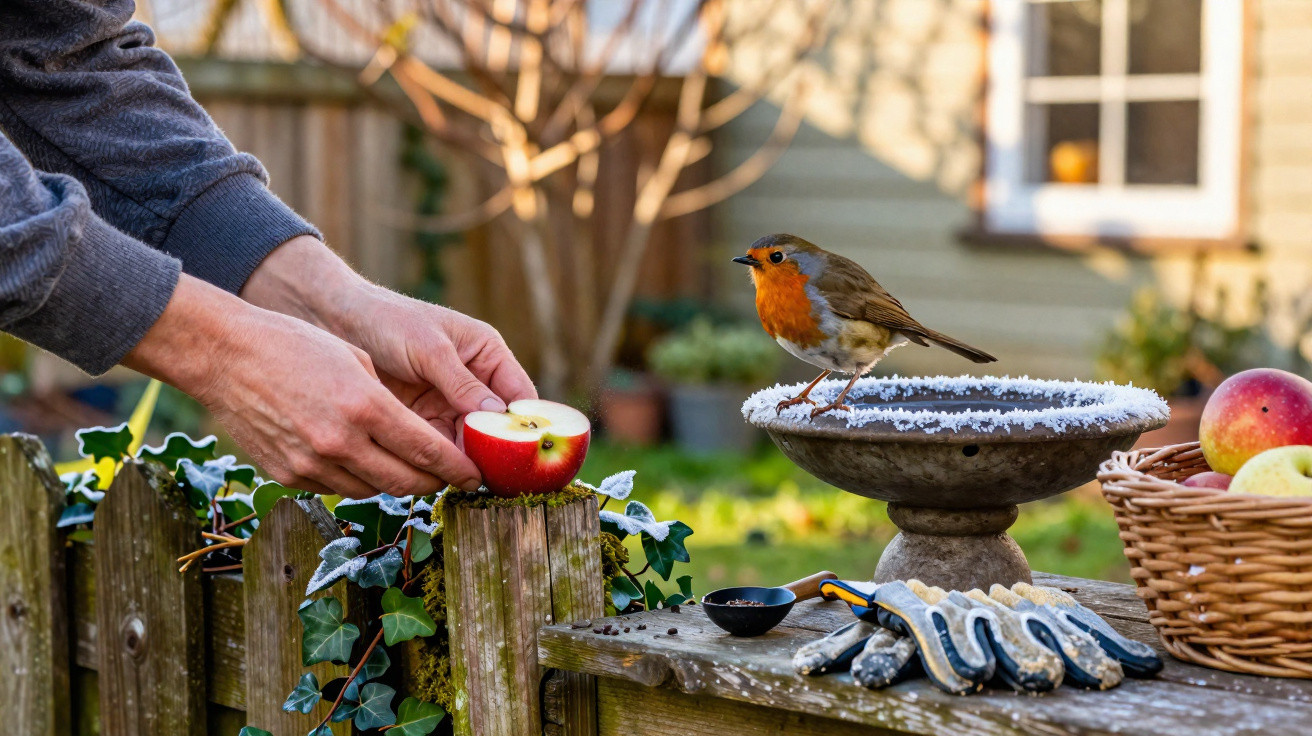
What we do with secateurs in October reveals how we think about the garden for the other eleven months. If the garden is mainly a bloom‑producing machine, the expert list sounds practical-almost pressing. If the garden is an ecosystem, the very same list can feel like a raid on winter refuge. Both perspectives can be true within the same square metre of soil. Your choices can be precise: cut out the mildew, keep food for birds, and still feel comfortable with the result. Your neighbours may see it differently, and that’s all right. The garden will carry on teaching in January, when frost outlines every seed head and the robin drops in, indifferent to our arguments. Perhaps the better question isn’t “cut or don’t cut”, but “where will my cut do the most good?”
| Key point | Detail | Why it matters to the reader |
|---|---|---|
| Targeted cutbacks | Peony, bearded iris, bee balm, phlox and hosta benefit from an October tidy‑up | Cuts disease and pest carryover for a stronger spring |
| Keep wildlife assets | Seed heads of echinacea, rudbeckia and grasses; leaf pockets in quiet corners | Feeds birds and gives insects shelter through winter |
| Middle‑ground method | Cut on dry days, clean tools, bag diseased debris, and stop before the border is bare | Healthier plants, living soil and less stress for busy gardeners |
FAQ:
- Which five plants are experts urging us to cut back in October? Peony, bearded iris, monarda (bee balm), garden phlox and hosta-mainly to limit disease and rot.
- Won’t cutting now harm wildlife? Not if you’re selective. Take away diseased foliage, keep bird‑friendly seed heads, and leave leaf cover in chosen areas.
- How low should I cut each plant? Peony to ground level; monarda and phlox to about 7.5–10 cm; hosta back to the crown; bearded iris leaves to roughly 15 cm.
- What do I do with the cut material? Bag and bin anything diseased or mildewed. Compost only clean, healthy foliage that breaks down quickly.
- I have ten minutes-what’s the priority? Deal with the worst first: remove blotchy peony leaves and mildewed monarda/phlox, then trim iris fans. Leave the attractive seed heads for the birds.
Comments
No comments yet. Be the first to comment!
Leave a Comment