
If you’re fed up with shutting windows, coating yourself in repellent, or listening to that familiar whine at night, there’s a calmer option worth considering: shade-tolerant plants. Chosen well, they can gently shift conditions away from mosquitoes - while still looking great indoors or on a city balcony.
Why mosquitoes love dark, quiet corners of your home
Mosquitoes don’t rely on bright sunshine. They do best in warm, protected spots where there’s standing water and a bit of shade - which is why bathrooms, utility areas, shaded balconies, stairwells and ground-floor patios can become ideal breeding zones.
In humid climates, the annoyance can be constant and, in some places, a genuine public health issue. Sealing up the home completely or using chemical repellents every day is not always practical, particularly in small flats or for anyone with sensitive skin or respiratory conditions.
Plants alone will not end mosquito problems, but used smartly they help break the cycle by making your space drier, better ventilated and less attractive to breeding.
This is where low-light plants come into their own - especially those that help you avoid waterlogged pots, or that pair well alongside aromatic species in indoor and semi-indoor areas.
Balm sedum: the low-light succulent that quietly disrupts breeding
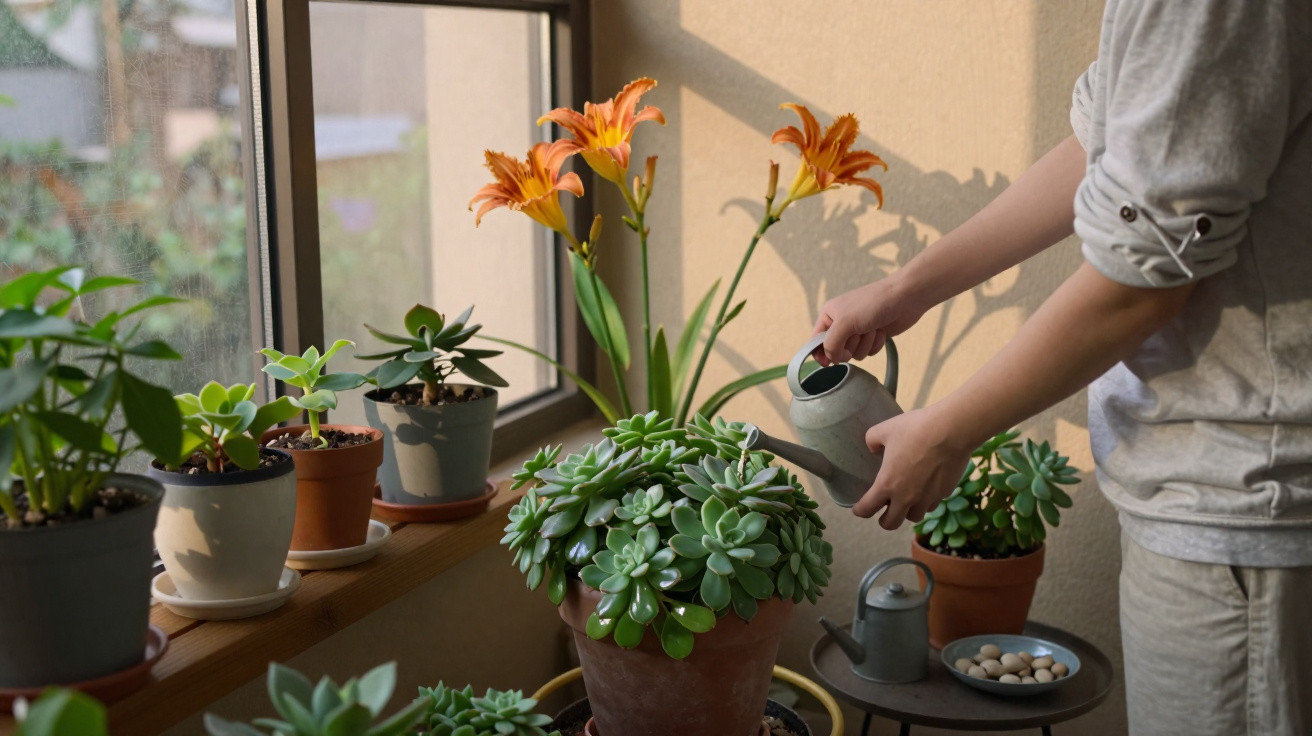
Balm sedum (Sedum dendroideum) - often simply called “balm” or “stonecrop” - is a popular succulent for containers and small garden spaces. Because its thick leaves hold water, it copes well with the occasional missed watering and tends to perform reliably in bright, indirect light.
How balm sedum helps against mosquitoes
Balm sedum isn’t a headline mosquito-repeller in the way citronella or eucalyptus are. Instead, it helps in a more down-to-earth way: it needs minimal watering and dislikes saturated compost, which naturally pushes you towards a drier, free-draining setup.
By cutting down on constantly wet trays and pots, balm sedum reduces the tiny reservoirs of standing water where mosquitoes lay eggs.
That makes it a smart choice if you want plants in dimmer corners without accidentally creating new mosquito-friendly puddles in saucers and trays.
Care tips for balm sedum in low light
- Choose a free-draining growing mix - ideally incorporating sand or perlite - so water doesn’t collect around the roots.
- Keep it in bright, indirect light, or somewhere it receives a few hours of filtered sunshine.
- Water only once the compost feels dry to the touch; in many homes this means leaving several days between waterings.
Handled this way, the plant stays robust and the pot remains far less appealing as a breeding spot.
Daylily hemerocallis: shade-tolerant flowers that thicken the barrier
Hemerocallis, better known as daylily (Hemerocallis fulva is among the most common), grows into dense clumps of long, arching leaves and produces bold flowers, often in orange. It doesn’t require full sun from morning to evening; bright shade or a few hours of gentle light can still encourage abundant flowering.
For narrow city gardens, side alleys or shaded borders, that combination makes it a dependable option for anyone after colour without compromising on practicality.
How hemerocallis fits into a mosquito-reducing garden
By itself, hemerocallis isn’t a powerful repellent. Its strength is its form: thick foliage and repeated blooms help create a fuller, more layered planting area.
Mixed with aromatic plants such as basil, citronella or lemon balm, hemerocallis helps form compact beds that disrupt mosquito flight paths and favour predators of larvae and adult insects.
In dense planting like this, frogs, spiders, dragonflies and other natural predators may find cover - which can indirectly reduce mosquito numbers.
Care pointers for hemerocallis in shady areas
- Aim for soil that stays gently moist, but never waterlogged, so the base of the clump doesn’t become a breeding site.
- Give it diffused light or partial shade, ideally with a few hours of brighter conditions each day.
- Clear away dead or dry leaves frequently to avoid soggy pockets of decomposing material that hold water.
Designing a mosquito-conscious corner in low light
Even with limited sunlight in a flat, you can set up a plant corner that looks attractive and subtly discourages mosquitoes. The trick is to combine roles: low-water plants, plants that add dense structure, and scentier species.
Where to place plants when the sun is scarce
Placement is as important as the plant choice. A pot tucked into a still, stuffy corner won’t do much for comfort. To make a darker spot work in your favour, prioritise airflow and easy access for maintenance.
- Pick a reasonably ventilated location, such as near a window or balcony door that you open from time to time.
- Use containers with proper drainage holes, plus a base layer of pebbles or expanded clay.
- Mix aromatic plants with more structural options like hemerocallis to build a layered screen.
- Don’t leave water sitting in saucers; if you use them, empty them after every watering.
In everyday terms, a modest group near the sofa or beside the bedroom doorway could include balm sedum in a shallow pot, a compact basil plant, and one or two hemerocallis clumps if there’s room. The same approach can work on a shaded balcony, provided drainage is good and upkeep is consistent.
How plants fit into a broader anti-mosquito strategy
Plants in low-light areas should be treated as part of a wider approach, not a standalone fix. Where mosquitoes spread viruses or parasites, the priority remains removing standing water and using protective barriers and repellents to protect those most at risk.
Plants contribute by reducing breeding sites, softening the indoor climate and supporting natural predators, but they do not replace physical protection or public health measures.
A sensible plan uses multiple layers:
| Measure | Main role | Where it helps most |
|---|---|---|
| Shade-tolerant plants (balm, hemerocallis, aromatics) | Reduce water retention, add mild repellent and habitat complexity | Balconies, shaded patios, indoor corners |
| Window and door screens | Block mosquito entry | Bedrooms, living rooms, kitchens |
| Weekly inspection for standing water | Breaks breeding cycle | Yards, drains, plant saucers, gutters |
| Topical repellents when required | Protects exposed skin | Outdoor evenings, travel, high-risk areas |
What “low light” really means for these plants
It’s easy to think “shade” means a plant will cope in a windowless hallway. For balm sedum and hemerocallis, that’s not true. Both still need natural light - even if it’s indirect, reflected or filtered.
Here, low light means areas that are bright for part of the day without harsh, direct midday sun. Examples include a north-facing window, a well-lit bathroom with frosted glazing, or a spot beneath dappled shade from a larger plant or balcony overhang.
If your home is so dim that you rely on artificial lighting for most of the day, these plants may become leggy, lose strength or stop flowering. In that situation, a small grow light on a timer can keep them going while they continue to play their low-maintenance part in your anti-mosquito setup.
Practical scenarios: how a small change shifts the balance
Picture a ground-floor flat with a shaded utility balcony. Plastic tubs, a mop bucket and plant saucers sit neglected in the corner. After rainfall, each can hold enough water for mosquito larvae to appear within days.
If you swap some of those containers for well-drained pots of balm sedum, add a slim trough planted with hemerocallis, and keep only a single bucket - stored upside down when it’s not needed - the conditions become less favourable. There are fewer stagnant water surfaces, better airflow between leaves, and a drier, more controlled microclimate.
In a different setting, a shaded strip along a side passage could be planted in alternating clumps of hemerocallis, lemon balm and basil. As you walk past, foliage brushes against clothing and releases scent, while the plants’ roots help firm up the soil so puddles clear more quickly after rain.
None of this makes a home completely mosquito-free. However, each improvement removes small breeding opportunities, makes adult mosquitoes work harder to reach you, and brings a bit of beauty to parts of the home where sunlight rarely falls.





Comments
No comments yet. Be the first to comment!
Leave a Comment