
In a nutshell
- The easy-to-miss problem is soil compaction. It limits oxygen, slows water infiltration, and prevents roots from expanding-so sunlight alone won’t produce strong plants.
- Watering wisely makes a bigger difference than most people expect: thorough, less frequent watering encourages tougher, deeper roots, while daily sprinkling and poor drainage trigger anaerobic stress and disease.
- Keep pH and nutrients in balance. When pH is wrong, vital elements become unavailable; light, organic feeding and support for the microbial web helps deliver steady growth.
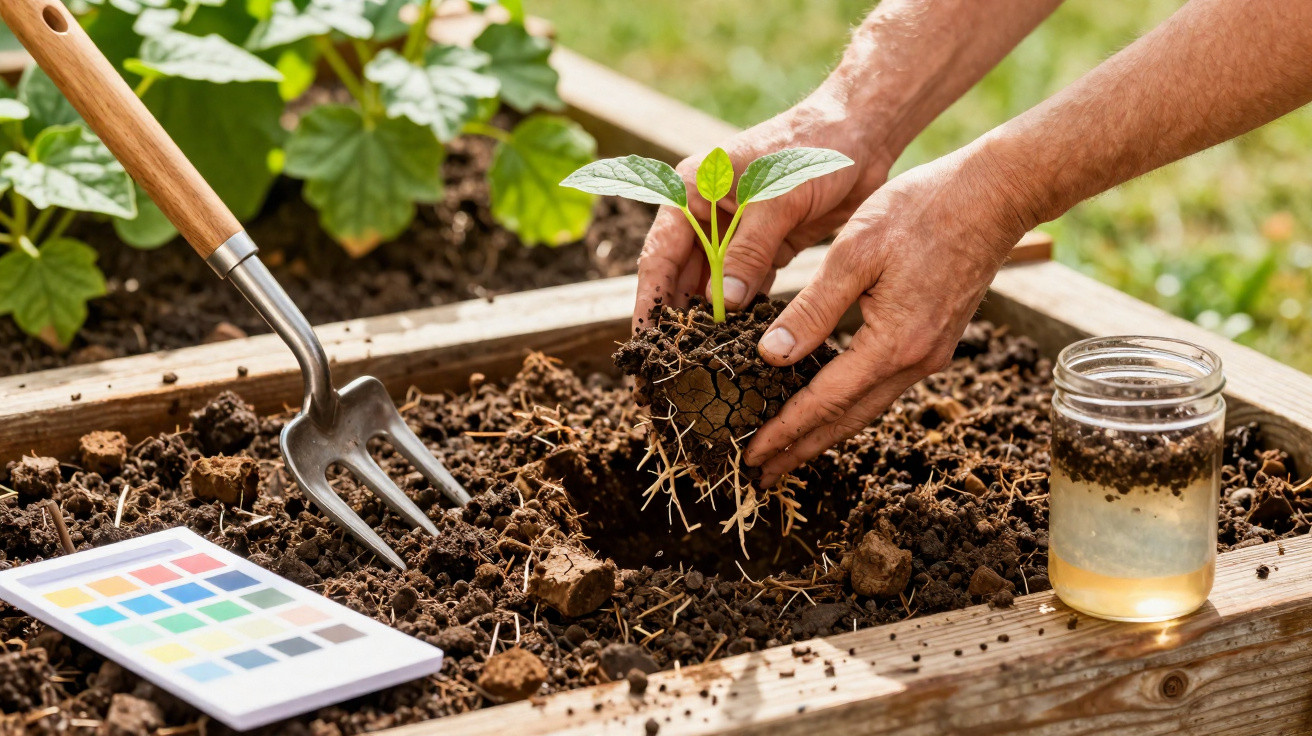
- Confirm what’s going on before adding fertiliser: try screwdriver and infiltration tests, a jar-based texture check, and pH strips.
- Weekend-friendly fixes: fork-lift rather than dig, apply a 3–5 cm compost mulch, protect soil by sticking to paths, grow bio-drillers, and sort container drainage.
British gardeners study seed catalogues and chase every scrap of sunshine, yet borders can still look miserable and tray after tray of seedlings refuses to bulk up. More often than not, the real issue is beneath your boots: soil structure. When soil is compacted or starved of air, roots cannot breathe, water fails to soak in evenly, and nutrients stay out of reach. Even with perfect sunlight, plants struggle if their roots lack oxygen, balanced moisture, and access to living soil biology.
Across allotments from Leeds to Lewes, I’ve watched plots improve dramatically in a matter of weeks once the focus shifted from the sky to the ground. Below is how to spot the common mistake-and put it right-so the garden performs as well as the forecast promised.
The Hidden Culprit: Soil Compaction Is Suffocating Your Borders
If you walk on grass after rainfall and see puddles sitting on the surface rather than sinking in, treat it as a warning light for soil compaction. Stepping onto beds when they’re wet, leaving wheelbarrows on the same line repeatedly, or rotavating only the top few centimetres each spring can all squeeze the soil profile tighter and tighter. As pore spaces collapse, oxygen becomes scarce, helpful microbes lose their foothold, and roots stay near the surface-searching for air instead of pushing down for stability. Plants often wilt in heat not because light is lacking, but because compacted ground can’t move water to roots fast enough.
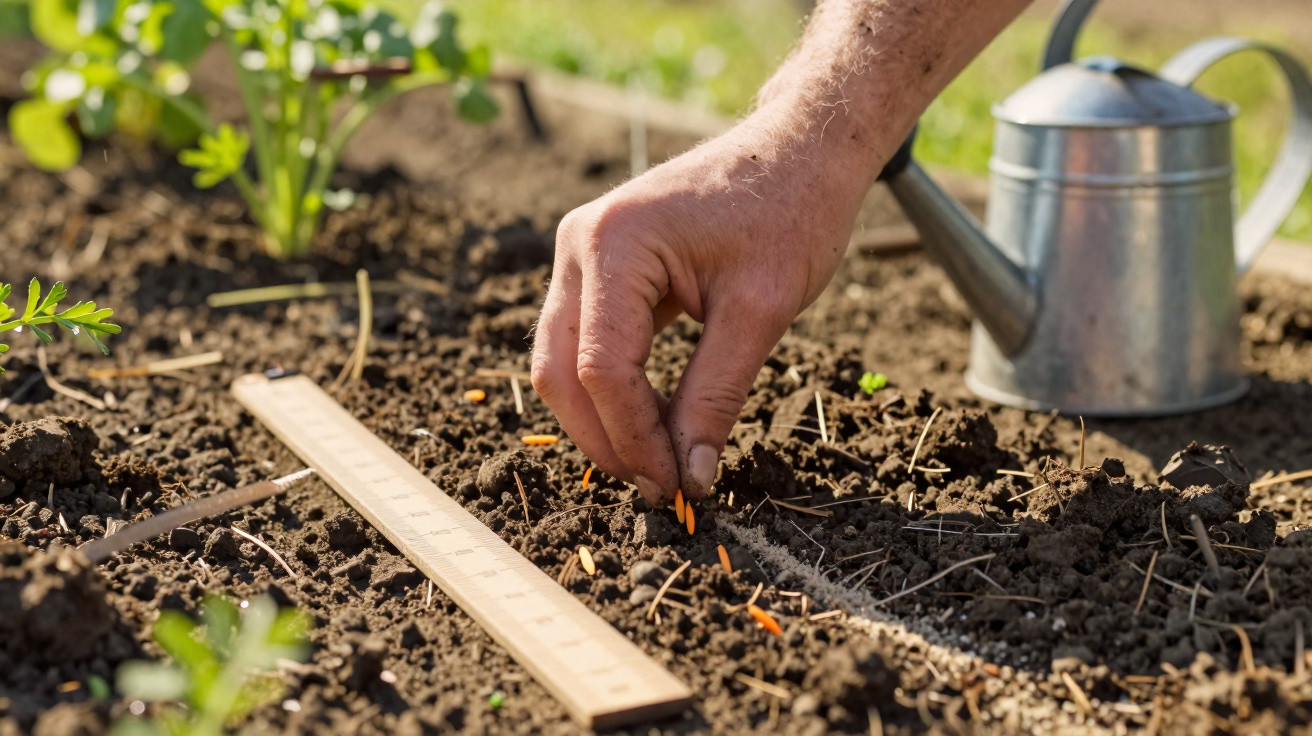
During a windy March visit to a Surrey allotment, an enthusiastic new grower showed me carrots with leafy tops but disappointingly short roots. The diagnosis took seconds: a basic screwdriver test-pressing a standard screwdriver into the bed-hit refusal at about 3 cm. The solution wasn’t extra feed or more sun; it was rebuilding structure: fork-lift (not dig), work in organic matter, and stop trampling the bed. By the next season the carrots grew long and straight, and rain no longer skimmed off the surface like it was hitting glass.
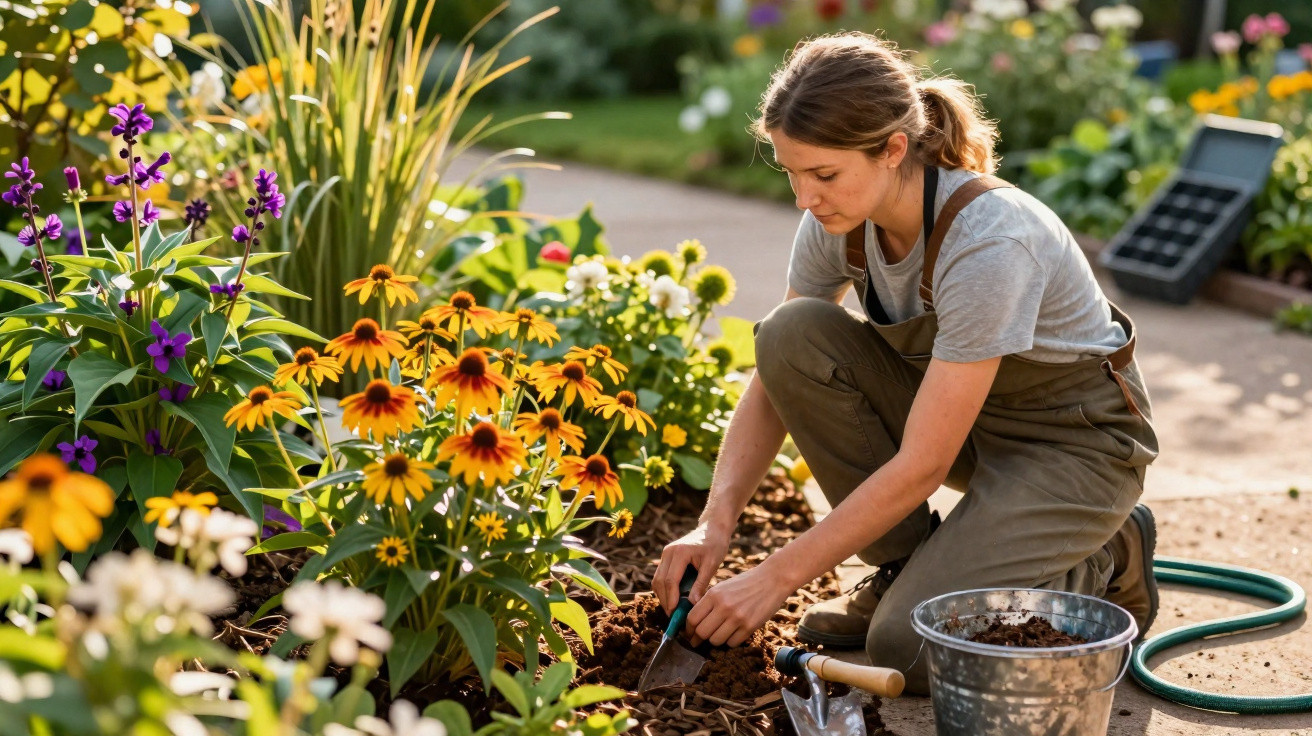
To get started, slide a garden fork in and gently lift and fracture the soil without turning it over, especially where ground is heavy. Then apply 3–5 cm of compost as a mulch, and set permanent paths so the growing area isn’t repeatedly compressed. On clay-heavy UK plots, that combination reopens pores and encourages earthworms to resume the night shift.
Watering Wisdom: Why More Water Isn’t Always Better
Overwatering and compaction tend to arrive together. When you add too much water, it occupies the same pores roots need for air, creating anaerobic conditions that invite rot. Confusingly, plants can still look parched-leaves droop-because damaged roots can’t pull moisture up properly. More water on top of a suffocating root zone is like opening a window in a submarine.
A more reliable approach is to water thoroughly, then allow the top layer to dry a little. That slight pause encourages roots to follow moisture downwards, where supply and temperature are more stable.
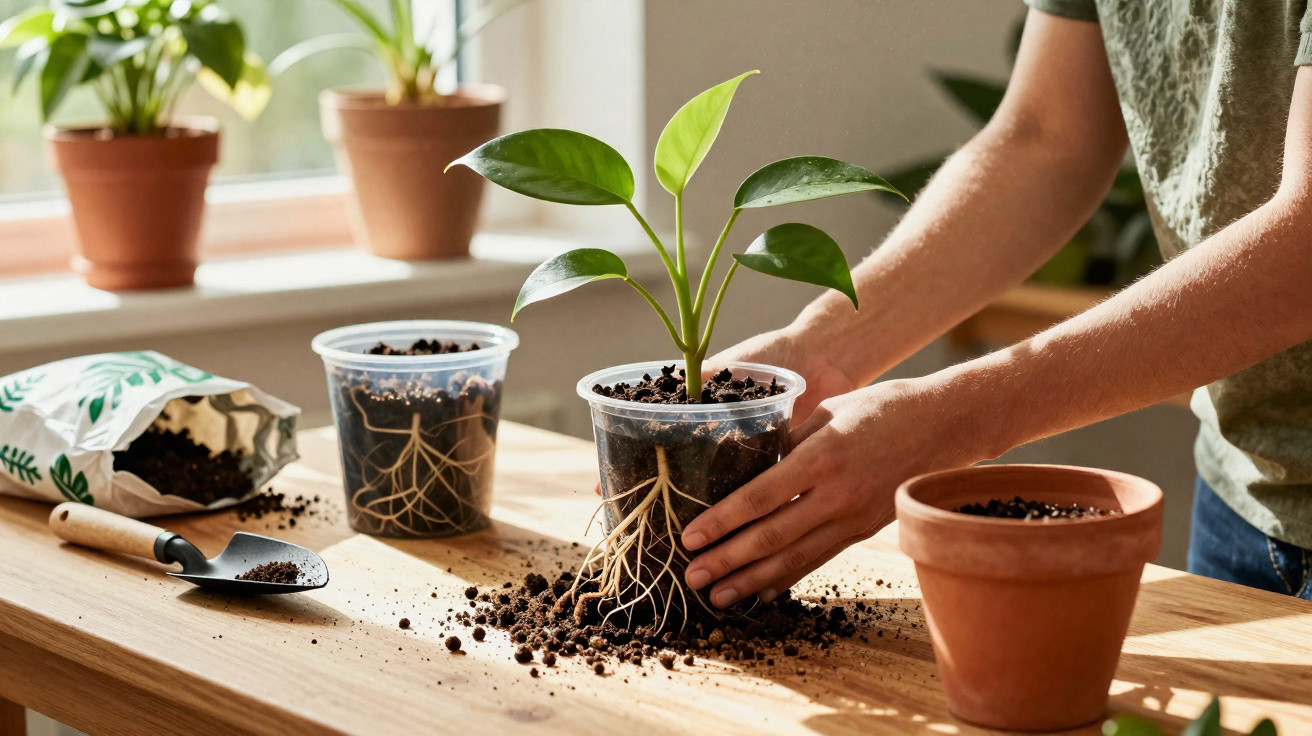
People growing in containers are particularly at risk. Pots with too few drainage holes can hold a perched water table; add a saucer left full after a shower and you’ve effectively made a bog. Choose a peat-free compost with added grit for structure, tip out any water left in saucers after 30 minutes, and water early so foliage is dry by evening. In borders, check before reaching for the can: push a finger down to the second knuckle-if it feels cool and damp, wait; if it’s warm and dry, water slowly at the base to prevent run-off.
- Pros of Deep, Infrequent Watering: Encourages deeper roots; lowers evaporation losses; keeps growth more even.
- Cons of Daily Sprinkling: Promotes shallow roots; increases disease pressure; washes nutrients downwards.
- Tip: Keep mulch at about 3 cm to reduce evaporation and soften temperature swings.
PH, Nutrients, and the Microbial Web That Powers Growth
Sunlight drives photosynthesis, but nutrient availability is governed by pH and soil life. Many UK gardens sit close to neutral, yet even a slightly acidic or alkaline patch can lock up important elements. Brassicas often struggle in acidic ground, while blueberries rarely perform well in alkaline soil. When pH is off, adding more fertiliser won’t feed your plants-it will feed your frustration.
Use a straightforward pH kit to guide decisions: many vegetables do best at roughly 6.5, while ericaceous plants need a lower reading. Make changes slowly-lime to raise pH, or sulphur and ericaceous compost to reduce it-then test again a few weeks later.
Just as important is the microbial web responsible for releasing nutrients and moving them into reach of roots. High-salt feeds and constant hoeing of exposed soil can knock this system back. Instead, aim for gentle, consistent inputs such as compost, well-rotted manure, leaf mould, and seaweed extracts. Mycorrhizal inoculants may be useful in brand-new beds or around newly planted trees, but they work best when soil is not compacted and stays evenly moist rather than waterlogged. Feed the soil first, and plants benefit in turn.
For pots, replace roughly a third of the compost each season and rely on slow-release fertilisers. In beds, side-dress heavy feeders part-way through the season, and keep soil protected with a living cover or a dead mulch so microbes aren’t blasted by UV or battered by heavy rain.
Practical Diagnostics and Fixes You Can Do This Weekend
Good gardening, like good journalism, improves quickly when you start with evidence. Begin with a few fast checks. Try the screwdriver test: if it pushes in around 10–15 cm, structure is reasonable; if it jams early, compaction is likely. Run infiltration tests by sinking a bottomless tin can into the soil, filling it with water, and timing the drain-very slow movement suggests a tight profile. A shaken jar of soil and water provides a simple texture reading (your clay/silt/sand balance). Then use pH strips to rule out lock-up before you apply anything. Diagnose before you dose.
The remedies are refreshingly practical. Fork-lift beds in autumn and mulch afterwards. Stay on paths, and use boards to spread weight during wet spells. Sow bio-drillers-deep-rooting plants such as daikon radish-to form channels through dense ground. For containers, move up one pot size, mix in grit to improve drainage, and avoid leaving pots standing in water. Switch to the “soak, then pause” rhythm, judging moisture by touch rather than by the calendar.
| Symptom | Likely Cause | First Fix |
|---|---|---|
| Water pooling on soil | Compaction | Fork-lift soil; add compost mulch |
| Drooping after watering | Root suffocation | Reduce frequency; improve drainage |
| Yellowing despite feeding | pH imbalance | Test pH; adjust gradually |
| Stunted, shallow roots | Shallow watering | Water deeply; mulch to retain moisture |
Ultimately, productive gardens aren’t created by chasing the sun, but by caring for the ground it shines on. If a south-facing plot still won’t get going, the best place to look is down: ease compaction, practise watering wisely, keep pH steady, and support the biologically active soil that makes everything else possible. Sunlight is necessary-but never sufficient-without oxygenated, well-structured, biologically active ground. This year, try a weekend of testing and a month of mulching before reaching for more fertiliser. What will you change first underfoot to turn your “sunny but stubborn” plot into a thriving, deeply rooted garden?
Comments
No comments yet. Be the first to comment!
Leave a Comment