
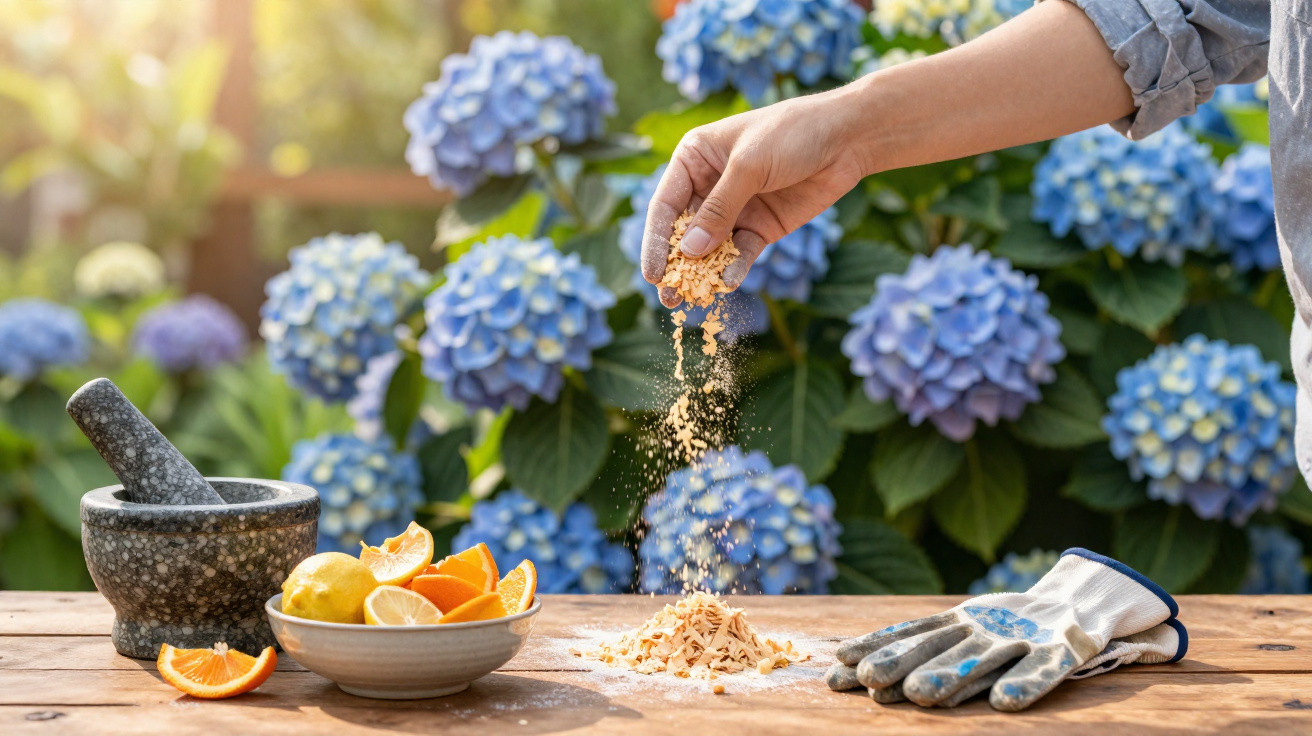
Anyone hoping for lush, globe-shaped hydrangea blooms in the garden or on the balcony will know the frustration: small flower heads, yellowing leaves, and colours that just do not pop. The weather often gets the blame, and sometimes watering habits do too. Yet the answer is frequently sitting in the food waste bin - specifically, citrus peels, which can be turned with minimal effort into a surprisingly effective hydrangea booster.
Why hydrangeas lose vigour so quickly
Hydrangeas thrive in acidic soil. Their comfort zone is a pH of roughly 5 to 6. In many gardens, however, the soil tends to be more calcareous, which is not always obvious at first but becomes noticeable in how the plant performs.
Common warning signs of stressed hydrangeas include:
- yellowish leaves with green veins
- thin shoots that lack strength and stability
- smaller flower balls than the year before
- colours that look pale and washed out
The reason is that when soil is too alkaline, the roots struggle to take up important nutrients such as iron and potassium. Those nutrients may be present in the ground, but for the plant they are effectively “locked away”. This is exactly where citrus peels come in.
How citrus peels improve soil for hydrangeas
Citrus peels are naturally mildly acidic and also contain several mineral nutrients. When prepared properly, they do two jobs at once: they shift the soil conditions around the plant in a more suitable direction and, at the same time, provide nourishment for roots, foliage and blooms.
"Dried and crushed citrus peels act like a gentle, natural fertiliser that slightly acidifies the soil and strengthens hydrangeas’ flowering power."
The peels contain, among other things:
- Potassium – supports sturdy shoots and more intense flowering
- Nitrogen – encourages leaf growth and the development of new shoots
- Magnesium – important for deep-green leaves and chlorophyll production
- Calcium – strengthens cell walls and helps the plant cope better with stress
The clever part is that the peels’ mild acidity helps nudge the pH in the root zone slightly towards acidic. As a result, previously blocked nutrients become available again and the hydrangea can absorb them.
Which citrus peels are suitable for hydrangeas?
In everyday life, the most common peels come from oranges, mandarins, lemons and grapefruits. All of them can be used for hydrangeas - what matters is how you process them.
Particularly handy for day-to-day gardening are:
- orange peels left from fruit bowls
- leftovers after juicing
- dried pieces from organic citrus fruit
If you are concerned about pesticide residues, it is best to choose unwaxed, untreated organic fruit, or wash the fruit thoroughly before peeling. The effect on hydrangeas then depends mainly on thorough drying and proper crushing.
Preparing citrus peels properly: turning waste into fertiliser
Placing fresh, still-damp peels straight onto the soil only helps to a limited extent - and can quickly attract fruit flies or even mice. One small extra step makes all the difference.
Step 1: Drying
The peels should dry out completely. Good options include:
- In the sun: lay the peels on a tray and leave them in an airy, sunny spot for several days.
- In the oven: at around 50–60 °C (fan), with the oven door slightly ajar, until they are hard and brittle.
Properly dried peels snap when bent and no longer feel damp or leathery. At this stage, they are unlikely to go mouldy and can be stored easily in a jar or bag.
Step 2: Crushing
To help the nutrients release into the soil more effectively, the peels should be reduced as small as possible.
Suitable tools include:
- the grinder from an old coffee grinder
- a powerful blender or food processor
- a pestle and mortar for smaller quantities
The finer the powder, the quicker the minerals reach the upper soil layer. Coarser pieces take much longer, spread unevenly and can dry out on the surface before they start to break down.
How gardeners apply the powder to hydrangeas
Once the powder is ready, it only takes a quick trip outside. Using it is similar to applying a light granular feed.
- Sprinkle the powder around the root area, roughly 10–20 centimetres from the plant.
- Work it into the top 2–3 centimetres of soil using a hand hoe or small cultivator.
- Then water thoroughly so the dissolved substances are carried down towards the roots.
Applying it once a month during the growing season - roughly from March to the end of August - is sufficient. If you also use a hydrangea fertiliser, keep an eye on total amounts to avoid overfeeding.
"Less is better: a monthly peel booster is enough to support the plants without overwhelming them."
Double benefit: a nutrient boost and some protection from pests
Citrus peels are not only useful as a feed. They also contain d-limonene, a fragrant compound that deters many insects and some small animals. In the immediate vicinity of the hydrangea, this can unsettle certain ant species and the odd aphid colony.
They are not a miracle cure, but they do add a small bonus:
- mild scent-based deterrence against some crawling insects
- reduced attractiveness for certain pests around the root zone

Comments
No comments yet. Be the first to comment!
Leave a Comment