
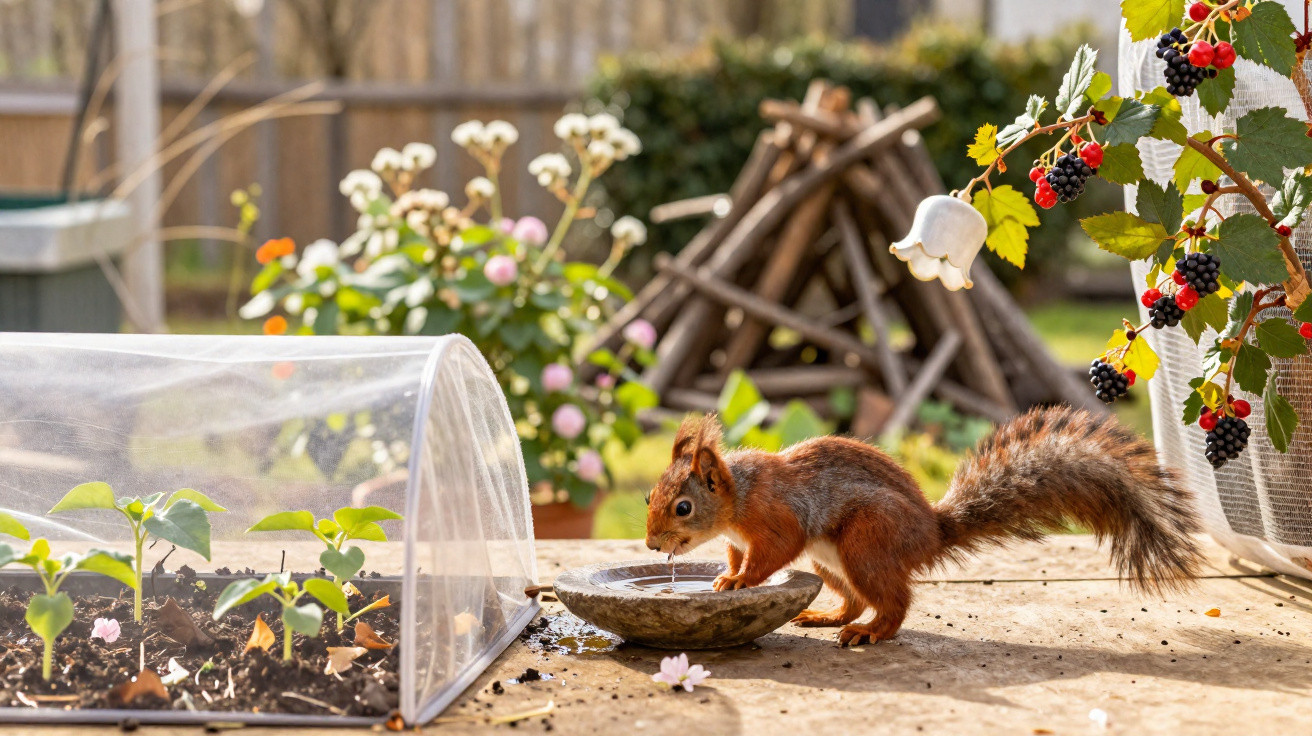
A flash of russet fur slipping over the fence can quickly bring to mind raided beds, missing nuts and overturned planters. Yet behind that “nuisance” reputation is an animal that aerates soil, effectively “plants” new woody growth and supports ecological balance. With a handful of straightforward measures, these nimble climbers can be guided so they add value to your garden without helping themselves to your lettuces and strawberries.
From supposed raider to helpful garden companion
How their digging brings soil to life
Squirrels tuck away food stores in countless little hiding places. As they do so, they loosen and mix the top layer of soil, creating small air pockets and channels. In effect, it’s like getting a gentle, free run with a cultivator.
"Well-aerated, loose soil encourages earthworms, micro-organisms and root growth – exactly what a thriving vegetable garden needs."
Because the animals simply forget some of their caches, buried nuts and seeds later germinate into young trees and shrubs. Over the years, this can create natural “tree islands” that provide shade, habitat and shelter from the wind. With a bit of planning, you can take advantage of this accidental “planting service” to make your garden design more varied.
Why spring is the best time for a new alliance
From around mid-March, activity in the garden noticeably picks up. Days lengthen, temperatures soften, and many animals step up their search for food. At this time, squirrels are particularly easy to introduce to new feeding points and water sources.
If you set out water now, avoid cutting back shrubs too hard, or offer the first feeding spots, you’re laying the foundations for a stable, peaceful co-existence throughout the gardening season. Squirrels learn safe, reliable locations quickly and will return to them again and again.
Food, water, safety: turning your garden into a squirrel haven
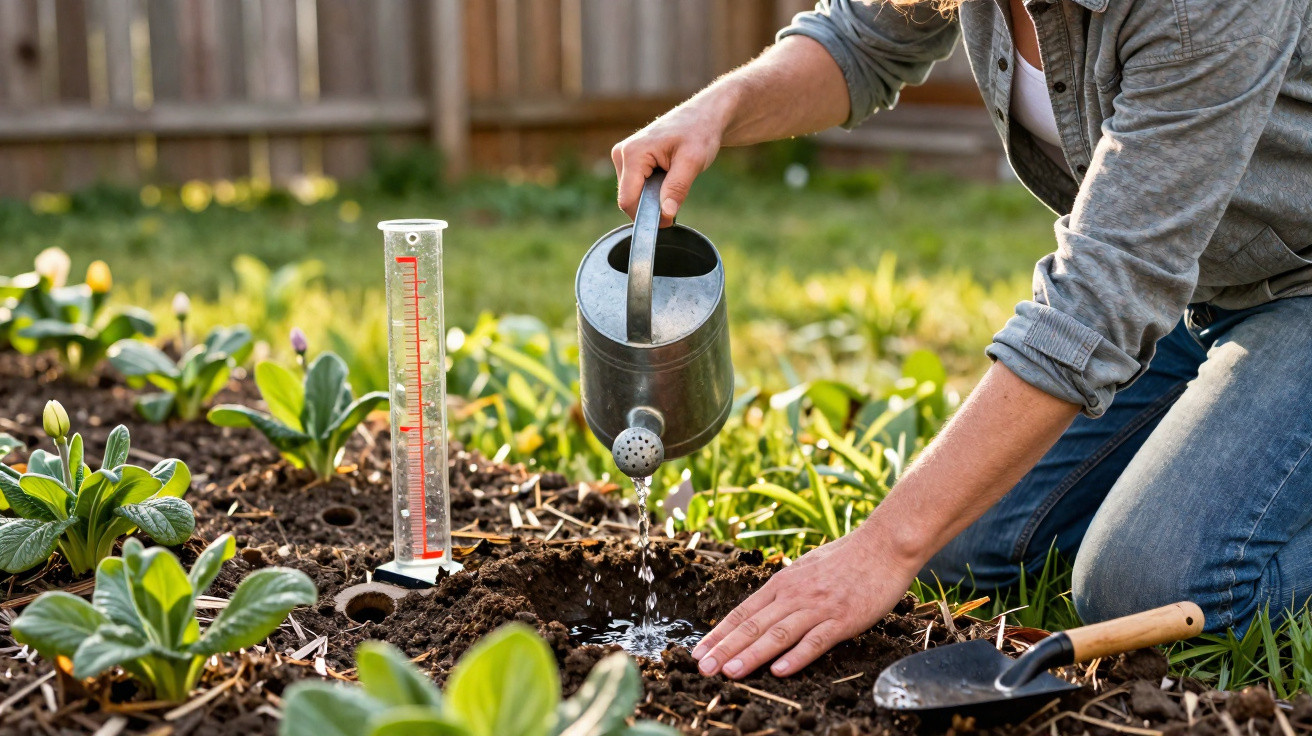
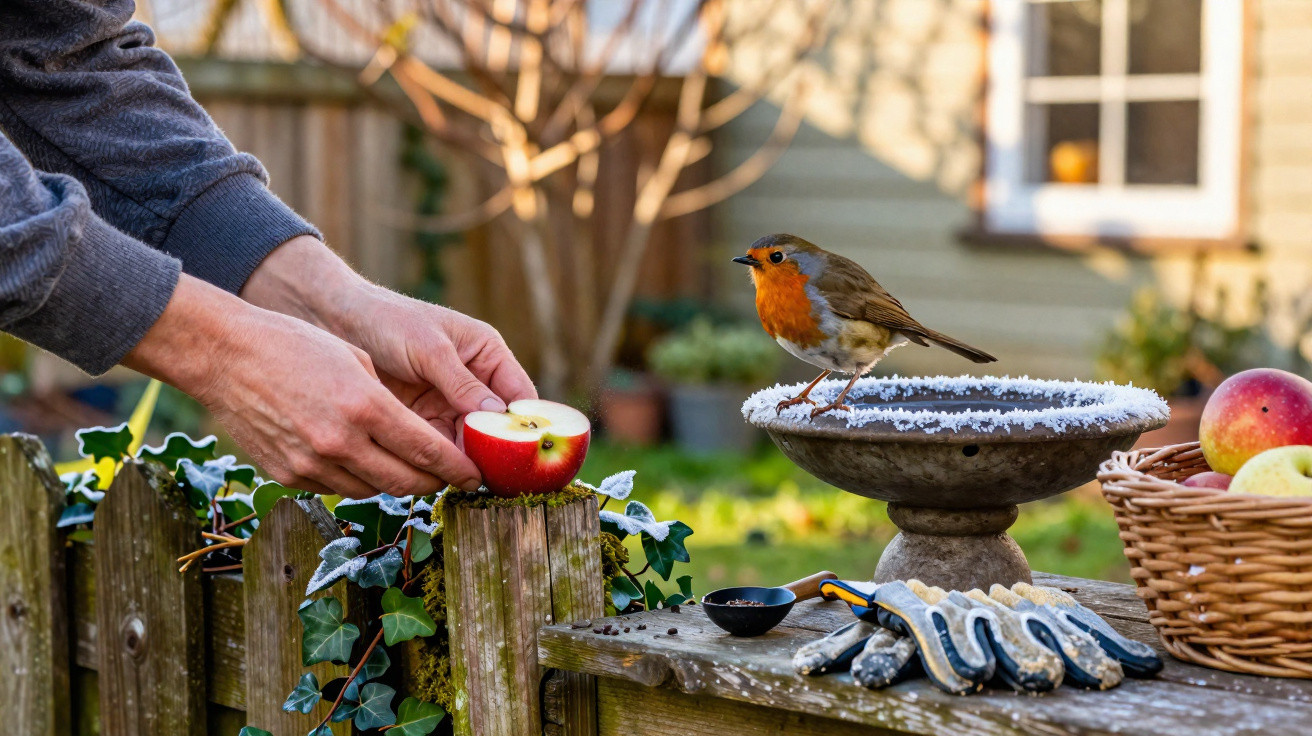
Create shallow water stations – always fresh, always safe
When people think about wildlife, they usually start with food. Water is often forgotten, even though it’s crucial. A simple saucer, a shallow ceramic dish or a small bowl is enough.
- Fill with water only a few centimetres deep
- Add a stone or stick as a “lifeboat”
- Place it raised up or in a clear line of sight to reduce the risk from cats
- Refresh the water regularly and give the container a quick rinse
These mini drinking points support not only squirrels, but also birds, hedgehogs and insects. In hot summers, they can become essential for survival.
The right trees and shrubs – a buffet from spring to autumn
To keep these climbing specialists away from your veg patch, they need appealing alternatives. Nut trees and certain broadleaf trees provide food over many months and work well as a deliberate “distraction strategy”.
Particularly suitable are:
- Hazel shrubs
- Oaks
- Walnut trees
- Chestnuts
- Beeches
In small gardens or on a balcony, you can opt for compact shrub forms or columnar trees. Extra feeders with unsalted sunflower seeds, nuts or acorns can help bridge lean periods without making the animals too dependent on food from people.
"If you deliberately move the food supply towards the edge of the property, you steer the animals away from delicate beds."
Creating retreats: a little wildness is actively welcome
Let hedges grow rather than clipping them hard into shape
Many gardens look like they’ve been lifted from a catalogue: everything straight, short and spotless. For wildlife, that can feel like a desert. Dense hedges with a more natural, uneven shape, by contrast, offer cover, corridors and protection from view.
For instance, allow one corner with privet, hornbeam or wild roses to grow thicker on purpose. A touch of “mess” in that spot provides:
- Hiding places from birds of prey and cats
- Sheltered routes across the plot
- Nesting options for birds and sleeping spots for squirrels
An additional nesting box placed at a height of 4–6 metres, slightly sheltered from the worst weather and not facing the prevailing wind, rounds the offer off nicely.
Log piles and deadwood as natural shelters
Rather than taking every branch straight to the recycling centre, set aside an area for deadwood. A loosely stacked pile of branches, twigs and a little leaf litter can, at the same time:
- Attract insects
- Create small ground-level hideaways
- Act as a launch point for squirrels
These “wild corners” can work even in small terraced house gardens. With a screen behind it, the pile barely affects the look of the space – ecologically, though, it functions like a pocket nature reserve.
Protecting your crops without driving the animals away
Shield young plants with cloches and covers
The greatest potential for conflict comes with tender young plants: newly planted lettuces, pumpkins or beans. Curious paws can disrupt seed rows or pull out seedlings.
Clear cloches or simple wire covers over beds address the issue. They let in light and warmth while keeping animals out. These protective covers are sold in many sizes, can be secured with stones or hooks, and can be removed easily once plants are sturdy enough.
Separate berry bushes with netting
As soon as red and blue fruits appear in summer, raspberries, strawberries and redcurrants can quickly become a pick-your-own bar – not only for squirrels, but for birds too.
Fine mesh nets, loosely draped over the shrubs and firmly secured at the sides, protect the crop without putting animals at risk. Key points are:
- Choose a tight mesh so paws or wings cannot get caught
- Keep nets taut rather than letting them hang loose
- Check regularly and remove any trapped leaves
"If you provide food trees and cover only the most sensitive crops, you usually achieve a stable balance between enjoyment for people and for animals."
How a “wilder” garden benefits in the long run
Less chemistry, more natural helpers
A garden that avoids pesticides and harsh fertilisers gradually develops its own balance. Earthworms, beetles, birds and, yes, squirrels all contribute by keeping pests in check and improving the soil.
Many issues only arise because things are kept too tidy: bare ground, sealed-over beds, and synthetic products. If, instead, you allow a little wild growth in selected areas, leave some leaves in place and encourage natural allies, you save money and effort while reducing environmental impact.
Common worries – and what really happens
Typical concerns about squirrels are often less serious than they sound:
- "They eat all my fruit." – In reality, they take only a portion. With netting and alternative food sources, there’s still plenty left for people.
- "They wreck the beds." – The scratching is localised and can be kept away from the most important rows using covers.
- "They breed too much." – In wildlife-friendly gardens, numbers usually regulate themselves through food availability and natural predators.
Look closely and you’ll see the small rodent with the bushy tail is less an enemy and more a fellow gardener. It delivers surprise saplings, loosens soil and brings noticeably more life between lettuce, berries and herb beds.
For families with children, there’s an extra layer of fascination as well: quiet morning watching from the window, the soft rustle in the leaf litter, the quick scramble up an apple tree. The garden becomes not only more productive but also more engaging – a living place to learn, where people and wildlife share the space.
Comments
No comments yet. Be the first to comment!
Leave a Comment