
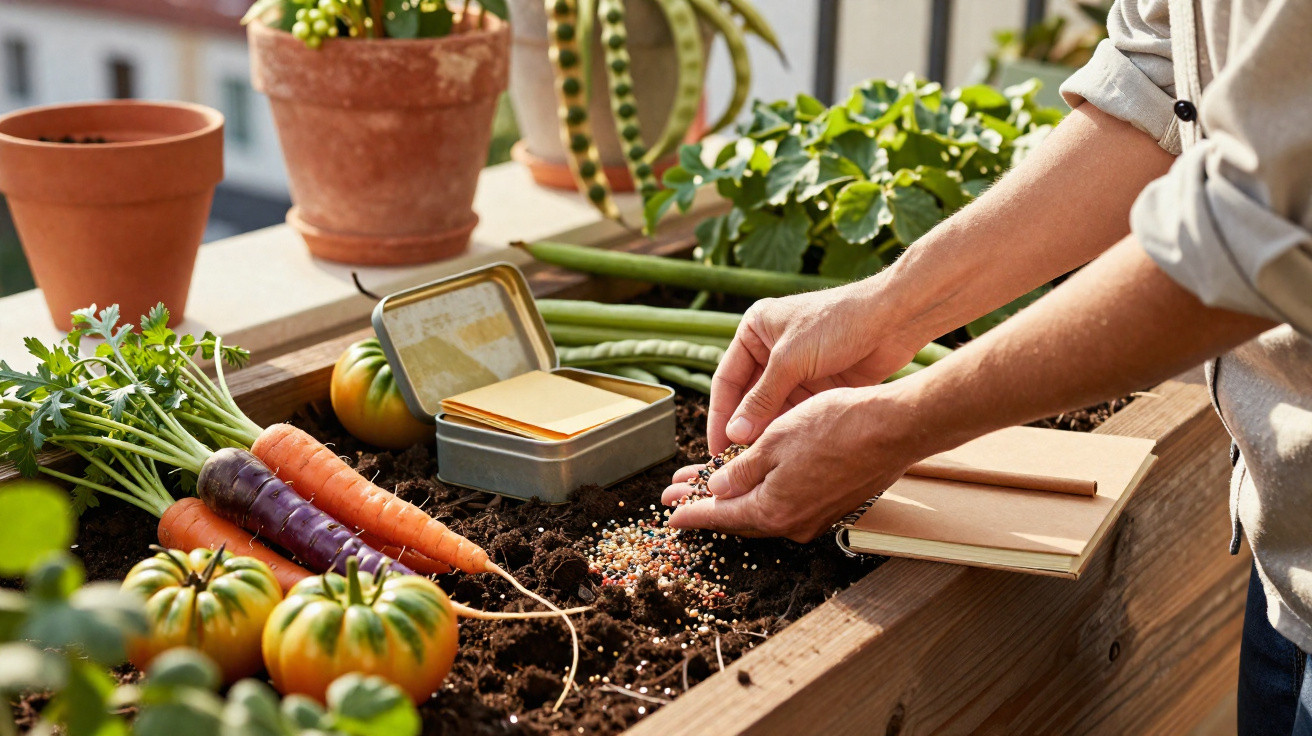
In spring, hobby gardeners suddenly reach for varieties that once grew in Grandad’s beds - and bring back almost forgotten vegetable treasures.
They are popping up everywhere again: misshapen tomatoes, beans speckled with colour, wonderfully gnarly squashes. Old vegetable varieties are making a comeback in gardens, on balconies and even in raised beds outside terraced houses. What used to be ordinary now feels like a small act of rebellion against supermarket uniformity - and an invitation to put more flavour back on the plate.
Why old vegetable varieties are in such demand right now
For a long time, farming focused on consistency: fruits of the same size, identical colour, and a long shelf life. Anything that didn’t fit that mould often vanished from catalogues and shelves. In home gardens, the trend has flipped.
"Old varieties are coming back because they’re hardy, look intriguing and simply taste better."
Three reasons keep coming up whenever you talk to hobby growers:
- Hardiness: Many older varieties cope better with unpredictable weather and manage with less fertiliser.
- Taste: They were bred less for maximum yield and more for aroma - and you really can taste the difference.
- Diversity: Not just red tomatoes, but yellow, black and green-striped ones. Not just one standard carrot, but finger carrots, chunky roots and purple varieties.
A lot of these varieties survived only because people swapped seeds and passed them along within families. That carries a slice of cultural history - from village fields to the small garden behind a rented flat.
The perfect moment: what you can sow in mid-April
By mid-April, most gardeners are itching to get started. Days are longer and the soil begins to warm. This is exactly the window when many old varieties can be started under cover or sown straight outdoors - depending on your region and the weather.
Popular classics to kick off the season
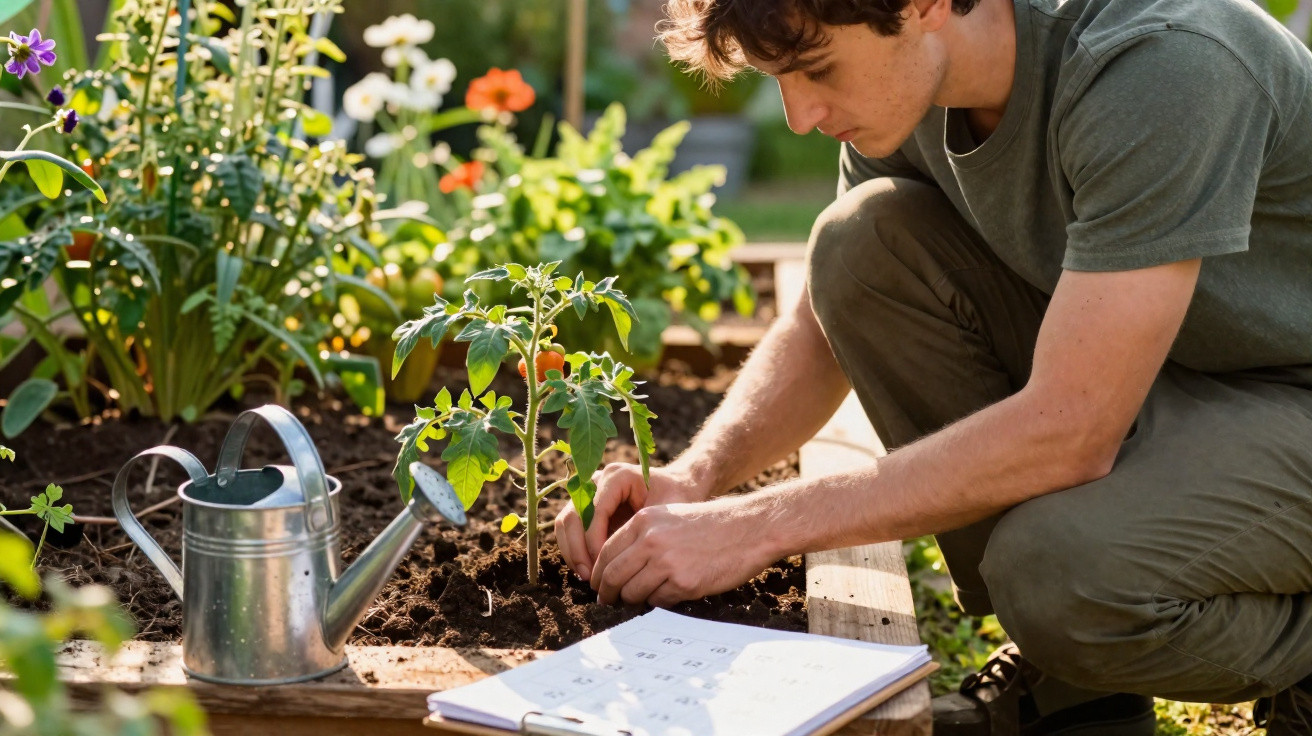
- Old tomato varieties: Oxheart, yellow beefsteak tomatoes, striped cherry tomatoes - they do need protection from the cold, but reward you with intense flavour.
- Runner and climbing beans: Traditional types crop for a long time and make use of vertical space on a balcony or in the garden. A simple support frame is enough.
- Classic squashes: Muscat or Hokkaido types from older lines tend to be resilient and store well.
- Fast-growing radishes: Spring radishes are ready within weeks, add colour to the bed and help loosen the soil.
A straightforward planning rule helps: sow outdoors what isn’t afraid of frost and will meet reasonably warm soil. Everything else is best started in a protected spot indoors or in a cold frame.
"If the soil no longer sticks to your boots, it’s usually warm enough for sowing."
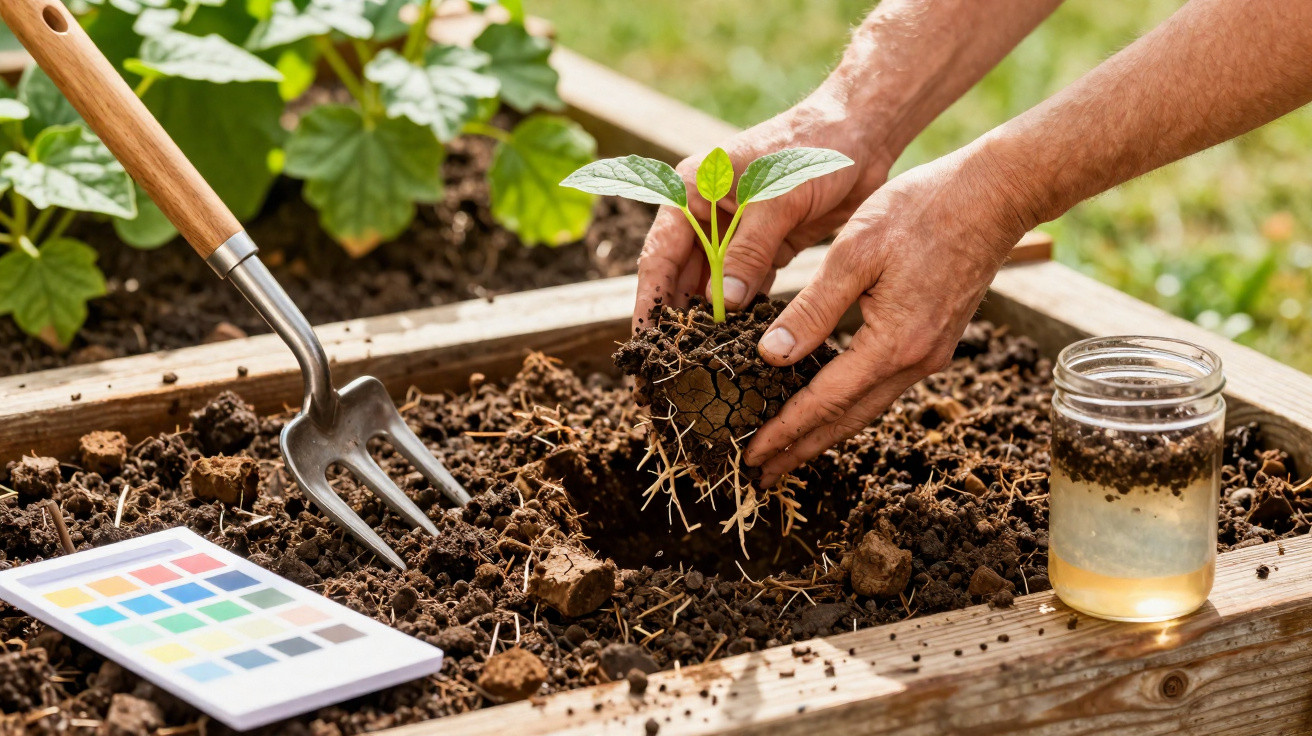
How to prepare the soil like a pro
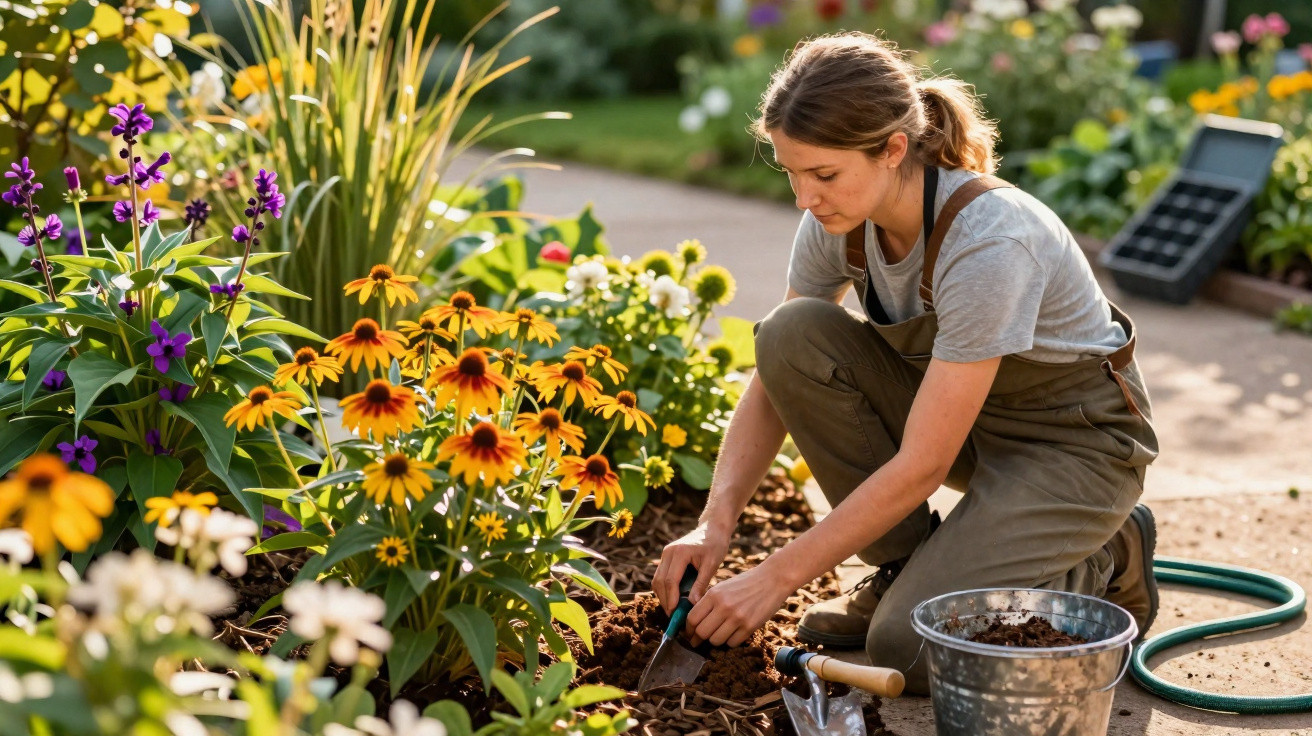
Old varieties repay good groundwork with strong, healthy growth. A common mistake is turning the soil deeply with a spade. That disrupts the living soil community that actually supports your plants.
This step-by-step approach works better:
- Loosen the surface with a rake without digging deeply.
- Sprinkle a thin layer of mature compost and work it in lightly.
- Break up large clods until the soil has a fine, crumbly texture.
- Leave the bed to rest for half an hour so it can settle.
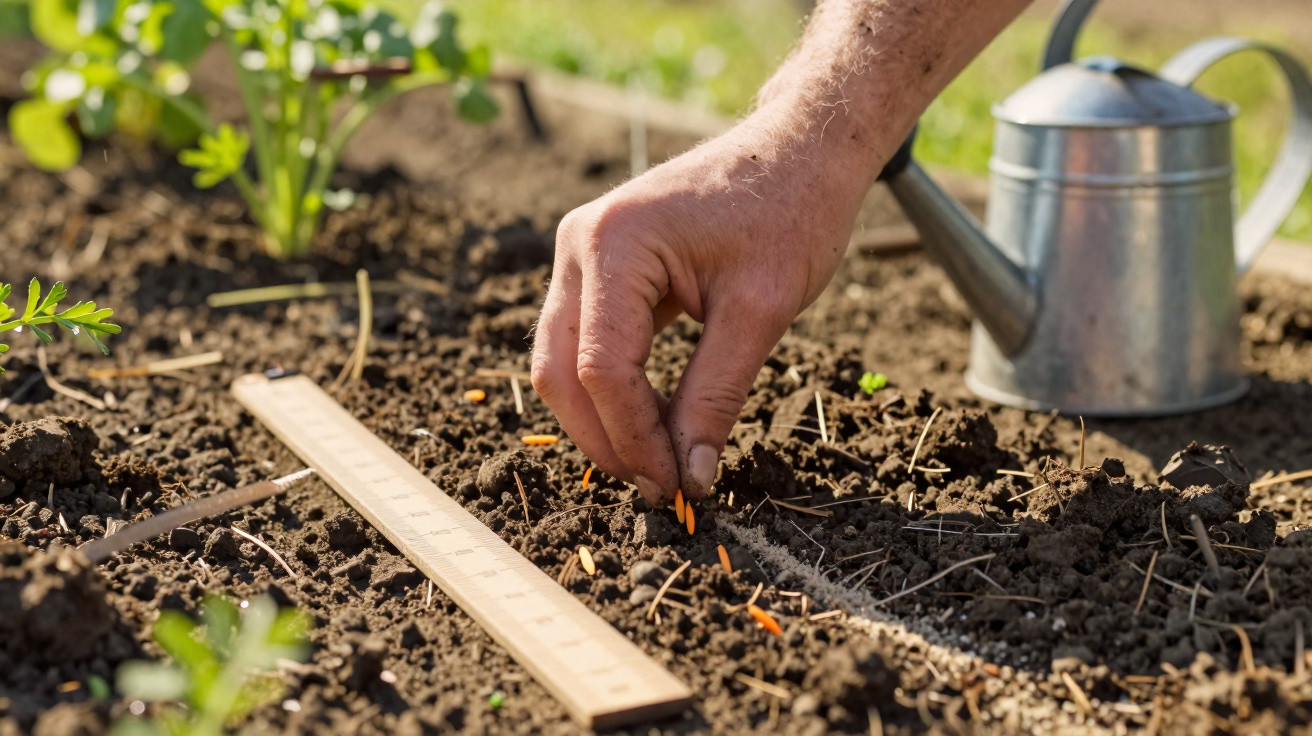
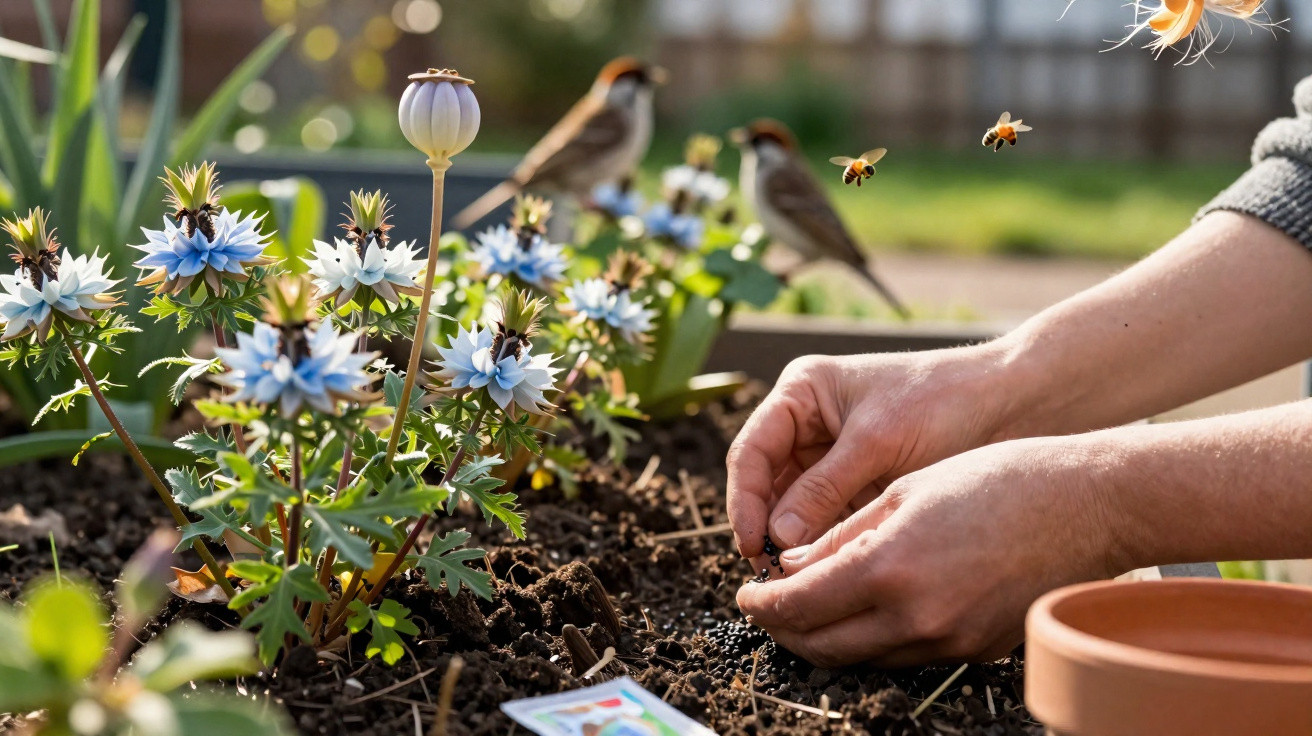
Draw your seed drill only 1–2 centimetres deep - a little deeper for larger seeds. As a rule of thumb, cover seed to a depth two to three times its thickness. Then water gently, ideally with a watering can fitted with a fine rose.
Protecting young plants and caring for them properly
The first few weeks determine whether these old treasures really take off in the bed. Sudden temperature swings are particularly tough on young plants.
- Watch the nights: If a ground frost is forecast, protect plants with horticultural fleece or a simple plastic cloche.
- Water regularly, but not excessively: Water less often but more thoroughly, so roots grow deeper.
- Remove weeds early: Competition for water and nutrients drains young plants of energy.
"Many old varieties are surprisingly forgiving - they’re more likely to tolerate a missed watering than high-performance hybrid varieties."
When it comes to harvesting, patience pays. Many fruits only develop their full aroma when they are truly ripe. A tomato that has fully coloured on the vine tastes completely different from a slightly under-ripe supermarket fruit.
Saving your own seed: keeping Grandad’s veg in circulation
Once you’ve found a favourite variety, you’ll usually want to keep it. With a bit of care, you can easily save seed from many varieties yourself.
| Step | What to do |
|---|---|
| 1. Selection | Use only healthy, vigorous plants and the best-looking fruits. |
| 2. Full ripeness | Let fruits ripen fully, sometimes even until they begin to wrinkle slightly. |
| 3. Extraction | Remove seeds carefully and clean off the flesh. |
| 4. Drying | Dry for a few days on paper or cloth in an airy, shady place. |
| 5. Storage | Store in labelled paper envelopes in a cool, dry, dark place. |
Over the years, this becomes a small private seed bank. Many gardeners exchange their treasures with others - at seed swaps, among friends, or through their local allotment association.
More than nostalgia: what old varieties offer for climate and balcony growing
Choosing historic varieties goes beyond what ends up on your dinner plate. Every old tomato you grow helps preserve a line that might otherwise disappear. Greater genetic diversity makes the whole system more resilient - from bees to people.
Even in the smallest spaces, such as a city balcony, you can do plenty:
- Grow bush tomatoes from older lines in a large pot
- Train low-growing beans up the balcony railing
- Mix old lettuce varieties in a window box
If you also plant flowering herbs such as thyme or borage, you’ll attract wild bees and other beneficial insects. That improves pollination and helps keep harvests steadier over time.
Practical tips for beginners with old varieties
If you’re new to this, there’s no need to overhaul the entire bed at once. Three down-to-earth tips make the first season easier:
- Start small: Two or three old varieties in year one is plenty. It keeps the workload manageable.
- Use regional recommendations: Seed initiatives and local nurseries know which varieties perform well in your climate.
- Take notes: Record when each variety went into the ground, where it grew, and what it yielded - it makes planning next season much easier.
If you want to go deeper, you’ll quickly come across terms such as “landrace” or “true to seed”. “True to seed” means that plants grown from saved seed will produce offspring with similar characteristics. That reliability is exactly what makes old varieties so appealing to people aiming for a degree of self-sufficiency.
Over time, you can build a real connection to your own lines. Many gardeners talk about a particular tomato or bean that already grew in their grandparents’ garden. Sowing those varieties again today brings back not only flavour, but also a piece of family history - while producing a harvest that stands in clear contrast to modern agriculture and the pressures of climate change.
Comments
No comments yet. Be the first to comment!
Leave a Comment