
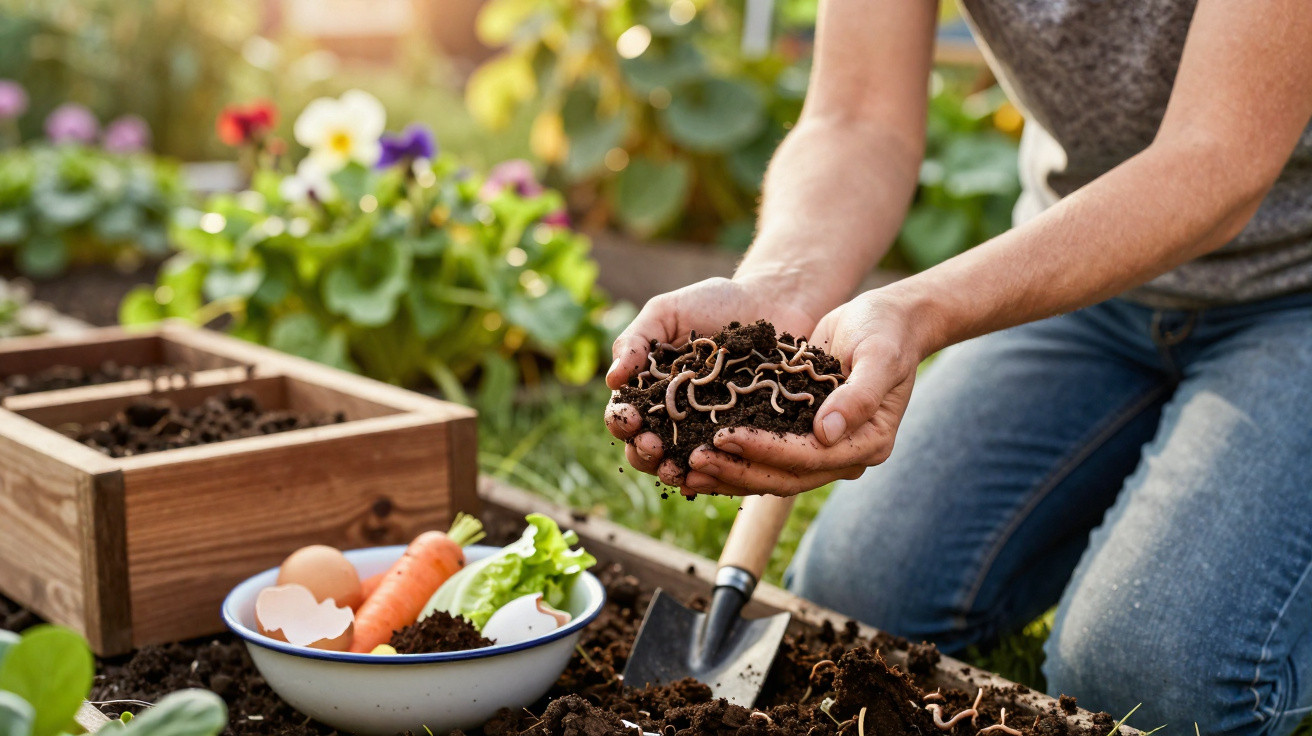
The day I stopped tipping my plate scraps straight into the bin, the kitchen seemed strangely still.
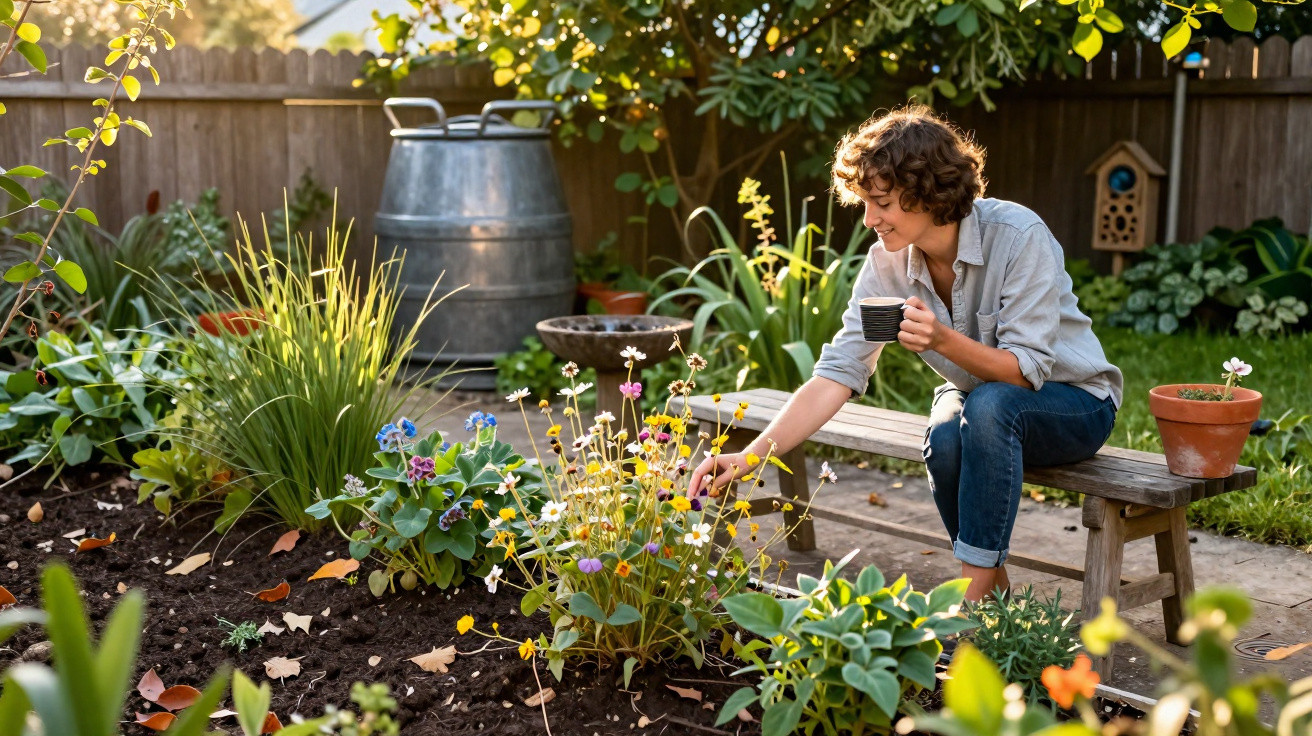
Rain tapped insistently at the window, the kettle had just clicked off, and I stood there holding onion trimmings and tea bags, undecided. I had read about waste and depleted soil, yet it was not the figures that persuaded me. It was the sensation of those leftovers in my palm-still warm from the roast, with a trace of steam from the sink-as though they had another purpose. We have all known a moment when a small choice carries more weight than expected. I opened the back door, walked into the drizzle and placed the peelings in a shallow trench, while a friendly earthworm looked on from nearby. By the following morning, I could have sworn the soil appeared different. Perhaps I was simply seeing it differently.
The first handful that changed everything
My start was rather untidy. I put an old pudding basin beside the sink, marked “scraps”, and began filling it with banana skins, eggshells and the coffee grounds from my morning cuppa. I did not manage it flawlessly. On certain days I forgot; on others, everything went into the council food-waste caddy and I trusted it would be dealt with properly. Even so, a quiet routine emerged: keep it, chop it, give it to the soil, then return indoors with dirty knees and a rather daft smile.
Soil is alive, and it eats. That was the fact that finally stuck with me. Earth is not an inert material that merely supports plants, in the way a pot holds pencils. It is a busy settlement of microbes, fungi, writhing labourers and unseen engineers, all eager for what we have dismissed as waste. Give them kitchen scraps and they create structure, retain water and share nutrients around like considerate neighbours.
I began to appreciate its small-scale drama. There was the muted sound of peel landing against the spade, and the way moist soil folded over a banana skin as if declaring “mine.” The first border I fed contained exhausted, compacted earth that would not break apart. A month afterwards, the spade entered more easily. It was neither magic nor immediate, but a gradual and everyday kindness.
What scraps actually help
What to welcome
Fruit and vegetable peelings are dependable allies: carrot tops, apple cores, courgette ends and finely chopped brassica stems. Coffee grounds are useful in modest amounts, worked into soil or compost instead of tipped down in a heap that becomes a miserable, water-resistant puck. Tea leaves work too, but make sure the bags contain no plastic, or open them and put the mesh in the bin. Once dried and crushed to a powder between your fingers-or smashed in a spare jar with the gusto of a rolling pin-eggshells are an excellent source of calcium.
Banana skins contain potassium, so I cut mine into strips with kitchen scissors before burying them. Chopped onion skins and garlic ends are suitable as well, provided they are buried rather than left in piles on the surface. A small amount of stale bread or rice will disappear swiftly when properly covered. Cardboard sleeves, brown paper and shredded loo-roll tubes help balance damp scraps and settle the entire mixture.
What to skip or go slow on
Meat, fish and dairy may smell and attract foxes or rats, so avoid them unless you have an enclosed bokashi system. Large citrus skins decompose slowly and may make worm colonies unhappy; use only small amounts, bury them deeply or dry and crumble them first. Cooking oil has no place in a growing patch, as it suffocates soil life like a blanket thrown over a tiny fire. Big stones and fruit pits are harmless but practically everlasting-set them aside to glare at you from the compost, like fossils from last week's lunch.
The “Compostable” claim on bioplastics can be misleading, as most will not rot down in a domestic compost heap. When uncertain, do not offer your soil a hopeful guess. Rely instead on materials you would willingly stew: plant matter, paper and a modest caffeine boost for the workforce.
The lazy alchemy: trench composting
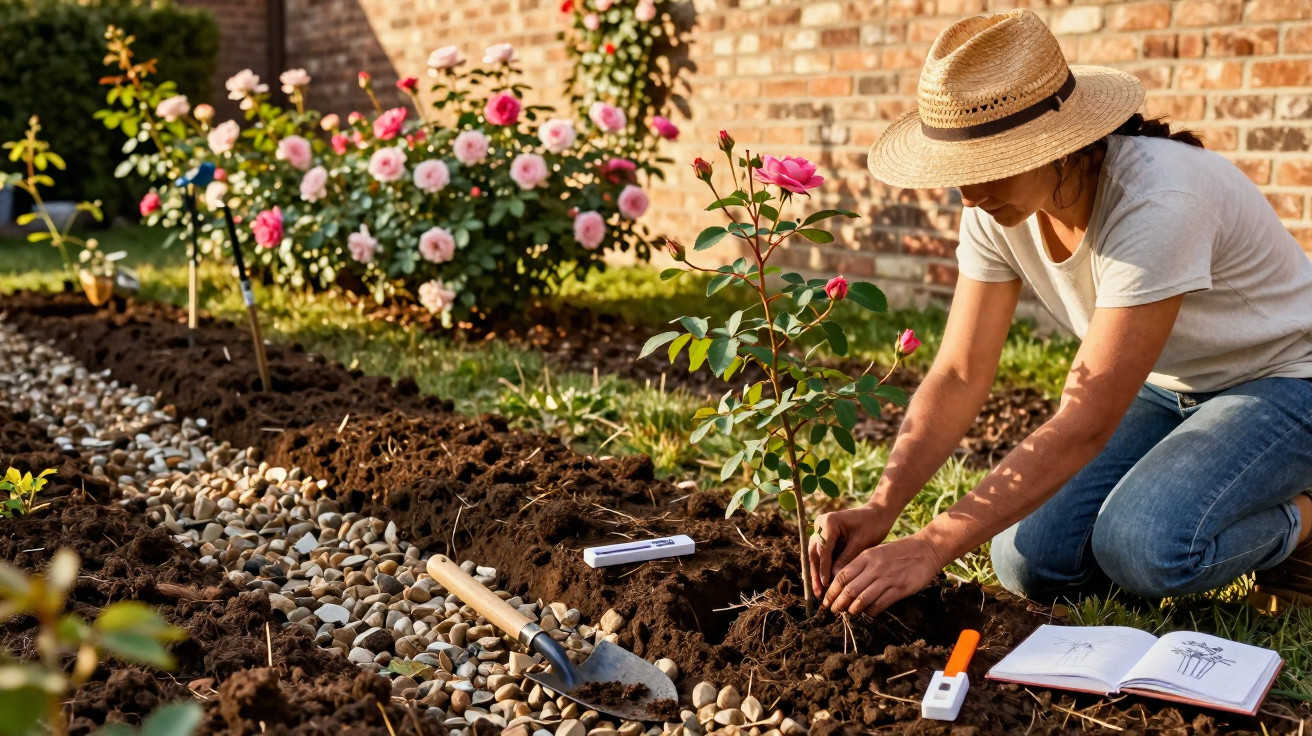
When I lacked room for a grand compost bin-or, truthfully, the commitment to maintain one-I took up trench composting. The name sounds like a First World War manoeuvre, but it simply means digging a tidy, spade-deep channel and hiding kitchen scraps there like treasure. Replace the excavated soil, mark the location with a twig and progress along the bed from week to week.
This approach improved my beds most quickly. The scraps decay exactly where future roots will search, while the soil remains civilised: no pong and no inquisitive local fox. During a cool British spring, scraps usually vanish in four to six weeks, and summer is faster still. The sole guideline is to chop materials as finely as your patience allows-and on a Tuesday evening, that threshold may be very low.
Move each burial site around so the feast is spread evenly. When I plan to plant later, I dig trenches in autumn and sow above that silent buffet in spring. It is understated, rewarding and allows the earth to practise its own intelligence without my interference.
Tiny livestock: inviting worms to the party
If trenching is the low-effort option, a wormery is its quieter, watchmaker-like counterpart. In effect, you are keeping pets: red wigglers that consume scraps and produce worm castings so smooth they nearly gleam. A stackable worm bin on a compact patio can transform kitchen flotsam into fertiliser that plants would gossip about each evening.
Worms prefer soft food, snug bedding and a fairly uneventful existence. Rip cardboard into strips, dampen it and arrange it around the scraps like a duvet. Citrus and onion are not forbidden, but offer them sparingly and not daily; coffee is a treat rather than a staple. Gather leachate with care, then dilute it before watering, as you would cordial for seedlings.
When the upper layer has become dark, loose castings with a pleasantly earthy scent, lift it out with a trowel. It is rocket fuel for containers, seedlings and any border that has been sulking. Give worms shade and reasonable warmth, and they will happily earn their keep.
Quick kitchen boosts from the kettle
Some treatments need not wait. When lettuce looks as though it is writing a will, I make a rapid tonic from kitchen leftovers. Banana peel “tea” is a mild, traditional method: steep sliced skins in a jug of water for 24 to 48 hours, then apply it around the base of the plant. It will not work miracles, but it makes you feel like a kindly witch at the sink, and that can be part of the appeal.
For tomatoes and peppers, I favour eggshell powder. After baking bread, I dry the shells in the low oven, then grind them until they squeak beneath a spoon. Added to planting holes, they provide a slow, consistent helping of calcium. Coffee grounds should be treated as seasoning: use a light scattering through the topsoil, never a layer substantial enough to clump.
There is also simple vegetable cooking water, cooled after carrots or greens have been boiled, which can be poured around roots. Avoid anything containing salt or oil, and the soil will take those leftovers like a courteous guest at a garden party.
Greens, browns, and the sniff test
The balance involved is easy to sense without consulting charts. Fresh, moist scraps-your greens-benefit from dry, papery browns alongside them. A trench or compost heap that becomes too sludgy will smell; one made entirely from cardboard will plod along and offer your seedlings little encouragement. Combine them as though making granola: some of one, some of the other, mixed by rain and worms.
A bag of dry autumn leaves can save your bacon throughout winter. Tear up cardboard sleeves in front of the telly, then keep them in a crate near the back door. Balance the soggy with the papery, and smells take care of themselves. When the mix is right, you can hear the difference: the squelch fades, leaving a gentle crumble beneath the trowel.
When your nose objects, add browns, stir the material and cover it. If the contents resemble a desert, introduce a moist mixture of chopped scraps and bury it well. The sniff test is more useful than any spreadsheet.
Keep foxes out, keep neighbours sweet
British gardens have plenty of personality, and some of it wanders through after dark on four legs. Foxes are not wicked, merely curious, while rats are opportunistic. Both welcome a free meal, which is why scraps should be beneath the soil rather than on it, except in a sealed system such as bokashi.
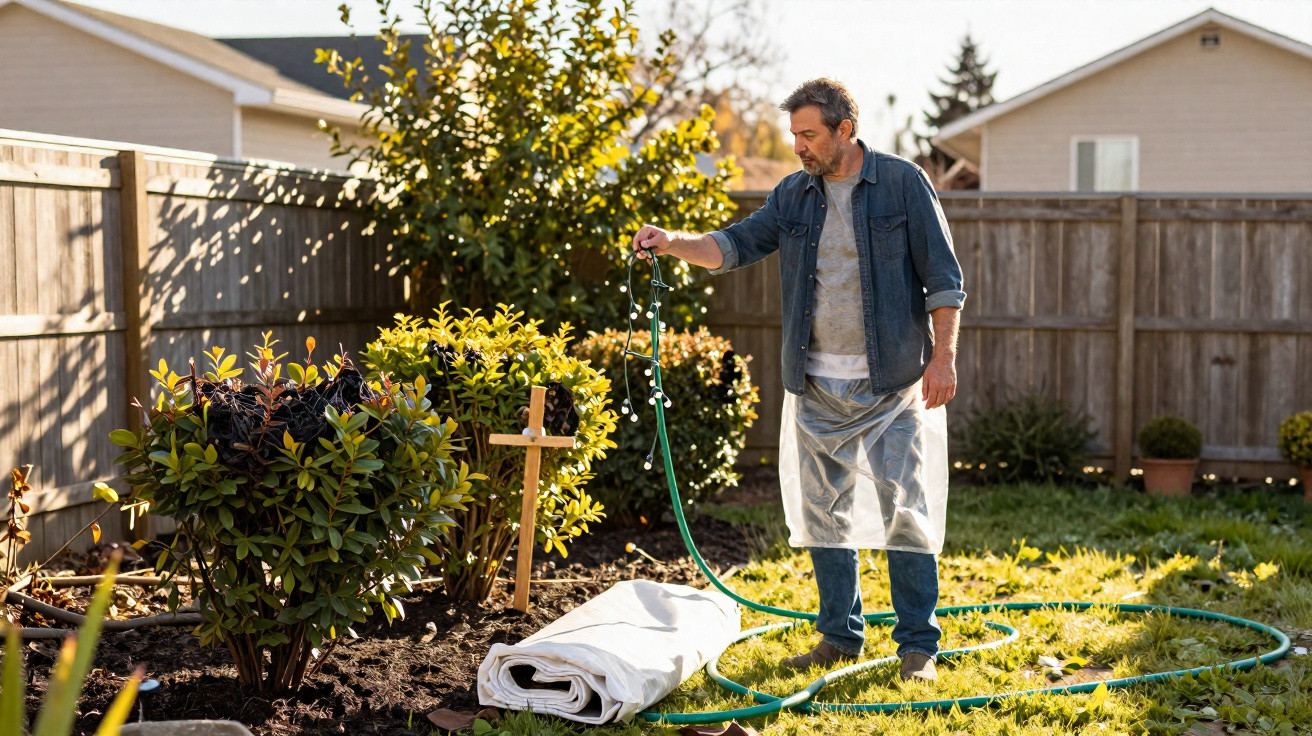
Bury waste at least a hand's depth, press the soil firmly back into place and leave out meat, dairy and oily remains. Where wildlife passes through regularly, do not keep using the same locations; rotate spots like a careful baker concealing buns. Wire mesh placed flat over a freshly buried area can discourage digging for a day or two. Your neighbours should notice only rain on tarmac, rather than the previous evening's roast.
Bokashi provides an excellent alternative for flats or streets busy with foxes: ferment scraps in an airtight bucket with bran, then bury the pre-pickled material in soil to complete the process. It resembles leftovers from a science experiment, performs brilliantly and avoids most concerns about odour.
How you know it’s working
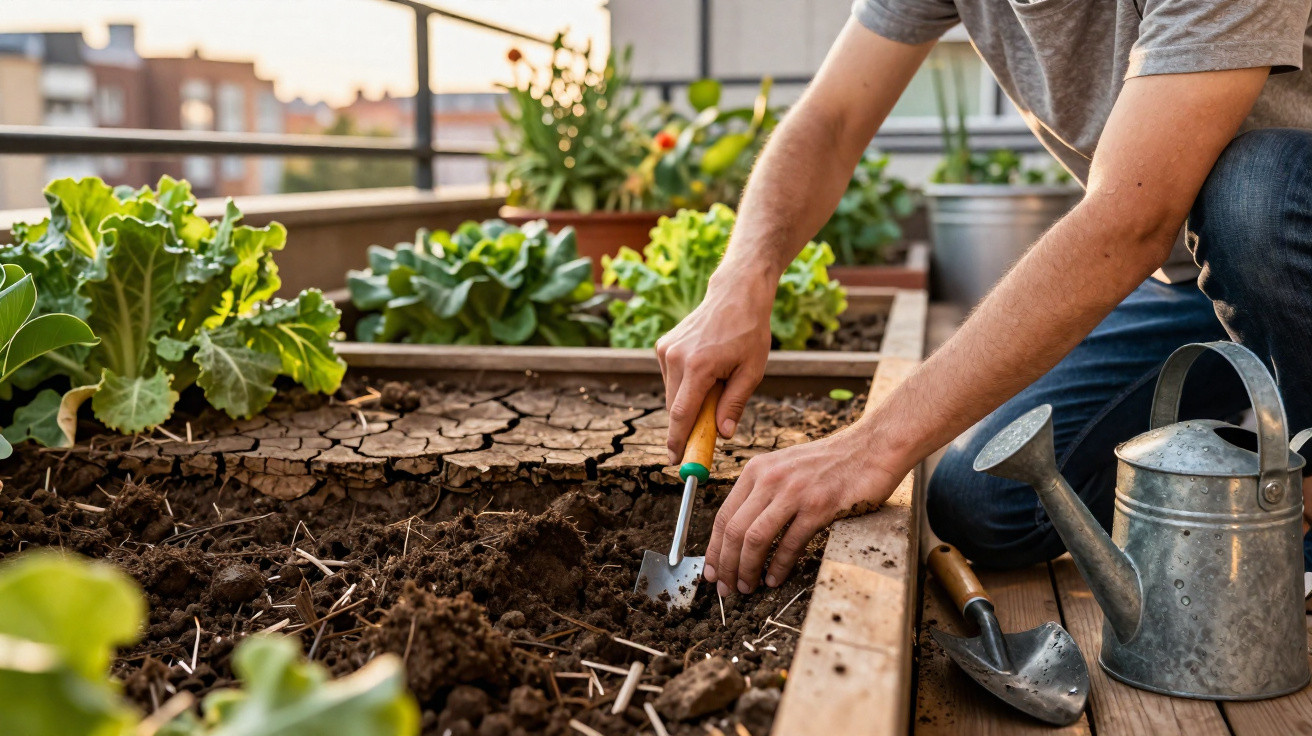
Initially, the changes are understated. Soil becomes a little darker, and its surface is less likely to split after sunshine. Press a handful and it holds together lightly before releasing, more like a polite handshake than a desperate clutch. Seedlings become less sulky; by mid-afternoon they stand more upright, with glossier leaves and less brittle stems.
Then the cast of characters arrives. Earthworms appear without invitation, plump and leisurely. Delicate strands of fungal mycelium run through mulch like intricate lace. Happy soil has a recognisable scent: a gentle woodland smell that encourages a deeper breath. Slugs bring beetles in their wake, and ladybirds arrive when aphids line the stems. The garden begins to seem balanced rather than under siege.
One moment with a spade tells the entire tale. It slips in with a soft shuck, and the lifted clumps fall apart rather than cutting cleanly like cake. That is structure. It is the community nourished by your peelings, attracting more life and making a home through which roots can travel.
Seasons, shortcuts, and the real life bit
Winter appreciates a blanket. I rake up leaves, lay them generously over beds and conceal scraps underneath, where cold weather cannot interfere. Soil is not inactive in January; it is quietly murmuring. Microbes continue their work, more slowly but reliably, while you prepare the table for spring. In a dry summer, I need to water less because my earth retains moisture as though it has finally learnt how.
Honestly, nobody keeps this up every day. Some weeks the bowl spills over, while other weeks you are away and face a mystery on returning. That is entirely fine. Soil is forgiving. Leave a small caddy by the sink and a spade within reach, and the routine will find you again, much as rain finds the gutter after a long dry spell.
If cutting every scrap feels like a faff, store scissors in the drawer and snip peels as you use them: two cuts here, three there. It need not become a ceremony; it can simply be a reflex. I only set reminders when beginning a new bed. At other times, the seasons prompt me: the first snowdrop, the first cuppa outdoors, the first evening slug patrol.
For pots, patios, and borrowed soil
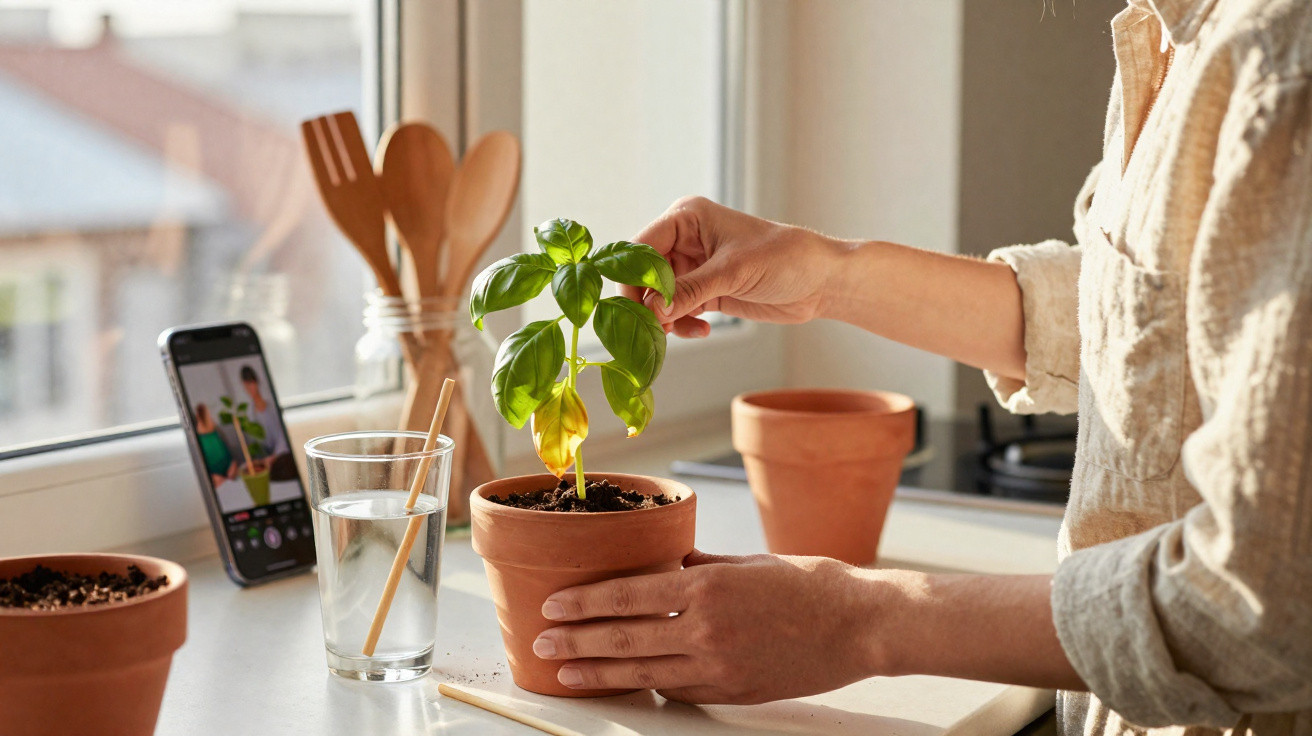
Without a garden, you are still welcome at the party. A balcony wormery converts scraps into castings that can be mixed into potting compost. Half a handful for each pot is plenty, and windowsill plants will repay you with foliage that appears freshly polished.
For rented homes and minute courtyards, consider planters with false bottoms. Put scraps into a buried column-an old piece of perforated pipe with a lid-and surround it with soil. Microbes travel in and out like commuters, while the plant feeds around the edges. This method is discreet and neat, leaving your landlord happily unaware that an ecosystem is flourishing beside the recycling bins.
Allotments form this story's community chapter. People exchange egg boxes for seedlings, shred newspapers for each other and swap coffee grounds collected from the café by the gate. A bed nourished by neighbours grows good gossip alongside good beans.
The science under your fingernails
Kitchen scraps do not nourish plants directly; they sustain the workers that look after them. As microbes decompose peelings and grounds, they release nitrogen, phosphorus, potassium and the micronutrients needed for steady rather than frantic growth. Fungal networks transfer resources between roots, making bargains we scarcely comprehend. The structure created by these workers allows water and air to travel through the soil, and roots follow those routes easily.
Chopping accelerates decomposition because it gives living organisms more exposed edge to work on-surface area being the magical expression we pretend not to remember from school. Moisture is the other essential: aim for damp, not saturated. Water a bone-dry trench as you would a newly planted specimen. If compost has turned to swamp, push in cardboard and turn it gently; the smell will leave to find somebody else's neglect.
There is no universally correct method. There is only your method, shaped by your kitchen, weather and patience. On some mornings, you will grumble at the rain and decide the scraps can wait another hour. On others, you will stand outside in a dressing gown, whispering “good breakfast” to the ground.
A small pact with your patch
One spring, I sowed a row of broad beans above the place where peelings had been discreetly buried all winter. They emerged as confident little fists, their flowers releasing a clean, faint fragrance that could have been a memory of honey. Bees discovered them like pilgrims. The pods appeared almost smug, as well-cared-for things often do. Visiting children pulled up carrots and repeatedly said wow, as though the soil had performed a trick.
Stop throwing away tomorrow’s topsoil. That is the whole idea: an agreement between plate and patch, sewn together with peelings, supported by coffee and sealed by the tap of a spade. The food left unfinished is still active, still willing to join a second life. It wants to return as a tomato, a rose or a strawberry that stains your fingers.
The reality is that giving kitchen scraps to soil does not make you a saint. It makes you involved. Balance the soggy with the papery, and your garden does the rest. The next time the kettle clicks off and you are holding dinner's ends and odds, go outside. Listen for the faint sound of the earth saying yes.
Comments
No comments yet. Be the first to comment!
Leave a Comment