
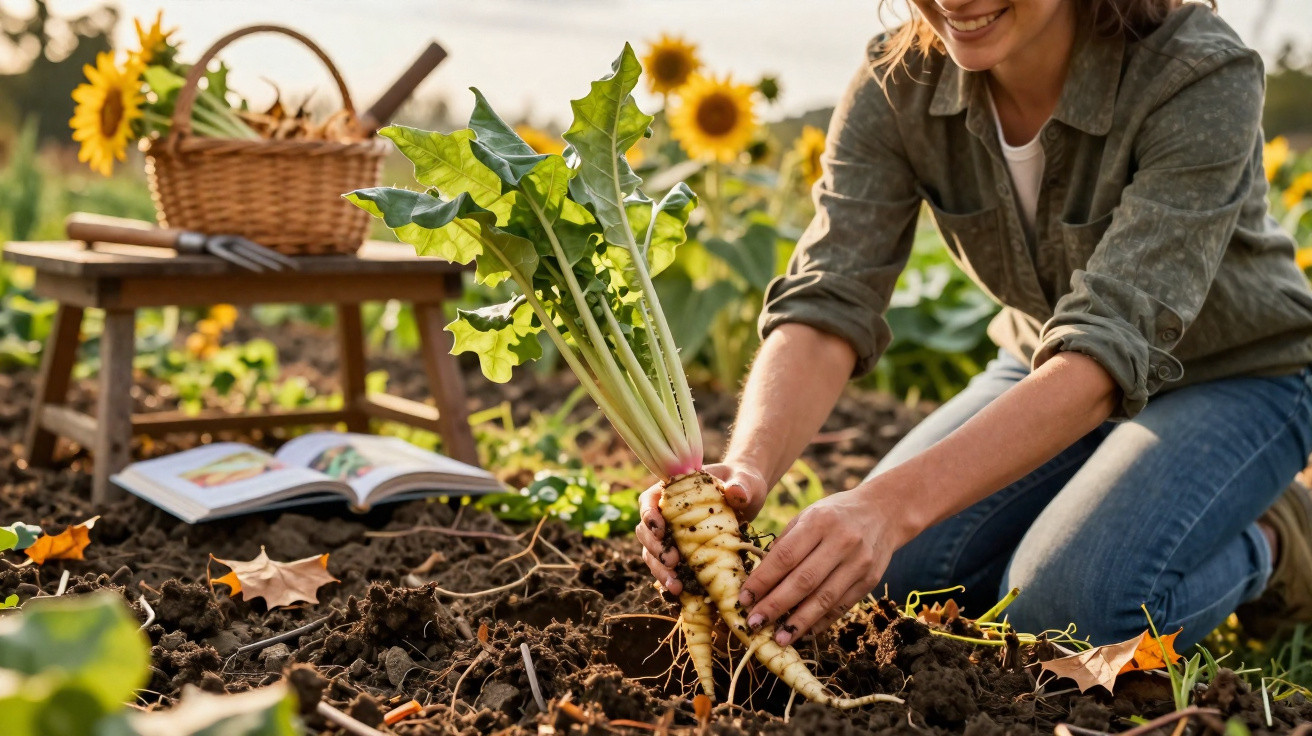
For years it was dismissed as a granny’s vegetable: plain, forgettable and a little old-fashioned. Now the knobbly tuber with its delicate artichoke-like note is back near the top of many veg lovers’ wish lists - the Jerusalem artichoke. Among trendy tomatoes, exotic chillies and mini salads, it is appearing in more and more gardens, while also turning up on the menus of modern restaurants.
Forgotten vegetable with a future: why Jerusalem artichoke is returning
Jerusalem artichoke used to be a familiar sight in traditional kitchen gardens. Later it slipped into the background, pushed aside by potatoes, courgettes and the constant stream of fashionable new crops. Today it is staging a strong comeback - and it fits surprisingly well with what gardeners want right now.
That revival is fuelled by both nostalgia and common sense. Many home growers are once again looking for sturdy, time-tested plants that grow reliably and don’t collapse with every change in the weather. This is exactly where Jerusalem artichoke excels: it copes with dry spells, shrugs off cold conditions and produces a generous harvest without needing constant attention.
“Jerusalem artichoke is something like the laid-back answer to climate stress, water shortages and going without fertiliser in the home garden.”
At the same time, chefs and keen foodies are rediscovering its flavour. The tubers taste mildly sweet, somewhere between artichoke and hazelnut. That makes them more interesting than a basic potato, yet still familiar enough that guests won’t feel intimidated.
Beginner-friendly and tough as old boots: how low-maintenance Jerusalem artichoke is
When you are new to growing your own, you need quick wins. Nothing is more discouraging than young plants that shrivel in summer or get torn apart by pests. Jerusalem artichoke removes a lot of those headaches.
- grows in most soils
- tolerates dry periods remarkably well
- needs very little fertiliser
- generally requires no pesticides
- delivers high yields in a small space
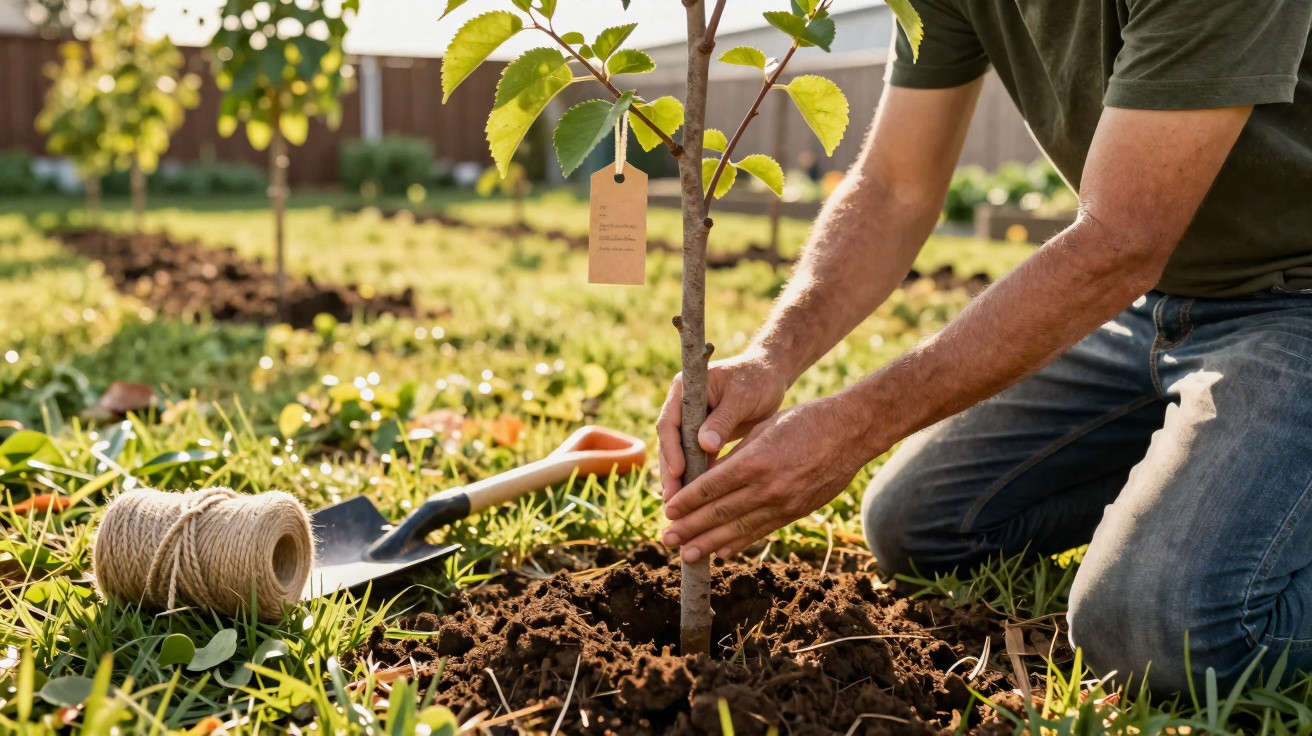
Planting is straightforward: in March or April, place whole tubers about 10–15 cm deep in the soil. A sunny position is best, but partial shade still works. After that, you mainly just keep the bed slightly moist at the start and pull out any coarse weeds.
Once established, the plants shoot up strongly, often to more than 2 metres. With their yellow flowers they resemble sunflowers and can double as a privacy screen. Below ground they form a dense network of tubers - which is where the real harvest comes from.
Harvest season from autumn to early spring
Another major advantage is that you do not have to lift everything at once. From October through to March, you can dig tubers as and when you need them. That means the crop doesn’t sit for weeks in a shed or cellar - it goes straight from the soil to the kitchen.
If you leave a few tubers in the ground, you will often get plants again the following year without doing anything. This is precisely what makes Jerusalem artichoke appealing to anyone aiming for a more self-sustaining, long-term vegetable garden.
“A forgotten piece of tuber left in the soil is often enough to secure supplies for the next season.”
A small risk: Jerusalem artichoke can spread
There is, however, a flip side: this tuber is extremely vigorous. Plant it in the middle of your main veg plot and you may be surprised when fresh shoots appear in the same spot year after year.
A few simple measures will keep it under control:
- plant Jerusalem artichoke in a corner that is not constantly being redesigned
- create boundaries using lawn edging stones or buried border barriers
- after harvesting, remove as many leftover tuber pieces as possible
- avoid planting it right next to delicate crops that can’t compete
If you plan for this, you can enjoy the hardy perennial for years without it taking over the whole bed.
The flavour of the comeback tuber: kitchen ideas
Raw, the skin is thin and the flesh is crisp. Once cooked, the texture turns tender and lightly creamy. In terms of taste, Jerusalem artichoke brings to mind artichoke hearts with a gentle nutty edge - a pleasant surprise for many people.
It is especially popular in hearty dishes, where its pronounced flavour comes through in soups, purées and pan-fried meals. You can use it much like potatoes, but it adds a different kind of depth to the plate.
- Roasted in the oven: cut into wedges, toss with oil, salt, pepper and thyme, then roast at a high temperature until the edges brown.
- Creamy soup: simmer with potatoes, onion and vegetable stock, blend smooth, then enrich with a little cream or a plant-based alternative.
- Fried with mushrooms: slice and sauté, add button mushrooms and garlic, and serve with fresh parsley.
- Raw in a salad: shave very thinly, then mix with apple, walnuts and a lemon dressing.
“Hardly any other root vegetable combines a rustic look with such a refined, almost elegant aroma.”
Nutritional values and tolerance
Jerusalem artichoke is rich in fibre, especially inulin. This can slow the rise of blood sugar and help support the gut microbiome. For that reason, people who want to eat fewer classic starchy side dishes often reach for this tuber.
If you are sensitive to fibre, start with small portions. It is common to experience some wind at first if your body is not used to it. After a few meals, this usually settles down.
Why gardeners are turning back to heritage varieties
The return of Jerusalem artichoke reflects a broader shift in gardening. Many home growers are moving away from the obsession with record yields and flawless-looking produce. Instead, they are choosing plants that can handle weather extremes, attract insects and revive local traditions.
Jerusalem artichoke fits that picture perfectly. Its flowers provide food for pollinators, the tall growth shades the soil, and it can bring life to areas that might otherwise be left unused. If you want to turn a neglected strip of garden into something productive, this robust perennial is a strong choice.
It is also an interesting option for people short on time. Rather than replanting everything from scratch each year, you work with perennial or recurring crops. Combined with herbs, berry bushes and other long-lived plants, the result is a garden that feels more like an edible landscape than rigid rows in a vegetable patch.
Practical tips: getting started with Jerusalem artichoke
If you want to include the tuber in next year’s plans, use this as a simple guide:
- Choose a site: sun to partial shade; avoid overly compacted soil.
- Define the bed: allow a row around 50–60 cm wide and plan a side barrier.
- Spacing: plant tubers roughly 30–40 cm apart.
- Planting window: March to April, depending on your area.
- Care: weed at the start; water occasionally during prolonged dry spells.
- Harvest: from autumn, once the foliage dies back.
If you fancy experimenting, try different varieties: there are tubers with yellowish, reddish or purple skins. The flavour differences are subtle, but they add visual variety to your harvest basket and your cooking.
Looking ahead: the opportunities in this tuber
With ongoing debates about water use, pesticides and local food, interest is growing in resilient, undemanding crops. Jerusalem artichoke can be more than a nostalgic throwback. It can produce a worthwhile yield in difficult years, give chefs a distinctive ingredient, and offer home gardeners a little more independence.
When people plan new beds now, they often think beyond a single season. The desire for long-lasting, largely self-regulating growing spaces is increasing. In that toolkit, Jerusalem artichoke sits alongside berry bushes, herbs and perennial vegetables - an easygoing, great-tasting tuber that is reclaiming its place in everyday garden life.

Comments
No comments yet. Be the first to comment!
Leave a Comment