
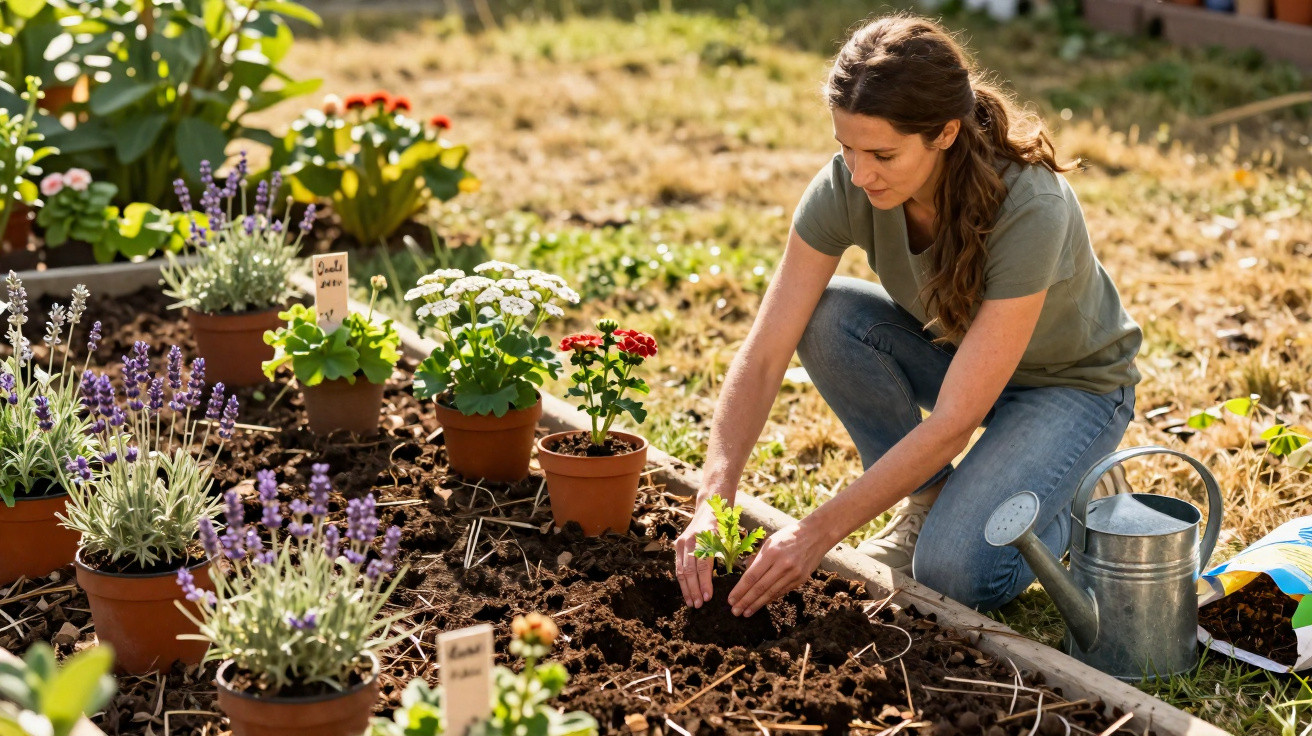
Many hobby gardeners only realise in July that their border won’t make it through high summer without heavy watering. The real mistake, though, is made weeks earlier. If you plant the right drought-tolerant perennials by the end of March and follow a few key steps, you can get your garden through heatwaves surprisingly well - without living with a hosepipe or watering can.
Why 31 March is the turning point for your summer border
The window up to the end of March is a genuine watershed moment for long-lived perennials. Most plants are coming out of winter dormancy, sap is starting to rise, and the soil is still moist rather than overheated.
"If you plant drought-tolerant perennials before 31 March, you take advantage of the remaining moisture in the ground and give the roots a head start of weeks before the first heat."
That head start is what decides whether a plant can cope later in summer on rainfall alone or whether it will constantly need extra watering. In spring, the fine root hairs can spread through damp, well-aerated soil and reach deeper layers before temperatures above 25°C dry the ground out.
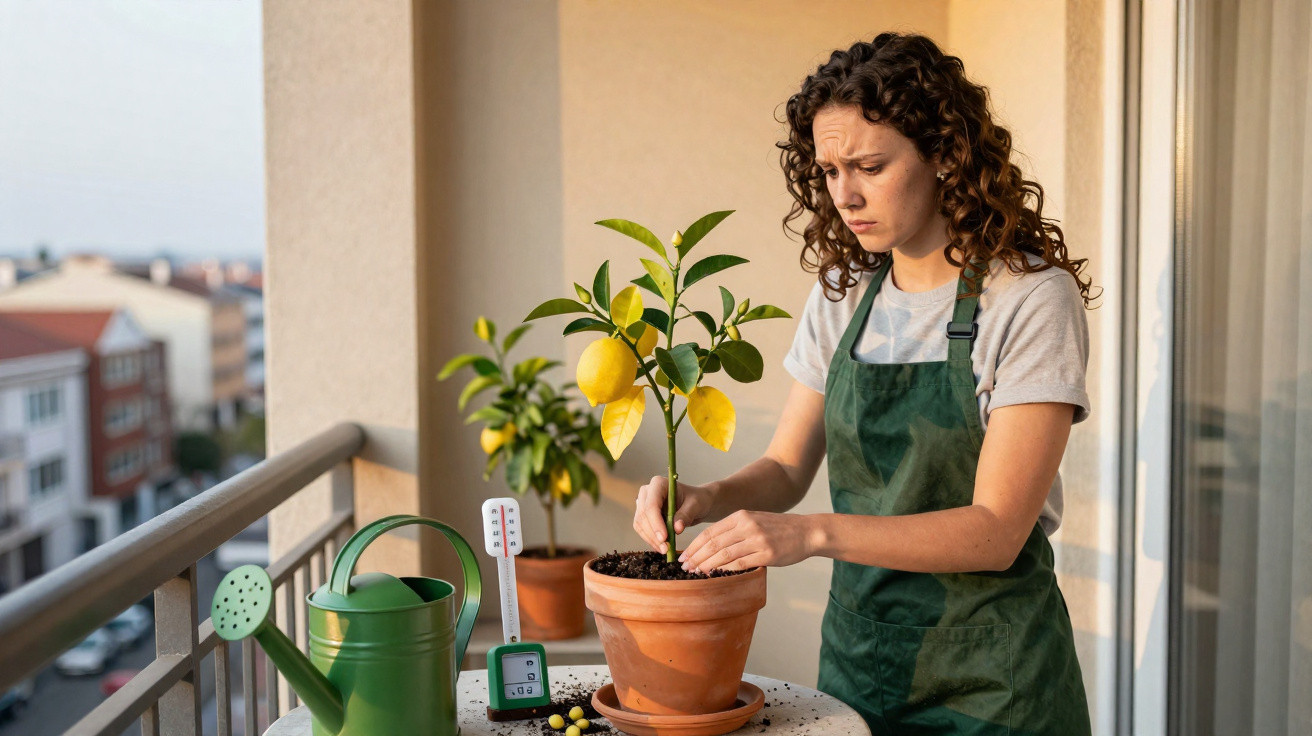
Plant the same perennial in late spring or early summer and you stack two strains on top of each other: transplant shock plus heat. Roots are still sitting near the surface, the soil dries quickly, the plant flags up acute water stress - and you’re back out in the border with the hosepipe.
Five “camel” perennials that get through summer with almost no watering
Timing matters, but the plant choice matters even more. Five perennials are widely seen as especially resilient during dry spells. They love sun, prefer free-draining soils, and take short hot periods in their stride.
- Perovskia (Russian sage) - Forms silvery-grey foliage that loses very little moisture. It thrives in lean, sunny positions and brings a delicate, lavender-like haze of flowers from high summer into autumn.
- Sedum ‘Herbstfreude’ - A thick-leaved perennial that stores water in its fleshy leaves. It flowers late, often right through to October, and provides an important food source for insects when much else has already finished.
- Gaura lindheimeri - Develops a deep taproot that draws moisture from lower soil layers. Its airy, butterfly-like blooms hover above the border for weeks and can look impressively fresh even during dry spells.
- Echinops ritro (globe thistle) - This steel-blue ball-flowered plant enjoys dry, lime-rich soils. Once established, it shrugs off drought with ease and works well as a structural plant towards the back.
- True lavender perennial - A classic sun-lover with one non-negotiable: excellent drainage. Lavender dislikes winter waterlogging, but copes with summer dryness almost effortlessly.
All of these perennials are happiest in full sun. Free-draining soil is essential: water needs to run through rather than leaving plants effectively “standing in water”.
Garden tip: tough geranium varieties as the ideal addition
Alongside the species above, long-lived geranium varieties (hardy cranesbills) are an excellent partner in a water-saving garden. They:
- manage in most soils,
- tolerate a range of light levels, from partial shade to full sun,
- generally don’t need winter protection,
- can be tidied at the end of winter simply by pulling away dead growth by hand.
If you have an awkward corner in a border, there is almost always a geranium variety that will cope there and neatly fill the gaps.
The March method: how to plant so you barely need to water in summer
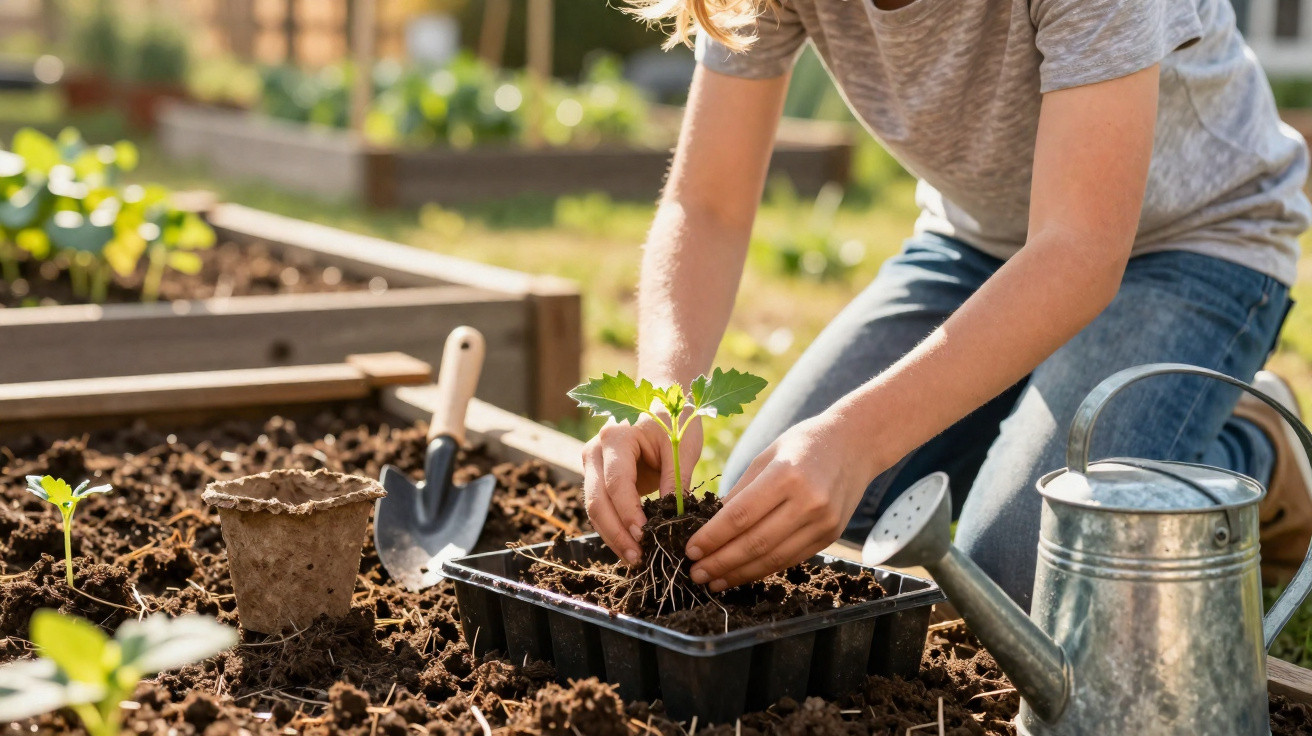
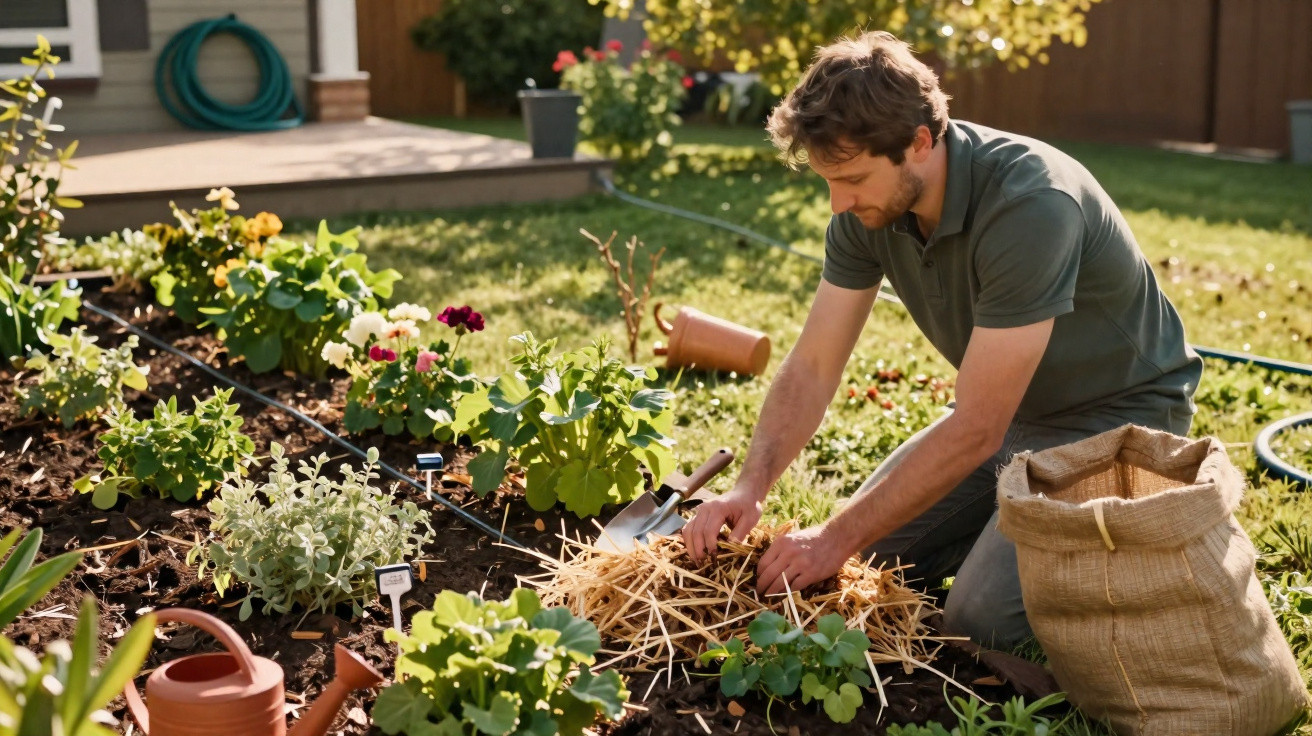
How you plant has a major influence on how independently perennials manage their water later on. In spring, careful preparation pays off, because plants “repay” you with stronger root development.
- Soak the root ball
Stand each plant - still in its pot - in a bucket of water until no more air bubbles rise. Around 15 minutes is usually enough. This ensures the root ball goes into the ground fully wetted. - Prepare a generous planting hole
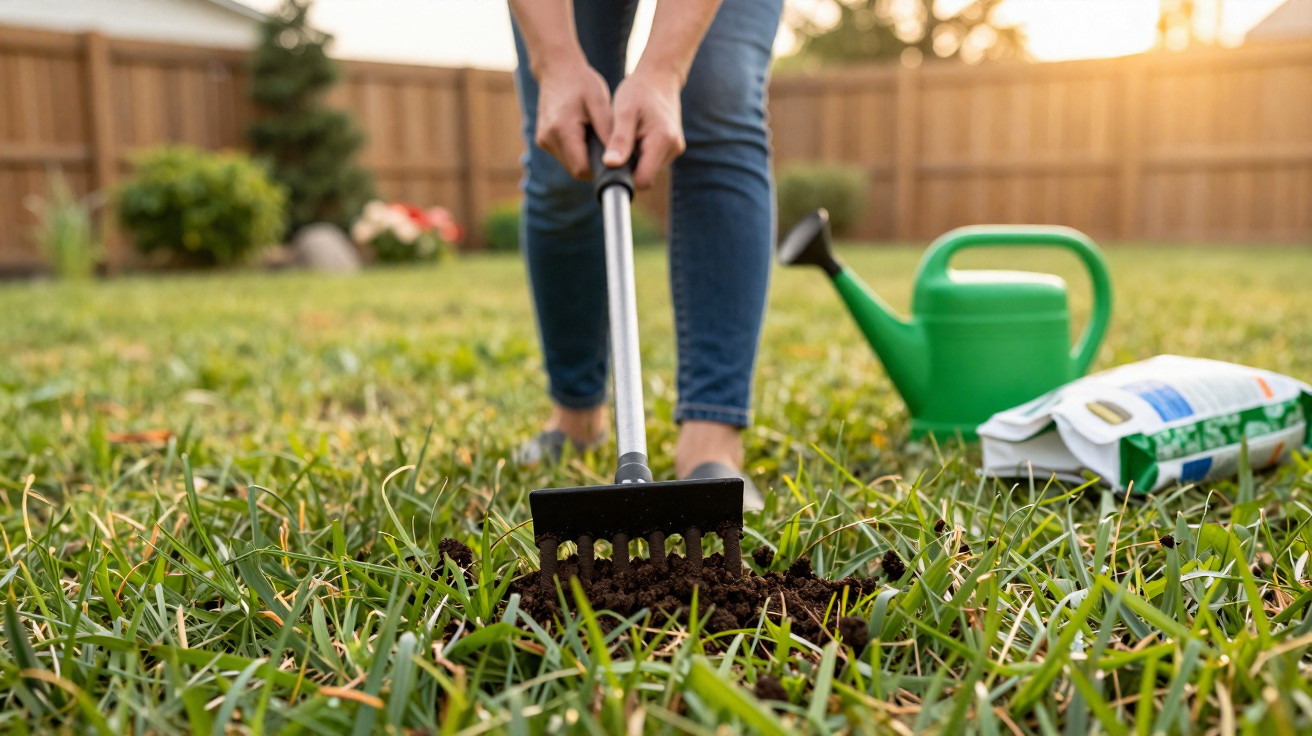
Dig a hole about three times the width of the pot. Loosen the surrounding soil well so roots can grow downwards easily as the plant establishes. - Improve heavy soils
In clay or very loamy ground, mix in roughly 20 percent coarse sand or grit. This boosts drainage and helps prevent plants sitting in wet conditions. - A first thorough watering-in
After planting, give an “establishing water” of around 10 litres per perennial - even if it’s raining that day. This settles the soil, closes air pockets, and brings roots into close contact with the surrounding earth. - Roughen the root ball, optionally “dust” it
Lightly tease up the surface of the root ball so new roots don’t continue circling. If you like, you can briefly dip the root ball into a thin clay slurry, which can further encourage root growth. - Apply a mineral mulch
A layer about 7 centimetres thick of gravel, grit, or volcanic rock helps regulate evaporation, keeps the soil more open, and warms up less than bare earth.
"Water thoroughly once, plant properly and mulch - and later many of these perennials can cope on rainfall alone."
How much water you really save by planting early
The gap between planting in March and planting in May is bigger than many people expect. One clear example: if a gaura goes in mid-May, by July it often needs watering roughly every two days. Over the whole season, that can easily add up to around 200 litres extra per plant.
Plant that same perennial in March instead and it has enough time before the first heatwave to build a deeper root system. That sharply reduces the need for emergency watering. Do this with several perennials and you can quickly save a few hundred litres of mains water - and stay within any watering restrictions set by local councils.
Planting in April: can a garden still work without watering?
If 31 March has already passed, a low-maintenance summer border is still achievable. Planting in April can work, but it comes with a few conditions:
- Expect the occasional rescue watering during the first summer.
- Put even more emphasis on loose, well-drained soil.
- Avoid shady positions; favour full sun so plants can grow strongly.
- Add a mineral mulch layer right from the start.
- Keep an eye on the forecast for the first heatwaves so you can respond in time.
By the second year, the perennials are usually far tougher and need much less water. The aim is to give them enough time to establish in year one, without “pampering” them into being dependent.
What a drought-resistant perennial border could look like
Using the five plants listed above, you can create a border with clear structure while also keeping watering to a minimum. One possible layout:
| Position in the border | Plant | Function |
|---|---|---|
| Back | Echinops, Perovskia | Height, structure, colour contrast |
| Middle | Gaura, Sedum | Airy flower effect, late flowering |
| Front | Lavender | Fragrance, insect-friendly, crisp edging |
Beneath the perennials, a loose soil improved with coarse material provides air and depth for roots. A mineral mulch ties the whole planting together visually and cuts evaporation. Add a few tough geranium varieties through the transitions, and you have a border that still looks good even in a third scorching summer.
Background: what “drought-tolerant” really means in the garden
The term can sound like a miracle cure, but it has a clear meaning. Drought-tolerant perennials rely on different strategies to cope with limited water:
- Water storage in thick leaves (as with sedum).
- Deep roots that pull moisture from lower layers (for example, gaura).
- Smaller or hairy foliage that reduces evaporation (such as perovskia).
- Rest phases during extreme dryness, where growth slows sharply.
In practice, that means these plants can cope with longer gaps between watering - but they don’t “enjoy” endless drought. Extremely long periods without a single shower can still cause damage, especially in their first year after planting.
Practical extras for a low-watering garden
If you want to cut water use in the garden for the long term, don’t focus only on plant choice and planting date. A few additional measures can make a noticeable difference:
- Collect rainwater in water butts and use it early.
- Don’t keep soils raked bare; aim to keep them covered.
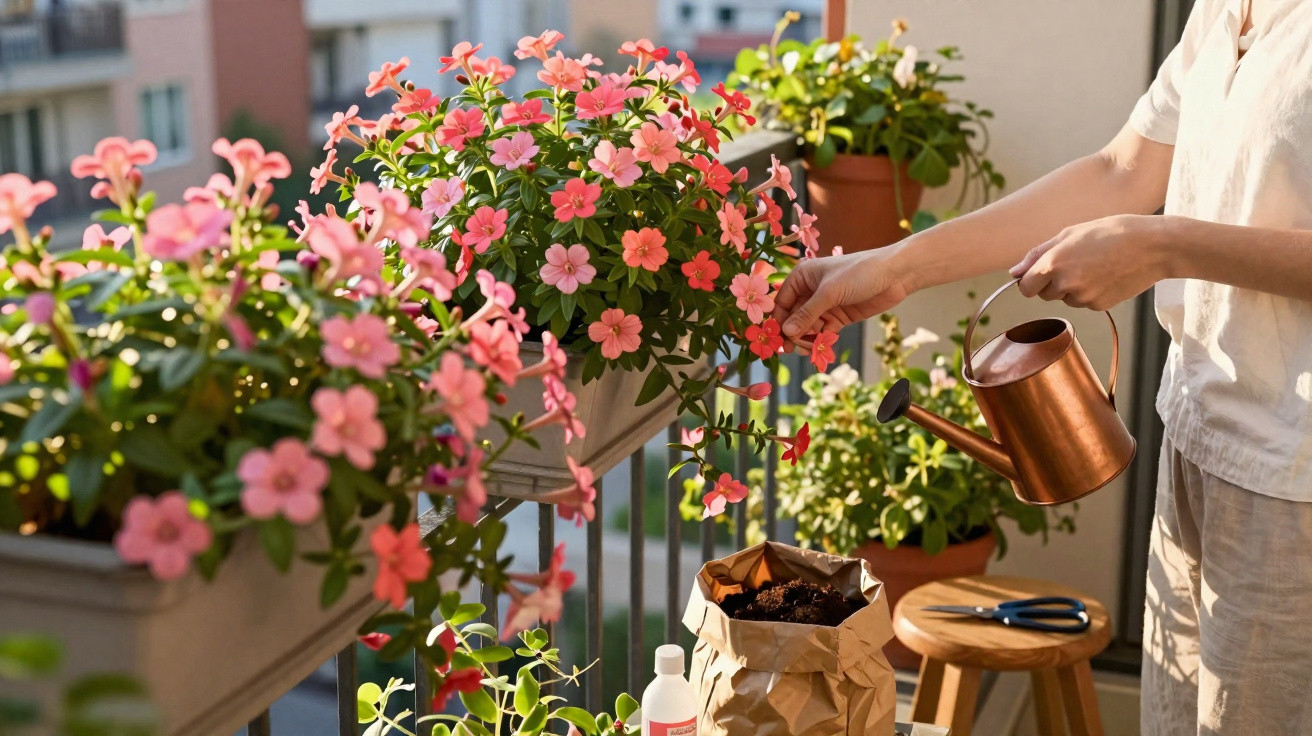
- Group more delicate container plants closer together so they shade each other.
- On hot days, water in the morning to reduce evaporation.
Combined with early planting and robust perennials, you gradually build a garden that can handle longer dry spells. If you get moving by 31 March, you’re laying the groundwork to spend more time in a deckchair in July than at the outside tap.

Comments
No comments yet. Be the first to comment!
Leave a Comment