
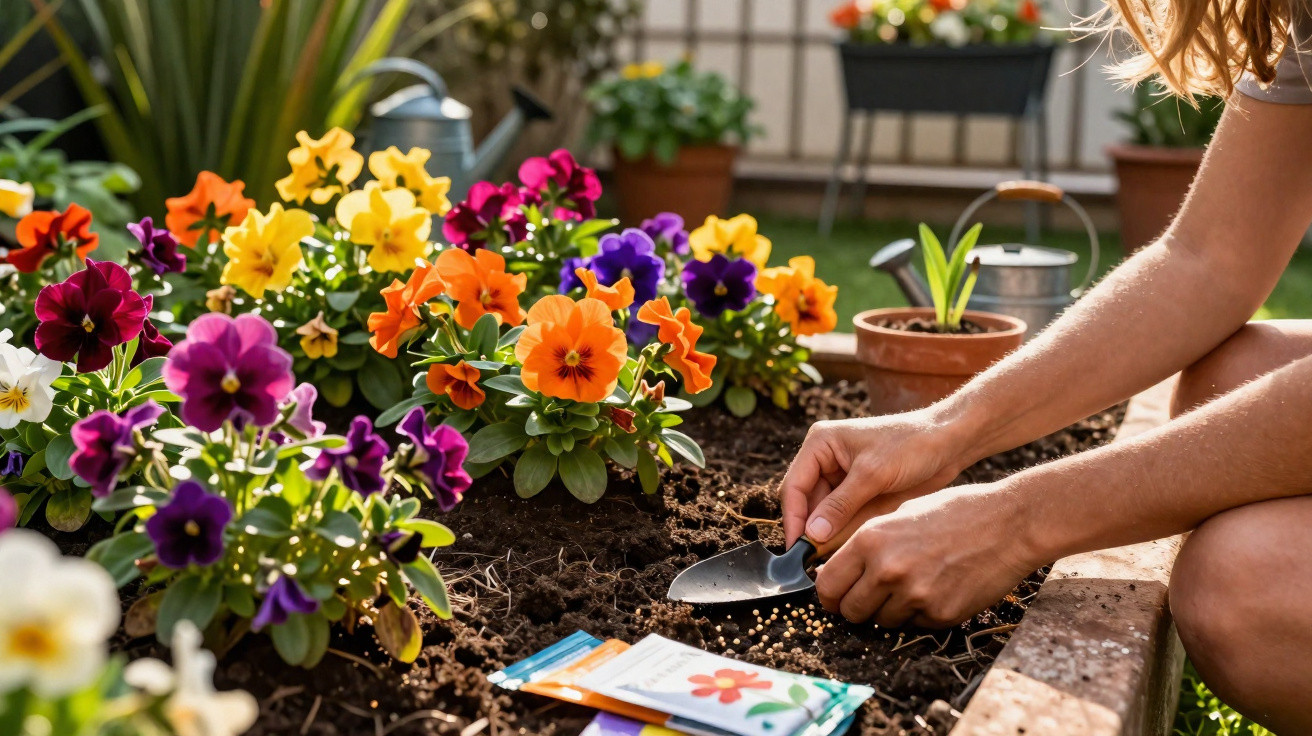
Winter can still feel as though it’s clinging on: beds look bare and window boxes on the balcony seem bleak. Even so, you don’t have to wait until summer. With a smart choice of fast-start flowers, you can bring strong colour into the garden by late spring-without needing expert know-how.
Why March is the secret trump card for flower lovers
Across German-speaking regions, March conditions aren’t all that different from those in Great Britain: the days begin to stretch out, the soil slowly starts to thaw, but nights can still be chilly. That’s exactly the sweet spot for sowing certain annual flowers that get going quickly.
Many classic bedding plants take about three months from seed to first bloom. That can feel like forever when you’re desperate for colour. However, some varieties can flower in ideal conditions after as little as six to ten weeks. Plan around those, and by May you can be looking at a surprisingly vibrant display in the garden or on the balcony.
"The trick is to choose true quick starters among annuals-and give them the best possible start in March."
The difference between hardy and more tender annuals
Broadly speaking, the options fall into two groups: hardy annual flowers that cope easily with cool nights, and more tender types that need a stint indoors or in a greenhouse first.
Hardy varieties for direct sowing
These flowers handle brisk temperatures well and can be sown straight into beds or large containers in March:
- Pot marigolds (Calendula) – a classic cottage-garden favourite, quick to flower and long-lasting.
- Cornflowers – deliver a strong blue and suit wildlife-friendly borders.
- Love-in-a-mist (Nigella) – delicate foliage and romantic blooms, often self-seeds later on.
- California poppy – prefers poorer soil and rewards you with glowing, cup-shaped flowers.
Because these types tolerate cooler ground, they’ll get started even while nights are still far from mild. Sown now, they usually bring the first wave of colour from late April into May.
Heat-loving sprinters for the windowsill
Other quick starters need shelter from cold at first, but repay that care with rapid growth:
- Zinnias – large, showy blooms, often appearing around 65 days after sowing.
- Marigolds (Tagetes) – very beginner-friendly; some varieties flower in just 45 to 60 days.
- Petunias – keep flowering through much of summer if you regularly remove spent blooms.
- Cosmos – tall, airy plants that take off quickly once planted out.
In March, these plants are happiest on a sunny windowsill, in an unheated but frost-free greenhouse, or in a cold frame. Only once the last frosts have passed should they move outside-after that, they tend to accelerate fast.
The fastest colour boosters: these flowers deliver in record time
If you want results as quickly as possible, go for genuine “sprint champions”. The following are regarded as especially fast while remaining relatively straightforward to grow:
| Flower | Sowing | First flowers after approx. | Special feature |
|---|---|---|---|
| Marigolds | March indoors / from April outdoors | 45–60 days | Very easy-care, great for children’s beds |
| Zinnias | March indoors | about 65 days | Big cut flowers, bold colours |
| Nasturtium | March/April outdoors in mild areas | around 60 days | Edible flowers and leaves, ideal for a snack garden |
| California poppy | March outdoors | about 60 days | Likes it dry, readily self-seeds |
| Pot marigolds | March outdoors | late spring | Medicinal plant, flowers generously |
"With the right mix of hardy and heat-loving quick bloomers, you can plan a fireworks display of colour from April well into summer."
Step-by-step March routine: how hobby gardeners get the most out of it
Fast growth isn’t just down to the variety-you also need the right care in the first few weeks. A simple but consistent March routine can noticeably speed things up.
Prepare the soil and choose the site wisely
Start by focusing on the soil. Clear away old plant debris, loosen the top few centimetres, and work in a thin layer of well-rotted compost-this adds nutrients and creates a crumbly structure. Then pick a spot that gets around six hours of sun each day if possible. Shade slows growth considerably.
When watering, aim for this balance: seeds need evenly moist conditions, but not wet. Waterlogging often causes seeds to rot or seedlings to collapse.
Three rules that add speed to your beds
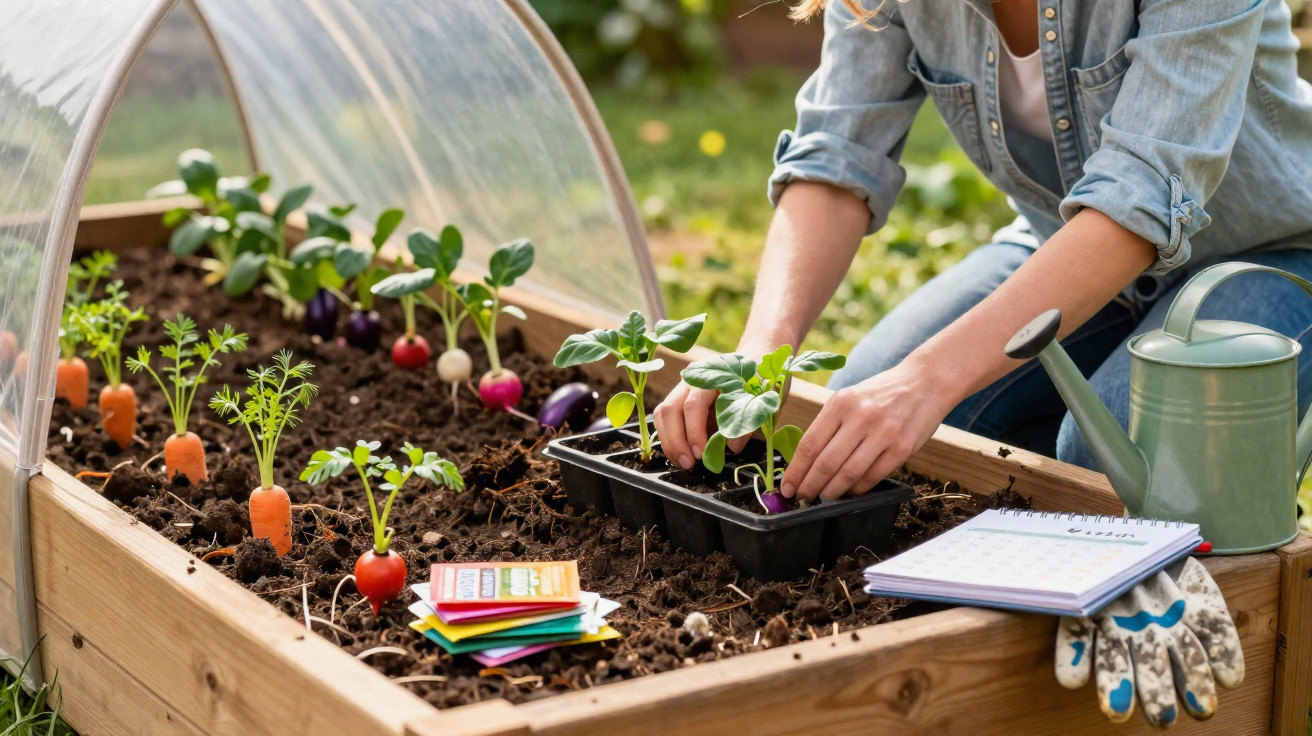
- Sow hardy varieties directly: sow cornflowers, pot marigolds, love-in-a-mist and California poppy exactly where they’re meant to flower. Press the soil down lightly and keep it moist.
- Start tender varieties indoors: raise zinnias, marigolds, cosmos and petunias in trays or pots, and only plant them out after the last frosty nights.
- Leave generous spacing: avoid sowing too thickly. Plants grow faster when they aren’t competing for light, water and nutrients. Thin out surplus seedlings later on.
Follow this straightforward plan and you may be surprised at how quickly bare patches fill in. Many people underestimate how dramatically a handful of well-chosen annuals can transform the look of an entire garden.
Colour harmonies that work especially well
Speed matters-but so does how the colours sit together. You can shape the overall effect right from the sowing stage.
- Romantic: pink cosmos, white love-in-a-mist, and soft pot marigolds in pastel shades.
- Mediterranean: orange California poppy, red-and-yellow nasturtium, plus blue-flowering cornflowers.
- Bee-friendly: borage, pot marigolds, cornflowers and cosmos provide plenty of food for insects from spring through summer.
A practical approach is to mix three to five different varieties in each larger container or bed: a quick ground cover, one mid-height flower, and a few taller stems for structure. This creates movement without looking messy.
How to keep the flowering turbo going all summer
Many of these plants don’t settle for a brief show. With a few simple habits, you can extend flowering significantly:
- Remove faded flower heads regularly, especially on petunias, zinnias and marigolds.
- One to two weeks after germination, sow a second light batch so a later wave follows.
- Let some plants set seed on purpose-pot marigolds or love-in-a-mist, for example-so they often reappear on their own the following year.
Feed sparingly: with annuals, too much nutrition quickly leads to lots of leafy growth and fewer flowers. If growth stalls or leaves turn noticeably pale, a gentle feed is enough.
Practical tips for balconies and allotments
Even without a large garden, you can use these turbo flowers in pots just as effectively. Choose a suitably large container with drainage holes and a high-quality compost that holds its structure. In window boxes, nasturtiums, marigolds and petunias perform particularly well-and they’ll usually forgive the occasional watering mistake.
For families with children, fast options such as marigolds or pot marigolds are ideal. Children see the first green shoots after a short time, followed by colourful flowers. That quick payoff is motivating and offers a playful way into gardening.
What terms like “annual” and “half-hardy” actually mean
If you’re new to gardening, jargon can trip you up. Annual plants live for just one season: they germinate in spring and die back in autumn. The upside is that they put all their energy into growth and flowering-perfect when you want fast colour.
Hardy annuals tolerate light frost and cool soil, such as cornflowers or pot marigolds. More tender annuals prefer warmth and can be quickly damaged by sub-zero temperatures; zinnias and petunias fall into that group. That’s why some can go outside in March, while others are better off on the windowsill until after the last frosts.
Use March deliberately and understand these differences, and even a previously unremarkable garden can become a richly coloured stage in surprisingly little time-without complicated techniques or expensive specialist plants.

Comments
No comments yet. Be the first to comment!
Leave a Comment