
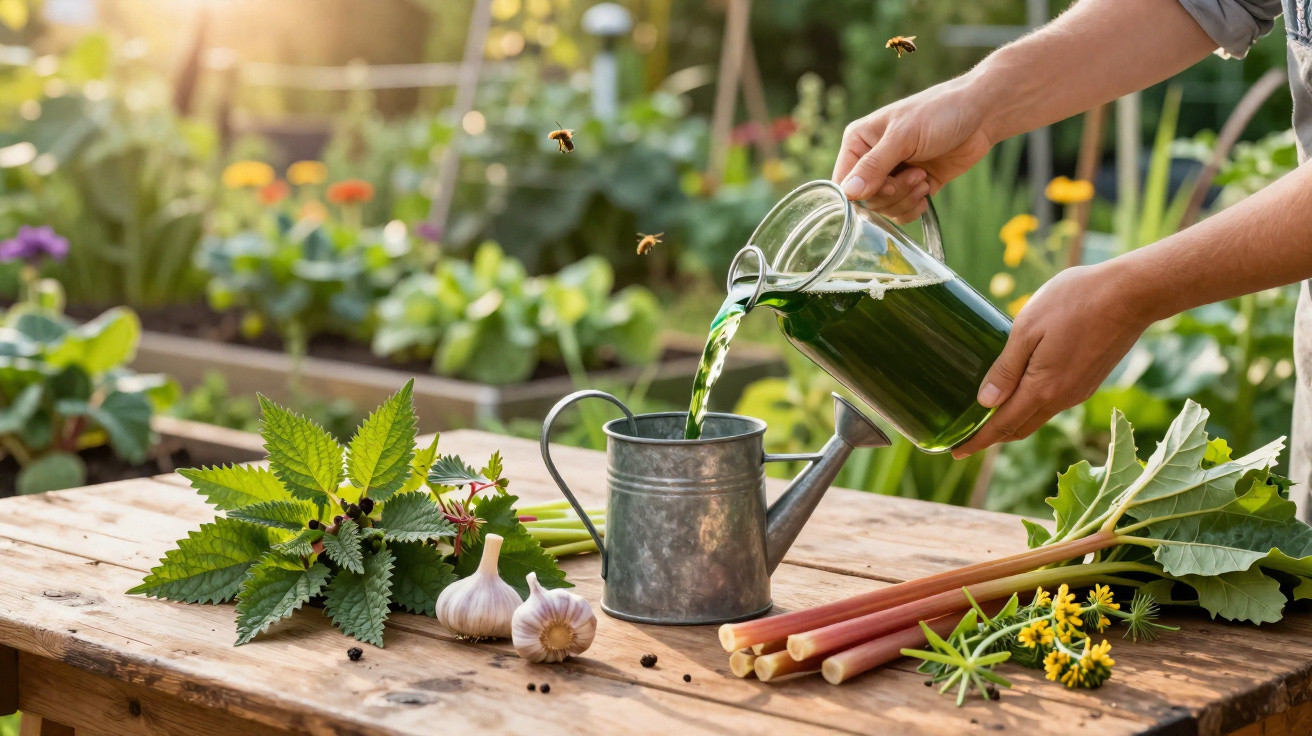
Anyone who has stood in front of the pesticide shelf and felt as though they’d wandered into a particularly grim episode of Breaking Bad isn’t alone. More and more gardeners are realising that chemical quick fixes may deliver fast results, but over time they can harm the soil, wildlife and, ultimately, your own harvest. The good news is simple: a thriving, healthy garden mainly needs one thing - more plants.
Why the garden works better without chemicals
Mineral fertilisers, pesticides and weedkillers interfere deeply with natural cycles. They can provide short-term gains, yet they also create an awkward dependency: soils become depleted, microorganisms die off, and pests develop resistance. In the end, you’re forced to apply treatments more often and at higher strengths.
"If you rely on natural helper plants, you support soil life, beneficial insects and reliable harvests - without needing lab equipment in the shed."
Rather than growing single crops in lifeless ground, today’s self-sufficient gardeners lean into diversity. Mixed planting, crop rotation, mulch layers and well-chosen companion plants make beds far more resilient. In a living ecosystem, the balance is much less likely to tip in favour of pests or fungal diseases.
The 7 most important garden helpers at a glance
These seven plants can replace a sizeable chunk of the chemical aisle - from fertiliser through to plant protection:
- Comfrey
- Nettle
- Dandelion
- Horsetail
- Garlic
- Rhubarb
- Tansy
They supply nutrients, fortify plants, deter pests and improve the soil - and in many areas they’ll grow almost unaided.
Comfrey: a nutrient-packed power fertiliser
Among natural gardeners, comfrey is often the quiet star. This tough perennial contains plenty of potassium, nitrogen, silica, calcium, iron and magnesium, which makes it an excellent all-round fertiliser from nature.
Common ways to use it include:
- Liquid feed: chop the leaves, soak in water, leave to ferment for a few days, then dilute before watering.
- Mulch: lay fresh leaves around heavy feeders such as tomatoes, pumpkin, courgettes or berry bushes.
- Soil improvement: its deep roots loosen the ground and draw nutrients up from lower layers.
One thing to note: comfrey can spread enthusiastically. If you’d rather it didn’t, plant it in a contained spot or in a large pot.
Nettle: disliked “weed”, highly useful tonic
Few plants have a worse reputation - and yet few are as handy in the garden. Nettles accumulate lots of nitrogen and minerals.
Used as a fermented feed, nettle supports leaf growth in young plants and helps them cope with stress. Getting the dose right matters: too strong or too frequent, and you’ll push excessive leafy growth and make plants more vulnerable.
"Nettle brew is like a strong espresso for young plants - enlivening in small amounts, draining in large ones."
On top of that, nettles provide vital habitat for butterfly caterpillars and other beneficial creatures. Leaving a strip along the garden edge automatically boosts biodiversity.
Dandelion: more than just a clock
Dandelion appears of its own accord in lawns and beds - and often gets dumped straight onto the compost heap. That’s unfair, because it contains notable amounts of phosphorus and potassium, two nutrients that are crucial for flowering and fruit set.
You can turn dried or fresh dandelion leaves into a gentle fertiliser infusion. It suits fruit bushes, tomatoes and peppers particularly well. At the same time, dandelion offers valuable early-season food for pollinators, when there’s otherwise little in bloom.
Horsetail: a natural shield against fungal diseases
Horsetail, often found by damp ditches, is rich in silica. The shoots can be made into a decoction that reinforces plant cell walls and alters conditions on the leaf surface.
Sprayed regularly, it can reduce pressure from:
- Powdery mildew
- Rust fungi
- Late blight and brown rot
- Scab on fruit trees
If you introduce horsetail to the garden, keep it in check, as some types spread aggressively. Many gardeners prefer to collect it locally and use it only once processed.
Garlic: a pungent ally against pests
Garlic belongs in almost every kitchen - and just as naturally in the vegetable patch. The bulbs contain sulphur compounds with a noticeable effect against aphids and various fungal diseases.
A straightforward garlic brew is made by crushing cloves, briefly boiling them, letting the mixture cool, then diluting with water. You can use this liquid to:
- spray a fine mist over leaves every few days as prevention
- apply daily for a week when an infestation is active
A practical bonus: planting garlic among strawberries, roses or carrots can deter certain pests through scent alone, without any spraying.
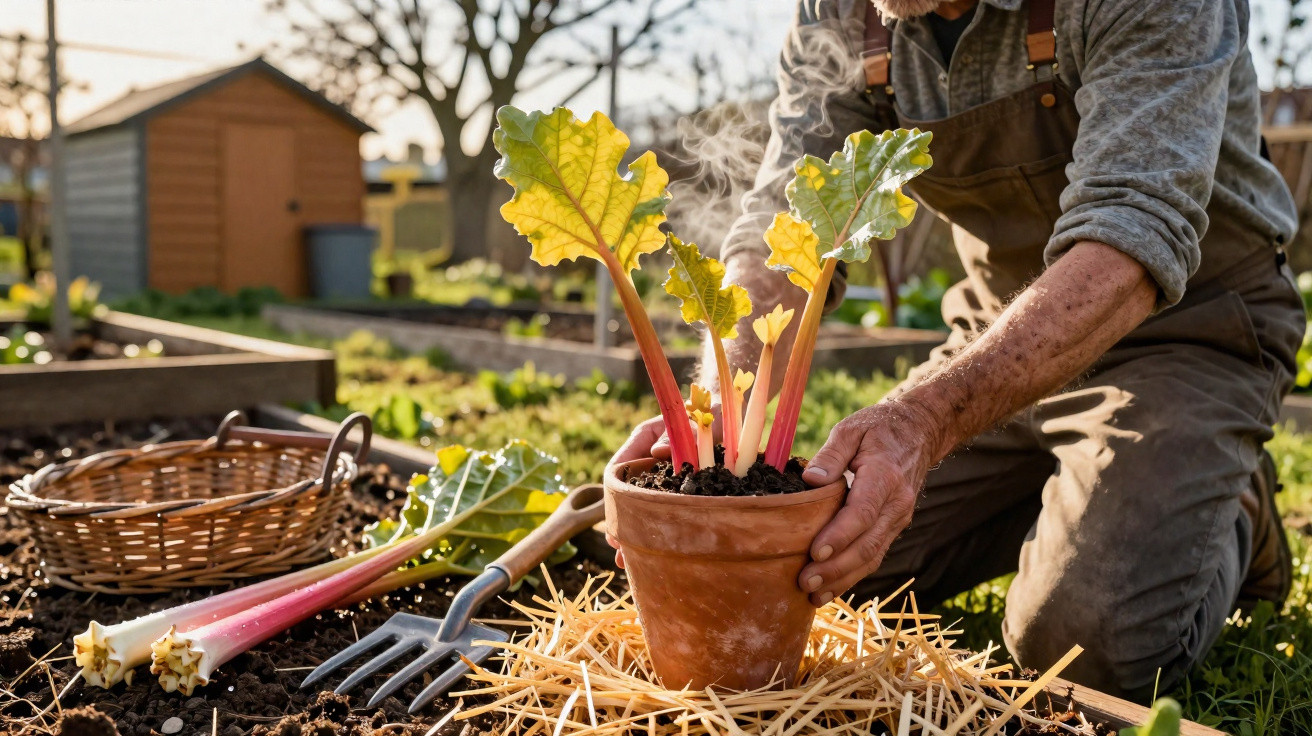
Rhubarb: poisonous to pests, not to the soil
Many people only know rhubarb as a compote ingredient. Because the leaves contain oxalic acid, they don’t belong in the saucepan - but in the garden they can be genuinely useful.
An extract made from rhubarb leaves can deter a range of insects, including:
- Aphids
- Caterpillars of certain pests
- Some slug species
Rhubarb crowns need little attention, stay put, and can thrive for many years. If you take only a portion of the leaves each year for garden preparations, you’ll have a lasting source of gentle plant protection.
Tansy: intense scent, strong effect
Tansy stands out with its yellow flowers and powerful smell. In traditional cottage gardens, it was often grown as both a herb and a protective plant.
When prepared, tansy can repel various pests and help plants cope with fungal issues such as mildew or rust. It’s particularly useful near:
- Fruit trees
- Long-lived perennials
- Berry bushes
Because it can spread via rhizomes, many gardeners keep it in pots or contained areas and mainly rely on the processed preparation.
How to use plant power sensibly
None of these helpers replaces the fundamentals. The basis for resilient beds is still living soil with enough humus. Kitchen scraps, leaves, grass clippings and farmyard manure can all be composted, building long-term structure and improving nutrient storage.
"Natural plant brews work best as a supplement to compost, mulch and a well-planned crop rotation."
Care is still needed with home-made brews and extracts. Highly concentrated solutions can scorch leaves or upset soil life. Starting with small batches and watching how plants respond is the safer route.
Natural alternatives: costs, effort and benefits
| Plant | Main benefit | Effort | Cost |
|---|---|---|---|
| Comfrey | Strong fertiliser, soil improvement | medium (harvesting, soaking) | almost zero if self-harvested |
| Nettle | Nitrogen feed, strengthening | low | free |
| Horsetail | Fungal prevention | medium (collecting, boiling) | very low |
| Garlic | Insect and fungal deterrent | low | low, usually from the kitchen |
How to create a chemical-free garden step by step
If you ban every chemical product overnight, it’s easy to feel overwhelmed. A phased approach is more realistic:
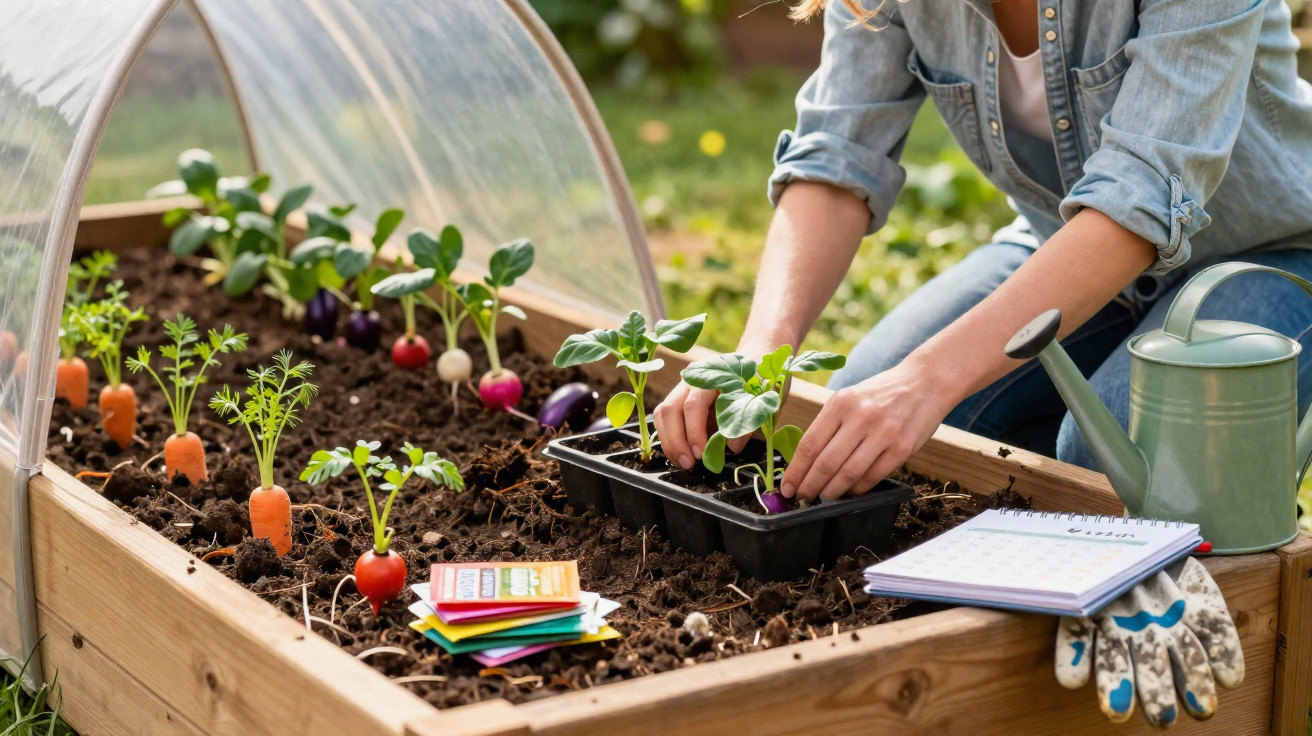
- Choose one bed or a corner where no sprays will be used.
- Trial a small batch of nettle or comfrey brew.
- Plan mixed planting, for example pairing tomatoes with garlic and herbs.
- Keep soil covered with mulch instead of constantly digging.
- Observe, make notes, and adjust.
Learning how your plants and soil react in this way builds confidence and gradually develops a robust system.
Risks and limits of natural methods
Even plant-based preparations have their limits. With severe pest outbreaks or advanced fungal infections, a home remedy on its own often won’t be enough. In those cases, cutting back, changing crops, or avoiding especially sensitive varieties can be the only effective options.
Some plants - including horsetail or tansy - may spread where you don’t want them, or become problematic at high doses. That’s why mindful use matters: make smaller batches, dilute more, and keep checking how soil and plants respond.
Why the change is worth it in the long run
If you consistently focus on living soil, diverse planting and natural helper plants, the difference becomes clear after a year or two: fewer pest problems, steadier yields, and more birds, insects and soil life. A lot of the work shifts away from spraying and towards observing, collecting and preparing plant brews.
The advantage is especially obvious in dry summers. Humus-rich soil holds water more effectively, and deep-rooted helper plants tap into extra nutrients. Chemical products simply become unnecessary - and the garden starts to feel like a piece of nature again, not an open-air laboratory.

Comments
No comments yet. Be the first to comment!
Leave a Comment