
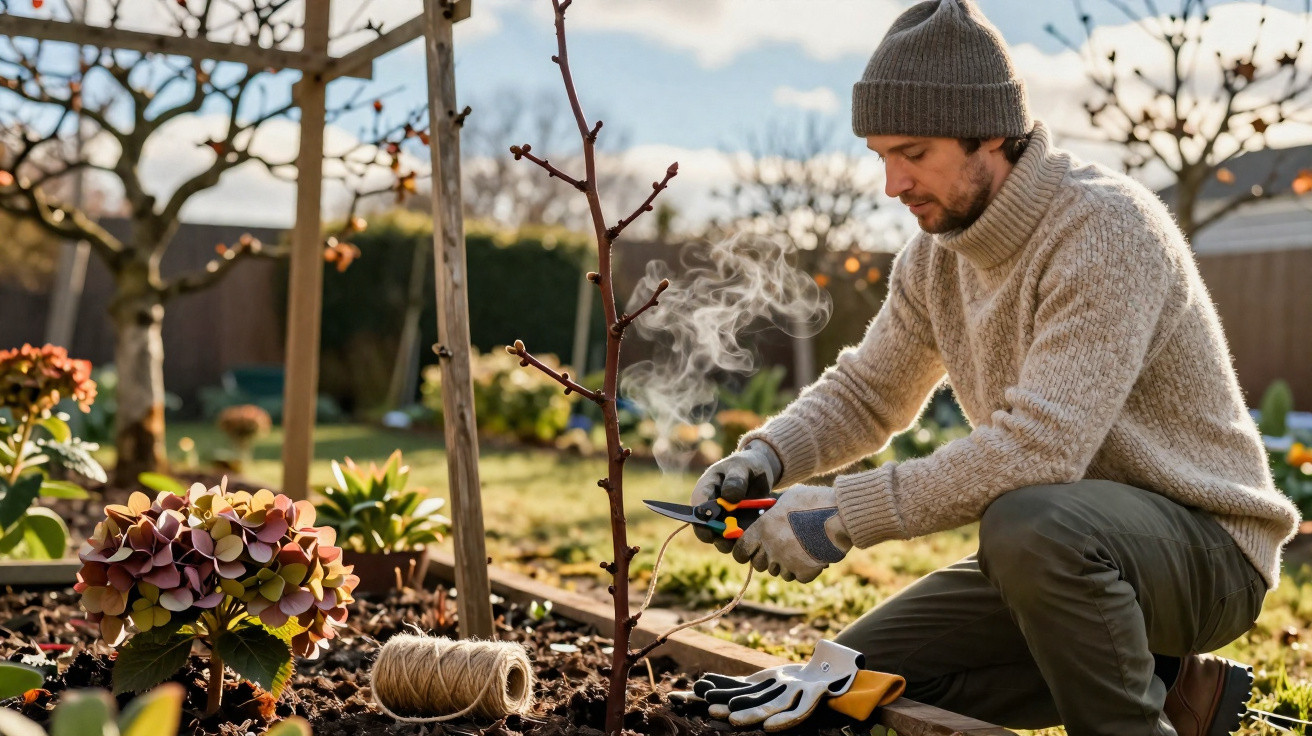
In January, many gardens look as if they’re fast asleep - yet this is exactly when you set the stage for just how spectacular spring will be.
If you simply put the secateurs away for winter, you’re missing a major opportunity. Among bare branches, frost and grey skies, plants are already quietly preparing for the new season. Some shrubs and trees respond brilliantly if you shape them now. Others should be left well alone - otherwise you’ll lose the flowers altogether. Below is a clear guide to what really should be pruned in January, and how to do it properly, step by step.
Why January is the perfect pruning window for many plants
Even if everything looks stark, many plants are in what gardeners call dormancy. Sap flow slows right down and growth pauses. For you, that’s an ideal time to make corrective cuts without putting the plant under unnecessary strain.
“In winter you can see the full structure of a shrub or tree - which makes gaps, dead shoots and rubbing branches immediately obvious.”
At the same time, there’s less chance that pruning will trigger premature new growth. If you leave it too late, you often remove flower buds or weaken plants at the very moment they should be building strength for spring.
Hydrangeas: a gentle prune for abundant spring and summer flowers
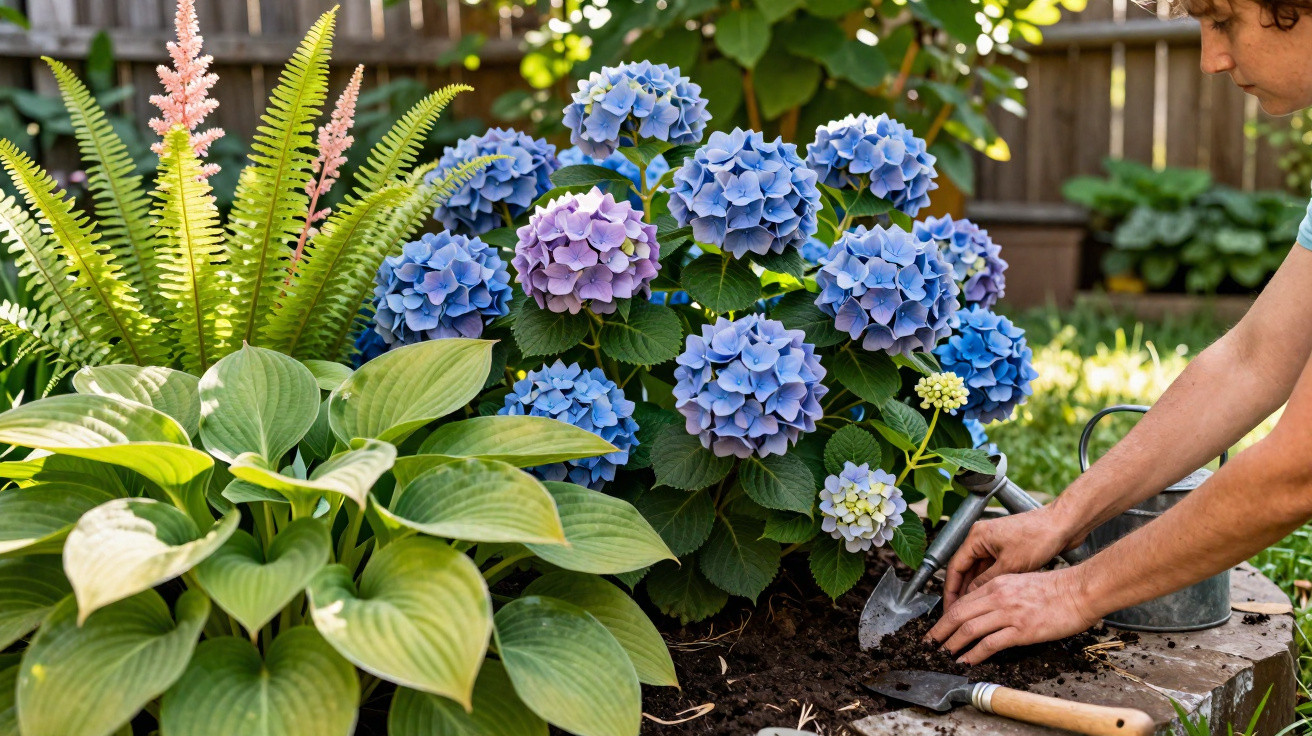
Hydrangeas are among the most popular flowering shrubs in the garden. January is a good moment for a light “beauty treatment” - but only in moderation.
Which hydrangeas can be pruned in January
As a rule, many mophead hydrangeas set their flower buds the year before. A hard winter cut would cost you the blooms in summer. What they do benefit from is careful, restrained tidying.
- Remove only old, dried flowerheads
- Cut just above the first strong pair of buds
- Thin out weak, frost-damaged or shrivelled shoots right at the base
If the plant is still carrying brown flower balls, they may look tired, but they help protect the buds beneath from frost. January is the right time to take them off.
“Position the secateurs just above the first strong, outward-facing pair of buds - that way the flowering framework stays intact.”
Climbing roses: bringing order to the tangle
Climbing roses - especially well-known nostalgic varieties - benefit from a clear winter prune so that, come spring, they produce not only leaves but masses of flowers.
How to prune climbing roses in January
Before you start cutting, take a close look at the rose’s main framework. Which shoots cross? Where is old wood that no longer grows well? The aim is a simple, open structure built around a few strong main canes.
- Remove all dead, brown and brittle shoots completely
- Cut out branches that grow inwards or heavily cross each other
- Tie in young, healthy main shoots to the support in a fan shape
- Shorten side shoots back to a few buds so they branch freely
The more airy the plant’s structure, the lower the risk of fungal problems in a wet spring. At the same time, the rose channels its energy into the shoots that will carry flowers later on.
Fruit trees: January is shaping time for apple and pear
With fruit trees, winter pruning is where the serious work happens. However, timing depends on the type - and that makes all the difference.
The difference between pome fruit and stone fruit
Fruit trees are broadly split into two groups:
- Pome fruit: apple, pear, quince
- Stone fruit: cherry, plum, damson, apricot, peach
Stone fruit is more sensitive to winter pruning. It’s more prone to gumming and wounds tend to heal less effectively. It’s better to prune these in late spring or summer.
“In January, focus your fruit pruning mainly on apple and pear trees - this is where winter pruning really shows its strengths.”
How to prune apple and pear trees in winter
With no leaves, it’s easy to spot which branches are diseased, dead or poorly positioned. The goal is a crown that lets light and air through, so foliage and fruit can dry quickly and ripen well later.
Typical steps:
- Remove shrivelled fruit (“mummified fruit”) from the branches
- Take out diseased, torn or dead wood completely
- Thin branches that cross or rub against each other
- Open the centre of the crown so more light can reach in
- Shorten long shoots deliberately
Many gardeners use a simple rule of thumb: shorten main branches to roughly the length of an average pair of secateurs - about 25 centimetres from the last junction. Always cut just above an outward-facing bud so the new growth doesn’t head into the centre of the crown.
Shortening side shoots correctly
For side shoots, make a deliberate, rather conservative cut:
- Count three strong buds from the base of the side shoot
- Make the cut just beyond the third bud
- Cut at a slight angle so water can run off
This encourages short fruiting spurs that will reliably carry apples or pears over the coming years.
Common mistakes to avoid in January
Once you’ve got the secateurs in hand, it’s easy to start snipping without thinking. Keep these pitfalls in mind:
- Using weak tools: blunt blades crush shoots and wounds heal more slowly.
- Pruning in severe frost: below –5 °C, wait - the wood becomes brittle.
- Cutting flowering shrubs hard when they bloom on last year’s wood: you risk losing the entire spring display.
- Removing too much at once: take no more than a third of the crown, otherwise the tree may respond with vigorous watershoots.
“Better to correct step by step over two to three years than to ‘strip everything back’ in one winter.”
Practical tips: how to keep winter pruning clean and tidy
A little preparation makes the job noticeably easier. A simple mini set-up is enough:
- Clean and sharpen secateurs, loppers and, if needed, a small pruning saw
- Disinfect before pruning - especially after working on diseased plants
- Wear gloves and sturdy footwear, particularly with roses and fruit trees
- Use a ladder only on firm, level ground
Clean, smooth cuts close more quickly and give fungi fewer places to attack. Larger cuts on fruit trees can be treated with a wound sealant if necessary, especially if wet weather is forecast.
What “dormancy” in plants really means
Dormancy can sound as if nothing is happening inside the plant. In reality, sap flow drops markedly and metabolic processes slow down. The plant conserves energy, protects itself from frost damage and effectively “waits” for warmer days. Winter pruning takes advantage of this: cuts bleed less, and in spring the plant can push strongly from the fresh pruning points.
Other January jobs that pair perfectly with pruning
If you’re already outside with secateurs and a saw, a few extra tasks can help get the garden ready for spring:
- Remove spent perennial stems - as long as they’re not important winter habitat for insects
- Check and tighten supports for climbing roses and fruit trees
- Protect young plants and containers from frost with fleece or jute sacks
- Chip healthy prunings and use them as mulch
This is a smart way to use the quieter gardening season and lay the groundwork for a spring that really delivers. If you set aside a few hours in January and prune with purpose, you’ll be rewarded later with sturdier plants, fewer diseases and a much richer flush of flowers.
Comments
No comments yet. Be the first to comment!
Leave a Comment