
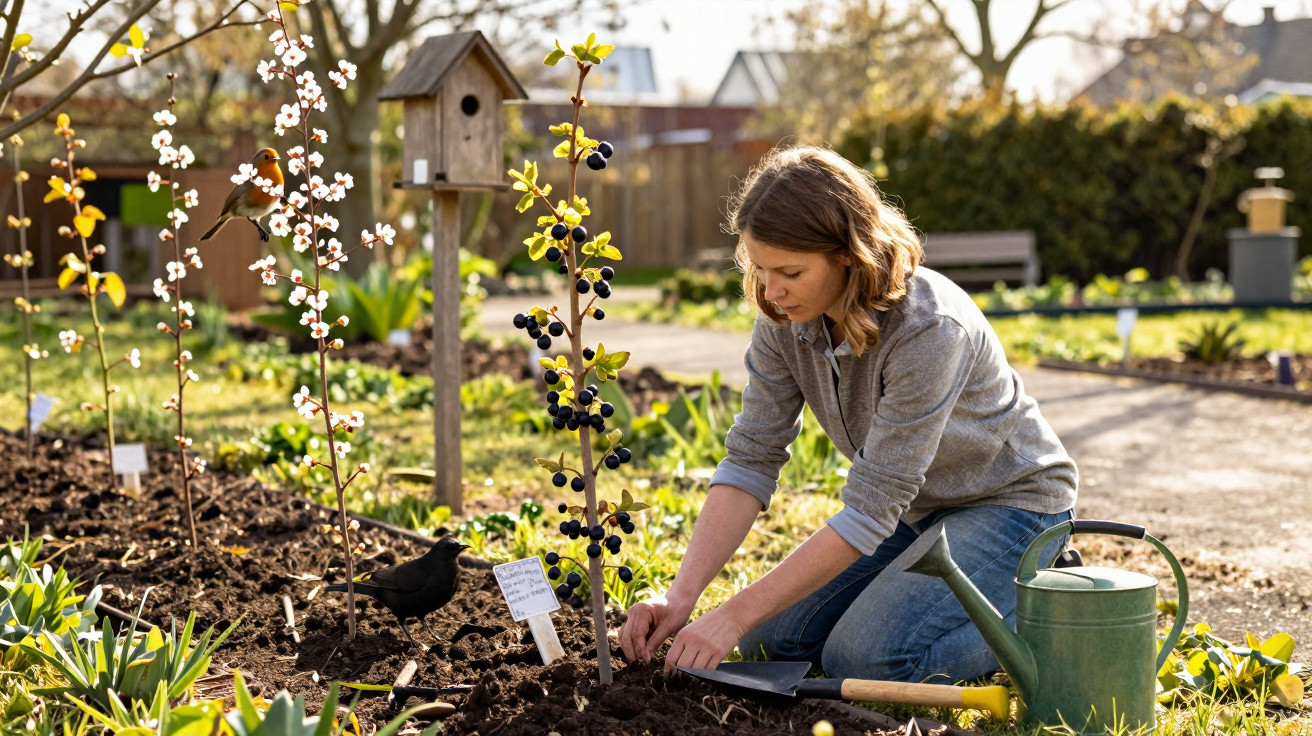
The last of winter is fading and the garden can feel bare - but one smart planting move in March turns your patch of green into a stage for birds, insects and plenty of life.
All winter, many people hang up fat balls and then wonder why the garden is still quiet once spring arrives. The game-changer isn’t another feeder - it’s what you do with a spade: plant a hedge that doubles as a snack bar and a safe haven. Put it in now and you’re setting up a lively mini ecosystem right behind the house.
Why March is the perfect moment to get started in the garden
In March, the soil starts to stir. It’s no longer frozen, it’s still nicely moist, and that makes it ideal for new plants to root quickly. Growth gets underway before summer turns up with heat and dry spells.
At the same time, many bird species are actively looking for territory, nesting spots and reliable food. Planting within this window sends a clear message: this is a place worth staying. Shrubs that flower early or set fruit soon act like a bright sign for blackbirds, tits and other garden regulars.
“Planting in March gives nature an address, a pantry and a nursery - all in one.”
If you leave this job until late spring, some territories will already be taken. Your garden can end up as a brief stopover rather than somewhere to settle - and that’s exactly what you can change.
The snacking hedge as a habitat: more than just pretty berries
Instead of a dull row of thuja, a mixed hedge that bears fruit brings several benefits at once: privacy, harvest, and habitat. It becomes especially valuable when the shrubs offer different flowering times, fruit colours and growth habits. That mix creates lots of small niches where wildlife can thrive.
The heart of the idea: a hedge both people and wildlife can eat from
The principle is straightforward: you plant shrubs with berries you can happily snack on - while also feeding birds, insects and small animals. The result is a “snacking hedge” that doesn’t just look good, it does a job.
- it provides nectar for bees and other pollinators
- it creates hiding places and nesting sites for songbirds
- it supplies wildlife with berries, insects and small creatures
- it gives you fruit for jam, cakes, or simply straight from bush to mouth
Three shrubs that turn your garden into a bird refuge
You don’t need a huge selection. Three species are enough to turn a quiet corner into a lively little biotope.
1. Blackcurrant - dense cover with a built-in protein bar
Blackcurrant (Ribes nigrum) develops thick foliage and releases a strong scent when you rub the leaves between your fingers. Birds value that leafy canopy because it screens them from cats and birds of prey.
Its flowers attract a wide range of insects. For chicks, those creepy-crawlies are vital, as they provide plenty of protein. The berries are a treat for people too - and birds will gladly help themselves if you leave them a few clusters.
2. Gooseberry - a spiky fortress for nests
Gooseberry bushes score points for their thorns. What can be a nuisance for gardeners can be life-saving for bird families. Cats and martens find it much harder to push through a tangle of prickly shoots to reach a clutch.
Plant several gooseberries close together and you create a real protective stronghold. Small nests can be tucked between branches and are barely visible from the outside. Come summer, the fruit brings a dose of vitamins for both people and wildlife.
3. Juneberry - early flowers and a berry magnet for blackbirds
Juneberry (often sold as Amelanchier) is still a bit of a hidden gem in many gardens. It flowers very early, producing delicate white star-shaped blooms. At a time when nectar can be scarce, its blossoms are already open.
Later on, it produces dark blue to purple berries that look a lot like blueberries. Blackbirds and other thrushes are especially keen. Part of the crop will inevitably end up in a beak rather than in your bowl - and if you share, you get a daily concert in return.
“Three shrubs, planted well, can restore a missing link in the garden food chain.”
How to plant the hedge properly: site, orientation, spacing
To make sure the snacking hedge really becomes a wildlife draw, a few simple ground rules help.
A north–south alignment for light on both sides
Ideally, set the hedge on a north–south line. That way, both sides receive sun over the course of the day. This helps with:
- better fruit ripening
Comments
No comments yet. Be the first to comment!
Leave a Comment