
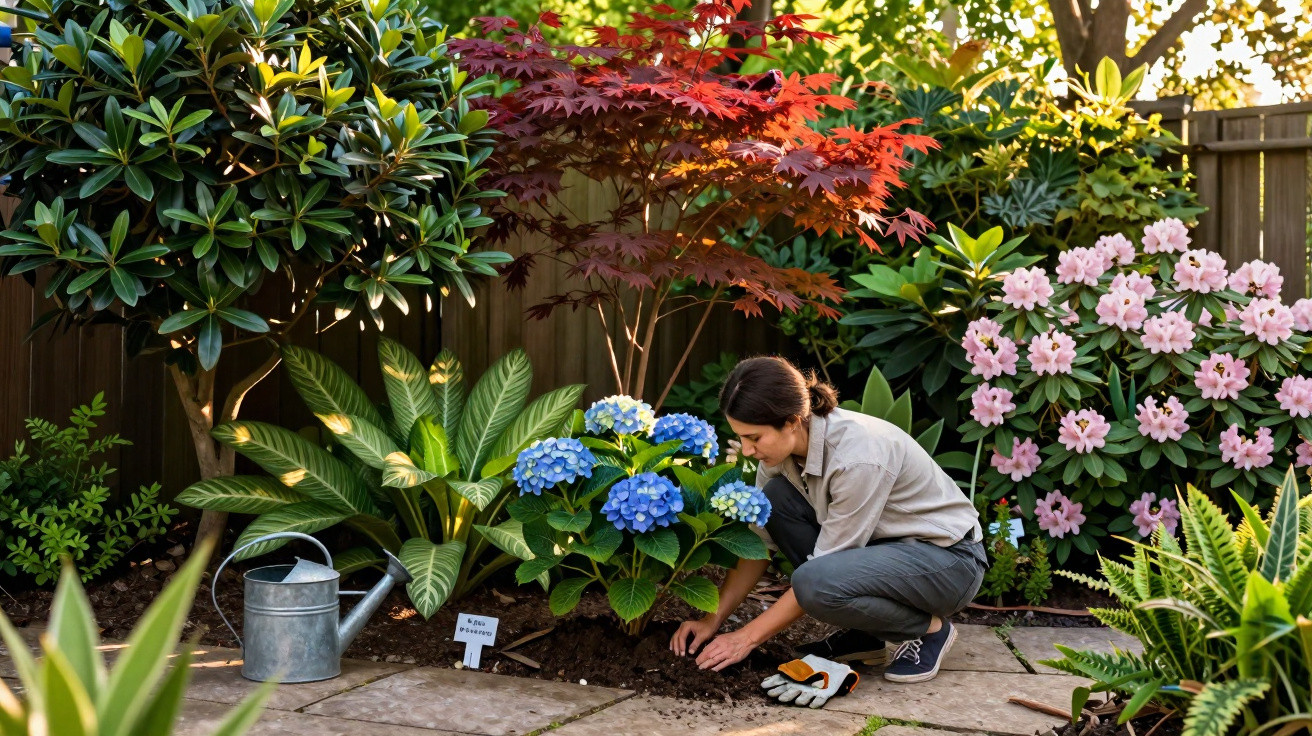
Many gardeners mentally write off these spots: a gloomy back courtyard, a north-facing wall, bare soil beneath an old oak.
Yet it’s often these shaded patches that hide the biggest untapped potential. Choose the right shrubs and you can turn lifeless corners into cool, green retreats-with flowers, colour and even a hint of the exotic-without spending every summer desperately watering sun-baked beds.
Shady corner or dead zone? How to read your garden properly
Shade isn’t all the same. Before you reach for the spade or planters, take a moment to assess what you’re working with.
- Light shade: Brightness arrives indirectly-reflected off pale walls, for instance, or filtered through a tree canopy.
- Partial shade: A few hours of sun per day, often in the morning or late afternoon.
- Deep shade: Hardly any direct light, such as along the north side of tall buildings or beneath dense evergreens.
The darker the spot, the more slowly many plants will grow. The upside is that on hot days these areas reward you with noticeably cooler air. Some shrubs cope surprisingly well and can even look better here than they would under harsh midday sun.
Soil matters just as much as light: is it acidic or chalky, heavy and clay-based or sandy and free-draining? Does it stay damp for a long time, or dry out quickly? Beneath mature trees you’ll often be dealing with root competition and dryness, while soil by a north-facing gable is more likely to remain cool and moist.
"If you understand your shaded soil, you’ll save money, stress-and avoid bad buys at the garden centre."
The 5 most defining shrubs for shady garden corners
To make a visible difference, you need plants with structure, volume and presence. When it comes to tricky shade, five shrubs stand out in particular.
1. Cherry laurel: fast screening in the shade
Few shrubs form a dense, evergreen barrier as quickly as cherry laurel. It tolerates full sun, partial shade and shady positions, which makes it ideal for boundaries, driveways and those darker corners of a plot.
- Advantages: Evergreen, exceptionally tough, quick privacy screening.
- Position: From light shade to deep shade; avoid waterlogged ground.
- Care: Trim once or twice a year-left alone, it can become too large very quickly.
If you prefer something softer than a strict hedge, grow cherry laurel as a specimen shrub and underplant with flowering perennials, ferns or hydrangeas.
2. Hydrangea: bursts of colour for cool, shaded spots
Hydrangeas are the go-to shrubs for shady borders-and for good reason. Their large, rounded or cone-shaped flower heads bring colour from early summer well into autumn, even in a dim corner behind the house.
Large-leaved varieties in particular, along with the more delicate lacecap types, manage well with limited direct sun. Oak-leaved forms and panicle hydrangeas, by contrast, appreciate a few hours of morning sun.
"In cool, moist shaded borders, hydrangeas show their full strength-whereas in full sun they quickly reach their limits."
One key requirement: the soil should be humus-rich and evenly moist. A generous mulch layer of leaf mould or bark compost helps cut evaporation and reduces the number of watering sessions during midsummer.
3. Japanese maple: delicate foliage, big impact
A Japanese maple isn’t a mass-market shrub-it’s a statement plant. Finely cut leaves, an elegant habit and striking autumn colour make it a focal point, even in small gardens or courtyards.
Strong, direct midday sun can scorch the delicate foliage. In light or partial shade, the leaves stay fresher-especially on sheltered north-facing patios or in courtyards where the sun only appears briefly.
- Ideal: Bright, wind-sheltered shade; humus-rich, slightly acidic soil.
- In a container: Excellent for balconies and compact urban gardens, as long as the pot is protected so it doesn’t freeze solid in winter.
If you enjoy contrasts, place a red-leaved maple against a pale wall or pair it with evergreen shrubs-both approaches make the colours look even more intense.
4. Fatsia japonica: instant holiday feel in the back courtyard
Often simply called fatsia, this shrub brings an immediate tropical look with its large, glossy, hand-shaped leaves. Shaded courtyards, front entrances and tucked-away patio corners, in particular, benefit from its exotic presence.
Fatsia copes well with low light. Too much bright sun can burn the leaves, while shade keeps them a rich green. In mild areas it can overwinter in the ground; in colder locations it’s happier in a large container with winter protection.
"The plant looks harmlessly decorative, but in autumn it produces poisonous black berries-so it’s not for small children’s hands or curious pets."
In pots, fatsia needs consistent watering but won’t tolerate standing water. A loose, peat-free compost with a little added composted organic matter is perfectly adequate.
5. Rhododendron: a spring firework in partial shade
Anyone who has stood beside an old rhododendron in full bloom will remember it. The large trusses glow in white, pink, red or violet and turn even dull garden corners into a colour explosion for a few weeks.
Rhododendrons prefer acidic, humus-rich soil like you’d find in woodland. In many urban gardens the soil is more chalky; in that case, a generous layer of ericaceous compost within a defined planting area can make all the difference.
- Position: Partial shade to shade; avoid intense midday sun.
- Care: After flowering, pinch out spent blooms; mulch regularly.
- Benefits: Flowers attract bees and other beneficial insects; dense foliage provides shelter for birds.
How to care for shade shrubs so they really take off
The good news is that once established, these shrubs are resilient. The less convenient truth is that they need attention during the first few years.
- Watering: Hydrangeas in particular-and any newly planted shrubs competing with tree roots-should be watered deeply and regularly.
- Pruning: Shape cherry laurel once or twice a year; occasionally remove older stems from fatsia and rhododendron.
- Feeding: Apply an organic feed or compost once in spring; for rhododendrons, use only lime-free products.
- Mulching: Leaves, bark compost or grass clippings help retain moisture and improve soil structure over time.
By choosing shrubs with flowers and berries, you also create a small haven for wild bees, butterflies and birds. Hydrangeas and rhododendrons provide nectar; cherry laurel and fatsia offer shelter and nesting opportunities; and some varieties carry berries as food for birds.
How to plan a problem corner into a shade oasis
A simple design rule helps: place tall, structure-giving shrubs at the back, with smaller shrubs and perennials towards the front. This creates depth and gives each plant its moment.
| Position | Suitable shrubs | Companion plants |
|---|---|---|
| Background | Cherry laurel, rhododendron | Tall ferns, hostas |
| Middle layer | Hydrangeas, fatsia | Astilbes, rodgersia |
| Foreground | Smaller Japanese maple varieties | Epimediums, woodland grasses, periwinkle |
With this stepped layout, even narrow strips along walls or garages can look far more appealing. A slim gravel path or a few stepping stones between plants make the area accessible and help form a small “garden room” that stays noticeably cooler in summer than the rest of the plot.
What else to consider with shade planting
Beneath mature trees, the main challenge is root competition. Shallow-rooting shrubs such as rhododendron or hydrangea can struggle if placed right beside thick tree roots. In these situations, it’s often better to plant a little further away and rely on a deep mulch layer to hold moisture.
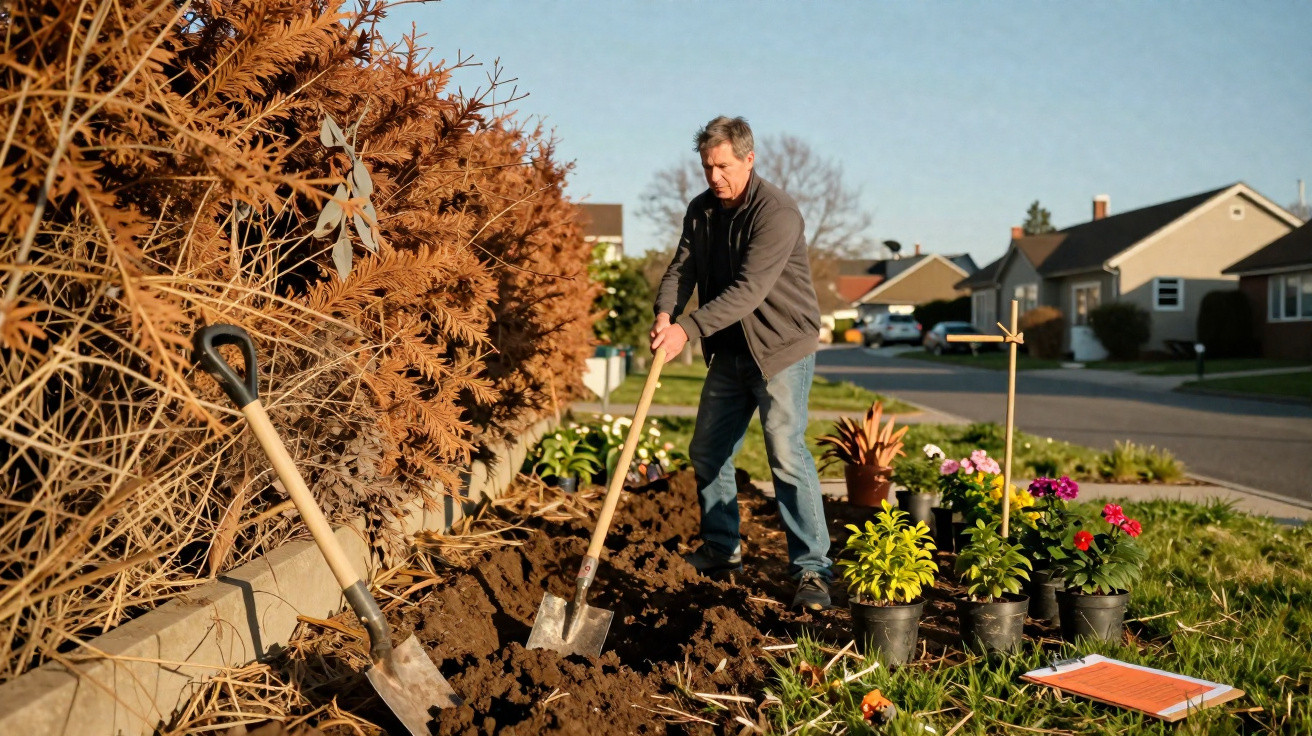
Another consideration: many shade-loving shrubs dislike waterlogging. If the soil is compacted, loosen it thoroughly before planting with sand, compost and a garden fork-rather than forcing plants into poorly prepared ground.
If you have children or pets, check for toxic parts before you buy. Fatsia and cherry laurel produce fruits that look tempting, but they don’t belong in a child’s mouth. In heavily used play areas, other species are a safer option.
Getting more from shade: clever pairings and visual effects
Targeted contrasts of light and colour can make these shrubs work even harder. A Japanese maple against a white wall can appear to glow in autumn. Dark green cherry laurel hedging creates an excellent backdrop for pale hydrangea flowers. Fatsia looks even more exotic alongside fine-textured ferns.
It also helps to mix leaf shapes: the broad, plate-like fatsia leaves beside the intricate detail of maple foliage; rounded hydrangea leaves next to narrow grasses. The result is a lively planting scheme that still holds up in winter, when many perennials have already died back.
Anyone who has watched a once-bleak shady corner turn into a dense, cool, quietly buzzing refuge will never look at “too dark” parts of the garden the same way again. With the right five shrubs, shade can become the most interesting part of the plot.
Comments
No comments yet. Be the first to comment!
Leave a Comment