
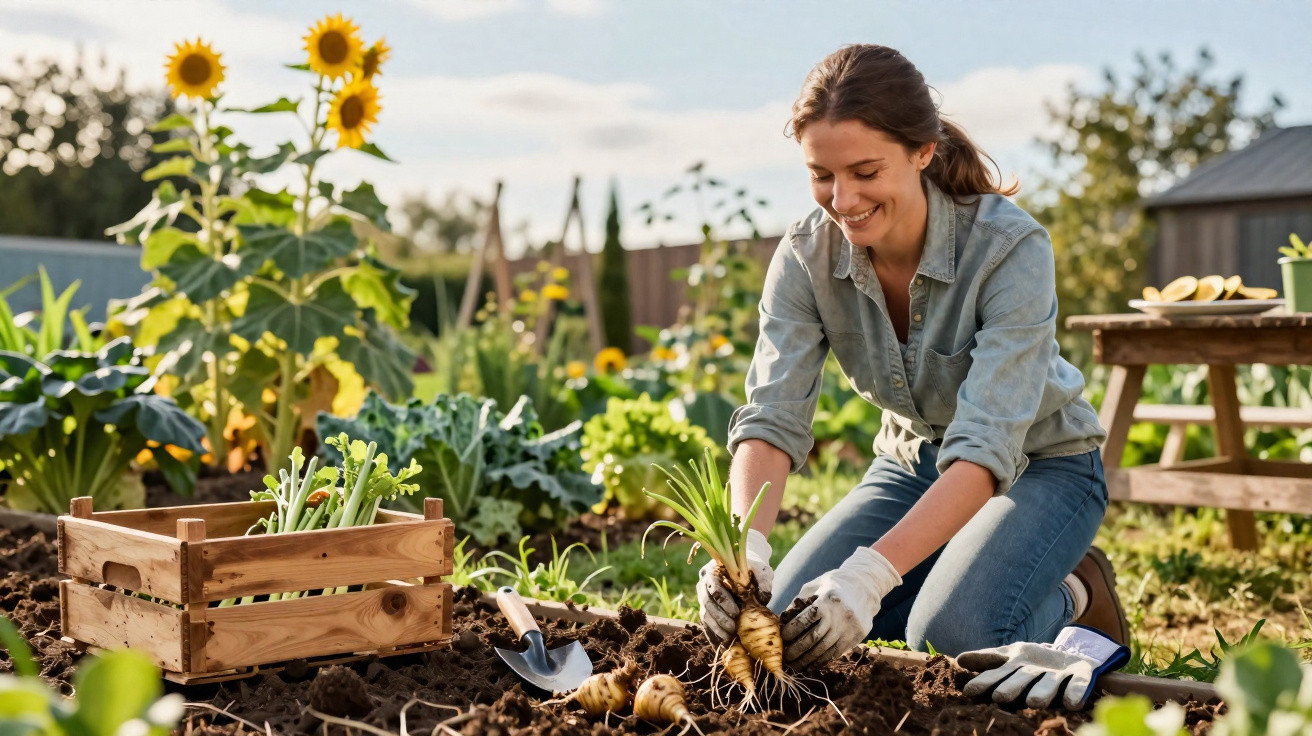
Wander through today’s modern self-sufficient gardens and, alongside tomatoes, courgettes and herbs, you’ll increasingly spot a slightly odd-looking tuber with brown skin. For a long time it was seen as old-fashioned, even a bit embarrassing. Now Topinambur is making a surprisingly strong return - as a hardy beginner-friendly crop, a climate-smart choice for the veg patch and an intriguing ingredient for inventive cooking.
From “poor man’s vegetable” to a trend favourite in the veg patch
For decades, Topinambur suffered from a poor reputation. Many people associated it with wartime shortages, bland one-dish meals and emergency rations. In contemporary kitchens, more exotic varieties, rainbow carrots and unusual squashes pushed the humble tuber almost completely out of view.
That picture is changing quickly. Market gardeners and home growers are deliberately putting Topinambur back into their planting plans. The reason isn’t misty-eyed nostalgia, but practical strengths: it’s tough, produces generous harvests and copes remarkably well with heat, frost and nutrient-poor soils.
"Topinambur fits perfectly with the renewed appetite for simple, regional and climate-resilient vegetables."
On top of that, many towns and cities are seeing a growing desire to grow food in limited space. Balcony plots, community beds and tiny back-yard patches all favour crops that still deliver reliable harvests when conditions aren’t ideal - and Topinambur excels here.
Why Topinambur nearly always thrives in the garden
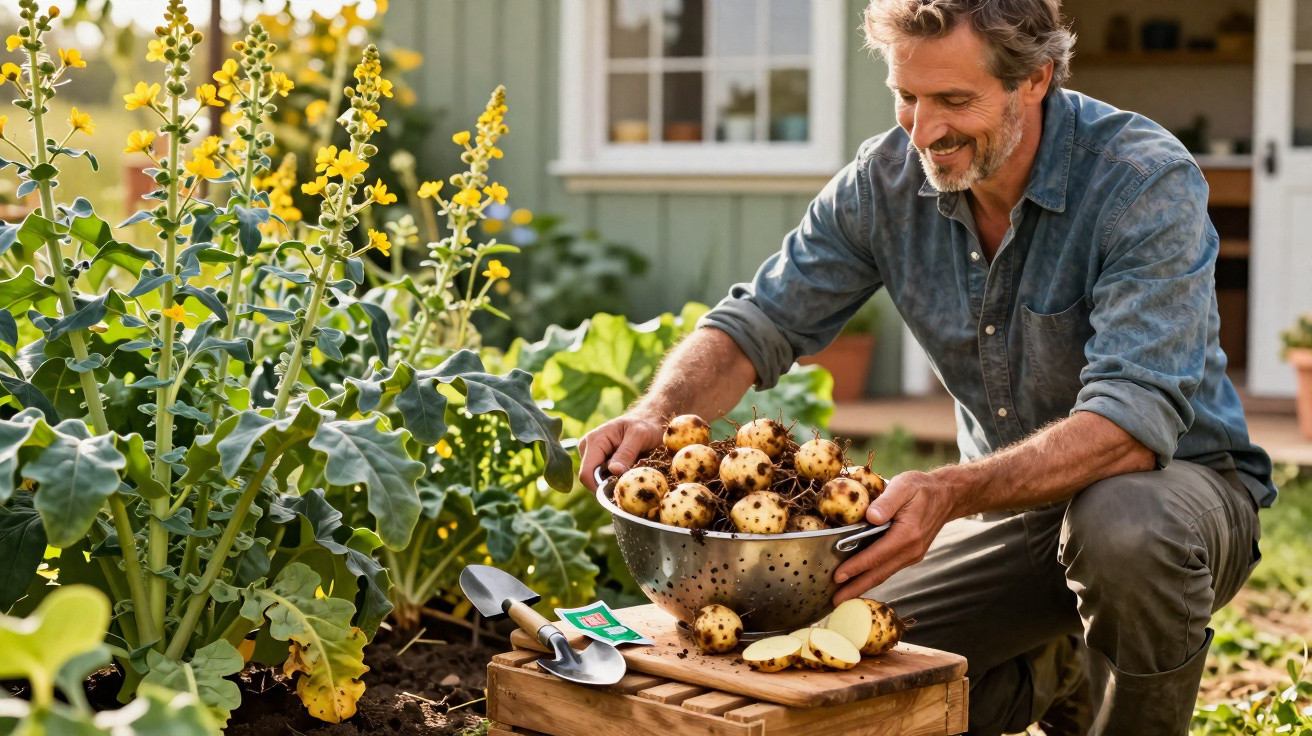
This is one of the most straightforward crops you can put in the ground. It sends up tall, sturdy stems - much like a sunflower - while below the surface it forms a dense network of tubers.
Perfect for beginners and low-effort gardeners
- Hardly any maintenance: once planted, Topinambur largely gets on with it.
- Undemanding about soil: even tired, sandy or stony ground can still produce a crop.
- Resistant to many diseases: fungi and pests rarely become a serious issue.
- Low water needs: it rides out dry summers far better than many other vegetables.
The tubers are usually planted in March or April, about 10–15 cm deep. A sunny spot is best, although many semi-shaded areas work well too. After that, the routine is simple: water occasionally if it stays dry for weeks - and that’s about it.
Harvesting runs from autumn well into winter. Plenty of gardeners lift the tubers as needed rather than storing everything at once. That way, the flavour stays bold and the texture remains crisp.
"Once you’ve planted Topinambur, you’ll often harvest it for years - without needing to start again each spring."
Beware the space hog: keeping the tubers under control
The flip side of all that vigour is that Topinambur spreads enthusiastically. A tuber left behind can easily turn into a new patch the following year. A little forethought helps:
- Plant Topinambur in a clearly defined corner of the garden.
- Install a root barrier if space is tight.
- Avoid planting right next to delicate crops.
Follow these basics and you’ll have a dependable perennial crop rather than a tuber takeover.
Flavour between artichoke and nut: how the “old” tuber tastes modern
The main reason Topinambur is reclaiming its place in kitchens is its distinctive taste. It’s gently sweet, reminiscent of artichoke with a hint of hazelnut, and it becomes beautifully creamy when cooked.
"Hardly any other root vegetable delivers so much flavour with so little effort in the kitchen."
In many cases, you can eat the skin too - as long as it’s well washed. That saves time and helps keep plenty of nutrients. It suits quick weeknight cooking just as well as more refined dishes.
Popular ways to cook Topinambur
- Oven-roasted: cut into wedges, toss with oil, salt, pepper and thyme, then roast at a high temperature until the edges are crisp.
- Creamy soup: simmer with potatoes, onions and vegetable stock, blitz smooth and finish with a little cream or plant-based alternative.
- Pan-fried dish: slice and sauté with mushrooms, garlic and fresh herbs - great as a side or a warm salad.
- Raw in salads: shave thinly with apple, lemon and nuts - crunchy and full of aroma.
In fine dining, Topinambur is increasingly served as purées, crisps or delicate foams. For home cooks, a baking tray and a splash of olive oil are often enough to turn the tubers into an impressive roasted veg dish.
Nutritional values, tolerance and health considerations
Topinambur contains mainly inulin - a particular type of fibre - rather than starch. This doesn’t just shape the flavour; it also affects how the body responds.
| Property | Meaning |
|---|---|
| High fibre content | Helps you feel full for longer |
| Low in calories | Useful for anyone watching their weight |
| Inulin | Can have a positive effect on gut flora |
| Vitamins and minerals | Support the immune system and metabolism |
However, inulin comes with one notable point: some people experience wind if they eat larger amounts, especially at first. To reduce the chance of this, it’s sensible to begin with small portions and pair the tubers with easy-to-digest vegetables such as carrots or squash.
Topinambur as a building block for a future-proof vegetable garden
Rising temperatures, water shortages and expensive inputs are making life harder for both hobby gardeners and professionals. As a result, varieties that manage without heavy feeding and constant watering are getting far more attention.
"Topinambur symbolises a vegetable garden that works with the climate instead of constantly fighting it."
This plant needs neither complex spraying programmes nor costly specialist fertilisers. Many gardeners simply add a little compost to the planting hole - and in many cases, that’s all the care required. If you’re aiming for a closed nutrient cycle, Topinambur can be a useful component.
There’s another bonus too: in summer, the tall stems provide natural screening. That makes the crop handy as a living hedge, for example along a boundary or beside a terrace.
Practical tips for getting started with Topinambur
Choosing the right site and spacing
A quick check of the basics helps everything get off to a strong start:
- Location: sun to partial shade, with soil that isn’t heavily compacted.
- Planting time: spring, as soon as the ground is frost-free and no longer waterlogged.
- Spacing: roughly 30–40 cm between tubers so each plant has enough room.
- Height: depending on the variety, up to 2.5 metres - so don’t plant it directly in front of the kitchen window.
If your garden is small, you can grow Topinambur in large containers. It will then need a bit more watering and occasional feeding, but it’s much easier to keep contained.
Harvesting, storage and creative use of leftovers
The first tubers are typically ready to lift from October. Yields often increase noticeably in the second and third year, once the root system is fully established.
Not everything has to be stored in the shed or cellar. Leaving some tubers in the soil and digging them up as required keeps them fresh. If you do store them, keep them cool, dark and slightly moist - for instance in boxes with a little sand.
Leftover cooked tubers can be turned into quick next-day meals: fritters, bakes or creamy spreads for bread. That makes Topinambur a great match for a kitchen that tries to waste as little food as possible.
Why it’s worth revisiting “old” vegetable varieties
Topinambur is only one example of a forgotten plant that has suddenly become relevant again. Varieties such as parsnip, salsify and black salsify are set for a similar return. They add variety to everyday meals, improve a garden’s resilience and reconnect with know-how that was long dismissed as outdated.
These “old” types show their strengths most clearly when combined. Growing several robust root vegetables spreads the risk during weather extremes and helps ensure a broad harvest from autumn deep into winter. In that mix, Topinambur is the reliable workhorse that doesn’t give up easily, even in difficult years.
For many gardeners, the tuber has become a symbol: moving away from purely decorative beds and towards lively, productive spaces that bring together pleasure, independence and climate awareness. That’s exactly what makes the once-underestimated Topinambur feel thoroughly modern.

Comments
No comments yet. Be the first to comment!
Leave a Comment