
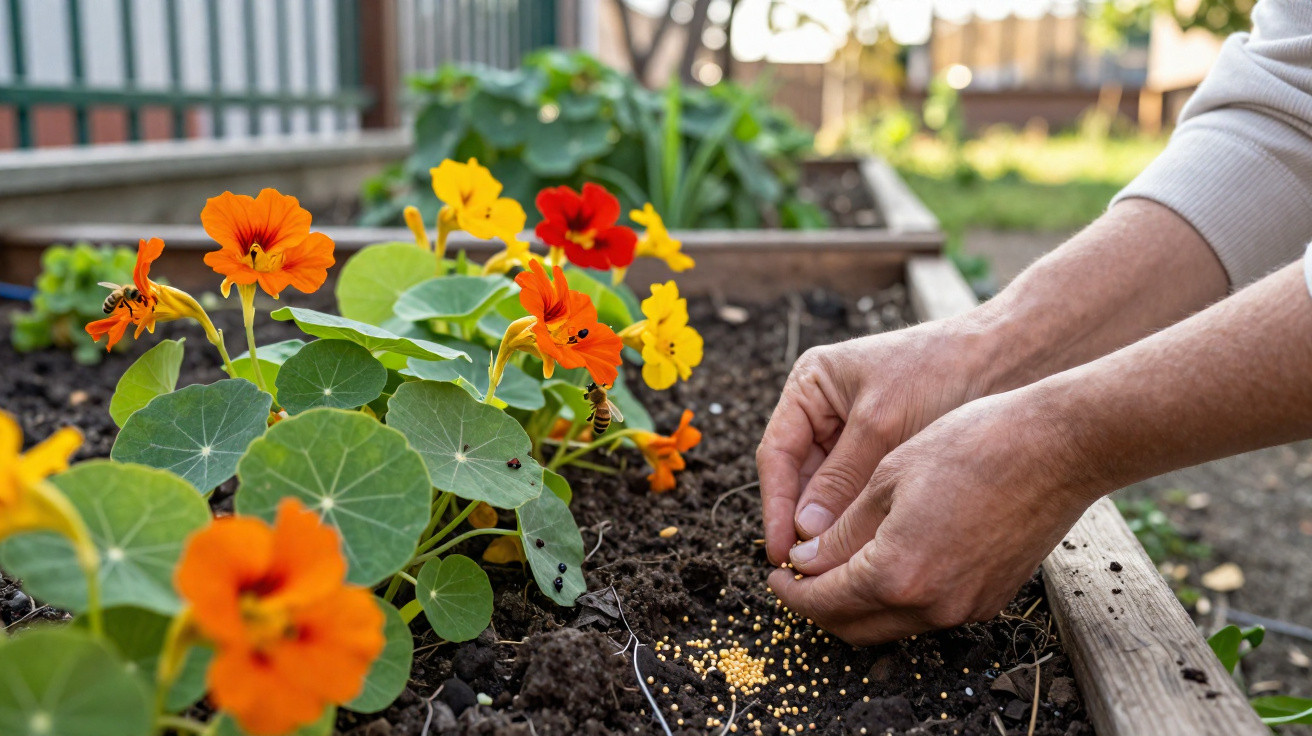
Many amateur gardeners kick off spring full of enthusiasm with tomatoes, courgettes and beans, but overlook a quiet star: an old-fashioned ornamental plant that used to be found in almost every cottage garden. If you sow it deliberately between your rows, you not only shield your veg from pests, you also bring more pollinators into the garden - without poisons or pricey specialist products.
Old gardening know-how: why nasturtium is trending again
For decades, chemical sprays pushed many traditional tricks out of everyday gardening. Now, interest in natural methods is returning. One classic that experienced gardeners have long recommended is nasturtium.
At first glance it looks like a pretty, slightly nostalgic plant for pots and balconies. In reality, it’s a small powerhouse for the vegetable patch: it protects, attracts, covers and energises. That’s exactly why its seeds are appearing more often again in garden centres, especially in the permaculture and organic gardening sections.
"Sown between lettuce, beans and cabbage, nasturtium works like a living shield - and it does so around the clock."
The key point is timing: for all these benefits to really take effect, it needs to be in the garden early in the year. In most cases, March is the ideal moment to get started.
Why March is the perfect time to sow
As soon as temperatures start to rise and the harshest frosts are over, the garden’s busiest period begins. If you plan your helper plants now, you give yourself a real head start.
Start early so the protection is ready
From March, nasturtium can be established in two ways:
- start it in pots or seed trays indoors or in a greenhouse
- in mild weather, sow it directly into the bed
Sown early, it quickly develops a strong root system and plenty of leafy growth. When young plants such as tomatoes, beans or cabbage are moved into the bed later on, the nasturtium is already in place - like a colourful security team ready for action.
A living shield: how nasturtium catches aphids
Plant decoy instead of poison: how the idea works
The most important protective feature of this flower is its role as a “sacrificial plant”. Its sap is far more tempting to many aphid species than that of your vegetables. The black bean aphid, in particular, will often head straight for nasturtium.
Instead of sucking on beans, peas or broad beans, the pests concentrate on the nasturtium’s leaves and shoots. The veg patch is largely spared, while the aphids are effectively “parked” on a side plant.
"If you place nasturtium between the rows, you deliberately divert aphids away from your vegetables - they end up where they do the least harm."
Beneficial insects arrive on their own - no sprays needed
Where there are aphids, helpful predators are rarely far behind. On infested nasturtiums you’ll soon find:
- ladybirds and their larvae
- hoverfly larvae
- lacewing larvae
These natural enemies can wipe out entire aphid colonies. The result is a stable, self-regulating balance. With regular checks, you can simply cut off and bin heavily affected parts of the plant - and that’s it.
A magnet for bees: better harvests thanks to a sea of flowers
A bright landing strip for pollinators in the veg patch
Nasturtium doesn’t only help with pests. Its large, showy flowers in yellow, orange and red act like signal lights for bees and bumblebees. The plants produce plenty of nectar, which insects value highly.
In practical terms, that means more insects visit your beds, stay longer, and on their route also stop at the less conspicuous flowers of tomatoes, strawberries, pumpkin, cucumbers or courgettes.
"Every bee that comes into the garden because of nasturtium also helps the vegetable plants with pollination as a side benefit."
From city balcony to orchard: a win anywhere
Whether it’s a small city balcony with a raised bed, a terraced-house garden or a large self-sufficiency plot, the task is the same: flowers must be pollinated, otherwise there will be no fruit and no decent yields.
Nasturtium acts like an amplifier for this work. Insects often visit the bold blooms first, then move on to nearby tomatoes, peppers, berry bushes or fruit trees. The result is:
- more fruit set
- more evenly developed vegetables
- higher overall yields from the same area
Place it properly: where the flower does the most in a bed
Sow between rows and along edges
Positioning has a big influence on how well it works. A simple, proven approach is:
- sow at intervals directly between vegetable rows
- create a fringed strip along the bed edges
- surround particularly vulnerable crops more closely with nasturtium (beans, peas, cabbage, cucumbers)
Spacing of around 30–40 cm between sowing spots is enough. This forms a network of plants that works both visually and functionally - a colourful ring that aphids would have to push through before they reach your veg.
Watering without fuss
Nasturtium is considered easy-going. It copes well with normal garden soil and only needs a little help to get going:
- after sowing, gently firm the soil
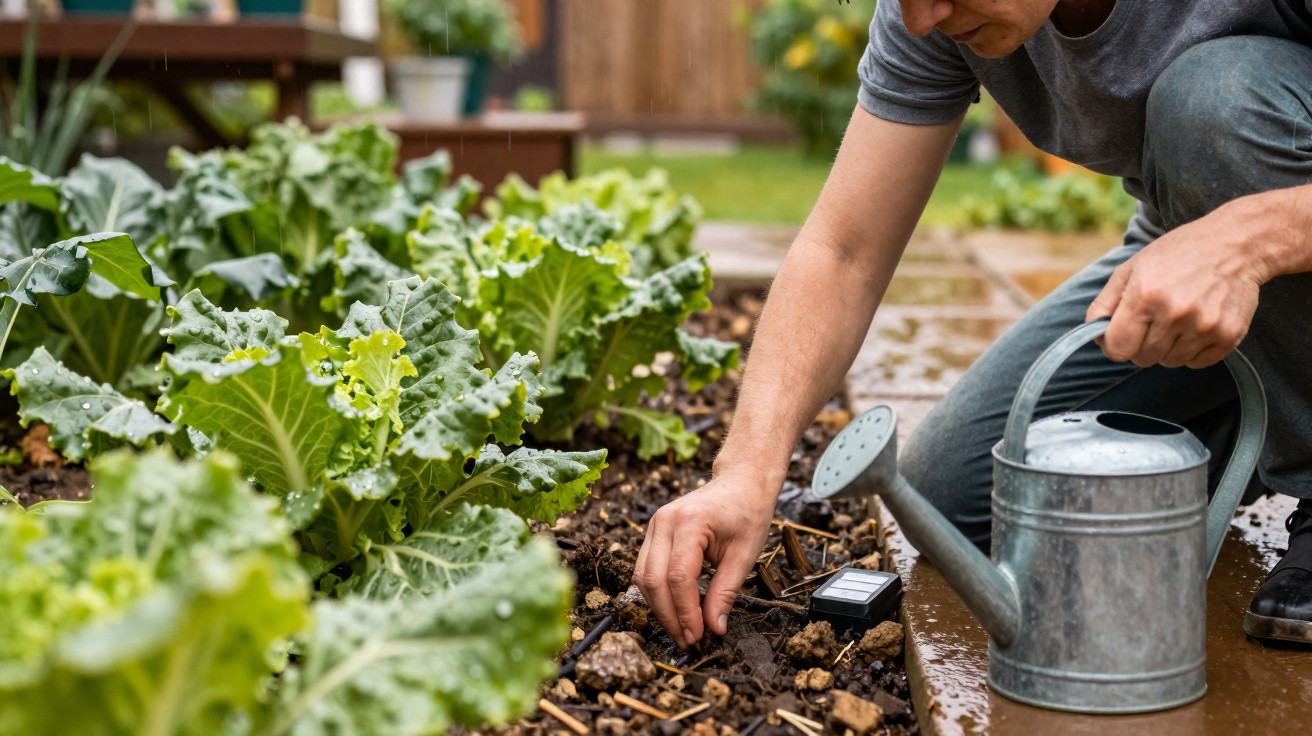
- in dry spells, water regularly but not excessively
- apply water as close to the roots as possible, not over the leaves
Slightly moist soil (not waterlogged) supports quick, even germination. After that, the plant grows fast and covers the ground, which in turn reduces evaporation and helps prevent the soil drying out.
Two birds with one stone: protection and yield in one package
Pest defence and higher yields from a single sowing
With one packet of seeds, you add several functions to the garden:
| Function | Benefit in the garden |
|---|---|
| Aphid decoy | Protects beans, peas, cabbage and other sensitive crops |
| Pollinator magnet | More fruit on tomatoes, pumpkin, berries and fruit trees |
| Ground cover | Less weeding, better soil moisture |
| Ornamental impact | A splash of colour in the bed and an attractive garden from spring onwards |
Many gardeners say that nasturtium means less time spent checking and treating plants. Instead of constantly hunting for pests, they watch the interaction between plants and beneficial insects - and only step in occasionally.
Practical tips and surprising everyday extras
If you choose this flower, you also gain a few side benefits that are often only noticed later:
- the leaves and flowers are edible with a mild peppery taste, ideal in salads
- it also works as a climbing option on a fence or in a raised bed
- planted to trail, it disguises bed edges or walls
For families with children, nasturtium is an excellent introduction to wildlife-friendly gardening: the seeds are large and easy to sow, and quick germination keeps motivation high. At the same time, children can observe ladybirds and bees arriving and “working” in the garden.
If you’re planning your beds anew this year or simply adding to a few rows, a handful of seed packets can make a big difference. Between carrots, potatoes, brassicas or in the tomato bed: where nasturtium grows, things often calm down - both among the pests and in the gardener’s mind.

Comments
No comments yet. Be the first to comment!
Leave a Comment