
As the days stretch out, you can feel it in your fingers: it’s time to get back into the soil. Yet the beds are still bare, the lawn is waterlogged, and the nights remain cold. It’s this in-between spell that determines whether your garden looks merely “quite nice” in summer - or whether it leaves visitors genuinely lost for words. If you choose a few reliable flowering classics now, you set everything up for the months ahead.
Why March is the insider month for summer flowers
March is a month of mixed signals: spring-like at midday, but with frost still sitting on the grass in the morning. Plenty of home gardeners pause because they’re wary of the cold - then later wonder how the neighbours already have lavish, flower-filled borders by June.
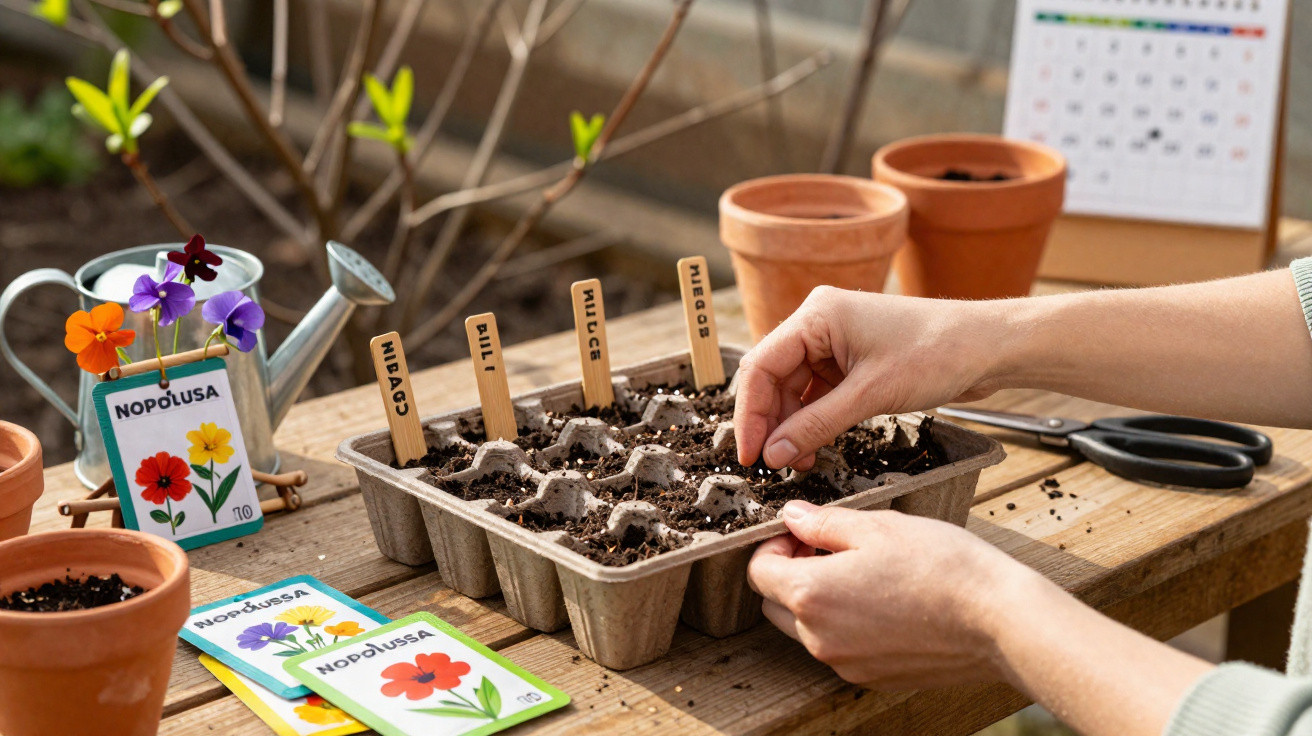
Seasoned gardeners do the opposite and use this exact window to begin sowing in sheltered spots: a bright windowsill, a conservatory, a simple polytunnel, or an unheated (but frost-free) garage with a window.
"If you sow in March, you’ll get flowers earlier in summer, a longer flowering period and noticeably fuller beds."
In the warmth, young plants can develop steadily, build strong root systems, and then move into the garden as sturdy, resilient plants. That makes it much easier to avoid patchy beds and those disappointing mid-summer “gaps” when little seems to be flowering.
Seed quality makes the difference between success and disappointment
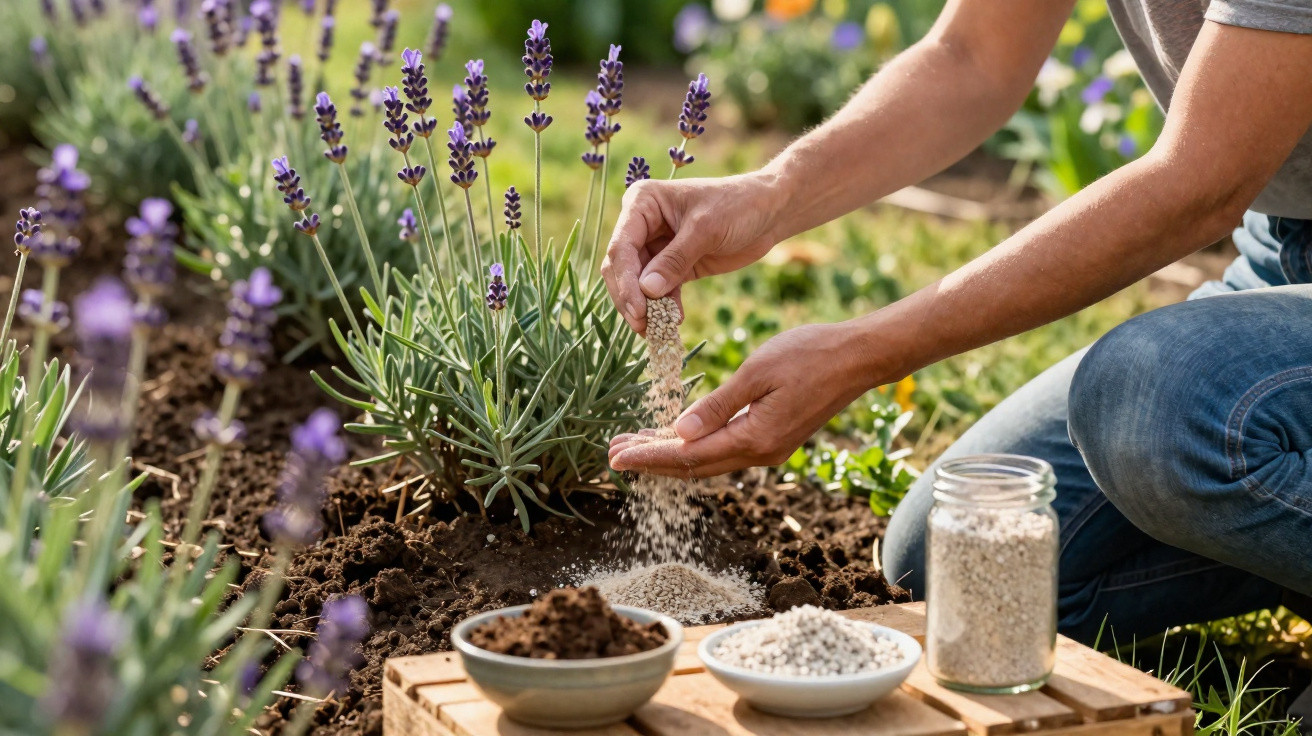
Many people know the scenario: you buy a cheerful, colourful seed mix, sow it enthusiastically, water carefully, and wait - only for a handful of weak seedlings to appear. Often it wasn’t just the watering; the choice of seed was the real issue.
That’s why more and more garden fans are choosing open-pollinated varieties. These are varieties from which you can collect seed in autumn and sow again the following year - with the same characteristics. Many hybrid varieties (usually marked “F1” on the packet) can produce excellent plants in year one, but they’re difficult to propagate reliably afterwards.
Using open-pollinated varieties brings several benefits at once:
- You save money because you don’t need to buy new seed as often.
- Over time, plants gradually adapt to your soil and local climate.
- You increase diversity in the garden instead of repeatedly growing the same standard options.
Seed-swapping events are also becoming increasingly popular. Libraries, community gardens and allotment associations are more frequently setting up small “seed tables”, where people leave their own saved seed and take home new varieties. Anyone who joins in often notices the same thing: seed collected locally can produce surprisingly robust plants the following year.
The 7 flowers you should definitely sow in March
You don’t need rare exotics for months of summer colour. A handful of proven favourites will reliably bring colour, scent and structure - even if you’re not an expert. Here are seven types that are ideal to start off in March and that can keep the garden lively for months in summer.
Zinnias - colour explosions for sunny beds
For many gardeners, zinnias are the go-to choice when they want maximum impact. They flower in pink, orange, red, yellow and bicolours - often right up until the first night frosts. They love warmth and sunshine, but they won’t tolerate late frost.
- Sowing: from March indoors in small pots or modular trays
- Position: full sun; free-draining, nutrient-rich soil
- Benefits: excellent as cut flowers; they keep producing fresh buds
If you keep removing spent flowerheads, you’ll be rewarded with what feels like an endless supply of new blooms.
Sweet peas - a romantic climber with a nostalgic feel
Sweet peas are a highlight for anyone who likes a soft, cottage-garden look. Their delicate, butterfly-like flowers climb fences, canes or a simple support frame, releasing a rich, sweet fragrance that instantly evokes traditional country gardens.
Their seeds have a hard coating. A useful trick is to soak them in water for a few hours before sowing so they germinate more quickly. When started in March, they can be planted out in late spring and then flower all summer.
Nasturtium - edible flowers with an unexpected twist
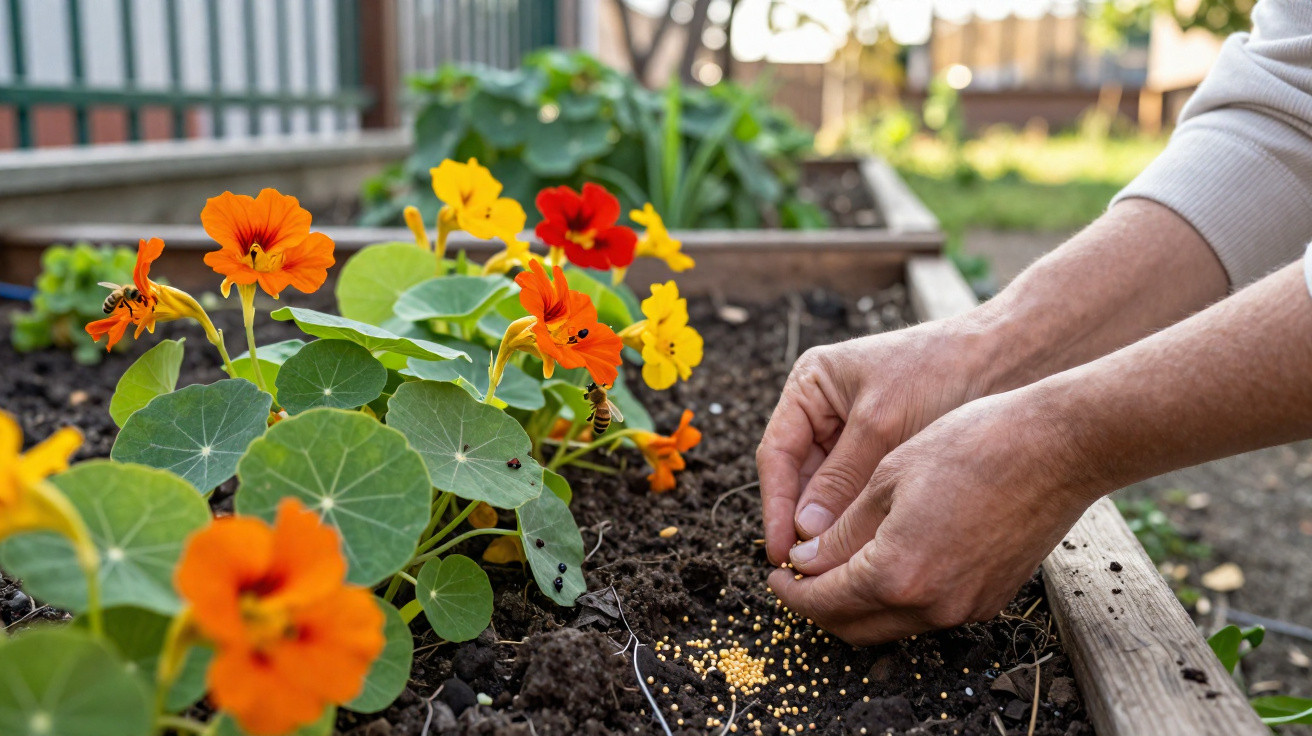
Nasturtium is an easy, versatile performer. It grows quickly, covers bare patches, and it’s edible too. Those vivid orange, yellow or red flowers are increasingly used in salads or on open sandwiches as a peppery, decorative extra.
It works well in borders, raised beds, balcony boxes and hanging baskets. Planted near vegetables, it often has a helpful side effect: aphids tend to gather on nasturtium, leaving tomatoes or beans more in peace.
Scented stocks - like perfume in the flower bed
Stocks don’t just bring attractive flower spikes; above all, they add intense fragrance to the garden. On warm evenings in particular, their scent carries well and can make a patio feel truly special.
They prefer a sunny to semi-shaded spot and fairly rich soil. If you sow them indoors in March, you’ll get strong young plants to move later into borders, containers or along terrace edges.
Tickseed (Coreopsis) - small yellow suns for low-effort gardeners
Tickseed, botanically Coreopsis, may seem modest at first glance, but it delivers a big effect: countless small flower stars in yellow or yellow-red that really glow when planted in groups. Another advantage is how little attention the plants need.
They cope well with ordinary garden soil, handle dry spells, and suit naturalistic planting schemes or perennial borders. Bees and other insects visit them readily.
Love-in-a-mist (Nigella) - fine texture for natural planting
Love-in-a-mist, also known as Nigella, offers a double appeal: airy, thread-like foliage and delicate flowers in white, pink or blue. After flowering, it forms decorative seed pods that work beautifully in dried arrangements.
It looks especially good in slightly “wild” plantings - for instance between herbs or in mixed beds with other summer flowers. Because it self-seeds, it often reappears on its own the following year.
Poppies - a touch of meadow romance in your own garden
Few flowers bring that summer-meadow feeling quite like poppies. Each large, silky-looking bloom doesn’t last long, but they appear in such abundance that you still get weeks filled with colour.
Many types of poppy will self-seed if you leave a few seed heads in place. Over time, this creates a distinctive, gently untamed character in the border.
How to sow in March: step by step
| Step | What to do |
|---|---|
| 1 | Fill clean pots or modular trays with seed compost and press down lightly. |
| 2 | Depending on the type, cover seeds only lightly with compost or scatter on the surface (follow the guidance on the packet). |
| 3 | Moisten using a spray bottle; don’t “drown” them - the compost should be damp, not wet. |
| 4 | Place containers somewhere bright and fairly warm, avoiding harsh, direct midday sun. |
| 5 | Check regularly, water if needed, and once seedlings emerge move them slightly cooler so they don’t grow leggy. |
Once the young plants have several true leaves and the nights are frost-free, they can be moved into borders, pots or balcony boxes. Hardening off for a day or two outdoors - starting in the shade - reduces transplant shock.
More colour, more life: what these flowers bring to the garden
These varieties don’t just add colour; they also bring the garden to life. Many are valuable nectar sources for bees, bumblebees and butterflies. If you mix several types and stagger sowing times slightly, you can keep areas flowering almost continuously - ideal for insects and for the view.
They’re also interesting alongside vegetables: nasturtiums and poppies work well along bed edges, zinnias can add bright accents between tomatoes, and nigella plus tickseed can fill spaces between slower-growing perennials.
There’s another benefit too: if you save and share your own seed, you gradually build a personal “house mix” of varieties that perform especially well on your plot. Over time, that creates a kind of family garden - recognisable each year, yet always showing something a little different.
The risks are manageable. If you pay attention to frost-sensitive plants and only take them outside once the last cold nights have passed, you’ve already avoided the biggest mistake. After that, it’s mostly routine - and a bit of patience. Come summer, you’ll be rewarded with a display that no quick, ready-grown garden-centre plant can truly replace.


Comments
No comments yet. Be the first to comment!
Leave a Comment