
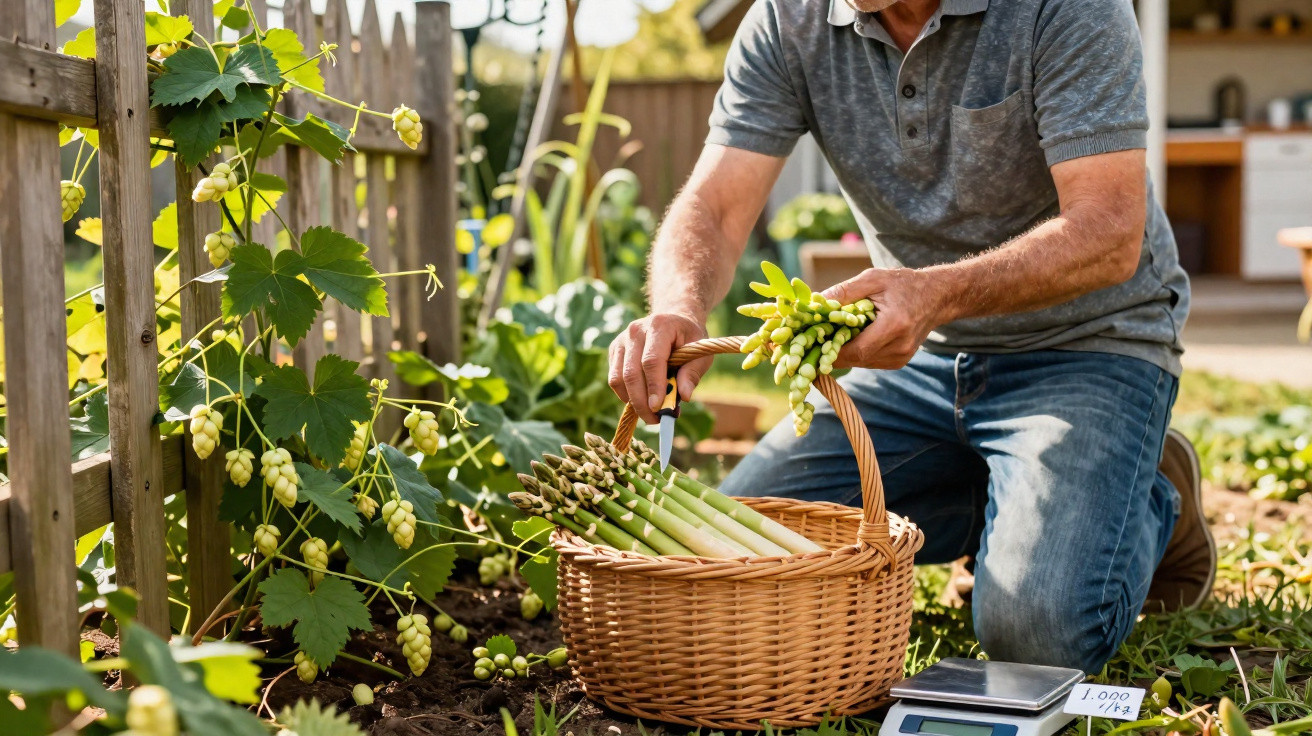
Between hedges, along a fence or tucked away behind the compost heap, a rampant green climber can suddenly appear, annoy gardeners and is usually cut back without mercy. Few people realise it can be a genuine delicacy-one that top chefs will pay premium prices for in spring. If you spot it early enough, you can turn what looks like a nuisance into a small, seasonal luxury ingredient.
Unremarkable in the garden, in huge demand in the kitchen
This is all about wild hops. Most people associate the plant with beer, but it’s not the familiar hop cones that are creating a buzz right now-it’s the young shoots that emerge in early spring. In fine-dining kitchens they show up on menus under names such as “hop shoots” and are treated as a true seasonal rarity.
"At selected gourmet markets, freshly harvested wild hop shoots can reach up to 1,000 euros per kilo."
That eye-watering figure comes down to labour. Every tender tip has to be found, identified and snipped by hand. The delicate ends are tiny-only a few centimetres long-and weigh almost nothing. To gather 1 kilogram, you need hundreds of shoots and a lot of patience.
Why wild hops are so valuable
Food lovers rave about the flavour. The young shoots taste gently nutty with a soft bitterness, and can bring to mind a cross between asparagus and green vegetables with a subtle herbal note. In restaurants they’re often served as a refined side to fish, veal or eggs, sometimes simply tossed in butter with a little lemon and salt.
Several things push the price upwards:
- Very short season: the shoots are at their best for only a few weeks in March and April.
- Entirely hand-picked: harvesting is done by hand, often in awkward hedges and scrubby strips.
- Low yield: only the top 2–3 centimetres are truly tender.
- Niche market: the main buyers are top restaurants and a small number of specialists.
The often-quoted 1,000 euros per kilo refers to carefully selected produce: freshly picked, neatly sorted, chilled immediately after harvesting and usually sold in small batches to professional kitchens. A random handful collected from a garden hedge won’t command that price-though it does show just how highly this delicacy can be valued.
How to recognise wild hops in your own garden
Wild hops are perennial climbing plants. Each year, new bines shoot up from the rootstock and twist themselves around anything they can reach-fences, shrubs, trees and trellises.
Typical characteristics of the plant
- Growth habit: liana-like, rough bines that spiral upwards.
- Direction of twist: the shoots wind clockwise, meaning they climb from left to right.
- Leaves: opposite, hand-shaped and lobed with coarse teeth, loosely reminiscent of vine leaves.
- Where it grows: damp, nutrient-rich spots-hedges, stream banks, woodland edges and neglected corners of the garden.
In early spring, the plant doesn’t yet look like the vigorous climber many people curse in summer. At first you’ll see small, flexible tips, light green to slightly violet, sometimes almost whitish. Rub them between your fingers and you may notice a resinous, lightly lemony, spicy scent.
"Important: Only use wild hops if you can identify them with certainty-if in doubt, don’t."
There is a real risk of confusion with other climbers such as bindweed or white bryony (a dioecious plant). White bryony is poisonous. If you don’t have a trained eye or you’re not completely sure, don’t eat the shoots-ask an experienced botanist or a knowledgeable wild-plant forager.
Spring harvesting: when and how to cut the shoots
Depending on where you live, the best window runs from mid-March to late April. In warmer areas the first tips can appear earlier; in cooler regions they may arrive later. Once the shoots are about 15–20 centimetres long, it’s worth taking a closer look.
For cooking, only the very top, most delicate part is used:
- Hold the shoot gently between two fingers.
- Bend it carefully until it snaps on its own.
- Use only the crisp, tender end-around 2–3 centimetres.
The older the shoot gets, the more woody and fibrous it becomes. That’s why professionals prefer collecting lots of very short pieces rather than a few longer ones. After picking, keep the shoots as cool as possible and cook them the same day or, at the latest, the following day-this is when their aroma is at its strongest.
Preparation: what people make from the “asparagus of the north”
In professional kitchens, hop shoots are handled much like green asparagus. They’re delicate and need only a brief cooking time. Popular approaches include:
- Blanched in salted water and then tossed in butter or good-quality oil.
- Steamed and served with hollandaise or a light vinaigrette.
- Quickly fried in a pan with butter, shallots and a little garlic.
- Folded into an omelette or scrambled eggs, finely chopped, as a spring side.
Their gentle bitterness pairs well with eggs, fish, young cheeses and creamy sauces. If you prefer a minimalist approach, add only salt, pepper and a squeeze of lemon juice and let the natural flavour come through.
More than cooking: what else wild hops can do
Most people know hops because of beer. The plant’s cones give beer aroma and bitterness, and they also help with keeping qualities and foam stability. Wild hops can be used for small home-brewing experiments too, although the level of bitter compounds can vary more than it does in cultivated varieties.
Traditionally, dried hop cones are also used in teas and sleep pillows. They’re considered calming and are included in herbal blends intended to support sleep. If you have wild hops growing in the garden, you can collect cones at flowering time, dry them, and store them for these sorts of uses.
Opportunities and risks for hobby gardeners
If your garden contains plenty of wild hops, it may even become a small seasonal income stream-for instance, by selling directly to local restaurants, farm shops or keen home cooks. In that case, correct identification, very clean harvesting and short transport times are especially important.
At the same time, wild hops remain a powerful climber that can smother hedges and shrubs. If you decide to keep it, guide it deliberately and cut it back regularly so other plants aren’t overwhelmed. In smaller gardens, the plant can quickly become a source of frustration despite its culinary value.
Anyone wanting to explore the topic further should learn about wild-herb identification, poisonous lookalikes and local nature-protection rules. In some areas, larger-scale foraging in the countryside may be restricted to protect populations or habitats. In your own garden, however, there’s nothing to stop you taking a culinary detour into the world of wild hops-provided you look closely and know exactly what you’re harvesting.
Comments
No comments yet. Be the first to comment!
Leave a Comment