
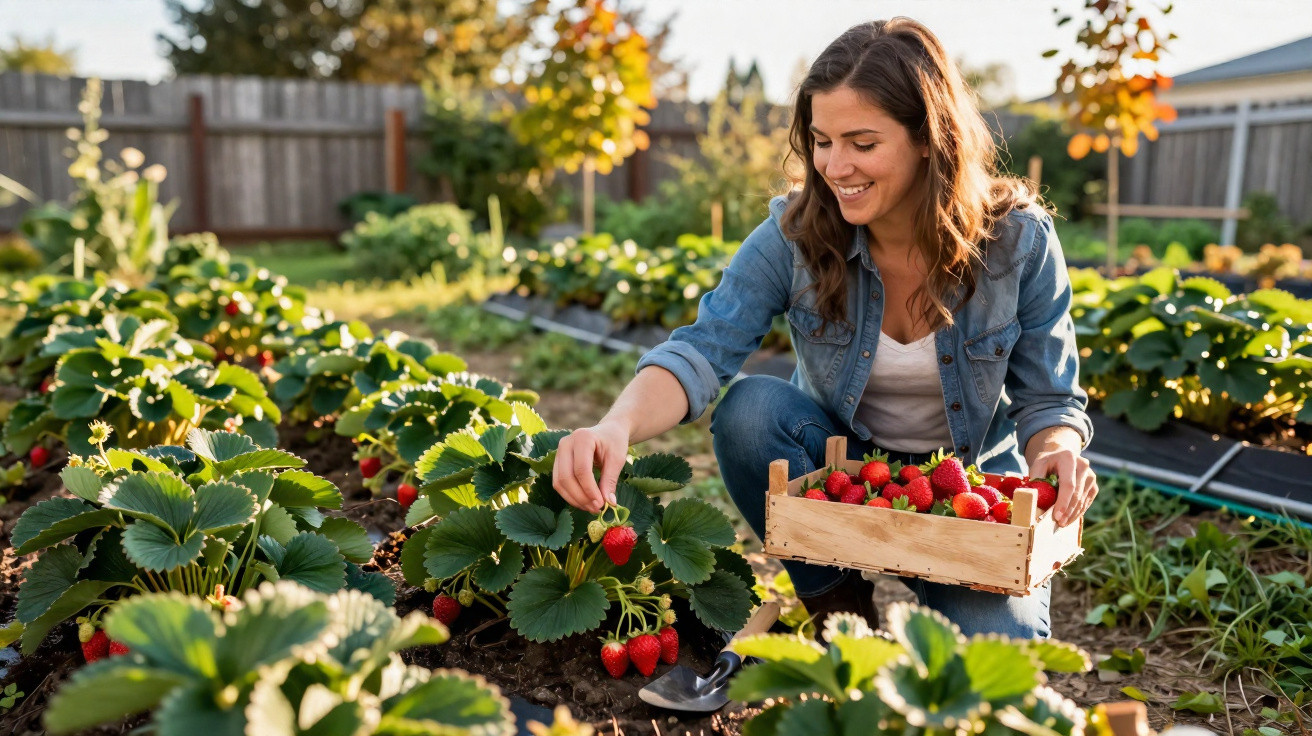
Plenty of keen gardeners know the pattern: June brings a brief, abundant strawberry bonanza - and then it’s suddenly over. It doesn’t have to be that way. If you choose the right cultivars and stick to a few straightforward planting and care basics, you can keep picking bowls of red fruit from June right through to the first frosts.
Why everbearing strawberries change everything
Most traditional garden strawberries deliver one big main crop in late spring or early summer. After that, there’s a long wait. Everbearing strawberries behave differently: over many months they repeatedly produce new flowers and fruit.
"Everbearing strawberries crop from early summer into autumn - ideal for anyone who wants fresh fruit all the time."
Typical traits of everbearing varieties:
- several flushes of fruit rather than a single harvest
- picking usually begins in June
- fruit continues into autumn, often up to the first frost
- berries are a little smaller, but very fragrant and full of flavour
Popular everbearing varieties that perform well in many gardens include:
- ‘Charlotte’ - highly aromatic, with a flavour reminiscent of wild strawberries
- ‘Mara des Bois’ - sweet, intensely scented, perfect for nibbling straight from the bed
- ‘Toscana’ - ornamental with pink flowers, well suited to pots and balcony planters
If you only want to plant one type in the garden, an everbearing strawberry is usually the better choice than a classic single-cropping variety.
Why March is an ideal month for planting
When you plant plays a big part in how early - and how long - your strawberries will crop. In many gardens, March offers excellent conditions as soon as the soil is no longer frozen.
Benefits of spring planting
- Warming soil: As the ground starts to warm, roots establish more quickly.
- Natural watering: Spring rain helps keep moisture levels steady.
- Gentle settling-in: Plants can get established before peak summer heat arrives.
- Earlier harvest: With a strong start in March, the first picking often begins in early summer.
Important: the soil should be neither waterlogged nor still frozen. In higher areas, planting often shifts into April depending on the weather.
How to prepare your strawberry bed properly
Before a single runner goes into the ground, the bed needs a bit of attention. Good preparation here pays back immediately in heavier pickings.
Step-by-step preparation
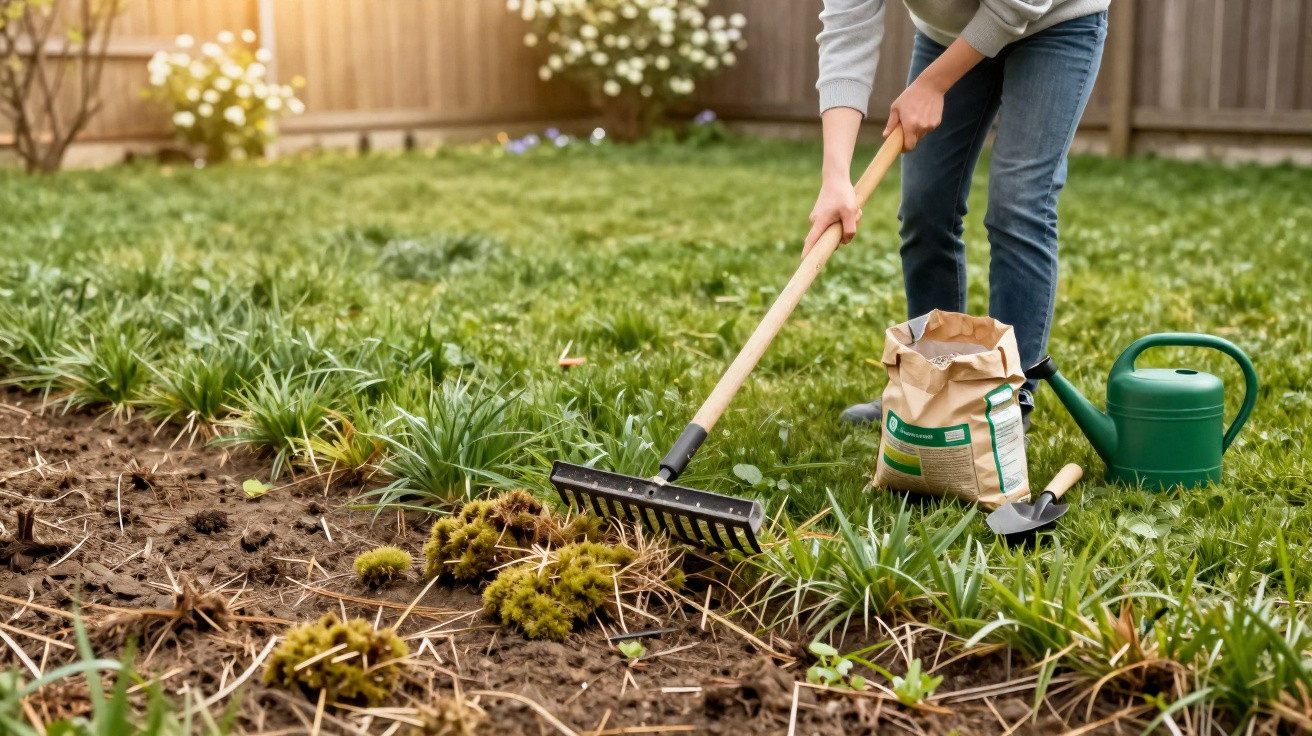
- Clear the bed: Remove weeds, leftover roots, stones, and coarse plant debris.
- Loosen the soil: Use a spade or fork to work down 20–30 cm so roots have air and room.
- Work in humus: Incorporate well-rotted compost or an organic berry fertiliser, ideally with a higher potassium and phosphorus content.
Strawberries dislike sitting in water, so free-draining ground is essential. Heavy clay soils can be improved with sand and plenty of compost. If the area stays very wet, it’s better to form a slightly raised bed.
Perfect planting technique for strong plants
Once the ground is ready, it’s time to plant. Small mistakes at this stage often show up later as weak growth or rot.
Spacing, depth, water - what matters most
- Use only healthy plants: Look for strong green leaves, a well-formed root system, and no brown spots or mould.
- Keep proper spacing: Leave around 30 cm between plants and 40–50 cm between rows. This improves airflow and reduces fungal issues.
- Plant at the correct depth: The crown (the junction between roots and leaves) must sit exactly at soil level. Too deep increases the risk of rot; too high leads to drying out.
- Water in well: After planting, give a thorough watering so the soil settles closely around the roots.
"The most important check after planting: is the crown really sitting at soil level?"
First-year care: keeping plants in top condition
After planting, the real work begins. Everbearing varieties are heavy performers, so they generally need slightly more consistent care than traditional strawberries.
Mulch, water, nutrients
- Mulching: A layer of straw, dried grass clippings, wood chips, or leaves around the plants helps retain moisture, suppresses weeds, and stops fruit resting on bare soil.
- Water evenly: Strawberries prefer consistent moisture, but not ‘wet feet’. Water in the morning, directing it to the roots.
- Top-up feeding: After the first major cropping phase, apply a potassium-rich berry fertiliser so plants can set more flowers and fruit.
- Remove runners: Everbearing strawberries produce runners. If your priority is lots of fruit rather than new plants, cut them off regularly.
Many gardeners keep only a few particularly vigorous runners to raise free new plants. Everything else goes straight onto the compost.
Healthy plants: keep an eye on diseases and pests
Strawberries are targeted by a range of fungal problems and insects. Regular checks help you catch issues early.
Common problems in the strawberry bed
| Problem | How to recognise it | Measures |
|---|---|---|
| Powdery mildew | Whitish coating on leaves, leaf edges curling | Thin out foliage, keep the bed airy, if needed use sulphur products or home remedies such as diluted milk |
| Grey mould | Grey, furry growth on fruit, especially in wet conditions | Use mulch, don’t let fruit sit in damp, remove affected parts |
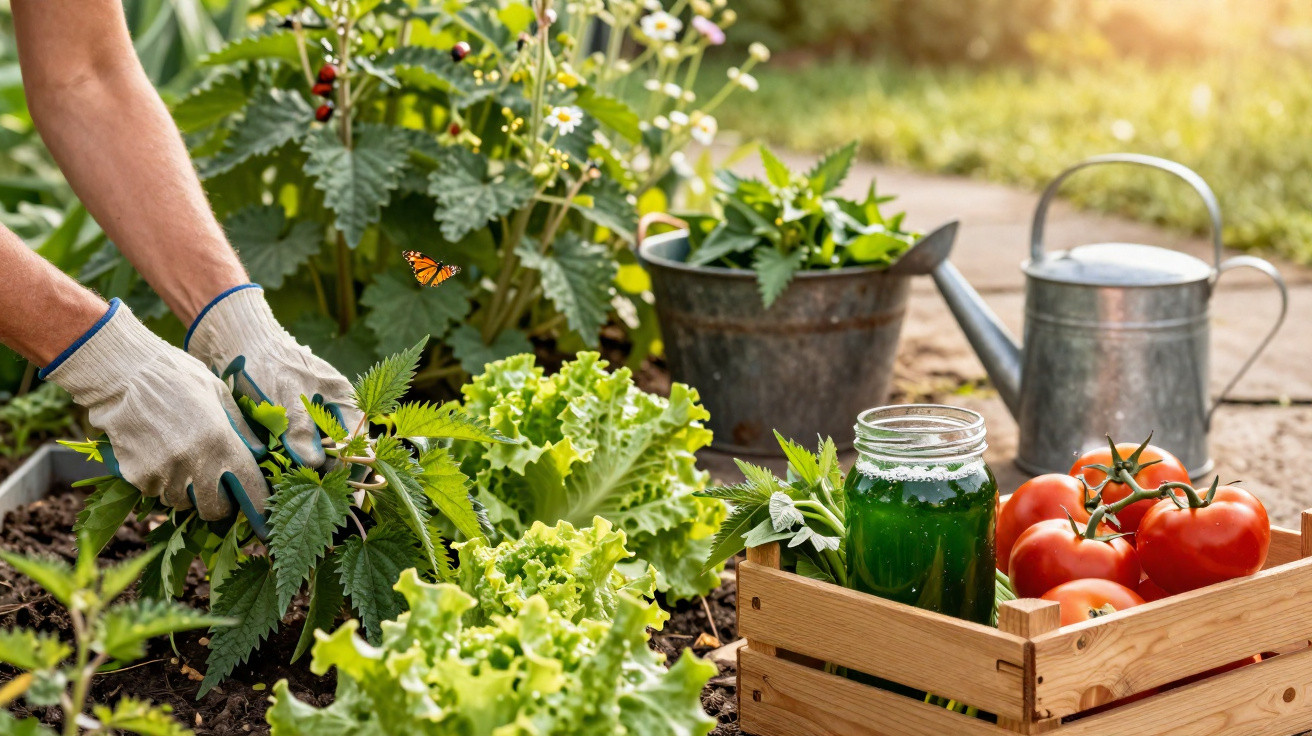
| Aphids | Distorted young leaves, sticky residue | Blast off with water, encourage beneficials such as ladybirds, spray with nettle liquid feed |
| Slugs | Chewed fruit and leaves, slime trails | Slug fences, hand-picking, use beer traps with caution |
If you avoid chemical treatments, be strict about bed hygiene: don’t leave rotten fruit behind, remove fallen leaves, and renew mulch regularly.
Strawberries in pots and on the balcony
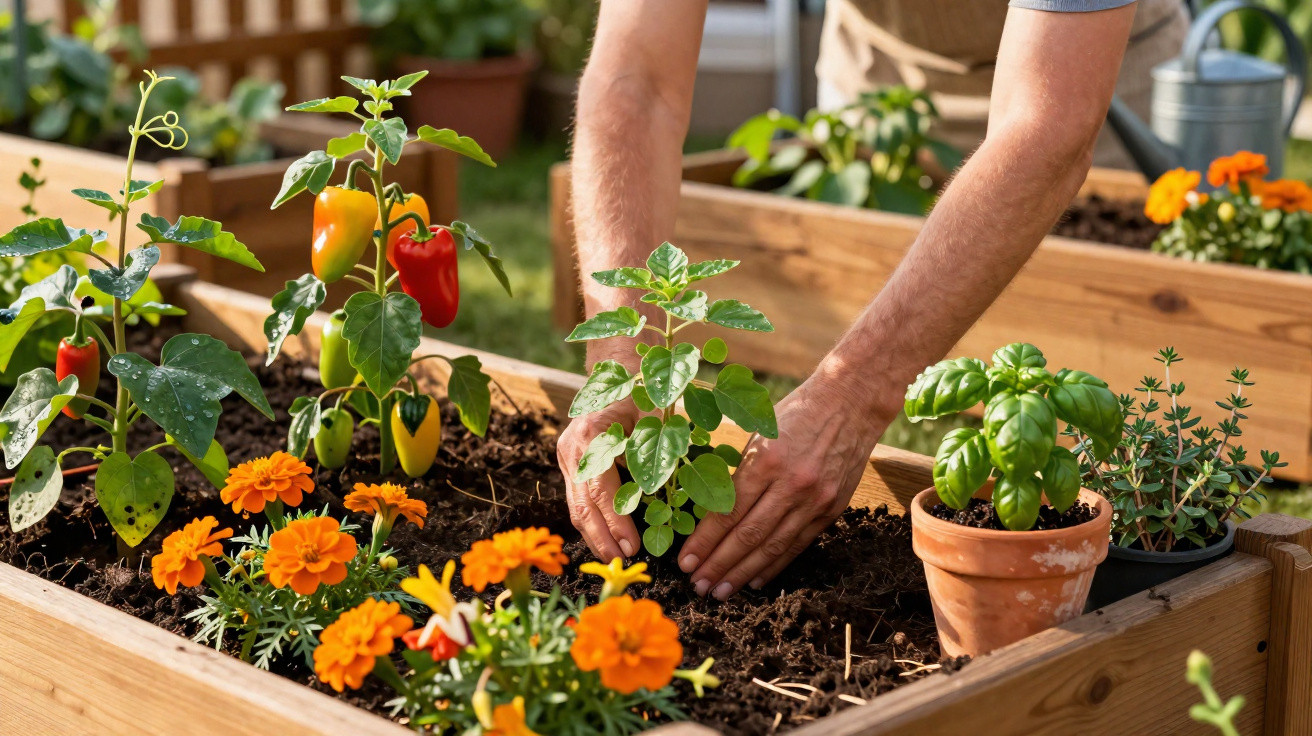
Everbearing strawberries aren’t just for traditional beds. Many varieties also do well in large containers or raised beds - and can crop for just as long.
- Allow a pot size of at least 5 litres per plant
- Use loose, humus-rich compost with a good drainage layer
- Avoid placing pots in intense midday sun; a little partial shade can help
- In containers, water more often and feed moderately, because nutrients wash out faster
Trailing varieties and ornamental types with coloured flowers look excellent in hanging baskets - and can still deliver a surprisingly generous harvest.
How long is a strawberry bed really worth keeping?
Strawberry plants don’t stay equally productive forever. Most gardeners replace a bed after three to four years. Everbearing varieties can run out of steam a little sooner, because they’re producing continuously for months.
A practical method is to start a new small bed - or add a few extra plants - each year. That way the strawberry area gradually shifts around the garden, the stock renews itself, and fungal diseases are less able to build up in the same spot for years.
Practical extras for an extra-long berry season
If you want to pick berries for months on end, it helps to combine different crops. A sensible stagger might look like this:
- early-cropping, single-harvest strawberry varieties for May/June
- everbearing strawberries for June through to autumn
- summer and autumn raspberries as a back-up when strawberries pause briefly
With a fleece cover in spring, the season can begin a few weeks earlier; in autumn, a polytunnel protects against early frosts and extends picking noticeably again. This way, even a modest bed can become a remarkably reliable snacking corner that supplies fresh strawberries from June to October.
Comments
No comments yet. Be the first to comment!
Leave a Comment