
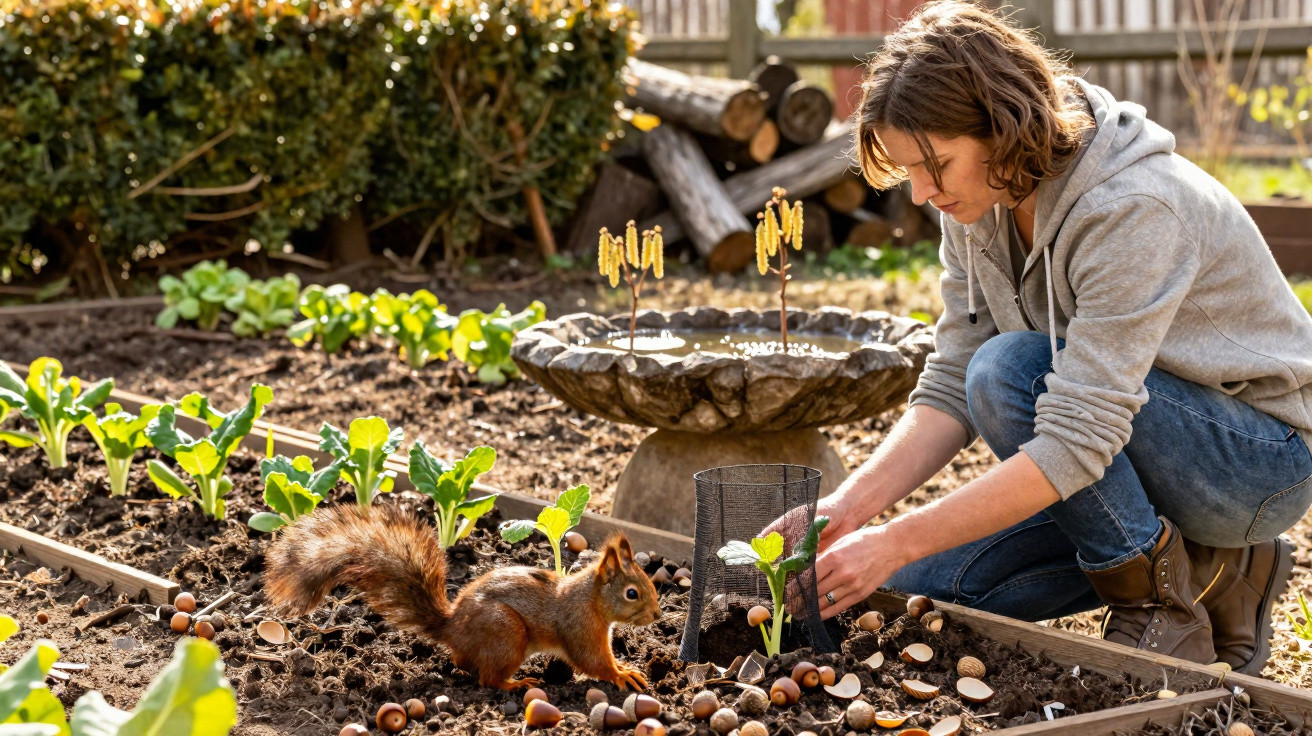
Whoever attracts them cleverly can even protect their vegetables.
Many amateur gardeners initially see squirrels as little raiders that churn up beds and pilfer stores. Look a bit closer, though, and it becomes clear: these quick climbers can make a huge contribution to a lively, healthy garden-provided you give them the right areas and secure your beds with intent.
From supposed pest to ally in the vegetable garden
How squirrels’ digging improves the soil
Squirrels are constantly burying nuts and seeds. They create lots of small caches-and then forget some of them. It’s precisely those overlooked nuts that later grow into new trees and shrubs, which in the long run provide shade, food and habitat.
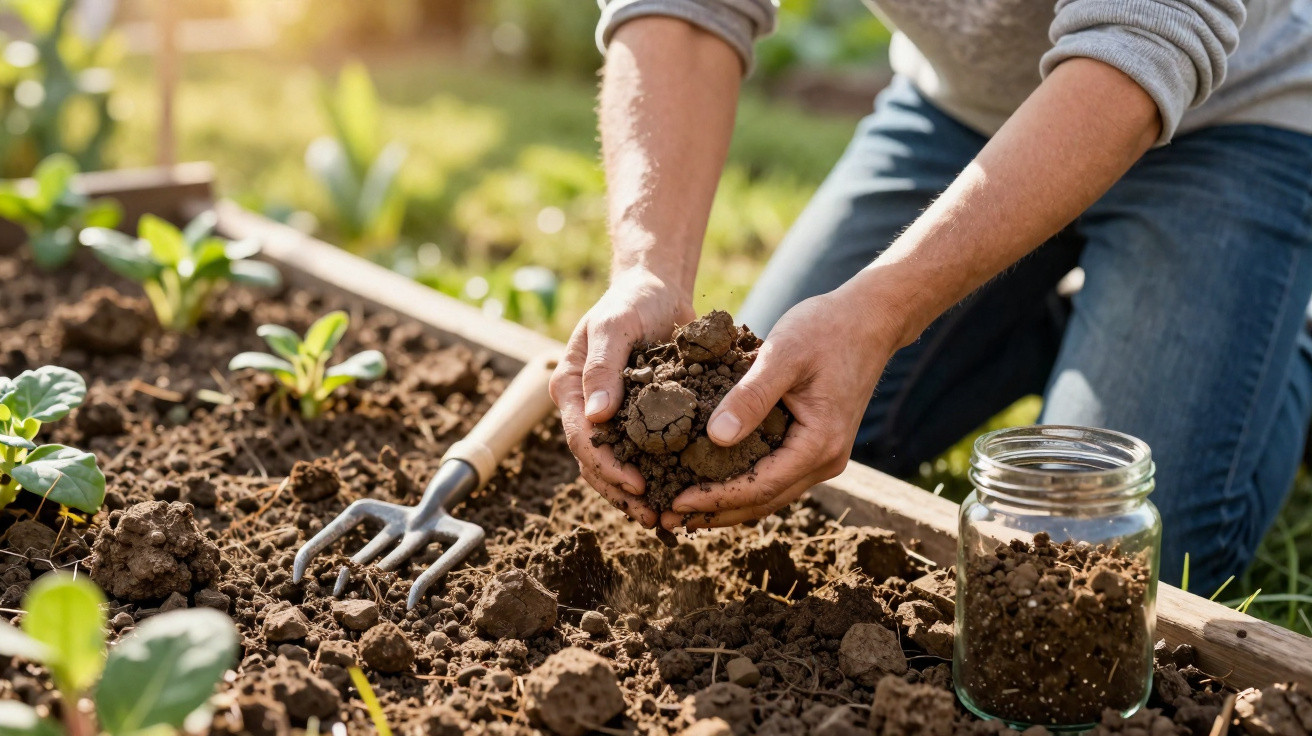
As they dig, the animals loosen the ground substantially. Soil that gets regularly “worked over” stays airy and crumbly. Oxygen penetrates more easily, rainwater drains away faster, and earthworms and micro-organisms multiply. The result is a living top layer in which vegetables and ornamental plants grow more robustly-without any chemicals.
"Where squirrels dig, they work like tiny rotavators-just quieter and free."
Anyone with a garden where the ground compacts quickly benefits in particular: the animals’ activity prevents a hard crust forming and encourages humus build-up. You notice this later in stronger growth, better water uptake and less waterlogging.
Why spring is the best time for a fresh start
Around mid-March, wildlife becomes noticeably more active. The days lengthen, temperatures soften, and many species start looking for new territories, food and safe places to retreat. That is exactly when it pays to reshape your garden so it appeals to squirrels-while also protecting your vegetables.
If you set up water points, food trees and refuge zones during this period, you give the animals consistent places to visit. By the time the gardening season properly gets going, the rodents have established their routes-ideally past your lettuce, carrots and delicate young plants.
Using water and food plants to steer squirrels on purpose
A safe water source as an irresistible draw
Open water is missing from many gardens. That’s an opportunity: a shallow bowl or a small, not-too-deep mini-pond is enough to attract squirrels and other animals on a regular basis.
- Use a wide, shallow bowl or a mini-basin.
- Position it raised up or in a clearly visible spot to make cat attacks harder.
- Change the water often, especially on warm days.
These watering spots quickly become a fixed stop on the animals’ daily circuit. If you place them deliberately at some distance from the vegetable bed, you pull attention away from the most vulnerable areas.
The right trees: plenty of nuts instead of raids on the bed
If you want to keep squirrels around long-term, you need a reliable food supply. The best tactic is to plant small trees and shrubs that produce lots of nuts or seeds. That way, the animals satisfy their hunger where they won’t cause damage.
Particularly suitable are:
- hazel
- oak
- walnut
- sweet chestnut
- beech
On small urban plots there’s often no room for large trees. In that case, tough shrubs or small feeding stations can help. These can be stocked with unsalted sunflower seeds, nuts or acorns. This sets the animals’ “table” well away from your vegetables, without pampering them or making them dependent.
"Planting nut trees and hazel bushes moves squirrels’ hunger over there-away from the lettuce bed."
A wild corner as a refuge-not a sign of laziness
Why a dense, imperfect hedge works better
Neatly clipped hedges look tidy, but they offer very little protection. For squirrels, a loosely grown, dense hedge is far more appealing. It provides cover from birds of prey and cats, short escape routes and nesting opportunities.
If you use the shears less often and simply let individual shoots grow, you create a green corridor around the property. Combined with a nest box placed about four to six metres high, this becomes an ideal “apartment block” for squirrels-well away from the vegetable garden.
Log piles and dead wood as valuable shelter
In spring, many people clear away every dead plant and every fallen branch. From nature’s perspective, that’s wasted potential. A pile of branches, twigs and a bit of dead wood adds structure to the garden and attracts insects, birds and small mammals.
These “messy corners” serve as hiding places when danger appears and as starting points for new food chains. Squirrels in particular use wood stacks and old logs as a safe route across the ground. If you deliberately leave part of the garden a little wilder, you strengthen the entire ecosystem-and spread the animals’ attention instead of concentrating it on the vegetable bed.
Protecting vegetables while still living peacefully with squirrels
Shielding young plants in a targeted way
Fresh seedlings and young plants are especially vulnerable. A few curious paws can be enough to disrupt rows of radishes or lettuce. Transparent cloches provide effective protection here.
They let light and warmth reach the plant, but keep out claws and teeth. These covers are available in rigid plastic or as reusable plastic-sheet structures. They are particularly useful for:
- young lettuce plants
- cabbage and broccoli
- herb pots in a raised bed
- young root vegetables such as carrots or beetroot
Nets over berries-sharing is fine, losing the whole crop is not
When summer fruits ripen, they sit high on many animals’ menus. Raspberries, strawberries and redcurrants attract squirrels too. If you take precautions here, you avoid frustrating moments at harvest time.
Fine-mesh nets, laid loosely over shrubs or beds, create a simple barrier. The key is fixing them so no animal can become tangled. Wire or wooden hoops, with the net stretched over them, are ideal. Leave a little space at the sides so insects can still fly in and out.
"The trick isn’t to exclude animals completely, but to limit their access intelligently."
When everything fits: balance in the garden’s mini ecosystem
If you position water sources, nut trees, hedges and “wild corners” thoughtfully, a stable system develops. Squirrels find enough food in trees and shrubs, drink regularly, use log piles and nest boxes as refuges-and have little reason to look for alternatives in the vegetable bed.
If you also use cloches and nets, you give your plants a kind of safety belt. The harvest remains largely intact, while the animals still have their place in the garden. Pesticides or harsh deterrents become unnecessary because the system regulates itself.
Practical tips for day-to-day life in the garden
What garden owners should keep in mind
Even if you like these rodents, it’s worth staying alert. If individual animals become pushy-for example, repeatedly emptying window boxes-small, targeted adjustments can help:
- move the feeding station a bit further away from the house
- secure window boxes with sturdier brackets
- provide climbing aids such as poles or ropes that lead away from the balcony
The important thing is not to feed them like pets. Creating natural offerings and only topping up occasionally is enough. That way they remain wary and independent.
Keeping an eye on risks and benefits
Squirrels can occasionally get into lofts or gnaw cables if there are access gaps. Sealing roof openings and securing ventilation slits takes that option off the table. In return, the animals do a lot: they spread seeds, loosen the soil, and bring movement and life into the garden.
For children, the garden becomes more exciting when a red blur suddenly darts along the fence. Many families report that they tend their beds more carefully once they start observing more wildlife. What began as a “squirrel problem” becomes a reason to make the garden more nature-friendly and more intelligently designed.
Comments
No comments yet. Be the first to comment!
Leave a Comment