
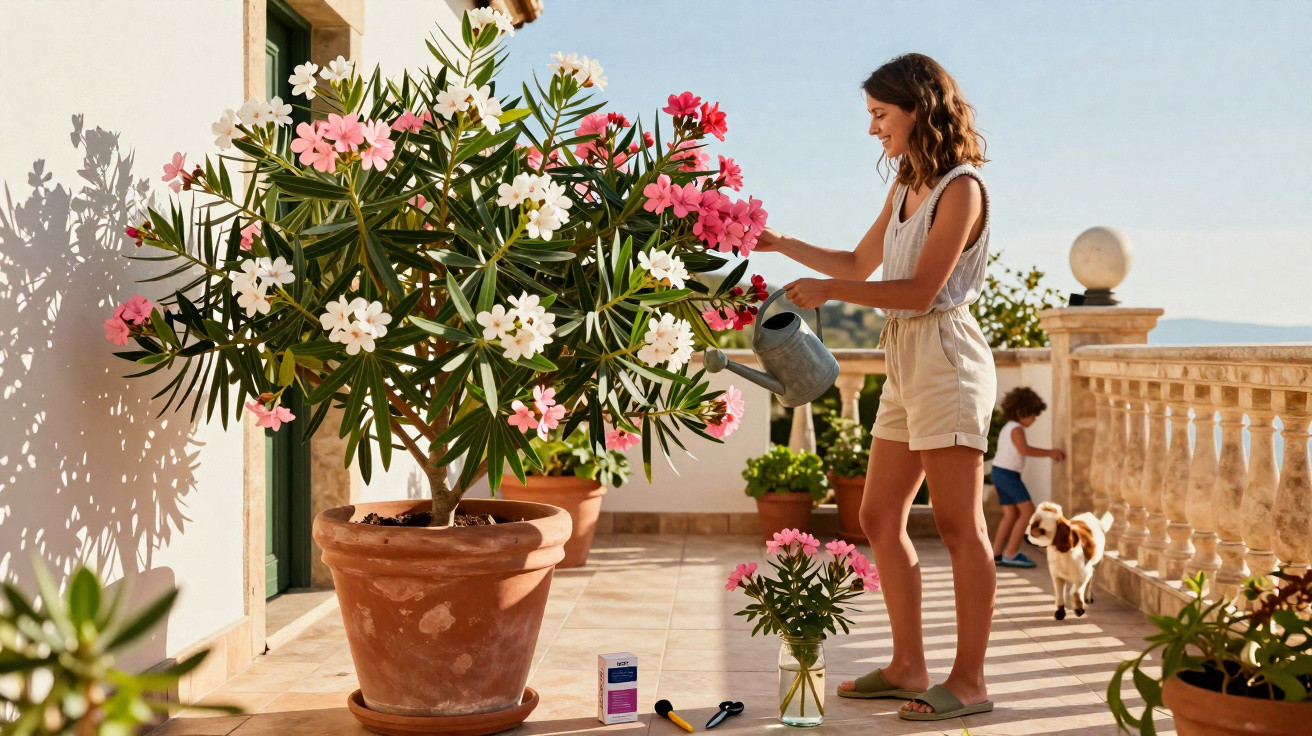
Oleander conjures up summer, the south and the sea - which is exactly why it’s showing up more and more in gardens and on balconies across Germany. When the display of flowers fails to match expectations, the problem is almost never the plant itself, but a handful of key care mistakes. If you follow one simple basic rule and fine-tune a few details, you can turn the shrub into a genuine wall of blooms.
Where oleander comes from - and what it really needs
Oleander’s botanical name is Nerium oleander. In the wild it grows mainly in Mediterranean regions and parts of South Asia. There you’ll often see it along streams, in dry riverbeds and in sparse, stony soils.
That background explains its behaviour very clearly: lots of sun, no waterlogging, and nutrients in moderation rather than excess. Treat it like a shade-loving houseplant in a pot and you’re unlikely to get abundant flowers.
"Oleander isn’t a delicate diva - it’s tough, as long as location, water and nutrients work together."
People have valued this plant since antiquity for two reasons: it’s resilient, and it looks spectacular when it’s happy. For the garden, that leads to a straightforward takeaway: recreate Mediterranean conditions - as well as you can in a Central European climate.
The one golden rule for a full display of flowers
The core rule for oleander is: maximum sun, generous watering, excellent drainage - paired with moderate feeding.
It sounds straightforward, but it’s often broken in everyday care. Either the container is kept too shady, the saucer is permanently full of water, or the shrub quietly starves.
The perfect spot: light is the most important factor
Oleander thrives on light. Ideally, it gets:
- at least six hours of direct sun per day
- a warm, sheltered position by a house wall or on a patio
- no permanent shade from trees, awnings or balcony railings
In partial shade the shrub will still grow, but it forms far fewer buds. If you only have a balcony with shifting light, place the pot in the sunniest spot - even if it becomes extremely hot there in midsummer.
Water: water generously, but never let it sit in water
In its natural habitat, oleander can access moisture below the surface even when the top layer looks dry. In a pot that translates to: it needs plenty of water, but it cannot tolerate a constant puddle in the saucer.
A practical summer rule:
- on hot days, water thoroughly every day
- pour away any water in the saucer after 20–30 minutes
- during heatwaves, check briefly morning and evening to make sure the root ball isn’t drying out
In garden beds, free-draining soil ensures surplus water can soak away. In heavy clay soils, many hobby gardeners mix in sand and grit to prevent waterlogging.
Feeding trick: geranium fertiliser as a flowering boost
A useful tip from practice is that a liquid feed intended for geraniums also works exceptionally well for oleander. These products are designed for heavy flowering and provide a balanced nutrient mix.
How to use it sensibly:
- feed only during the growth and flowering period, roughly from April to August
- mix a small amount into the watering can every two weeks (follow the manufacturer’s instructions, but stay towards the lower end)
- don’t feed onto completely dry compost, otherwise root damage can occur
"Used moderately and regularly, geranium fertiliser can noticeably stimulate bud formation - too much feed tends to produce foliage rather than flowers."
Pruning, wind protection and winter rest
Pruning: timing makes the difference
The best time for a more substantial prune is at the end of winter, before new growth begins. The aim is a dense, well-shaped shrub with plenty of young shoots - those are what later carry the flowers.
This is how many gardeners approach it:
- shorten woody, overly long shoots by a third to a half
- remove inward-growing and crossing branches
- in summer, pinch off faded flower clusters regularly so fresh buds can follow
Wear gloves when pruning, as the sap is poisonous and can cause skin irritation.
Protection from wind and frost
Strong winds can easily snap soft shoots and tear off entire flower trusses. A position near a wall, hedge or balcony screening offers good protection. Container plants can be loosely tied together with a strap so branches don’t splay and break.
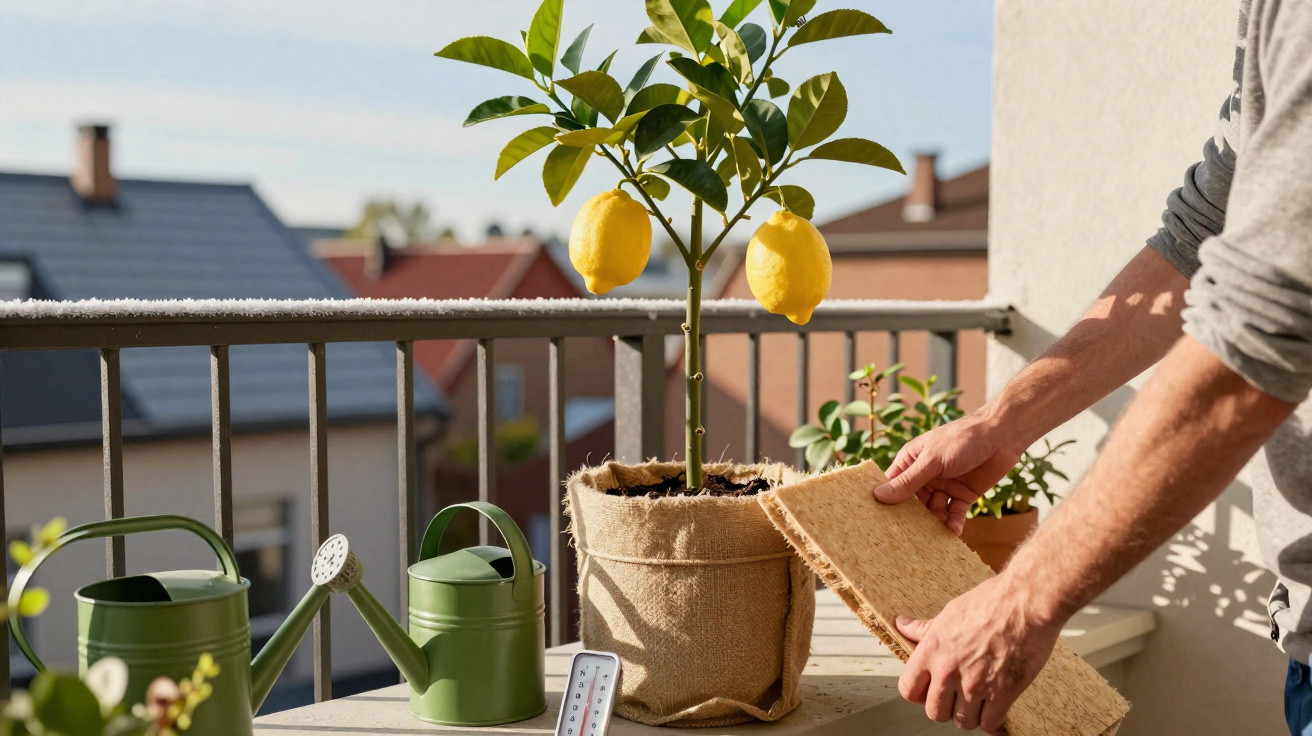
Oleander is not very frost-hardy. In mild areas, a well-established shrub planted in the ground may tolerate slight sub-zero temperatures, but container plants are more sensitive. In prolonged frost, it’s better to move them into a bright, cool winter location.
For winter care, the rule is: water far less. Let the surface dry before watering again. Cold, overly wet roots encourage fungal problems.
Propagating oleander yourself: how to succeed with cuttings
If you’ve spotted a particularly attractive variety in your own garden or at a friend’s, you can propagate it quite easily from cuttings. Summer is ideal, when the plant is growing strongly.
Step-by-step guide for cuttings
- Choose a shoot: Select a healthy, non-flowering shoot and cut a piece around 15 centimetres long.
- Remove leaves: Carefully strip off the lower leaves, leaving only a few at the top.
- Prepare the base: Dip the cut end in rooting powder to improve the chance of strong roots.
- Mix the compost: Prepare a loose mix of sand and potting compost; the sand helps water drain freely.
- Insert and water: Push the cutting a few centimetres into the mix, firm it in and water lightly.
Place the pots somewhere bright and warm, but out of harsh midday sun. High humidity helps rooting. Many hobby gardeners put the pots in a transparent box or cover them with clear film, ensuring there is still a little air exchange.
"After about two months, enough roots have usually formed for the young plants to move into larger pots."
Common mistakes - and how to avoid them
If you stick to the golden basic rule, you’ll already be most of the way there. Even so, a few typical day-to-day missteps can noticeably reduce flowering.
| Problem | Possible cause | Solution |
|---|---|---|
| Lots of leaves, hardly any flowers | too little sun, too much nitrogen | move to a sunnier position, reduce the amount of feed |
| Yellow leaves, mushy roots | waterlogging in pot or soil | improve drainage, empty the saucer |
| Curled leaves, sticky shoots | aphids or other sap-sucking pests | treat promptly with a soapy solution or a suitable product |
| Buds drop before opening | drought stress or sudden temperature swings | water more evenly, avoid draughty positions |
What to know about toxicity, children and pets
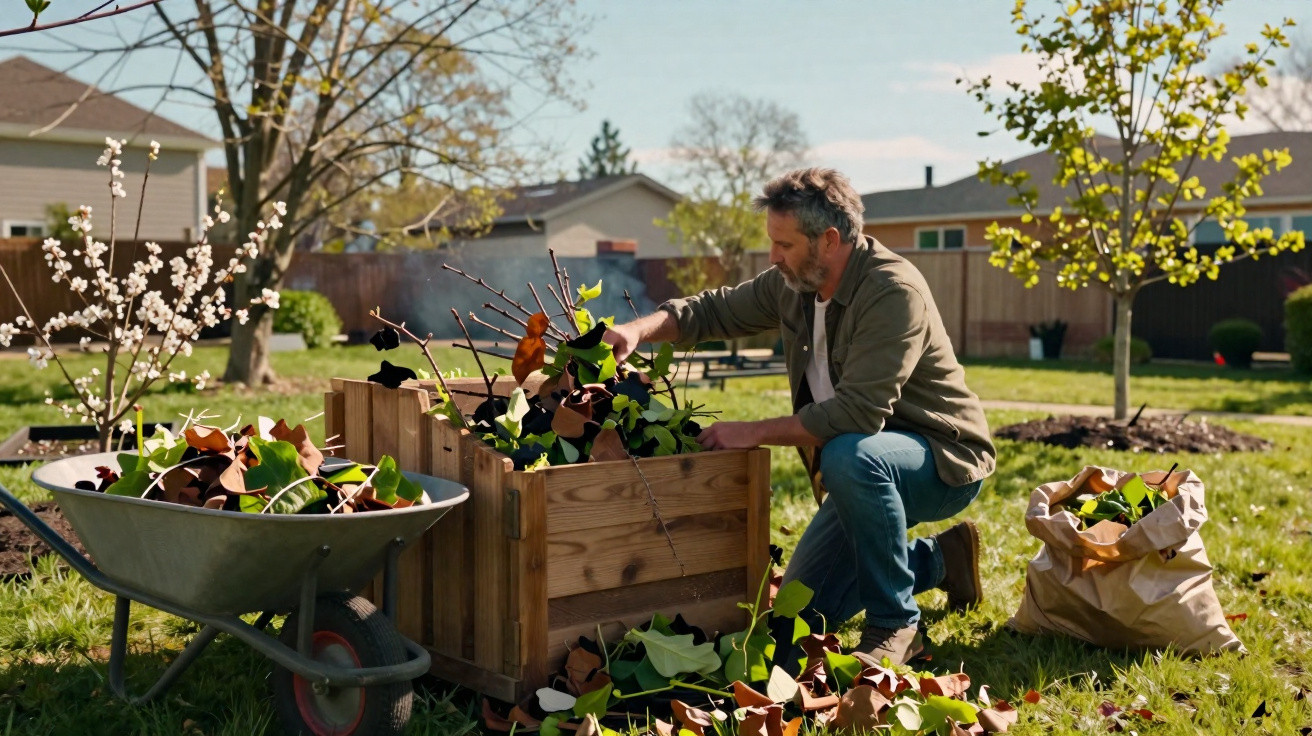
All parts of oleander are considered poisonous. If you have children or pets, position the shrub so nobody can reach leaves or flowers unsupervised. Prunings should not go on the compost heap; dispose of them with residual waste.
When repotting or pruning, gloves are a sensible precaution, and the sap should not come into contact with eyes or mouth. For responsible gardeners, this is simply part of planning.
Combining oleander cleverly and caring for it long term
On patios and balconies, oleander looks especially striking when paired with other sun-lovers. Popular choices include lavender, Mediterranean herbs or low-growing grasses. They tolerate similar conditions and reinforce the southern feel.
If you want to keep your shrub for many years, repot in good time. At the latest when roots appear from the bottom of the pot or watering runs straight out at the sides, it needs a larger container. Adding a mineral component to the compost - such as pumice, broken expanded clay or sand - helps keep the root ball airy.
If you keep to the golden rule of sun, generous but well-drained watering, and carefully matched feeding, you’ll be rewarded in the warm season with flowers that feel like a reminder of your last southern holiday - without needing a plane ticket.
Comments
No comments yet. Be the first to comment!
Leave a Comment