
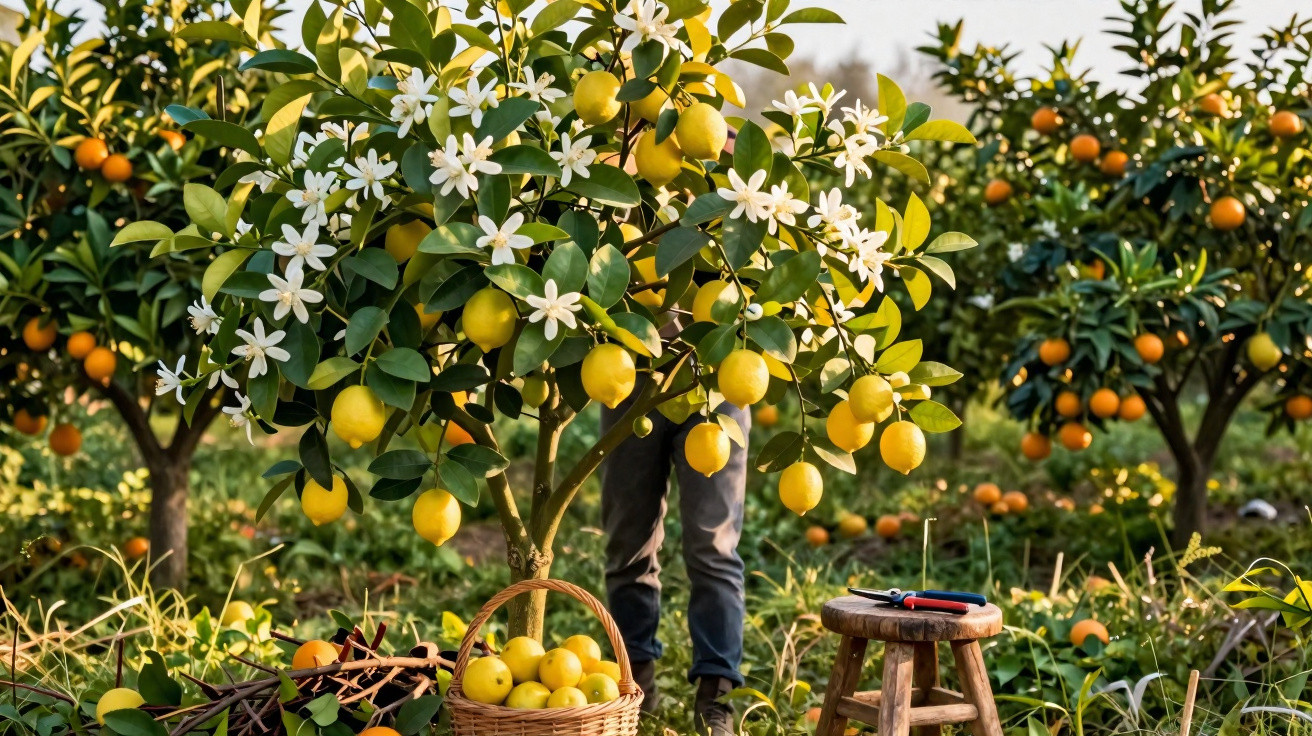
Anyone growing a lemon tree, orange, mandarin or grapefruit-whether in the garden or in a container-can significantly increase their crop with just a handful of well-placed cuts. The best moment is right now, at the end of winter, just before the plants begin to push into strong new growth. Leave it too late or prune randomly, and you may end up with fewer blossoms, more disease and poor fruit set.
Why pruning before spring makes such a difference
Citrus plants do not enter a deep winter dormancy like apple or pear. Growth slows during winter, but the plant remains active-making this window ideal for pruning without throwing its natural rhythm off balance.
"If you shape your citrus trees at the end of winter, you channel the plant’s energy into flowers and fruit rather than unruly leafy growth."
As temperatures rise, sap flow increases, buds swell and fresh shoots start. If you carry out a hard prune at that stage, you often remove the very shoots that would have produced the flowers. The result is lots of greenery, but a disappointing harvest.
How pruning and yield are directly linked
Citrus plants produce fruit mainly on shoots that grew the previous year. Smart thinning in late winter prepares the plant for the season ahead without stripping away the main flower-bearing wood.
A well-pruned tree will have:
- more light reaching the inner canopy
- improved air circulation
- a more even distribution of fruit
- less fungal pressure
- sturdier branches able to carry the weight of the crop
Fruit tends to ripen more evenly, develop deeper colour and often a fuller flavour. Sun-exposed areas can produce sweeter oranges, more intensely scented lemons and fewer misshapen fruits.
Keeping diseases and pests under control
A dense, tangled canopy is an ideal environment for fungi and pests. Common issues on citrus include:
- black sooty mould on leaves (fumagine)
- gummosis (gum oozing from the bark)
- various viral diseases that slow growth
- aphids and scale insects, which hide in crowded branching
Pruning on time doesn’t just remove already damaged shoots-it also takes away entire hiding places. With more airflow and light, foliage dries faster after rain or watering, giving fungal diseases far fewer opportunities.
"Every diseased branch you remove is one less potential source of infection-and a boost in safety for the entire plant."
When making heavier cuts on thicker branches, a wound sealant can be worthwhile-especially in regions with high humidity. It helps cuts close over more quickly and reduces susceptibility to fungal spores.
Step by step: how to prune your citrus plants correctly
Before you pick up the secateurs, take a quick look over the whole plant. A few minutes of careful observation can prevent many problems later.
1. Look closely at the tree
Imagine the tree without its leaves. The aim is an open, well-structured canopy. Pay particular attention to:
- dead or completely dry twigs
- branches with spots, cracks or signs of gum
- shoots growing inwards and thickening the centre of the crown
- branches that rub against each other
Anything clearly diseased, dead or in the way should go on your pruning list.
2. Use the right tools
Blunt tools crush wood and make it easier for pathogens to enter. You will need:
- sharp secateurs for thin shoots
- loppers or a small saw for thicker branches
- disinfectant (for example alcohol) to clean blades after cutting diseased wood
With container-grown plants, this care matters even more because the restricted root space leaves less room for error.
3. Prune in this order
A simple sequence removes uncertainty:
- Remove diseased and dead branches - cut back into healthy wood.
- Take out inward-growing shoots - so light can reach the centre of the canopy.
- Deal with crossing branches - choose one to remove to prevent rubbing wounds.
- Shorten overly long shoots slightly - around one third, no more.
"Rule of thumb: remove no more than about one third of the entire crown each year-this keeps the tree vigorous."
Make each cut just above an outward-facing bud. That way, the next shoot grows outwards rather than back into the middle of the canopy.
How much is enough-and when does pruning become harmful?
Some gardeners are too cautious the first time; others prune far too aggressively. Both can hold the plant back. Heavy cutting causes stress and the plant may put its energy into emergency shoots rather than flowers.
A reliable guideline: after pruning, the tree should still clearly show its natural shape. Avoid a “scalp”-aim instead for a tidy, balanced silhouette. Thick main scaffold branches are generally left alone, as they form the framework.
| Measure | Effect on the plant |
|---|---|
| light thinning | more flowers, better ventilation |
| hard cut-back of all shoots | many emergency shoots, often weaker flowering the following year |
| trimming only the tips | shape remains, but problems inside the canopy remain as well |
Common citrus pruning mistakes-and how to avoid them
The same slip-ups appear again and again, and they’re easy to prevent:
- pruning in late spring when buds have already opened
- sawing off large branches without a clear reason
- failing to clean tools after cutting diseased growth
- cutting only the top while not thinning the canopy
Better: act early, think it through, and make a small number of deliberate cuts. If you are unsure, two moderate prunes over two years is safer than one drastic cut.
What citrus plants need after pruning
After pruning, it’s worth doing a brief care check. The root ball should not sit wet for long periods, particularly in containers. A free-draining compost with a high mineral content helps prevent waterlogging. From spring onwards, citrus benefits from a dedicated citrus fertiliser with slightly higher nitrogen and sufficient iron to help prevent leaf yellowing.
If you overwinter plants indoors or in a conservatory, acclimatise them gradually to brighter light after pruning rather than moving them straight into full sun. This reduces the risk of scorching on new leaves.
How to tell whether the pruning has worked
In the weeks following the cuts, the plant usually makes its condition obvious. A positive sign is strong, healthy new growth emerging from well-spaced buds. If flowers and new leaves fail to appear at all, the tree may have been weak beforehand-or the pruning may have been too severe.
By harvest time, the real effect becomes clear: if there are more fruits spread evenly through the canopy, and individual branches are not snapping under the weight, the pruning has done its job. Many hobby gardeners report a larger crop and better-tasting fruit after just one season.
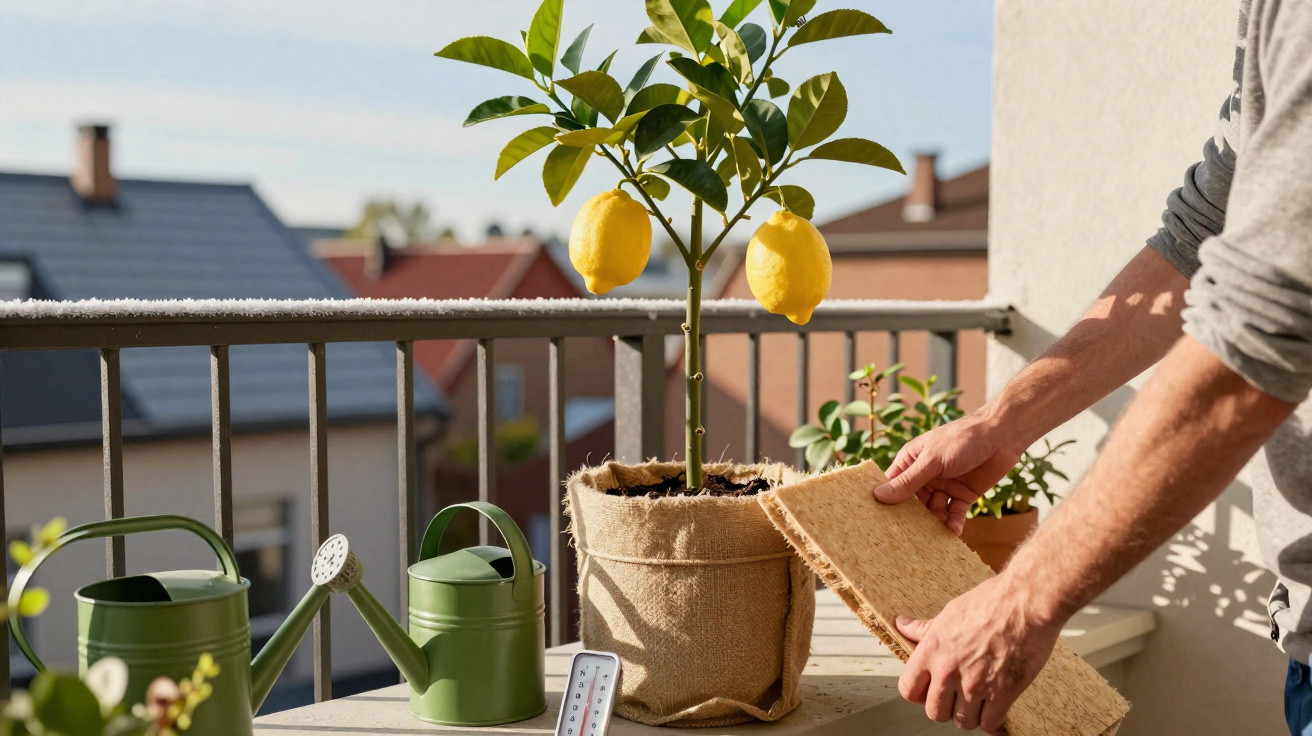
Keeping to this rhythm-a light prune at the end of winter, with moderate thinning every one to two years-can turn a lemon tree, orange or mandarin from a purely ornamental plant into a dependable supplier for your kitchen. With a few well-timed cuts, a handsome container tree can become a genuine fruit star on a balcony or terrace.





Comments
No comments yet. Be the first to comment!
Leave a Comment