
Many keen gardeners wait for the first truly warm days. Yet it’s in late winter that you set the course for whether your soil will feel like concrete in spring, or whether it will be loose, lively and full of nutrients. There’s a quiet helper that you don’t harvest at all-after a few weeks, you simply return it to the earth-and it can give your garden a noticeable lift.
Why an invisible helper saves your soil in late winter
When beds are left completely bare through winter, the things you least want as a gardener tend to happen: rain leaches nutrients, wind dries the surface, and the structure collapses. By spring, the soil is often crusted over, difficult to work, and short on readily available nitrogen.
That’s where a classic, often underestimated method comes in: green manure. You sow plants you have no intention of cropping. Their job is to protect the soil, loosen it, and stock it with nutrients-then disappear back into the ground.
Anyone who sows green manure now, in late winter, is quietly building a nutrient-rich, crumbly soil for the season ahead.
One of the most dependable choices is a variety that copes brilliantly with cool temperatures and gets going at just a few degrees above freezing: a white mustard relative, commonly sold as “white mustard seed” or “mild mustard seed”.
White mustard seed: why it takes off at 5 °C
Plants in this group start germinating from about 5 °C soil temperature. So while you may still be shivering on the patio and convinced that “nothing grows out there anyway”, the first green carpet is already forming in your bed.
That dense cover delivers several benefits at once:
- Light denial for weeds: the plant cover shades the surface, making it much harder for weed seedlings to get established.
- A shield against erosion: rain no longer pounds directly onto bare earth, and wind carries away fewer fine soil particles.
- Free root work: deep roots run through the soil, break up compaction and create fine channels-without you lifting a spade.
Within a few weeks you end up with soil that’s looser, more deeply rooted and better aerated. That’s exactly what your next crops need, whether you’re growing carrots, lettuce or tomatoes.
The right timing: why the weeks from mid-February matter
The best window is usually around mid-February. The soil is beginning to warm gradually, often holds good moisture, and is no longer fully frozen.
What to look out for:
- Slightly warmed soil: no lasting ice, no standing puddles. Cool is fine, but not ankle-deep sludge.
- Watch the weather: one or two moist weeks after sowing, without hard frosts, are ideal.
How much seed you actually need
In a home garden, small quantities go a long way. A useful rule of thumb:
- 1–2 g of seed per square metre is perfectly sufficient.
- For a 10 m² vegetable patch, 10–20 g is enough.
That’s little more than a spoonful-yet it can still change the feel and workability of the whole area.
Preparing the soil: no digging, just a light “scratch”
The pre-sowing work is minimal. You don’t need to dig and you don’t need to haul heavy kit around.
- With a rake or cultivator, lightly roughen the surface.
- Break up large clods a little; move stones and coarse debris aside.
- Loosen compacted spots once with a digging fork-without turning the soil over.
The aim is simple: the seeds need good contact with the soil, and that’s all.
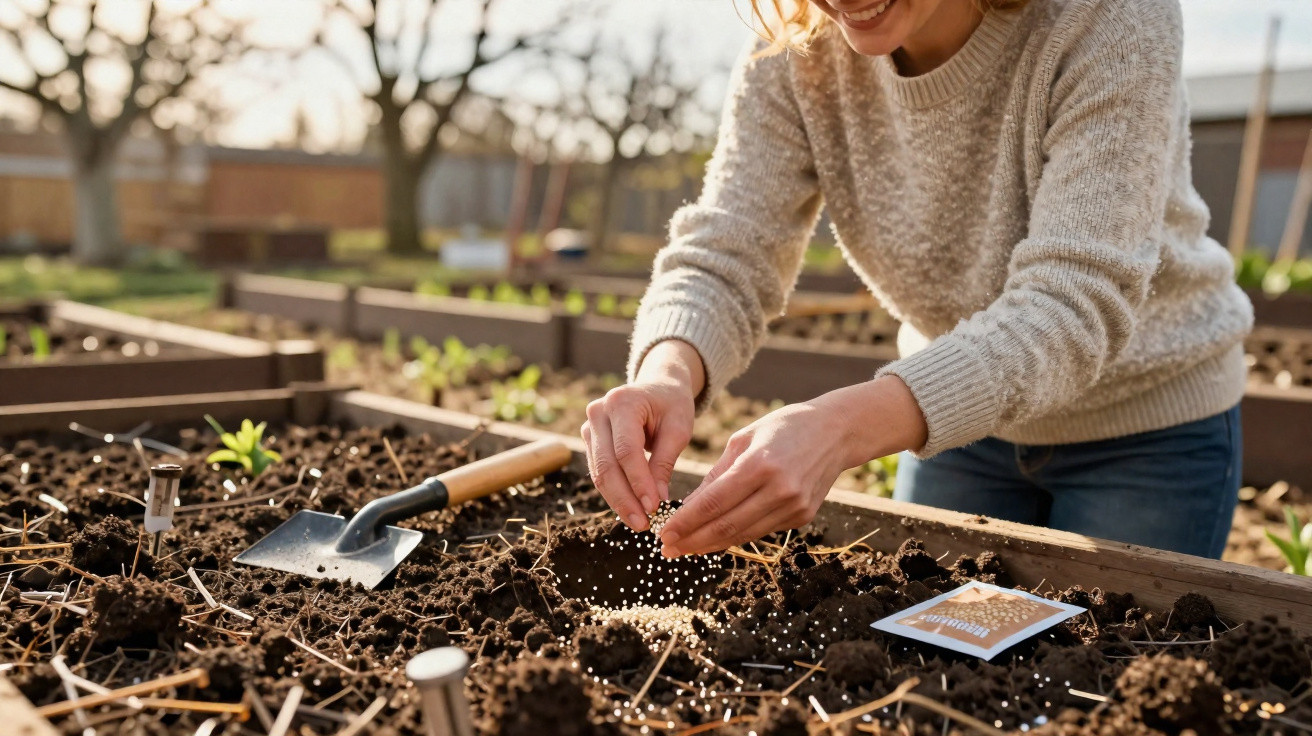
Sowing method: simply scatter by hand
For small beds, classic hand broadcasting is enough:
- Scatter the seed evenly over the area.
- Then lightly rake it in, or just draw the rake over the surface.
- Finally, firm the surface gently by treading it in or pressing with the back of the rake.
Ideally, the seed sits on the surface or at most 1–2 cm deep. That way it makes the best use of winter moisture without rotting.
What happens next: growth, cutting, and going back into the soil
After about ten days you’ll usually see the first fine lines of seedlings. If conditions stay moist, the area quickly closes into a green carpet.
The key stage starts around six weeks after sowing. By then the plants have built plenty of leafy growth and stored a lot of nutrients-especially organically bound nitrogen.
The biggest benefit for the soil comes when you cut the green manure shortly before or at the start of flowering and work it in shallowly.
- When to cut: shortly before full flowering, while the plants are still soft and juicy.
- How deep to incorporate: only 3–5 cm-so very shallow.
If you leave it too late, the stems become woody. Decomposition then takes much longer, and part of the nutrient advantage is lost.
Higher yields: what studies in vegetable growing show
Research from recent years points to a clear trend: green manuring with mustard seed ahead of the main crop increases yields by almost a fifth on average. Put into figures, around 18 percent more yield in the following crops is not unusual.
Several effects sit behind that:
- Improved soil structure: roots loosen lower layers and leave the soil finer and more crumbly.
- Nitrogen released at the right moment: as the material rots down, the bound nitrogen becomes available-just as young plants begin to grow.
- Less competition from weeds: early protection of the soil holds back weed growth significantly.
In everyday terms, that can mean stronger plants, less time spent hoeing and watering, and-ideally-fuller harvest baskets.
Important precautions for hobby gardeners
As helpful as this approach is, there are a few points to keep in mind:
- Don’t let it set seed: if the plants fully mature and shed seed, they can later establish themselves as “weeds”.
- Don’t sow into waterlogged ground: permanently wet soil makes seed more likely to rot instead of germinate.
- Incorporate residues thoroughly: either work the cut material in shallowly straight away or put it on the compost.
If you’re concerned about pests or fungal issues, incorporate or compost the cut plant mass promptly. That lowers the risk of problems for brassica-type crops afterwards.
What you can plant after green manure
After you’ve incorporated the plant matter, the soil needs a brief pause. Two to three weeks is usually enough for the residues to break down noticeably and for the bed to be ready for new crops.
Typical choices for a bed after mustard seed include:
- early potatoes
- early lettuce and spinach
- bush beans
- pumpkin and courgette
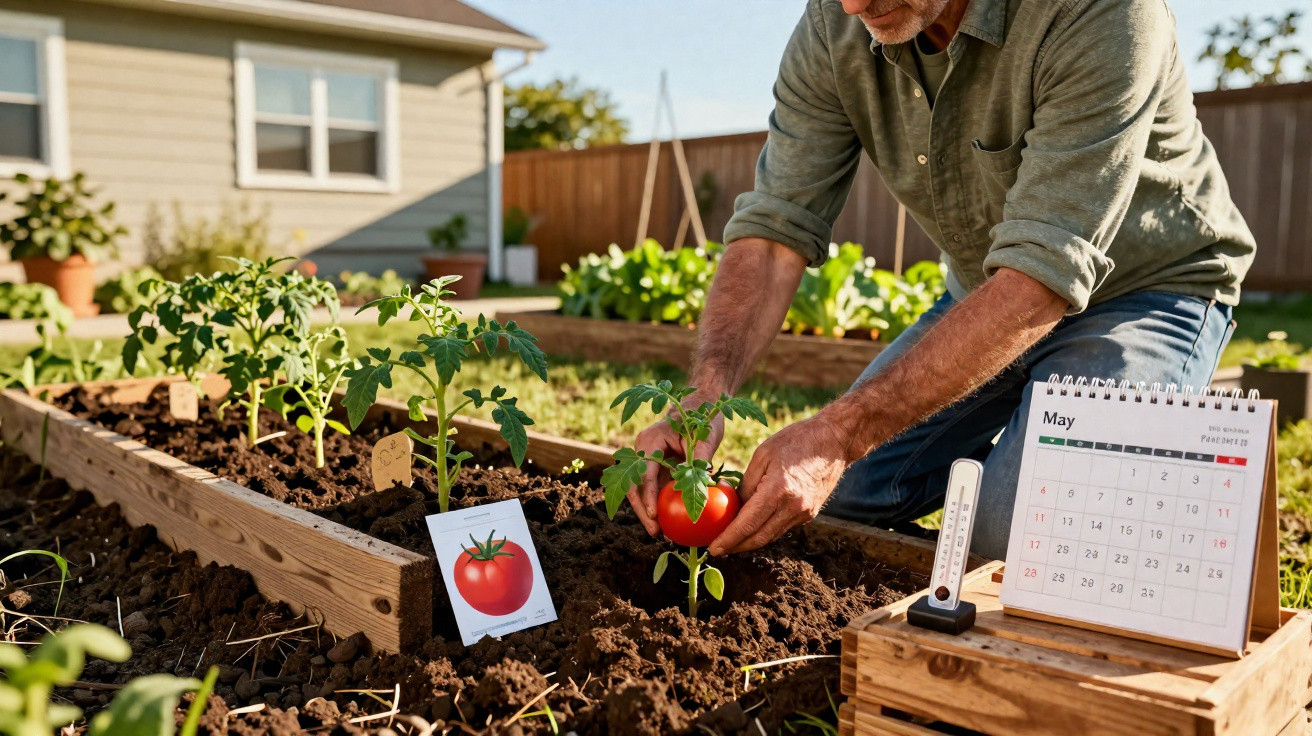
- tomatoes (depending on planting date and weather)
With crops closely related to brassicas (for example kohlrabi and broccoli), it’s worth checking your crop-rotation plan. If you grow brassicas frequently, it’s better to spread green manure across different beds.
Extra tips for beginners in the vegetable garden
For many newcomers, green manure sounds more complicated than it really is. In practice it boils down to three things: sow in good time, cut at the right moment, and return everything to the soil with a shallow incorporation.
A few practical examples make it easier to get started:
- Small city garden: a 4-m² bed behind the house can be handled with a tablespoon of seed and a simple rake-no big effort.
- Heavy clay soil: the difference shows up especially strongly here. Even one season of green manure can make spring cultivation noticeably easier.
- Family bed: children can help with scattering seed and watch the growth spurt week by week.
If you like, combine green manure with a thin layer of mulch made from leaves or grass clippings once the plants have reached a certain height. That helps the soil hold moisture for longer and encourages soil micro-organisms to get to work.
Over time, this creates a cycle in which you need to buy less fertiliser. The soil starts doing more of the work for you-you simply set things in motion early, at a point when many gardeners still aren’t thinking about their plot at all: right in the middle of a seemingly lifeless late winter.

Comments
No comments yet. Be the first to comment!
Leave a Comment