
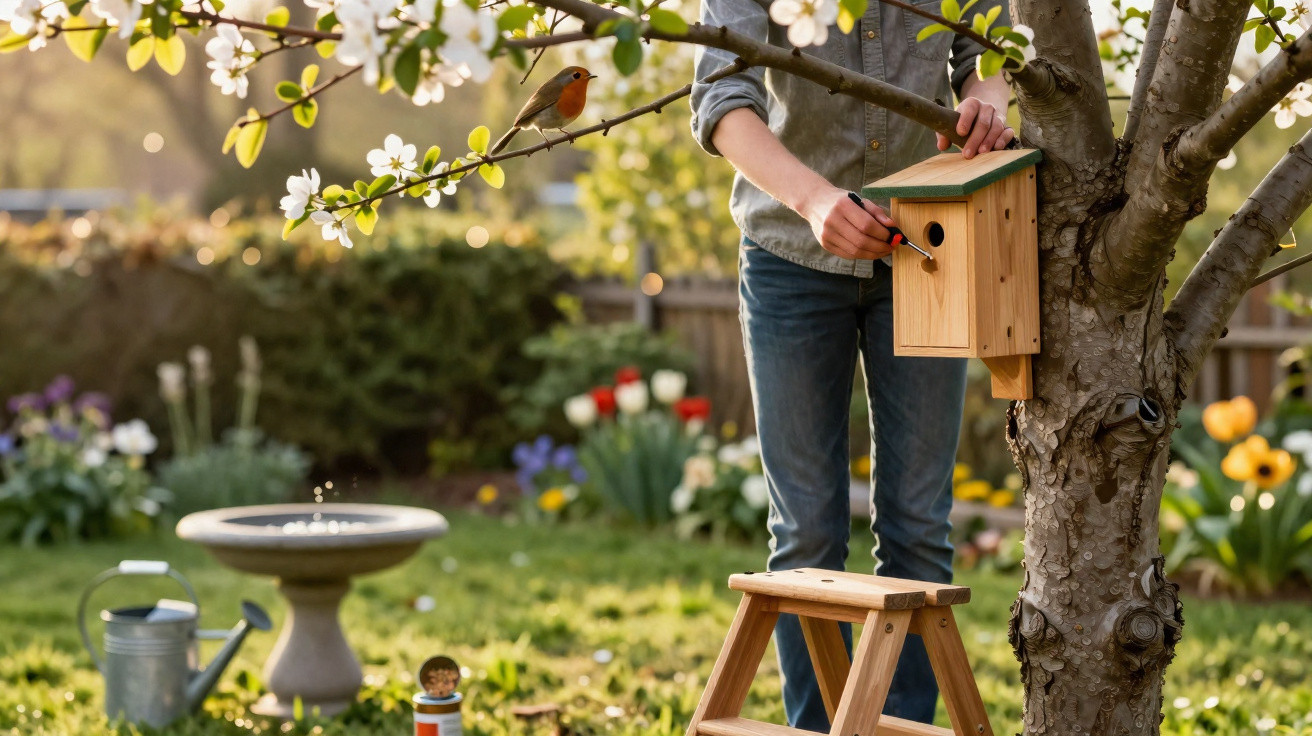
As we enjoy the first mild days of the year, blue tits, great tits, house sparrows and other familiar birds are urgently searching for safe places to breed. With renovations, smooth façades and tightly sealed roofs, the natural nooks they once relied on are disappearing more and more. A well-chosen nest box in the garden can fill that gap - and, as a bonus, brings movement, birdsong and fewer pests to your patch of green.
Why nest boxes suddenly matter so much in spring
Spring is when birds enter the most demanding period of the year: finding a partner, staking out territory, building a nest and raising chicks. To do that successfully, they need three essentials close by:
- suitable nesting holes or sheltered crevices,
- enough food, especially insects,
- protection from heat, cold and predators.
In many new-build areas and refurbished older neighbourhoods, that exact trio is being removed. Walls are insulated, barns are sealed up, old roof timbers are boxed in. Where there used to be cracks, gaps and cavities, there are now smooth, closed surfaces.
"A nest box replaces missing cracks, wall crevices and cavities and gives garden and urban birds a chance to breed again."
Bird and nature conservation groups have been warning about this for some time: typical urban species such as the house sparrow and the common swift are losing nesting sites at speed. Long-term monitoring data show clear population declines, particularly in built-up areas.
Without structure in the garden, the box stays empty
Many people put up a nest box with the best intentions - then wonder why nothing moves in for years. In many cases the issue is not the box itself, but what surrounds it. A garden made up of closely mown lawn and a few low, ground-cover shrubs can feel to birds like an empty desert.
For tits and other small birds to settle in, the garden needs:
- trees or taller shrubs for landing points and cover,
- flowering plants that attract insects,
- corners with leaves, dead wood or hedges to hide in,
- as little poison and artificial fertiliser as possible.
If you offer only lawn and gravel, you will attract very few insects - and without insects, tits cannot find the caterpillars their chicks depend on. A nest box on its own does not solve the problem; it is one component of a small ecosystem.
How modern buildings make life harder for birds
Energy-efficiency refurbishments are good for heating bills, but in many places they remove the last remaining gap birds can use. In the past, tits and sparrows found cavities in roof timbers, wall cracks or barns. Today, these openings are often sealed or blocked with mesh and insulating materials.
Species that typically lose out in this shift include:
- house sparrow,
- tit species such as the great tit and blue tit,
- swallows that nest in stables and carports,
- birds that breed under roofs or in holes in walls.
"Where façades are smooth and lofts are sealed, birds often have only artificial nest boxes left to raise their young."
Long-term counts show that many of these species decline noticeably in residential areas. That makes gardens, courtyards and balconies where people deliberately create substitute habitats all the more valuable.
The right nest box: size, shape, material
A nest box is not just a nest box. Different species need different entrance-hole sizes and internal dimensions. Put up the wrong type and you may either attract the wrong occupants - or none at all.
| Species group | Suitable entrance size | Special notes |
|---|---|---|
| Tits (e.g. great tit, blue tit, coal tit) | Ø 28–32 mm | classic hole-nesting boxes; hang in a more shaded spot |
| Sparrows | multi-compartment boxes, larger opening | often nest in small colonies; like sites close to buildings |
| Open-front nesters (e.g. robin) | open or semi-open entrance | sheltered, concealed locations; no direct sun |
Boxes made from sturdy wood or woodcrete are a good choice. Plastic copes poorly with temperature swings and offers little insulation. The front panel should be removable or hinged so the box can be cleaned.
Location: where a nest box really works best
Placement often determines whether a box is used. A few basic rules make the decision easier:
- ideally face the entrance towards the east or south-east,
- avoid strong midday sun to prevent overheating,
- mount at least 2 to 3 metres high so cats cannot reach easily,
- ensure a clear flight path, with no dense branches directly in front of the hole,
- do not place directly above heavily used patios or doorways.
"A shady, quiet spot with a clear flight path is usually more valuable than the nicest designer nest box in the wrong place."
If you install multiple boxes, keep some distance between them. Many hole-nesting species defend their territory vigorously and need space from neighbours of the same species.
Why nest boxes benefit people too
Nest boxes may look like a favour to wildlife - but in reality, garden owners gain a great deal as well. In just a few weeks, parent tits feed their young thousands of caterpillars and aphids. That cuts pest numbers without any chemicals.
There is also a psychological effect. Children and adults who watch birds closely often start seeing their garden differently. Instead of prioritising a “tidy” lawn, flowering strips, shrubs and small piles of branches suddenly seem worthwhile. Little wild corners become acceptable because you understand who depends on them.
Common mistakes when putting up a nest box - and how to avoid them
Many well-meant projects fail for small reasons. Typical pitfalls include:
- boxes hung in full sun that heat up severely,
- mounting too low, making the box easy for cats or martens to access,
- cheap models that fall apart after two winters,
- skipping cleaning so parasites build up heavily,
- constant disturbance right in front of the box.
If you are unsure, local nature conservation groups can advise you. Many also offer building plans or group orders for high-quality boxes.
How to complete the “bird package” with simple measures
A nest box is a starting point, but a garden becomes genuinely appealing when a few additional building blocks are added:
- Hedges instead of solid, privacy fences: provide cover and nesting material.
- Water point: a shallow dish of fresh water, cleaned daily.
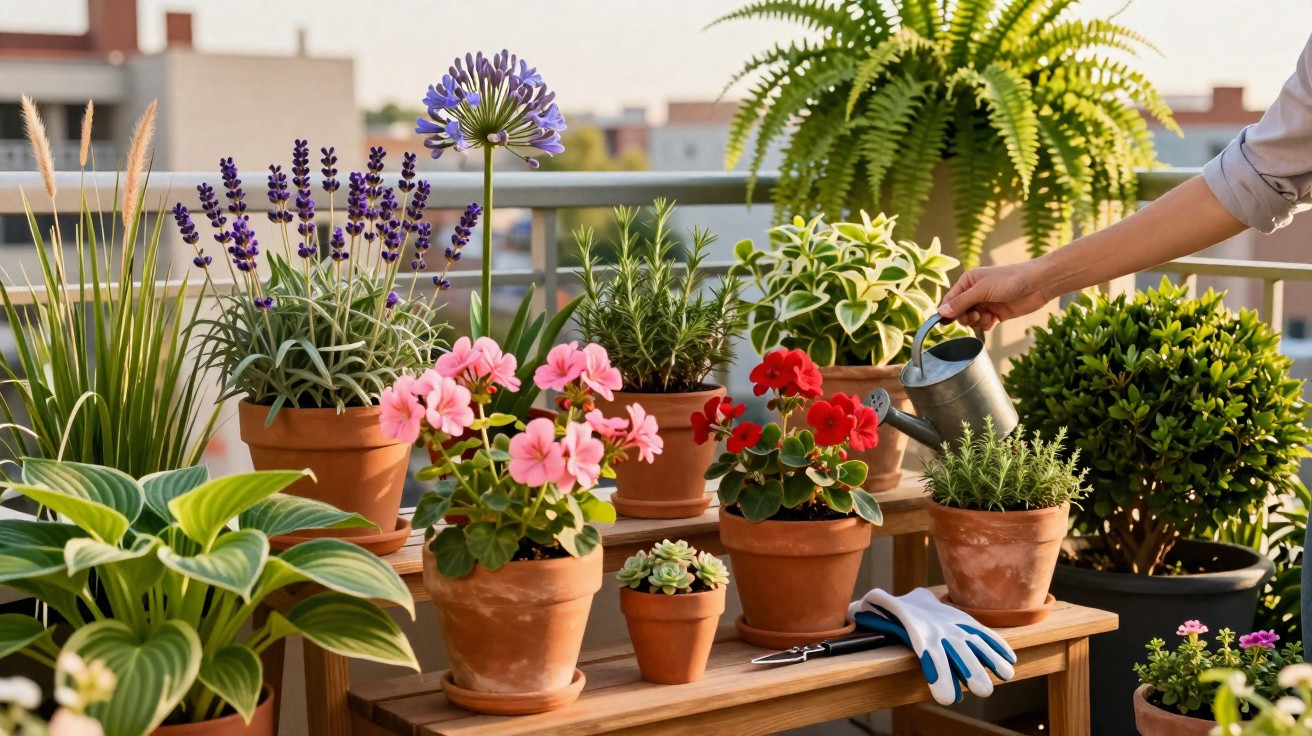
- Flowering perennials and herbs: attract insects that birds use as food.
- Leaf or dead-wood corner: habitat for beetles, spiders and larvae.
When choosing plants, native species help most because local insects are adapted to them. Exotic ornamentals may look attractive, but often provide little food for caterpillars and wild bees.
Cleaning, checks and patience
After the breeding season, nest boxes should be cleaned once a year. In late autumn, it is best to remove old nests, droppings and parasite remains with gloves and a small brush. Cleaning products are unnecessary; clean water is enough.
If no birds move in during the first year, do not give up straight away. Sometimes it takes one or two seasons for birds to accept a new box. A slightly adjusted position or more planting and cover in the garden can make all the difference.
In the end, nest boxes are more than decoration: they compensate for what modern architecture, sealed surfaces and overly manicured gardens have taken away from birds. Anyone who invests a few hours in spring - in wood, tools and planning - creates a place where tits, sparrows and other species can breed safely again, and in return gets a close-up view of how much life a garden can hold.
Comments
No comments yet. Be the first to comment!
Leave a Comment