
What many gardens are missing isn’t a bird feeder - it’s a smarter choice of plants.
If March is only about mowing the lawn and fussing over pots, you’re letting a big opportunity slip by. With just a handful of shrubs, you can bring back a slice of nature that supports birds, insects and, ultimately, us. An edible hedge - one that feeds both people and wildlife with fruit - can turn an ordinary garden into a small refuge for biodiversity.
Why March becomes the starting gun for more life in the garden
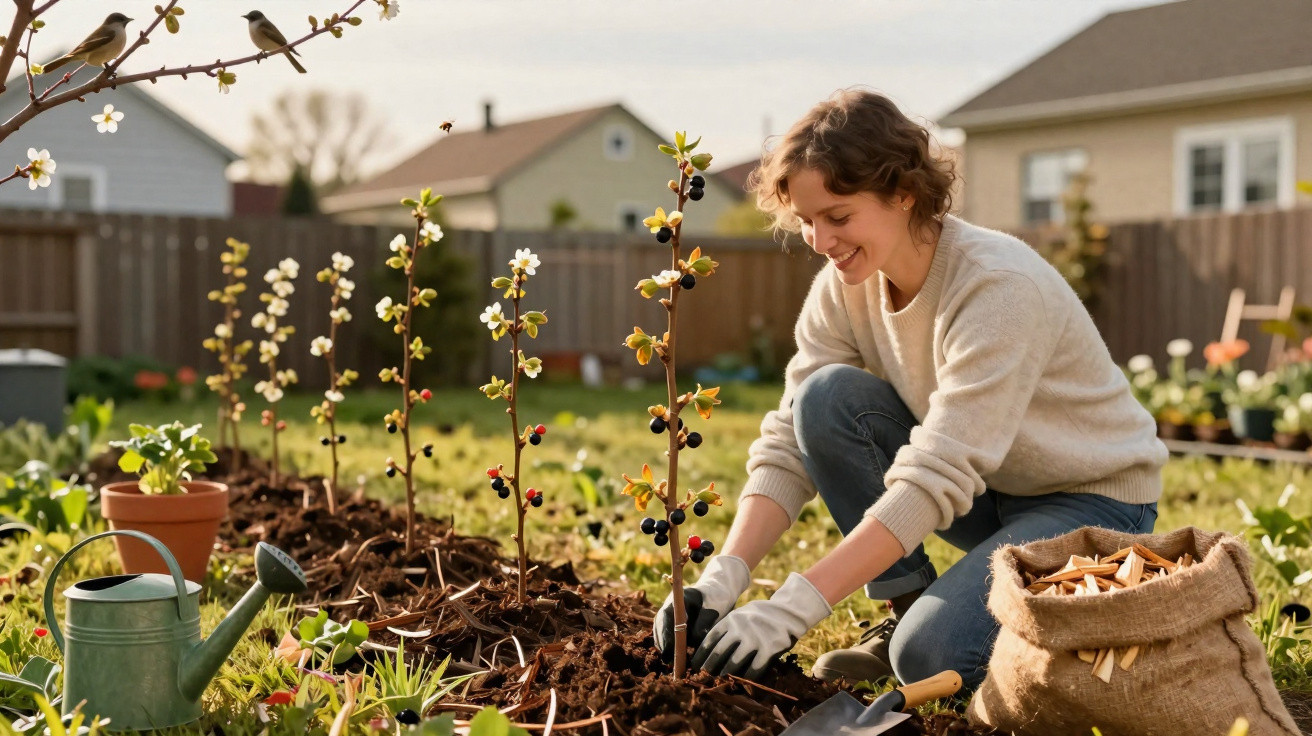
In March, the soil begins to warm, yet it still holds plenty of moisture. That mix is exactly what young roots need to establish without being put under strain. Plant now and new shrubs gain several weeks to settle in before the first real heat arrives.
At the same time, many bird species are entering the most important period of their year. They’re looking for nesting spots, safe cover from predators and reliable food nearby. A newly planted hedge with lots of blossom, fruit and dense foliage works like a clear invitation: this is a good place to move in.
"If you plant your shrubs in March, you give birds shelter and food in good time - and just a few weeks later you’ll notice far more activity in the garden."
Leave the job until April and some species will often have already chosen their nesting sites. The result is that it takes much longer for the new hedge to be used. Starting now sets the tone for a lively season.
The edible hedge: why a mixed planting gives more than a sterile wall
Plenty of plots are bordered by uniform rows of thuja or cherry laurel. They may look neat, but they offer native wildlife very little. Few flowers, scant fruit and hardly any usable habitat - for birds and insects they can be a kind of green desert.
A mixed edible hedge made up of native shrubs, or species that are well adapted locally, has a completely different effect. At best it provides blossom, berries and thick cover from spring right through to autumn. That means food, nursery space and shelter combined.
The powerful trio: blackcurrant, gooseberry and serviceberry
Just three shrubs can be enough to transform a garden:
- Blackcurrant (Ribes nigrum): Produces a dense, aromatic canopy of leaves where birds can hide extremely well. Its early flowers attract many pollinators - effectively a protein-rich buffet for chicks.
- Gooseberry: The thorny branches are unpleasant for cats and other predators, but for nesting birds they create an ideal defensive barrier. Planted thoughtfully, they form near-fortresses in the branches.
- Serviceberry: Still something of a hidden gem. It flowers very early, when little else is happening in the garden. Later, the shrubs carry dark berries that seem to draw blackbirds and others almost magically - and they’re excellent in muesli too.
Together, this trio covers several layers at once: flowers for insects, berries for birds and people, and dense growth for nests. All three are also hardy, usually reasonably priced and perfectly content in ordinary garden soil.
"Three well-chosen shrubs can reconnect a missing link in the food chain - right in the middle of a residential area."
How to plan your hedge: position, spacing and orientation
Simply dropping shrubs into any spare patch wastes a lot of potential. A little planning leads to heavier crops, better cover and less work later.
The best orientation: north–south rather than a zigzag
Experienced gardeners often suggest planting the shrubs in a north–south line. As the sun moves through the day, it reaches both sides of the hedge more evenly. The foliage tends to fill in more thickly, flowers are spread more consistently, and fruit ripens more uniformly.
For birds, that translates into more hiding places, sturdier nesting sites and a longer period of available food. For you, it means fewer weak, lopsided branches and more berries within easy reach.
Spacing and a stepped height layout
Depending on the variety, the usual planting distance is around 1 to 1.5 metres. If space allows, plan a little depth and plant in tiers:
- lower shrubs such as gooseberries at the front,
- slightly taller currants behind,
- serviceberry at the back as the higher focal point.
This creates different height levels that make the garden more visually interesting and give birds extra layers for shelter and feeding.
The secret underfoot: mulch instead of bare soil
One of the biggest keys to a thriving edible hedge isn’t in the branches - it’s directly beneath them. Exposed soil dries quickly, forms a crust and offers very little habitat. A thick layer of mulch solves several issues in one go.
Suitable materials include:
- wood chippings from pruned branches,
- straw or hay,
- autumn leaves,
- torn cardboard as a base layer, topped with organic matter.
Mulch keeps moisture in the ground, protects young roots from temperature swings and stops unwanted weeds from taking over. Even better, it encourages an entire army of tiny helpers.
"Mulch becomes home to earthworms, beetle larvae and countless microorganisms - a constant buffet for blackbirds and other birds that forage on the ground."
Avoiding chemical treatments strengthens these soil communities even further. Toxins in the ground often end up, sooner or later, inside birds. An edible hedge only works as a safe refuge if the surrounding habitat stays clean.
What you’ll notice in April: when the garden suddenly gets “loud”
Planting in March doesn’t demand much patience. By April, the garden can feel completely different. Around the first blossoms you’ll hear and see honeybees and solitary bees, while ground beetles, spiders and other insects become active in the mulch.
As insect numbers rise, more feathered visitors follow. Tits move from branch to branch, picking off aphids with conveyor-belt efficiency; robins rummage through the mulch for protein-rich mouthfuls; dunnocks slip almost silently through the dense undergrowth.
Many garden owners say they suddenly spot far more bird species - and can watch them up close while feeding, preening or nesting. A simple “decorative hedge” becomes a living, changing habitat.
How to get started: step-by-step guide to your edible hedge
- Choose the area: Plan for a strip at least 3–5 metres long - more if you have the room.
- Loosen the soil: Dig to a spade’s depth or lift with a fork, and remove roots of persistent problem weeds.
- Pick your shrubs: Choose several varieties across the species above to spread flowering and ripening times.
- Plant them in: Set shrubs at the same depth as in their pots, then water thoroughly.
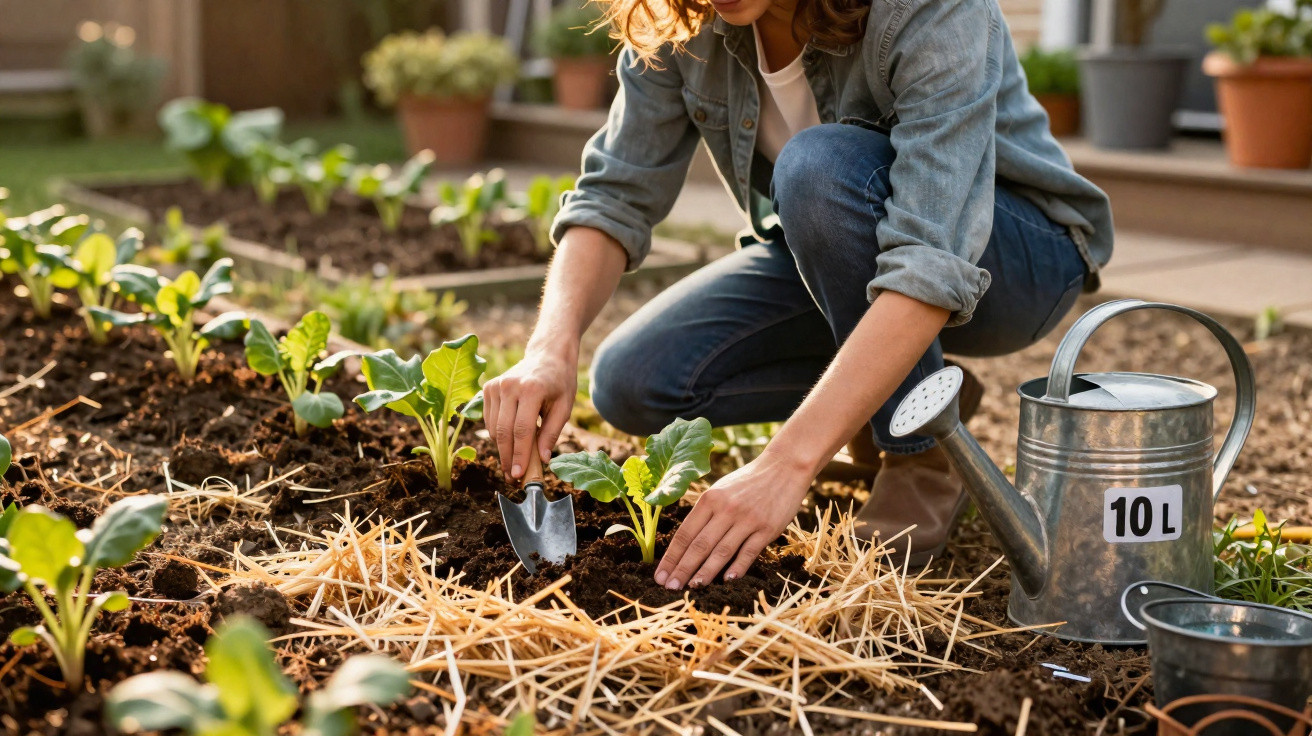
- Add mulch: Apply 5–10 centimetres of organic material around the plants, keeping it away from the stems.
- Water during the first year: In dry spells, water regularly until the shrubs are properly established.
More than just birds: what else an edible hedge does
Beyond the birds, many other residents benefit. Pollinators can find pollen and nectar from spring into summer; hedgehogs and lizards use the loose material at ground level as shelter; and earthworms quietly improve the soil in the background.
There are clear advantages for people too: the shrubs provide vitamin-rich fruit close to home, add privacy from neighbouring plots, and reduce wind that would otherwise sweep across open lawn. If you have children, it also becomes a living outdoor classroom for watching nature at work.
What to watch out for: risks and sensible additions
Not every attempt is flawless. If shrubs sit in deep shade all day, flowering and yields remain low. In badly waterlogged soil, roots may rot. In tightly packed new-build areas, it’s also worth talking to neighbours if the hedge runs right along the boundary.
Helpful add-ons around an edible hedge include a small insect hotel, a bird bath with a shallow rim, or a pile of dead wood at the edge of the garden. Structures like these keep animals in the garden for longer and strengthen the ecological web.
If you’re unsure which varieties suit your local conditions, ask at regional nurseries. Specialists there understand local quirks such as late frosts or very dry soils. They can often recommend older, proven varieties that may be more resilient than newer cultivars.
Overall, an edible hedge takes less effort than many people expect: one weekend in March, a few watering cans through the first summer and a bit of observation can turn your garden into a place where it sings, rustles and flutters again.
Comments
No comments yet. Be the first to comment!
Leave a Comment