
Patience can pay off in the garden - and one old calendar note shows why it matters especially in 2026.
By spring 2026, many beds will already be dug, fed and raked, and young plants will be itching to go outside. After a few bright days, the risk of overnight frost can feel like a distant worry. That is often exactly when the well-known Ice Saints arrive - bringing a final cold snap that catches people out. If you understand how this awkward window works, you can protect your vegetable patch without postponing everything for weeks.
When the Ice Saints strike in 2026
The dates don’t move in the calendar, including in 2026. What matters is the mid-May period when late ground frosts are traditionally expected. In 2026, the classic three days fall on:
- Monday, 11 May – feast day of Mamertus
- Tuesday, 12 May – feast day of Pancras
- Wednesday, 13 May – feast day of Servatius
In rural tradition, these three days flag the high-risk phase when cold nights can quite literally wipe out tender young vegetable plants. Many home gardeners know the old rule: “No sensitive plants outdoors before mid-May.”
In quite a few areas, the period is treated as longer because additional patron saints are included. In those places, the following dates are also considered frost-critical:
- 14 May – Boniface
- 15 May – Sophia, often called “Cold Sophie”
- 19 May – Ivo
- 25 May – Urban, especially watched in wine-growing regions
For practical gardeners, that means the genuinely tricky frost window often stretches into the second half of May, depending on where you live.
Why the Ice Saints tradition came about
The rule has its roots in the early Middle Ages. Farmers across Central Europe repeatedly noticed a brief but sharp return of cold weather in early to mid-May. After milder days in April and the first part of May, the drop in temperature often came out of nowhere. The Church linked these observations to the feast days of specific saints, which sat close to processions and prayers for good harvests. Over time, simple calendar dates turned into recognised weather markers.
Across generations, sayings developed to discourage planting too early. Experience taught growers that waiting a few extra days could cost a little time but often saved the entire crop. Even today, older gardeners recall supposedly “safe” warm May spells followed by a single frosty night that turned tomatoes, pumpkins and vines black.
What the weather data says
Modern records make the picture clearer. Meteorological services show that the last frosts do not reliably land on the classic three days. In many lowland areas, long-term averages still see temperatures drop below 0 °C again after 13 May in two years out of three - at least close to the ground.
Readings from different towns even show overnight frost at the end of May, and occasionally into early June. Hollows and exposed open ground cool far more than built-up areas. At the same time, climate warming has shifted the pattern: severe, widespread late frosts occur less often, but cold spells are more irregular and therefore harder for hobby gardeners to plan around.
So the Ice Saints are not a precise forecast, yet they remain a surprisingly useful warning sign: by mid-May, the night-frost risk is not necessarily over.
How home gardeners can plan May 2026
For day-to-day gardening, what counts is what you do in practice. If you want to sow or plant in spring 2026, a straightforward split helps.
What can go into the bed before mid-May with little risk
Hardy crops cope with chilly nights far better than tender summer vegetables. As a rule, they can go outside in April and early May even if the Ice Saints are still ahead:
- Root vegetables: carrots, parsnips, beetroot, swedes, navets
- Early crops: radishes, early mooli (daikon radish), kohlrabi, cut-and-come-again lettuce
- Leafy greens: spinach, Swiss chard, a range of lettuces
- Legumes: peas and broad beans
- Tubers: potatoes (protect if needed by earthing up)
- Hardy herbs: parsley, chives, thyme, oregano
- Ornamental plants with good cold tolerance: pansies, violas, primroses, forget-me-nots
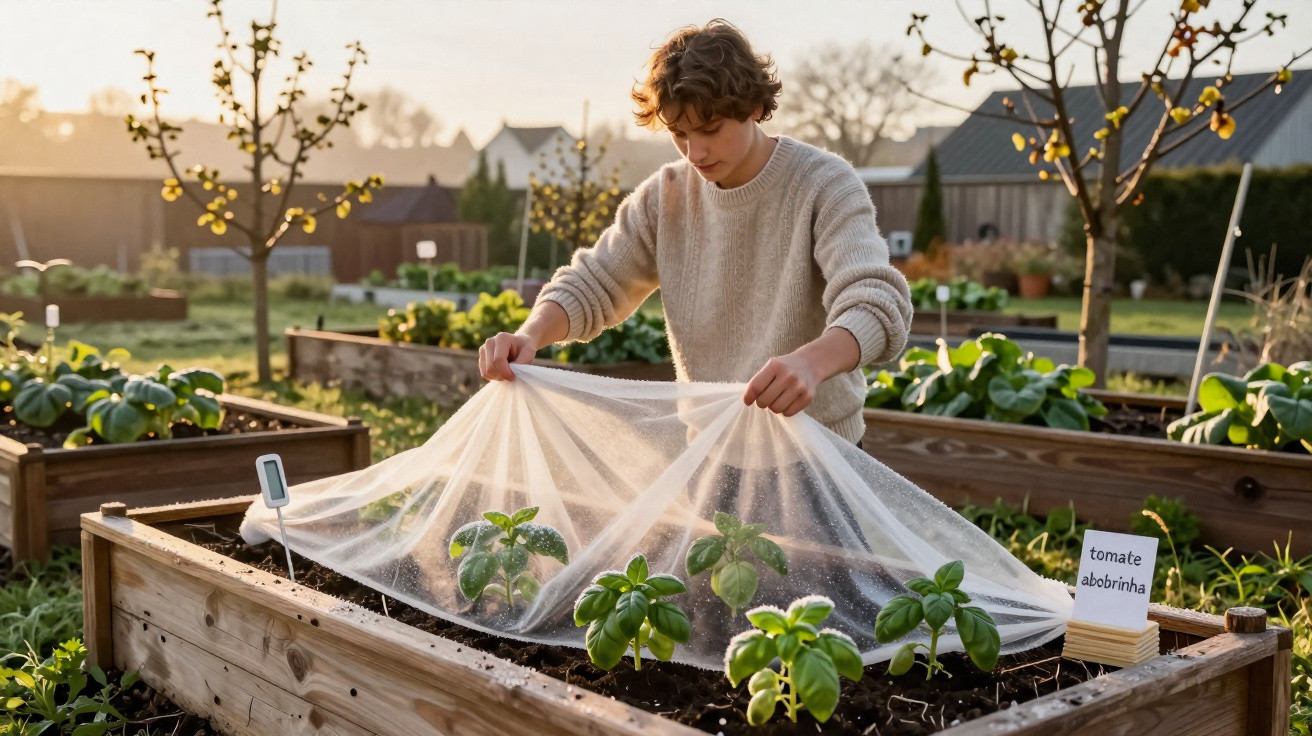
Most of these tolerate brief cold snaps well. Only when a severe late frost is forecast is it worth using horticultural fleece or a simple overnight cover such as buckets or crates.
Which plants are better left until after the Ice Saints
Typical summer vegetables are a different story. They come from much warmer climates and can be shocked even when temperatures are only a few degrees above freezing. In 2026, these are best planted into an unheated outdoor bed in the second half of May - or even in early June:
- Tomatoes
- Peppers and chillies
- Aubergines
- Courgettes and pumpkins
- Cucumbers and other cucurbits
- Melons
- Basil and other heat-loving herbs such as lemongrass
If these plants are already outside around 11 to 15 May, plan for vulnerable nights: fleece, a polythene tunnel, or-if necessary-a quick move into the house or garage.
One frosty morning can ruin an entire batch of tomatoes, courgettes and peppers - usually with no chance of recovery.
Concrete strategies for May 2026
If you want to avoid losing weeks yet don’t want to gamble with your plants, think in two stages: an early start under cover and flexible planting dates.
- Start heat-loving crops in March or April in pots, ideally on a windowsill or in a greenhouse.
- From early May, put them outside during the day so they acclimatise to wind and sun.
- Track the forecast closely around the Ice Saints rather than relying rigidly on calendar dates.
- Plant out only when several frost-free nights are predicted, even if that means different dates in different areas.
- Keep emergency protection ready: garden fleece, old bed sheets, cardboard boxes, buckets.
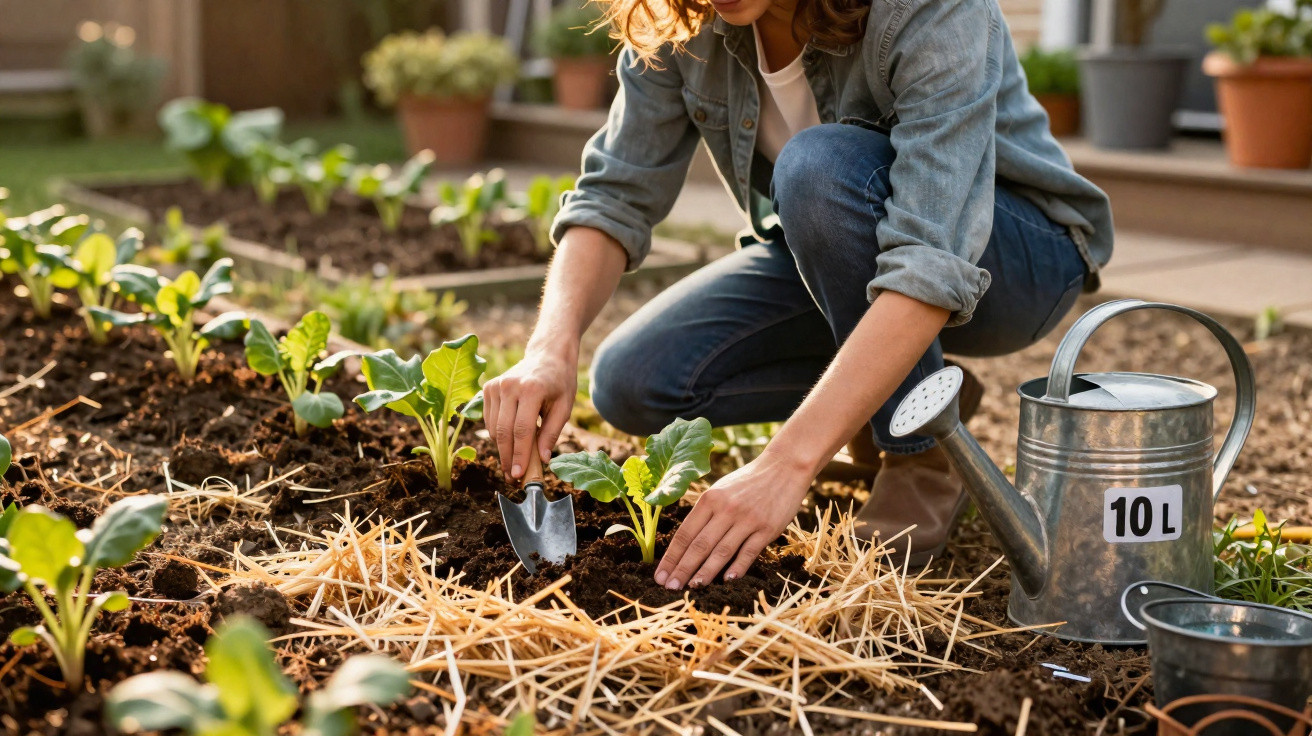
A small extra tip: setting young plants slightly deeper at first and drawing soil up around them helps protect the sensitive root zone from temperature dips close to the ground.
Regional differences and additional risks
The rule of thumb “everything is safe after mid-May” does not apply the same way everywhere. River valleys, large towns and wine-growing areas can be relatively safe earlier. Higher ground, exposed fields and frost pockets carry risk for longer. If you want to be cautious, ask neighbours with years of local gardening experience or check the frost statistics from the nearest weather station.
Frost is not the only May hazard: wind matters more than many people realise. Clear nights with a light breeze can chill plants more sharply. Prolonged rain right after planting also puts tender young plants under stress, even if it doesn’t freeze. That is why it helps to look beyond the minimum temperature and consider the whole picture: wind, rainfall and soil temperature.
Why patience in the garden really pays
Many home gardeners worry that planting later means sacrificing valuable growing time. In reality, a strong tomato or pumpkin plant that hasn’t been knocked back by cold will often catch up quickly. Plants stressed by low temperatures frequently sit still for weeks, become more vulnerable to disease, and ultimately produce fewer fruits.
May 2026 brings an added complication: climate warming can make April and early May very mild, which tempts people into risky experiments. At the same time, the atmosphere remains unstable, and individual cold snaps are becoming harder to predict. A measured approach now is more likely to deliver a steadier, more reliable harvest later.
Taking the Ice Saints seriously today is therefore not about blind faith in old sayings. It is about combining tradition with personal experience and close attention to soil, plants and the forecast. In that way, an old farming calendar entry becomes a modern, practical guide for anyone who wants a healthy, productive vegetable garden in 2026.
Comments
No comments yet. Be the first to comment!
Leave a Comment