
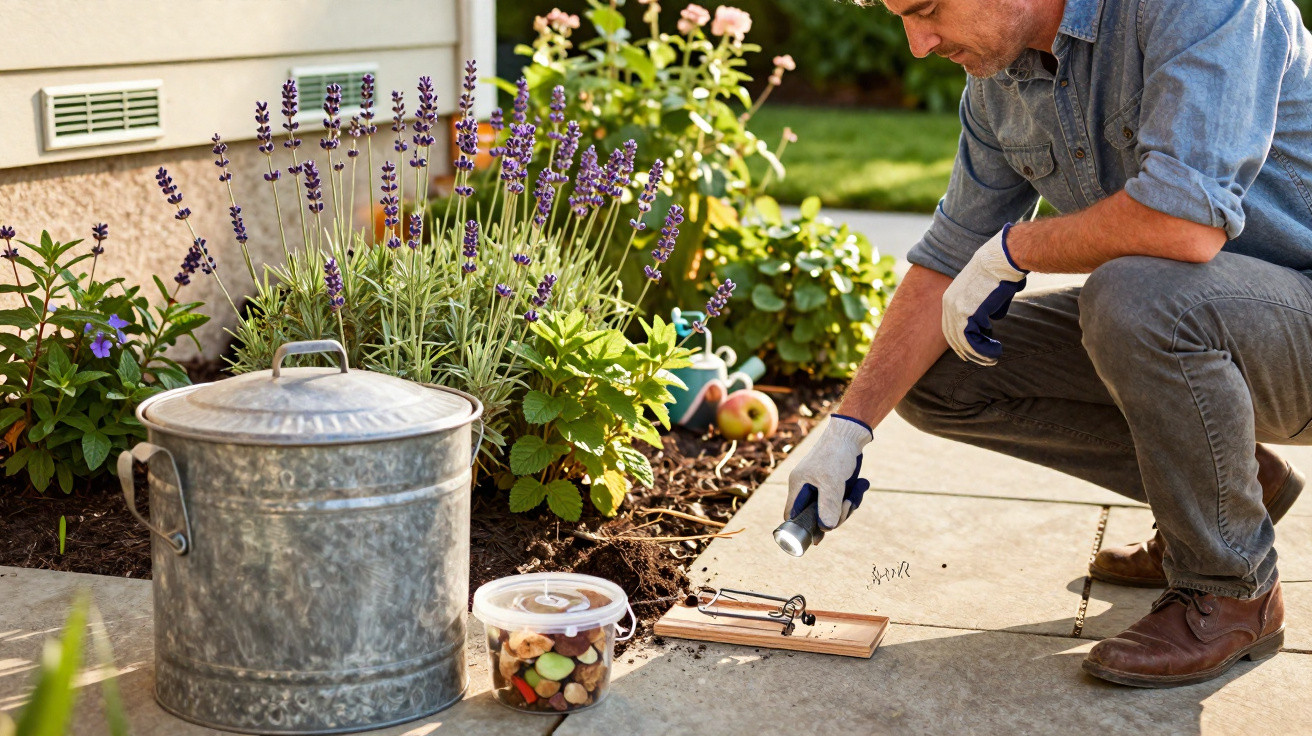
Anyone with a garden often ends up sharing it-usually without meaning to-with unwelcome visitors: rats. As temperatures drop, these animals go looking for food and shelter, and the distance from a vegetable bed to the living room is shorter than many people realise. With a handful of targeted steps outdoors, you can greatly cut the risk of them reaching the house.
Spot rats in the garden before it becomes a serious problem
The key principle is simple: the earlier you notice activity, the easier it is to keep it under control. Rats leave plenty of tell-tale signs, but most people don’t consciously look for them.
Common day-to-day warning signs
- Scratching and scuttling noises, especially at dusk or overnight
- Chewed bird seed or pet food bags
- Clearly gnawed items such as wood, plastic buckets and cables
- A sharp, unpleasant urine smell, often reminiscent of ammonia
If you regularly hear rustling or scraping in a barn, garage or near the patio in the evening, it’s worth taking a closer look. Many people say they ignored the sounds for weeks-until a rat suddenly appeared in the kitchen.
Traces in soil and along walls
In gardens, it’s usually the brown rat (also known as the Norway rat) that turns up. It tends to leave signs that are easy to recognise:
- Droppings around 1–2 cm long, slightly curved, often along established routes by a wall or near the compost
- Burrow entrances-small round holes at the base of walls, under paving slabs, wood piles or sheds
- Grease marks on walls where the animals repeatedly brush past with their fur
For comparison, droppings from mice or shrews are more like a grain of rice. Rat droppings are three to four times larger. If you’re seeing fresh, shiny droppings regularly or spotting several animals one after another, it’s no longer a single rat-it’s a proper population.
"If you spot rat signs in the garden early, you can often stop the animals from ever reaching the house."
Cut off the food supply: how to make your garden less appealing
The most effective rat control doesn’t start with poison-it starts with common sense. Rats only settle long-term where food is easy to come by.
Risky food combinations in the garden
A classic attraction is the mix of keeping chickens and using an open compost heap. Spilt grain and kitchen scraps are essentially a banquet for rats. Typical problem areas include:
- Grain and seed stored in open sacks or thin plastic buckets
- Food waste containing meat, sausage or cheese added to the compost
- Dog and cat bowls left permanently filled on the patio
- Bird seed that falls onto the ground or is stored in a sack in the shed
If you keep chickens, store feed consistently in airtight metal containers or thick plastic boxes. Leaving grain in the coop is effectively an invitation to nocturnal rodents.
Making the garden rat-unfriendly
A few practical changes can quickly reduce how attractive your garden is to rats:
- Keep wheelie bins tightly shut and don’t leave overfilled rubbish bags next to them.
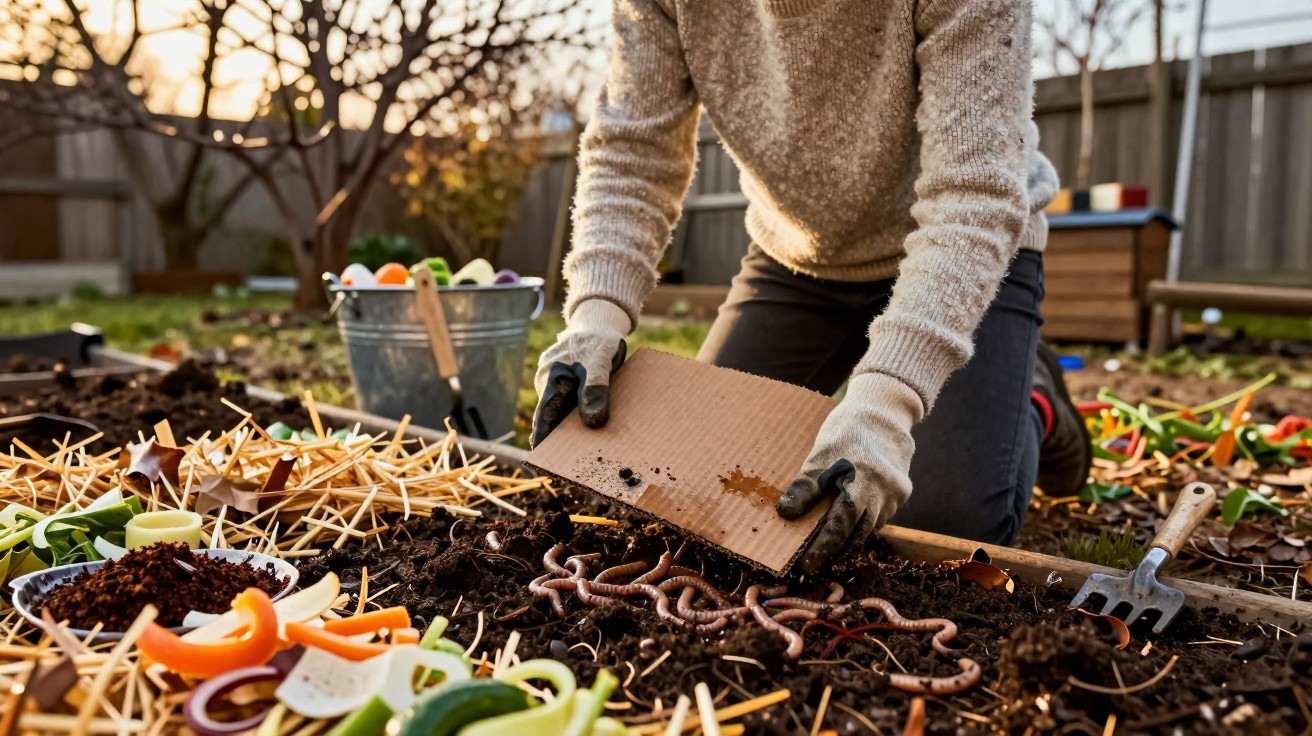
- Manage compost properly: no meat, fish or dairy; only add leftovers in small amounts and work them in well under a covering layer.
- Remove pet bowls for dogs, cats or rabbits in the evening.
- Position bird feeders so as little food as possible drops onto the ground.
- Tidy the garden: avoid piles of wood, rubble or long grass where rats can hide.
"Every sealed food source and every removed hiding place reduces the chance that rats will settle permanently."
Natural deterrents and simple traps
Once rats are already present, tidying up alone is often not enough. At that point, deterrent plants and mechanical traps can help-ideally without putting other animals at risk.
Plants, scents and straightforward tricks
Rats navigate heavily by smell, and they tend to dislike strong odours. Around vegetable beds, compost areas or sheds, the following can help:
- Mint, especially peppermint
- Bay shrubs, or bay leaves tucked into gaps
- Eucalyptus grown in a pot
- Garlic and onions planted near likely run routes
If you want to, you can soak cloths with strongly scented essential oils (peppermint, clove, eucalyptus) or vinegar and place them near entry points. This needs refreshing regularly and should always be done in a way that prevents pets from licking or chewing the cloths.
Using mechanical traps correctly
Snap traps are among the most effective and cheapest options. They cost only a few pounds and work well-provided you place them sensibly. Three basic rules matter most:
| Rule | Explanation |
|---|---|
| Choose locations precisely | Set traps only where you have already identified signs, droppings or clear run routes. |
| Don’t move traps constantly | Rats avoid change. If you keep shifting traps, they never get accepted as “part of the environment”. |
| Avoid human scent | Handle traps with gloves where possible so strong human odours don’t linger. |
Good baits include peanut butter, chocolate-hazelnut spread, bacon or nuts. If you have children, dogs or cats, use traps only inside lockable bait boxes so no other animal is harmed.
When professional help becomes necessary
Poison bait is widely sold in DIY shops, but it can be problematic in a private garden. Dogs, cats, hedgehogs or birds may eat the bait directly-or consume poisoned rats. If the infestation is heavy, or rats have already made it indoors, it’s often worth calling a pest controller. Professionals can identify access points, use approved products and secure areas so the risk to people and pets is reduced.
How rats get into the house-and how to stop them
Between the first gnaw marks on a feed sack in the shed and an appearance in the kitchen, only a few weeks often pass. Rats are excellent climbers and can squeeze through surprisingly small gaps.
- Cracks in brickwork or loose masonry around basement level
- Unprotected ventilation shafts and waste pipes
- Unsealed openings for cables and services
- Cat flaps or basement doors left permanently on the latch
If you’re already finding signs outside, it makes sense to check the house for these weak points. Metal mesh over vents, tightly closing doors and sealed service penetrations remove easy access. In older properties, it’s also wise to inspect ageing drainage: damaged pipes can effectively connect the sewer system straight to the cellar.
Health risks and why acting quickly makes sense
Rats can spread a range of pathogens, particularly via droppings and urine. If you’re cleaning damp, dusty areas in a shed or cellar, wear gloves. Don’t simply sweep up dry droppings, as germs can spread in the dust you stir up. Damp-wiping with cleaning product is the safer approach.
For children, older people or anyone with a weakened immune system, a dense rat presence close to the house is an unnecessary risk. On top of that, damage to cables, insulation and timber can become expensive over time. Early action often avoids high costs for repairs and professional pest control later.
Practical examples from everyday garden life
A familiar pattern for many hobby gardeners looks like this: first there are a few nibbled apples under the tree, then holes appear around the compost, and later there’s scratching in the void above the ceiling. If, at that stage, you consistently remove food sources, clear hiding places and use a small number of traps, you can often stop a colony from establishing in time.
In built-up residential areas, neighbours also matter. If one household never puts rubbish out promptly or stores animal feed openly, everyone nearby can end up dealing with more rats. A brief chat in the hallway or over the garden fence can sometimes achieve more than another trap. Rats don’t respect property boundaries.
Which measures work well together
The most reliable approach combines three elements: hygiene, barriers and monitoring. If you keep the garden tidy, lock away food sources and check routinely for signs, you’ll usually stay on the safe side. Natural scents and deterrent plants can support the plan, but they do not replace sealed bins or properly secured doors.
One point that’s often underestimated is pets: they’re not a guaranteed solution. Even an excellent hunting cat might catch the odd animal, but it won’t stand a chance against an established colony. Relying on a dog or cat often delays action for too long. Far more effective are alert observation, clear rules about outdoor feeding and a few well-placed traps in the right locations.


Comments
No comments yet. Be the first to comment!
Leave a Comment