
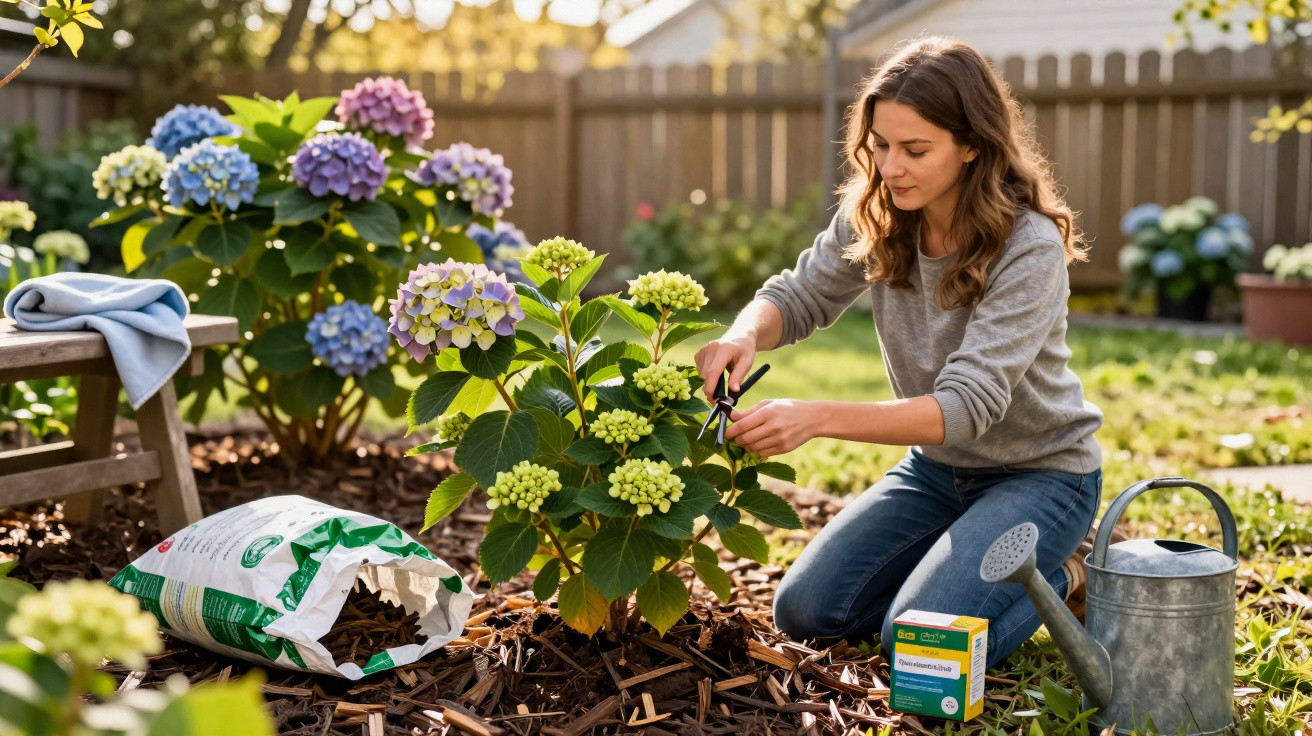
Many keen gardeners know the frustration: the hydrangea shrub is packed with lush green leaves, yet the generous flowers you remember from previous years never appear. The cause is often neither “bad soil” nor “odd weather”, but missed care around the end of winter. With a bit of know-how and a clear approach, it’s surprisingly straightforward to put things right.
The crucial moment: when to prune hydrangeas in spring
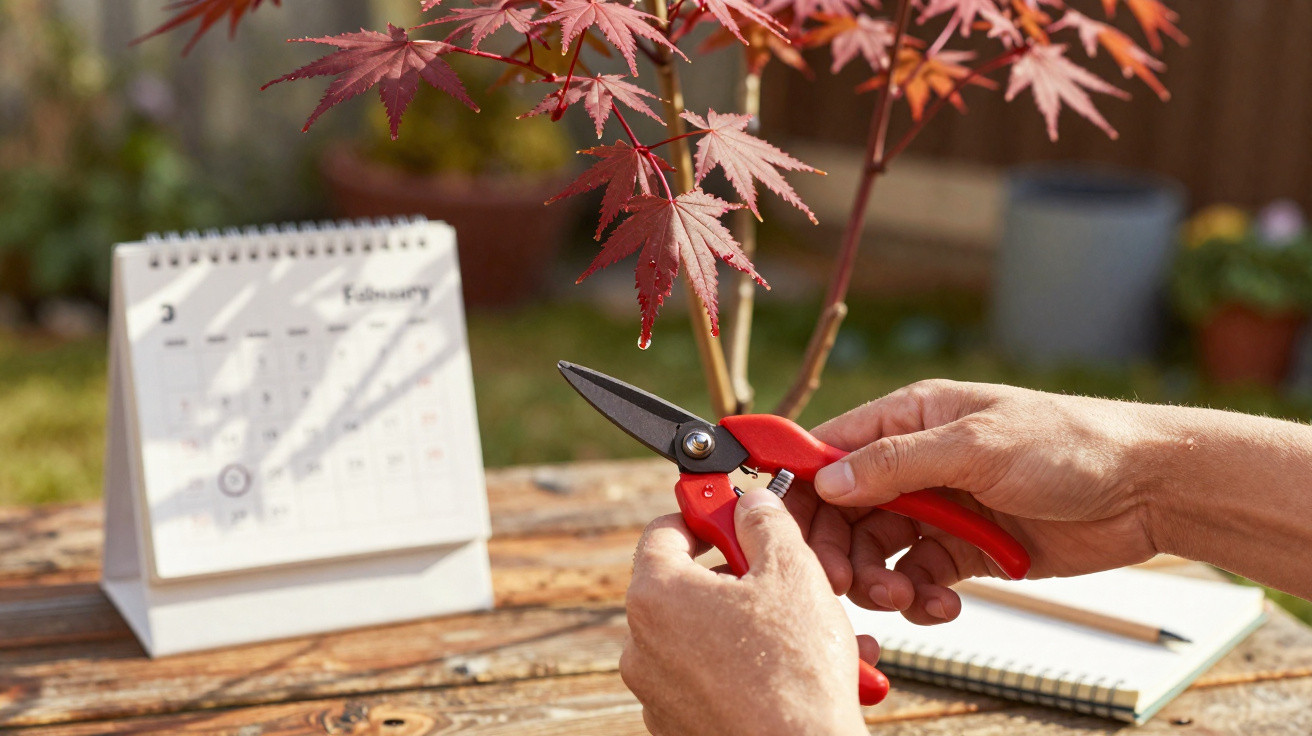
Timing is what determines whether your hydrangeas will set buds at all for summer. In gardens across Central Europe, the best window is late winter into very early spring-roughly from the end of February to the beginning of March.
At that point, it pays to inspect the plant closely. The buds usually look slightly swollen, but they have not opened yet. At the same time, the worst frosts have normally passed. If you reach for the secateurs too early, you can invite frost damage. If you cut much later, you may remove flower heads that have already formed.
“The best time to prune is shortly after the end of the hard frosts, when the buds are clearly swelling but still closed.”
Autumn, by contrast, is rarely suitable. Pruning then encourages fresh growth that can easily be cut back by winter cold. That weakens the plant and makes flowering the following year more difficult.
Why the flower type determines the pruning method
Not every hydrangea responds to pruning in the same way. If you treat all varieties with one standard routine, you can deprive some shrubs of their entire display. Broadly speaking, there are two groups, and each needs a different approach.
Hydrangeas that flower on last year’s wood
This category includes many of the classic garden hydrangeas, such as:
- Bigleaf hydrangeas (Hydrangea macrophylla)
- Mountain hydrangeas (Hydrangea serrata)
- Oakleaf hydrangeas (Hydrangea quercifolia)
- Climbing hydrangeas
These types set their flower buds in late summer of the previous year. In other words, the blooms sit on shoots that are already a season old. If you cut back too hard, you remove exactly those shoots-and with them, the whole flowering show.
For these varieties, a light touch and a gentle technique are essential.
Hydrangeas that flower on new growth
The second group mainly covers:
- Panicle hydrangeas (Hydrangea paniculata)
- Shrub hydrangeas such as Hydrangea arborescens, including the well-known variety ‘Annabelle’
They produce flowers on stems that grow in the current year. As a result, they can cope with much stronger pruning. In fact, they benefit from it to stay sturdy and to develop large, striking blooms.
Three simple pruning steps for hydrangeas covered in flowers
1. Remove spent blooms carefully
With varieties that flower on last year’s wood, gardeners should work cautiously. The faded flower heads from last summer often remain as small, dry balls or flat “plates” at the tips of the shoots. Cut these off just above a clearly visible pair of buds.
That way, the lower buds remain intact and can develop into strong flowering shoots in spring. Even trimming back by just a few centimetres can make a substantial difference.
2. Cut out old and weak wood
In the same session, take a hard look into the centre of the shrub. Old, heavily woody branches-or very thin, feeble shoots-tend to produce few flowers. Remove these stems as close to the base as possible.
If you completely take out one to three of the oldest shoots each year, you rejuvenate the whole shrub. Fresh, vigorous stems will replace them and usually flower far better in the following years. The plant also stays more open, becomes less prone to fungal problems, and sets more flower buds.
3. A stronger cut for panicle and shrub hydrangeas
With panicle hydrangeas and types such as ‘Annabelle’, you can be more confident with the secateurs. Typically, the stems are shortened by around a third to a half. Make the cut just above an outward-facing bud, which helps create a sturdy framework capable of holding heavy flower heads.
For some shrub hydrangeas, including ‘Annabelle’, it’s even possible to cut back to about 20 centimetres above the ground. The plant will then produce fresh growth and form large, rounded flower heads. The fewer buds you leave on each stem, the fewer blooms you get-but they will be noticeably bigger.
“The harder the prune on suitable varieties, the fewer-but all the more impressive-the blooms.”
More than just pruning: care that strengthens hydrangeas long term
Once pruning is done, it’s worth spending a few extra minutes on the soil around the shrub. This small effort can benefit growth and flowering for years.
Clear the ground and feed
Start by removing old leaves on the soil, especially anything diseased or heavily affected by fungus. This helps reduce the chance of pathogens moving back up into the plant. Then apply a thin layer of well-rotted compost or a dedicated hydrangea fertiliser.
This dose of nutrients kick-starts spring growth, supports bud formation, and helps the stems develop strongly and healthily.
Mulch to reduce drought and heat stress
A loose mulch of bark chips or shredded leaves protects the root zone. The soil stays moist for longer, and the plants cope better during hot spells in summer. In drier areas, this can be a key factor in achieving consistent flowering.
If you garden in a region with hard tap water, pay attention to your mulching material. With sensitive varieties, the pH can rise over time, which can dull the typical blue colouring of some hydrangeas.
Watering, frost protection and checking shoots
Younger hydrangeas, in particular, respond well to regular attention. Three points matter a great deal in spring:
- Water deeply: in dry weather, water less often but thoroughly, rather than giving a light sprinkle every day.
- Watch for late frosts: if the buds are already well developed, a light horticultural fleece overnight can prevent frost damage.
- Inspect the stems: blackened, frost-damaged, or clearly split shoots should be cut out so the plant doesn’t waste energy on weakened areas.
Common mistakes-and how to avoid them
Many issues with “lazy-flowering” hydrangeas can be traced back to a handful of recurring misconceptions:
- Hard pruning on varieties that flower on last year’s wood
- Pruning in autumn instead of late winter or very early spring
- Too much nitrogen fertiliser, which encourages leaves but not many buds
- Persistent dryness in the root zone during midsummer
If you recognise these pitfalls and steer clear of them, your chances of abundant blooms increase significantly.
Colours, positions and smart combinations in the border
Hydrangeas combine well with other shade and part-shade perennials. Hostas, ferns or astilbes look right alongside them and share similar needs for moisture and soil conditions.
Many gardeners aim for rich blue flowers. Here, soil reaction is crucial: only in more acidic soils-and with enough available aluminium-do suitable varieties turn blue. In neutral to slightly alkaline soils, those same plants tend more towards pink or red tones.
If you mix several varieties, you can plan the look deliberately: white panicle hydrangeas as the structural backdrop, pink bigleaf hydrangeas in front, and low perennials woven between. The spring care steps described above apply to all these planting ideas alike-working together, they help deliver years of flower-filled growth.

Comments
No comments yet. Be the first to comment!
Leave a Comment