
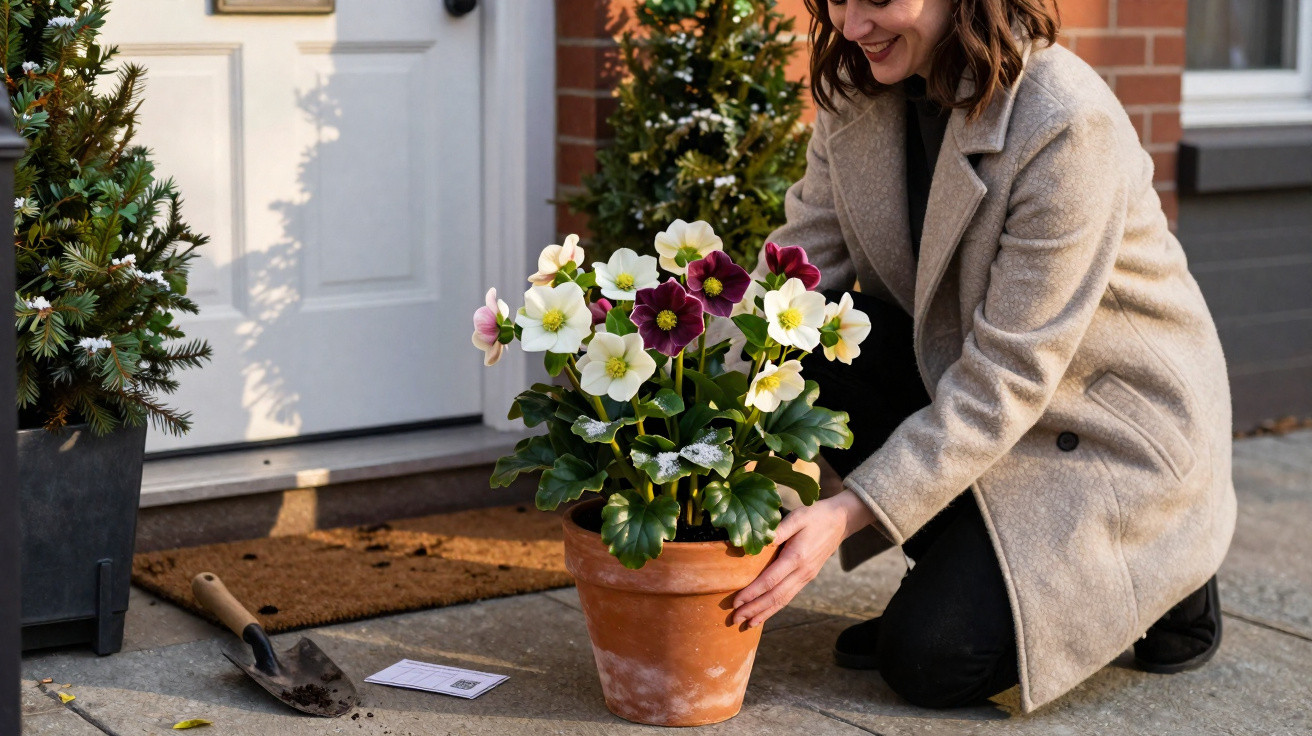
The pots are emptying, leaves are turning brown and the patio seems to be losing all personality. Yet a plant that can flower when almost the entire garden is dormant can transform that feeling within days.
The Oriental hellebore, often known as the Lenten rose, provides that much-needed surprise in the depths of winter. Its flowers emerge from January to March, sometimes while the ground is still frozen in the early morning. There is no need to wait for spring to bring colour, life and an entranceway that makes people want to pause.
Why Oriental hellebore winter flowers banish the gloom
Watching blooms open in the middle of February always feels unexpected. The hellebore does more than endure cold weather: it uses this season to draw attention with generous, elegant flowers. Against a bleak doorstep or a mineral-heavy courtyard, it instantly creates a bright focal point.
Its dense, dark-green, deeply cut foliage remains ornamental long after flowering has finished. This leafy presence prevents the empty look that worries so many homeowners during winter. Your entrance will look cared for, even while the rest of the garden is still waiting for warmer weather.
Striking colours to revive a featureless entrance
You may picture a discreet white flower, yet modern varieties offer a far broader palette. Almost-black purple, dusty pink, acid green, speckled white, deep plum and pale yellow: every shade changes the mood outside your front door. Some flowers even feature spots, dark veining or contrasting centres, making them particularly captivating up close.
Dark shades lend a contemporary, mysterious character to a light-coloured façade. Powder pinks and whites brighten shaded areas, which can often feel cold or unwelcoming. For a harmonious result, pick up a shade already found in your shutters, doormat or pots.
Here are a few easy combinations that enhance the decorative effect without crowding your entrance:
- A purple hellebore with a silver heuchera for a sophisticated contrast.
- A white hellebore surrounded by snowdrops for a fresh, luminous display.
- A pink variety paired with variegated ivy trailing over the edges of a large pot.
- A dark hellebore alongside an evergreen fern for a chic woodland feel.
How to avoid the 3 mistakes that can rot your plant
The greatest threat to a hellebore is not frost, but water sitting around its roots. A pot without drainage holes, or heavy soil saturated with moisture, can yellow the foliage and quickly weaken the plant. This disappointment is common because many people overwater, worried that the flowers will suffer.
Plant it in loose soil that is rich in organic matter and able to drain away excess water. In a container, add a layer of gravel or clay pebbles at the base, then select a sufficiently deep pot. Water only when the surface of the compost has dried out, especially during wet spells.
Never bury the crown beneath several centimetres of compost. The base of the stems should remain close to the surface to reduce the risk of rot. Remove damaged leaves at the end of winter: the new flowers will stand out more clearly and your planted pot will look neater.
A generous plant for people who want beauty without giving up their weekends
The Oriental hellebore suits both novice gardeners and people short of time. Depending on the variety and growing conditions, it tolerates temperatures of around -15 °C. Once it has settled in properly, it needs very little attention and can remain in the same spot for many years.
It favours gentle light, either morning sunshine or light shade beneath a deciduous shrub. However, avoid scorching afternoon sun in summer, particularly for a pot placed against a wall. A dressing of well-rotted compost in autumn is often enough to support the following flowering season.
This perennial also offers reassurance to anyone reluctant to spend money every season replacing their planters. Rather than buying short-lived plants that vanish after a few weeks, you are choosing a lasting feature. Over time, the clump thickens and becomes more impressive.
Turn your front door into a living display that intrigues visitors
A successful entrance does not necessarily require major work or expensive objects. Two or three hellebores grouped in matching pots can be enough to turn a cold threshold into a welcoming space. Position the flowers at eye level or near the steps so that their details remain visible.
The surprise lies in the contrast: visitors expect to see dormant plants, then discover delicate blooms in the middle of winter. This difference gives your home a polished, almost secretive air. Why let your entrance look forgotten for 3 months when such a hardy plant can restore its pride?
Choosing the hellebore means rejecting the inevitability of a dull outdoor space between December and March. Its hardiness, colours and low-maintenance nature make it a valuable ally for creating a living display without excessive effort. From the first flowering, you will understand why this understated winter rose attracts so much admiration.




Comments
No comments yet. Be the first to comment!
Leave a Comment